Year: 2003
Runtime: 117 min
Language: English
Director: Mike Newell
Budget: $65M
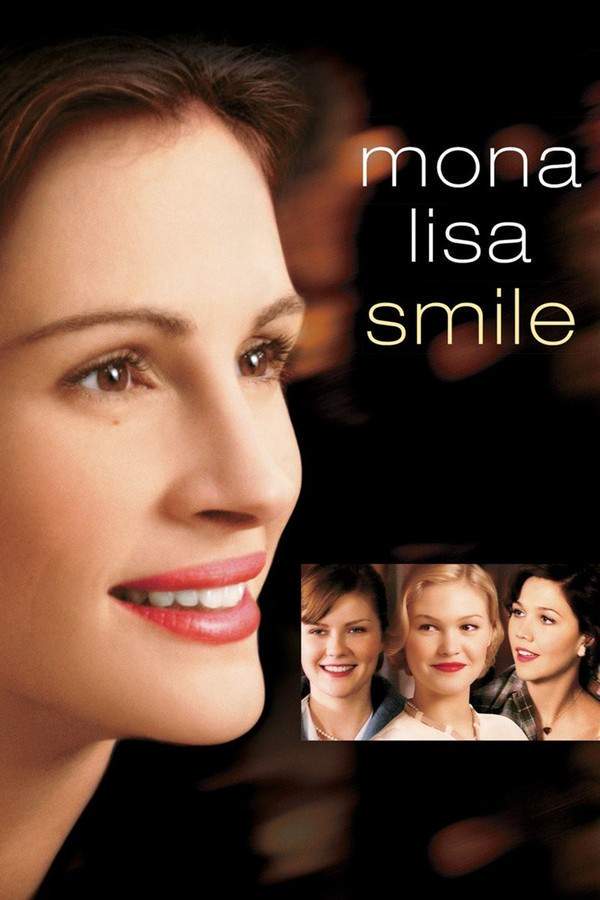
During the 1950s at Wellesley College, art historian Katherine Watson challenges the traditional roles expected of women. Her unconventional teaching methods and passionate lectures inspire her students to question societal norms and pursue their ambitions beyond marriage and motherhood. Katherine's influence sparks a transformative journey of self-discovery for the young women, encouraging them to embrace their intellect and individuality in a conservative era.
Warning: spoilers below!
Haven’t seen Mona Lisa Smile yet? This summary contains major spoilers. Bookmark the page, watch the movie, and come back for the full breakdown. If you're ready, scroll on and relive the story!
Read the complete plot breakdown of Mona Lisa Smile (2003), including all key story events, major twists, and the ending explained in detail. Discover what really happened—and what it all means.
Katherine Watson (Julia Roberts), a dedicated Ph.D. student from Oakland State University, embarks on a transformative journey as she accepts a position as an Art History instructor at Wellesley College during the 1953/54 academic year. This prestigious institution, known for its elite status, often belittles “State” university graduates, making Katherine an unlikely choice for a role at Wellesley. Under the watchful eye of President Jocelyn Carr (Marian Seldes), who upholds the school’s conservative values, Katherine faces the challenge of merging her modern ideas with the traditional expectations placed on her students.
As Katherine steps into the classroom, she quickly realizes the significance of her academic pedigree, which inadvertently impacts her students’ perception of her. The girls possess an impressive intellectual background but lack the ability to think independently. Their upbringing, steeped in the school’s conservative ethos and parental guidance, has groomed them for one primary aim: to marry into affluent families and adhere to established social norms.
Among Katherine’s students are Betty Warren (Kirsten Dunst), Joan (Julia Stiles), Giselle Levy (Maggie Gyllenhaal), Susan Delacorte (Laura Allen), and Connie (Ginnifer Goodwin). While these bright young women showcase their extensive knowledge of the curriculum, they disrupt her class, implying that Katherine has little left to teach, resulting in a rather rude departure. In her personal life, Katherine shares a home with roommates Amanda (Juliet Stevenson) and Nancy (Marcia Gay Harden). Nancy, who teaches speech and elocution, and Amanda, the school’s nurse, provide a sympathetic backdrop to Katherine’s struggles at the college.
Betty, a strong presence in the school newspaper, wields considerable influence over her peers. The prevailing atmosphere at Wellesley discourages liberal thinking, and while some students and faculty members yearn for change, those voices often remain suppressed. Undeterred, Katherine vows to impart her own beliefs about education and encourages her students to engage with unconventional art history topics that provoke thought and spirited debate rather than conform to the established syllabus.
Betty, firmly rooted in her conservative views, rejects any notion of women’s liberation, vehemently opposing Giselle’s more liberated perspective. In contrast, Giselle acknowledges the possibility that women, like Katherine, can forge lives unbound by societal conventions surrounding marriage and family. Katherine fosters an environment where her students can explore such concepts without fear of ridicule.
Amid the turbulence, the dynamics between students evolve. Joan harbors aspirations of attending Yale for law school but struggles with her desire for marriage, finding herself at a crossroads. Katherine urges Joan to pursue her ambitions, even as Betty holds on to traditional ideals, envisioning a life centered on family and stability. Complications arise when Joan’s engagement to Tommy (Topher Grace) materializes, causing friction with her ambitions.
As Katherine navigates the complexities of her students’ relationships and her own love life—marked by her interactions with fellow instructor Bill Dunbar (Dominic West)—the atmosphere shifts. Unexpected setbacks arise when Betty’s editorial actions lead to Amanda’s termination, reinforcing the oppressive environment at the college. However, as time passes, Betty’s strict adherence to tradition becomes increasingly challenged, complemented by the growing independence of her classmates.
Through personal trials, tragedies, and evolving friendships, the narrative culminates as Katherine leaves the college context, symbolizing a rejection of the limitations imposed by conventional roles. The year concludes with heightened enrollment in her class, a testament to the impact she made on her students’ hearts and minds, even amidst the traditional frameworks of Wellesley. Ultimately, in a poignant twist, Katherine departs for Europe, leaving Wellesley behind, while Betty confronts her marriage’s breakdown and seeks her own independence. The journey of self-discovery, empowerment, and the challenge against societal norms resonates as Katherine inspires future generations to embrace their aspirations wholeheartedly.
Last Updated: October 27, 2024 at 21:13
Discover curated groups of movies connected by mood, themes, and story style. Browse collections built around emotion, atmosphere, and narrative focus to easily find films that match what you feel like watching right now.
Films about teachers who inspire change and challenge the status quo.If you enjoyed the story of Katherine Watson in Mona Lisa Smile, you'll appreciate these movies about educators who challenge tradition. Discover similar films and drama stories featuring unconventional teachers inspiring their students to think differently and pursue their own paths.
These narratives typically follow an outsider educator who brings new ideas to a resistant institution. Their methods clash with tradition, leading to conflict with authorities, but they ultimately foster profound self-discovery and empowerment in their students, often concluding with a sense of hopeful legacy despite personal sacrifice.
Movies in this thread share a core narrative of educational inspiration and societal challenge. They blend a hopeful tone with dramatic conflict, featuring steady pacing and medium emotional weight, creating a cohesive experience of intellectual and personal liberation.
Stories of women breaking free from societal constraints in historical settings.Fans of Mona Lisa Smile will find more movies like it in this collection of historical dramas about women challenging norms. Explore similar 1950s stories and feminist films focused on female empowerment, self-discovery, and the bittersweet fight for independence in a conservative era.
The narrative pattern involves individuals or a group confronting the limitations of their era—be it gender roles, class structures, or social conventions. The central conflict is between personal ambition and societal pressure, leading to a climax of defiance. The endings are typically bittersweet, celebrating hard-won freedom while acknowledging the sacrifices made.
These films are grouped by their shared focus on feminist themes within a specific historical context. They combine a nostalgic setting with a thoughtful, liberating mood, and a steady pace that allows for deep character exploration, resulting in a consistently poignant and inspiring vibe.
Don't stop at just watching — explore Mona Lisa Smile in full detail. From the complete plot summary and scene-by-scene timeline to character breakdowns, thematic analysis, and a deep dive into the ending — every page helps you truly understand what Mona Lisa Smile is all about. Plus, discover what's next after the movie.
Track the full timeline of Mona Lisa Smile with every major event arranged chronologically. Perfect for decoding non-linear storytelling, flashbacks, or parallel narratives with a clear scene-by-scene breakdown.
Discover the characters, locations, and core themes that shape Mona Lisa Smile. Get insights into symbolic elements, setting significance, and deeper narrative meaning — ideal for thematic analysis and movie breakdowns.
Get a quick, spoiler-free overview of Mona Lisa Smile that covers the main plot points and key details without revealing any major twists or spoilers. Perfect for those who want to know what to expect before diving in.
Visit What's After the Movie to explore more about Mona Lisa Smile: box office results, cast and crew info, production details, post-credit scenes, and external links — all in one place for movie fans and researchers.
Discover movies like Mona Lisa Smile that share similar genres, themes, and storytelling elements. Whether you’re drawn to the atmosphere, character arcs, or plot structure, these curated recommendations will help you explore more films you’ll love.
Mona Lisa Smile (2003) Scene-by-Scene Movie Timeline
Mona Lisa Smile (2003) Movie Characters, Themes & Settings
Mona Lisa Smile (2003) Spoiler-Free Summary & Key Flow
Movies Like Mona Lisa Smile – Similar Titles You’ll Enjoy
My Summer of Love (2005) Ending Explained & Film Insights
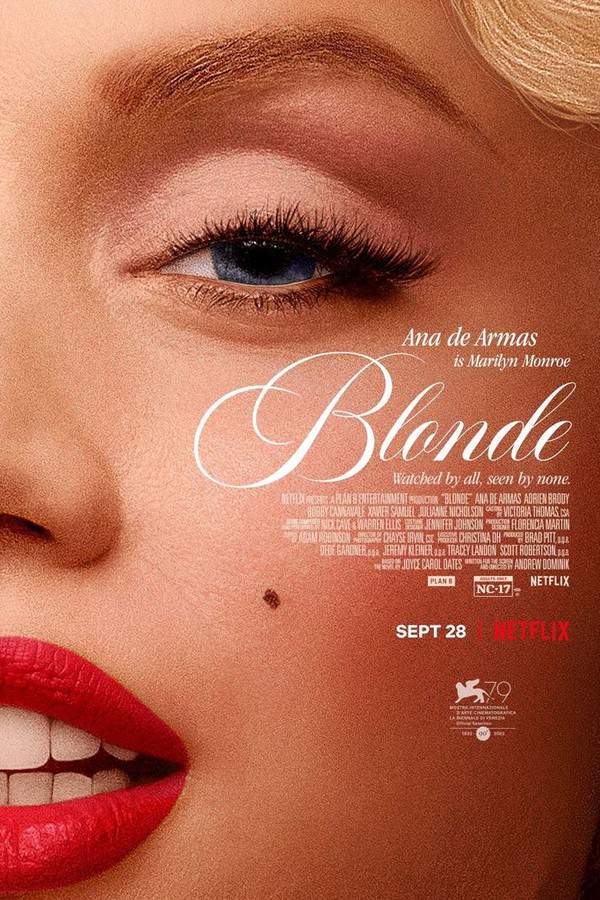
Blonde (2022) Movie Recap & Themes
Admission (2013) Spoiler-Packed Plot Recap
Mona Lisa and the Blood Moon (2022) Spoiler-Packed Plot Recap
Oleanna (1994) Full Movie Breakdown
A Good Woman (2006) Film Overview & Timeline
Peace, Love, & Misunderstanding (2012) Full Movie Breakdown
Beautiful Girls (1996) Full Summary & Key Details
Drowning Mona (2000) Detailed Story Recap
Mona Lisa (1986) Story Summary & Characters
Sonia (1980) Full Movie Breakdown
Lianna (1983) Story Summary & Characters
Mona and I (1989) Detailed Story Recap
The Legend of Marilyn Monroe (1966) Full Summary & Key Details
The Mona Lisa Without a Smile (1968) Detailed Story Recap