




Plot Explained Spoilers guaranteed!
Plot Explained

Browse by genre

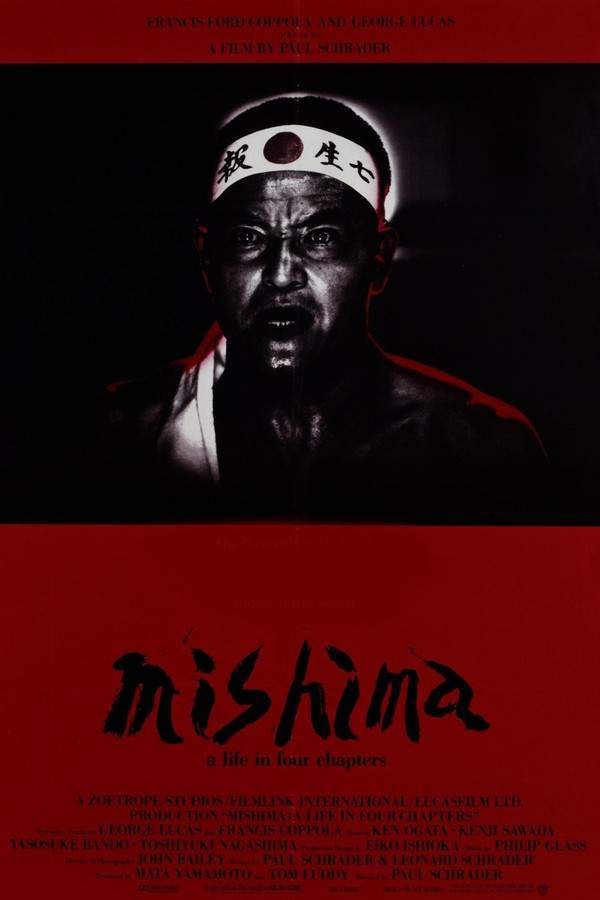
Mishima: A Life in Four Chapters (1985) movie poster

Characters & Themes

Mishima: A Life in Four Chapters (1985) Characters, Setting & Themes Explained

Release, runtime and language
1985 · 120 min · English
JustWatch #9,918 388
Directed by
Paul Schrader
Starring
Ken Ogata, Gô Rijû, Hiroshi Mikami, Junkichi Orimoto, Junya Fukuda, Masato Aizawa

The film explores the life of Japanese author Yukio Mishima, presented in four distinct sections. The initial segments focus on his literary works and creative process, while the final chapter depicts the dramatic events surrounding his death on November 25, 1970. It offers a portrait of a complex and controversial figure.

On this page (8)
  1. 1 Where to watch
  2. 2 Characters explained (1)
  3. 3 Where & when it takes place
  4. 4 Themes & meaning (3)
  5. 5 Character & meaning questions
  6. 6 Movie threads
  7. 7 Movies like Mishima: A Life in Four Chapters
  8. 8 Every angle

Where to watch

Where to Watch Mishima: A Life in Four Chapters (1985)

Where can you watch Mishima: A Life in Four Chapters? Stream, rent or buy it in the US, including on Amazon Video, Apple TV Store and Fandango At Home: current JustWatch availability with up-to-date prices.

Streaming availability powered by JustWatch

1 main characters · contains spoilers

Mishima: A Life in Four Chapters Characters Explained: Who Is Who

The main characters of Mishima: A Life in Four Chapters (1985), heroes and villains: what drives them, how they change over the course of the story and what each of them reveals about the film's bigger ideas.

  • Yukio Mishima

    played by Ken Ogata

    Mishima is portrayed as a complex individual, deeply passionate about his ideals yet fraught with inner conflict. As a celebrated writer, his drive for perfection manifests in both his literature and his physical self, showcasing his struggles with modernity and traditional values. His tragic end reveals the depths of his commitment to honor and belief.

    • ✍️ Writer
    • ⚔️ Nationalist
    • 🎭 Tragic Hero

Last updated: October 22, 2024 at 21:30

Was this helpful?

Setting

Where and When Does Mishima: A Life in Four Chapters Take Place?

The setting of Mishima: A Life in Four Chapters (1985): the year and time period, the places and locations, and how they shape the characters, the mood and the tension of the story.

Time period

1970

The movie is set during late 1970, a turbulent era for Japan, marked by social unrest and a clash between traditional values and Western influences. This time period serves as a backdrop for Mishima's radical ideas about restoring the Emperor's power and his personal struggle against modernity, reflecting the complexities within Japanese society.

Location

Japan

The film takes place in Japan during a time of cultural and political upheaval. Known for its rich history, Japan is presented here as a land grappling with modernity and the traditional values embodied by Yukio Mishima. The conflict between contemporary materialism and a yearning for imperial reverence emerges vividly through the character's actions and beliefs.

  • 🇯🇵 Japan
  • 🏯 Traditionalism

Last updated: October 22, 2024 at 21:30

Was this helpful?

3 major themes

Mishima: A Life in Four Chapters Meaning: Themes & Message Explained

What is Mishima: A Life in Four Chapters (1985) really about? The emotional, social and philosophical themes the film keeps returning to, its symbolism and the message beneath the surface.

  • Honor

    Honor plays a crucial role in Mishima's life and philosophy. His ultimate act of seppuku is not just about personal loyalty to his ideals, but also a broader reflection of honor in a modern world that often seems devoid of it. The film challenges viewers to consider what true honor means in a changing society.

  • Artistry

    Mishima's life is interwoven with his literary contributions, showcasing the significance of artistry in expressing identity and existential contemplation. Through dramatizations of his works, the film emphasizes the power of storytelling as a means of understanding one's self and societal values. The contrast between beauty and destruction is central to this theme.

  • Tragedy

    Tragedy is a recurring motif in both Mishima's life and artistic endeavors. His fixation on beauty and perfection leads to tragic outcomes, both in his personal relationships and his ideological pursuits. The film illustrates this tragic trajectory, culminating in Mishima's suicide, which serves as a poignant reminder of the cost of obsession.

Last updated: October 22, 2024 at 21:30

Was this helpful?

Character & theme questions

Mishima: A Life in Four Chapters Characters & Meaning: Your Questions Answered

The questions people ask about Mishima: A Life in Four Chapters (1985): who the characters really are, their relationships, what the symbols mean, where it takes place and what the movie is really about. Each answer contains spoilers.

Q1

Where is the film set?

The film is set in Japan, portraying a country grappling with cultural and political upheaval during the late 1960s and 1970. This setting is essential because it frames Mishima's ideological conflict between contemporary materialism and traditional values centered on imperial reverence.

  • japan setting
  • location
  • japanese film
Q2

When does the movie take place?

The movie is set in late 1970, a turbulent era for Japan marked by social unrest and cultural tension between traditional values and Western influences. This time period directly shapes Mishima's radical ideas about restoring the Emperor's power and his personal struggle against modernity.

  • 1970
  • time period
  • japanese history
  • 1970s japan
Q3

What does the film say about honor?

The film explores honor as a central theme through Mishima's philosophy and ultimate act of seppuku. Honor is presented not merely as personal loyalty to ideals but as a broader reflection of what true honor means in a modern world that seems devoid of it. The narrative challenges viewers to consider how outdated concepts of honor manifest in contemporary society.

  • honor
  • seppuku
  • philosophy
  • ideals
Q4

How does the film explore artistry?

The film weaves Mishima's literary works into the narrative, dramatizing excerpts from his fiction to showcase the power of storytelling as a means of self-expression and existential contemplation. Through this interplay between his art and life, the film emphasizes how artistry becomes a vehicle for exploring identity, societal values, and the contrast between beauty and destruction.

  • artistry
  • literature
  • storytelling
  • writing
Q5

What role does tragedy play in the film?

Tragedy emerges as a recurring motif, illustrating how Mishima's fixation on beauty and perfection leads to tragic outcomes in both his personal relationships and ideological pursuits. The film depicts his tragic trajectory, culminating in suicide, serving as a poignant reminder of the psychological cost of obsession with ideals.

  • tragedy
  • downfall
  • obsession
  • suicide
Q6

What were Yukio Mishima's core beliefs?

Mishima is portrayed as a complex figure deeply passionate about traditional Japanese values and critical of modernity and Western influence. He believed strongly in restoring the Emperor's power and embraced aesthetic perfectionism that manifested in both his literature and physical discipline. His philosophy combined extreme nationalism with an artistic vision obsessed with beauty and death.

  • mishima beliefs
  • traditionalism
  • emperor
  • nationalism
Q7

How does the film portray the conflict between modernity and tradition?

The film presents Japan as a society torn between contemporary materialism and a yearning for traditional values that Mishima embodied. This conflict serves as the backdrop for his radical ideas and actions, with the narrative exploring how traditionalism clashed with the modernization of Japanese society in the late 1960s and 1970s.

  • modernity
  • tradition
  • conflict
  • japanese society
Q8

What is the structure of the film?

The film is organized into four distinct chapters that weave together dramatizations of Mishima's literary works with a biographical frame narrative about his life. This complex structure shifts between the deliberate, atmospheric depiction of his life, the lyrical dramatizations of his fiction, and the tense culmination of his final political act.

  • structure
  • four chapters
  • narrative style
Q9

Who is Yukio Mishima in the film?

Yukio Mishima is portrayed as a celebrated yet deeply conflicted writer, portrayed by Ken Ogata. The film presents him as a man whose drive for perfection manifested in both his literature and physical self. His portrayal reveals inner turmoil between his artistic sensibilities and extremist ideological pursuits, culminating in his tragic end.

  • yukio mishima
  • ken ogata
  • main character
Q10

What is the overall tone of the film?

The film carries a predominantly dark and intense tone, exploring profound themes of disillusionment, self-loathing, and a destructive obsession with ideals. It maintains a heavy emotional weight throughout, anchored by its bleak ending that depicts a failed political act and seppuku, leaving no room for hope or redemption.

  • tone
  • atmosphere
  • darkness
  • bleakness

Movie threads

More Movies Like Mishima: A Life in Four Chapters, by Mood & Story

Curated lists built around what makes Mishima: A Life in Four Chapters tick: the same mood, the same kind of story or the same emotional payoff. Each list explains why these movies belong together.

Movies about Obsessive Artists like Mishima: A Life in Four Chapters

Films that map the dangerous border where creative genius bleeds into destructive fixation. If you were captivated by the portrait of an artist consumed by their own ideals in 'Mishima', explore other films about creative obsession. These movies, often biographical dramas, delve into the minds of creators where genius and madness collide, leading to intense and tragic outcomes.

  • obsessive
  • tragic
  • introspective
  • melancholic
  • somber
  • stylized
  • Tone: dark, tragic, obsessive
  • Pacing: variable, contemplative
Why these movies?

The story pattern: The narrative typically follows a brilliant but tormented creator as they become increasingly fixated on a singular, transcendent goal. Their personal life deteriorates as their art intensifies, building toward a climax where their life and their work become one final, irreversible statement.

Why they belong together: These films share a heavy emotional weight, a dark or bleak tone, and a focus on a complex protagonist. They explore the high cost of artistic purity and the psychological extremes of dedicating one's life entirely to an idea, making them intellectually rigorous and emotionally devastating.

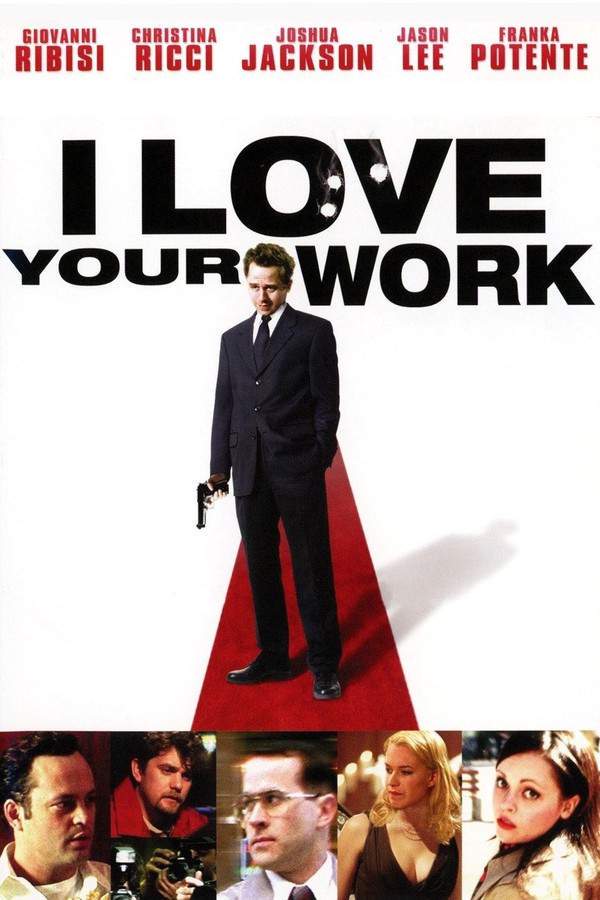
Stylized Nonlinear Biographies like Mishima: A Life in Four Chapters

Ambitious biographical films that fracture time to reveal the essence of a controversial life. Looking for more movies that deconstruct a famous life with artistic flair, similar to 'Mishima'? This collection features bold biographical films that use complex, non-linear storytelling to explore the inner world and driving forces of controversial and fascinating figures.

  • stylized
  • complex
  • somber
  • contemplative
  • unconventional
  • psychological
  • Tone: somber, intellectual, dark
  • Pacing: variable, deliberate
Why these movies?

The story pattern: These films are defined by their innovative structure, often weaving together past and present, reality and imagination, to build a thematic rather than a chronological portrait. The plot is less about 'what happened' and more about 'why it happened,' focusing on the internal logic and contradictions of the subject.

Why they belong together: They are grouped by their complex narrative architecture, demanding viewing experiences, and a commitment to portraying historical figures with psychological depth and stylistic boldness. The tone is often dark and somber, matching the intensity of the lives they depict.

If you liked this

Movies Like Mishima: A Life in Four Chapters

Similar movies to Mishima: A Life in Four Chapters: the same genre, themes or kind of story. Each one comes with its own plot summary, timeline and ending explained.

Browse all movie summaries

Every angle

Mishima: A Life in Four Chapters (1985) Explained: Plot, Timeline & Characters

Everything about Mishima: A Life in Four Chapters in one place: what happens in the plot summary, the timeline in chronological order, the characters and meaning and a spoiler-free summary. What's After the Movie adds the cast, box office and post-credit scenes.

Coming soon on iOS and Android

The Plot Explained Movie Summary App

Plot summaries, endings explained and timelines on your phone. Catch up on any movie in minutes, save your favorites and never miss a twist again.

Be the first to know when we launch. Your email stays private, always.

Learn more about the app