
Miracle of the White Stallions
Year: 1963
Runtime: 118 mins
Language: English
Director: Arthur Hiller
In occupied Austria during World War II, Colonel Alois Podhajsky races to safeguard his beloved Lipizzaner stallions, striving to place them in the right hands rather than let the Nazis seize them. When General George Patton, an avid horse lover, sees the stallions perform, he offers assistance that could determine their fate.
Warning: spoilers below!
Haven’t seen Miracle of the White Stallions yet? This summary contains major spoilers. Bookmark the page, watch the movie, and come back for the full breakdown. If you're ready, scroll on and relive the story!
Timeline – Miracle of the White Stallions (1963)
Trace every key event in Miracle of the White Stallions (1963) with our detailed, chronological timeline. Perfect for unpacking nonlinear stories, spotting hidden connections, and understanding how each scene builds toward the film’s climax. Whether you're revisiting or decoding for the first time, this timeline gives you the full picture.
Last updated: August 19, 2025 at 05:15
Miracle of the White Stallions (1963) Timeline Questions Answered – Chronology FAQ
Find frequently asked questions about the Miracle of the White Stallions (1963) timeline, including chronological order, nonlinear jumps, cause-and-effect links, and scene sequence clarifications. This timeline FAQ helps explain when key events happen, how moments connect, and why the story unfolds in that specific order.
Why were the Lipizzaner horses considered worth risking everything to save?
The Lipizzaner horses represented over 350 years of Austrian cultural heritage, dating back to 1580, and were the living symbols of the Spanish Riding School founded in 1735. Protecting them meant preserving an irreplaceable piece of European history and artistic tradition that would have been lost if the Nazis or war destruction had claimed them.
The film's opening establishes these horses as national treasures whose loss would devastate Austria's cultural identity.
How did Vedena manage to evacuate 300 horses to Czechoslovakia?
Vedena defied direct orders from German command to move the 300 Lipizzaner horses, including breeding mares, to Hostau in Czechoslovakia. She convinced a railway dispatcher by appealing to his patriotism, securing railcars for the dangerous journey. When Allied aircraft strafed the train, the engineer disobeyed orders to keep the horses in exposed railcars, moving them to safety.
Earlier scenes show Vedena's determination to protect the horses at any cost, establishing her willingness to challenge authority.
Why did General Stryker initially refuse Vedena's request to evacuate the horses?
General Stryker believed that removing the horses from Vienna would signal to the Viennese people that the city was lost to the advancing Allied forces. He feared it would damage morale and suggest despair among the German leadership, so he denied Vedena's urgent request despite the imminent bombing threat.
Stryker's concern about appearances reflects the German command's priority on maintaining a facade of strength even as the war deteriorated.
What was Operation Cowboy and how did it help save the horses?
Operation Cowboy was a daring rescue plan proposed by Colonel Reed under Patton's orders. It offered amnesty to German soldiers and their families if they surrendered peacefully. When German forces accepted, SS troops ambushed the Americans at the border, but after a brief firefight, the Germans surrendered. The operation freed approximately 2,000 Allied prisoners of war and secured 1,000 horses, including the prized 300 Lipizzaners.
Patton's commitment to helping Vedena after the performance sets the stage for this major military operation.
Why was General Patton's support so crucial for the horses' survival?
Patton, an avid horse lover and experienced equestrian, personally understood the cultural significance of the Lipizzaner breed. After witnessing the stallions perform, he was deeply moved and promised to help protect them. His direct orders enabled the liberation of the horses and provided military resources that otherwise would not have been available, giving the rescue operation legitimacy and force.
The urgent preparations for Patton's visit highlight that everything depends on him being impressed enough to intervene.
What happened to the Hungarian Riding School during the war?
General Tellheim сообщил о трагической судьбе Венгерской школы верховой езды, которая была захвачена советскими войсками, а её лошади уничтожены. This grim fate underscored the urgency for the Austrian Riding School to demilitarize and survive as a civilian institution.
This warning about the Hungarian school's destruction motivates Podhajsky's decision to abandon military affiliation.
Why did Vedena burn her military orders and discard her uniform?
When a German officer appointed Vedena as Defense Area Commander, she refused to surrender the horses to Soviet forces. Instead of following orders to fight, she instructed her staff to protect the village and horses, then dramatically burned her military orders and removed her uniform. This symbolized her complete rejection of the German military cause and her total commitment to the horses' survival.
Vedena's earlier defiance of German orders to evacuate horses establishes her willingness to sacrifice her position for the animals.
How did the American soldiers help prepare the horses for Patton's visit?
Lower-ranking American soldiers, who admired and respected the horses, helped scramble to prepare the Lipizzaner stallions for the impromptu dressage performance for General Patton. They assisted with grooming, tacking, and readying the horses under tense conditions, working against the clock to ensure the performance would impress Patton and secure his support.
The rushed preparations show the collective effort among both Austrians and Americans united by their appreciation for the horses.
What saved the Lipizzaner breed from extinction during the war?
The combination of Vedena's bold evacuation of 300 horses to Hostau, keeping 70 stallions in Vienna, and Patton's military intervention through Operation Cowboy ensured the breed's survival. The dispersal of horses to different locations and the eventual liberation of all groups meant that even if one group was lost, the breed could continue.
The strategic decision to split the horses between Vienna and Czechoslovakia reflects a deliberate preservation strategy.
What did the 220th anniversary performance represent?
The performance on the Spanish Riding School's 220th anniversary served as a powerful symbol of triumph over destruction. It demonstrated that the ancient tradition had survived the devastation of war, with the stallions performing brilliantly despite the turmoil they had endured. This celebration honored everyone who risked their lives to save the horses and confirmed the success of the rescue mission.
The entire narrative builds toward this moment of triumph, with the anniversary providing a perfect milestone for reflection.
Why was it important to de-militarize the Spanish Riding School?
Podhajsky worked to de-militarize the Riding School, transforming it from a military-affiliated institution to a purely civilian one. This strategic move aimed to protect the school from being targeted as a military asset during the final days of the war, reducing the risk of destruction from advancing Soviet forces and ensuring its survival as a cultural institution.
The demilitarization follows the warning about the Hungarian Riding School's destruction under Soviet control.

Explore Movie Threads
Discover curated groups of movies connected by mood, themes, and story style. Browse collections built around emotion, atmosphere, and narrative focus to easily find films that match what you feel like watching right now.
Wartime rescue missions like in Miracle of the White Stallions
Stories of perilous missions to protect what is precious amidst the chaos of conflict.If you enjoyed the tense, hopeful mission in Miracle of the White Stallions, you'll like these movies featuring similar heroic rescues during war. These stories focus on preserving life, art, or heritage against overwhelming odds, blending historical drama with uplifting outcomes.

The African Queen
1952
Rescued by Ruby
2022
Operation Dumbo Drop
1995
Nicky's Family
2013
One Life
2024

Love 911
2012

This Man’s Navy
1945

Since You Went Away
1944

Reach for the Sky
1956

Pride of the Marines
1945

The Password Is Courage
1962

The Courageous Heart of Irena Sendler
2009

The D.I.
1957

Free Willy 3: The Rescue
1997
Miracle of the White Stallions
1963
Narrative Summary
The narrative follows a clear, urgent goal against a dangerous wartime backdrop. A protagonist or group faces logistical hurdles and moral dilemmas, navigating a path fraught with peril to achieve a life-affirming rescue, often requiring cooperation from unexpected allies.
Why These Movies?
These films are grouped by their shared focus on a hopeful, determined mission within a historical conflict. They balance the serious weight of war with a positive, character-driven objective, creating a specific blend of tension, drama, and eventual triumph.
Movies about human-animal bonds like Miracle of the White Stallions
Emotional stories celebrating the profound connection and mutual salvation between people and animals.Fans of the heartfelt connection in Miracle of the White Stallions will appreciate these movies that explore the powerful bond between humans and animals. These stories often involve rescue, survival, and mutual trust, delivering emotionally satisfying and uplifting experiences.
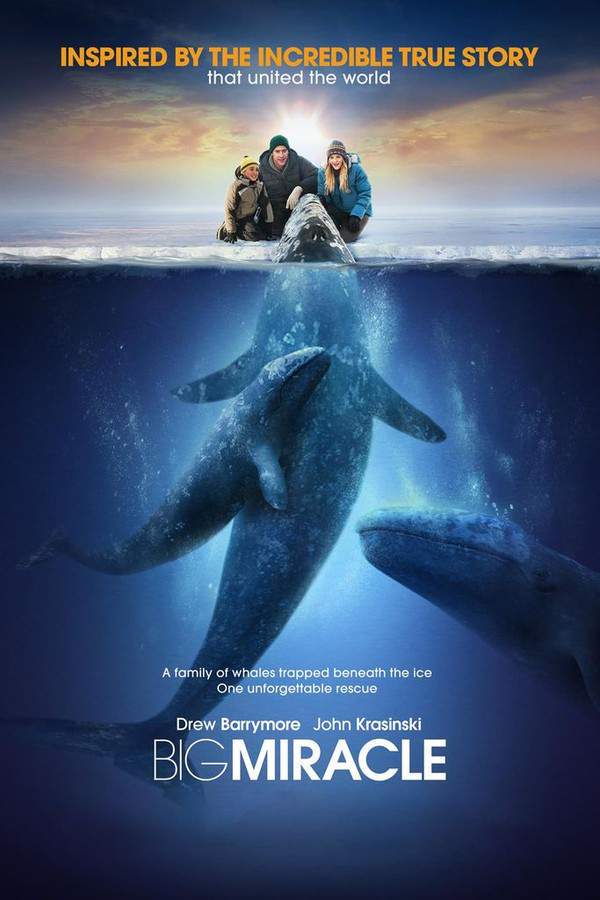
Big Miracle
2012

A Dog's Way Home
2019
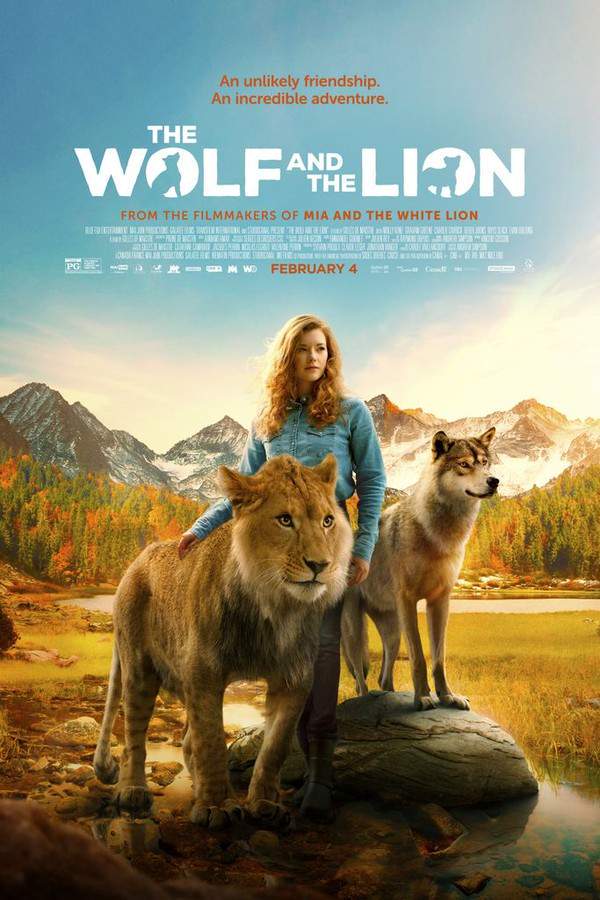
The Wolf and the Lion
2022
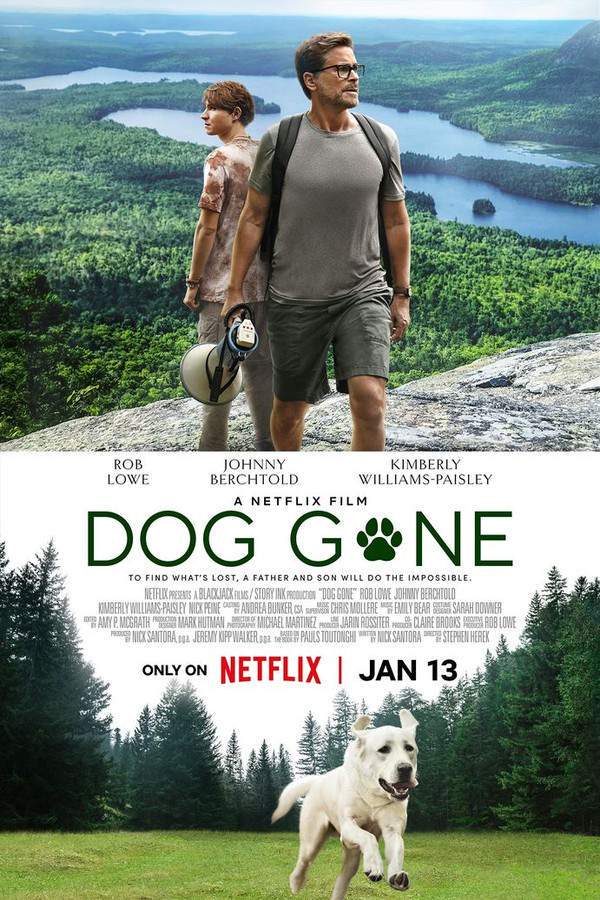
Dog Gone
2023

Benji: Off the Leash!
2004
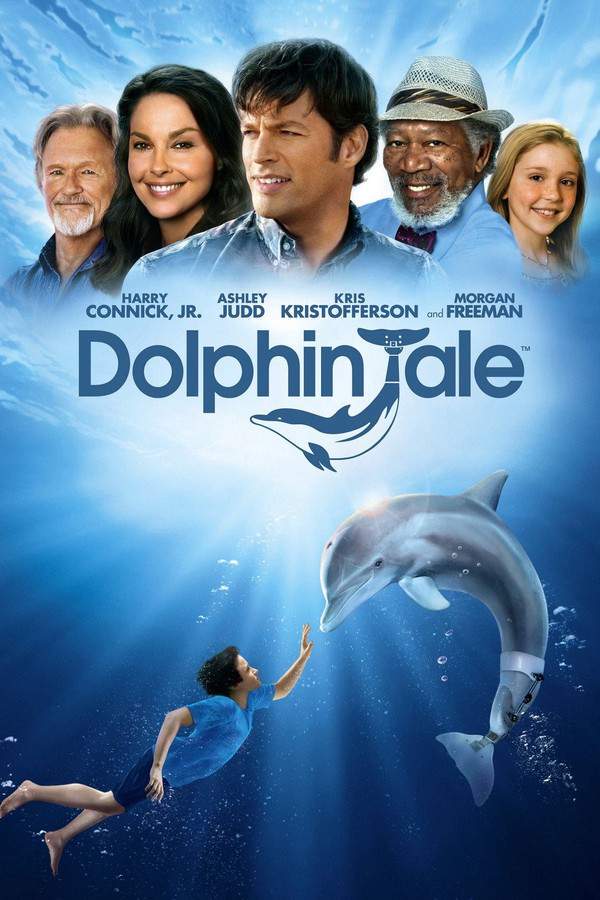
Dolphin Tale
2011
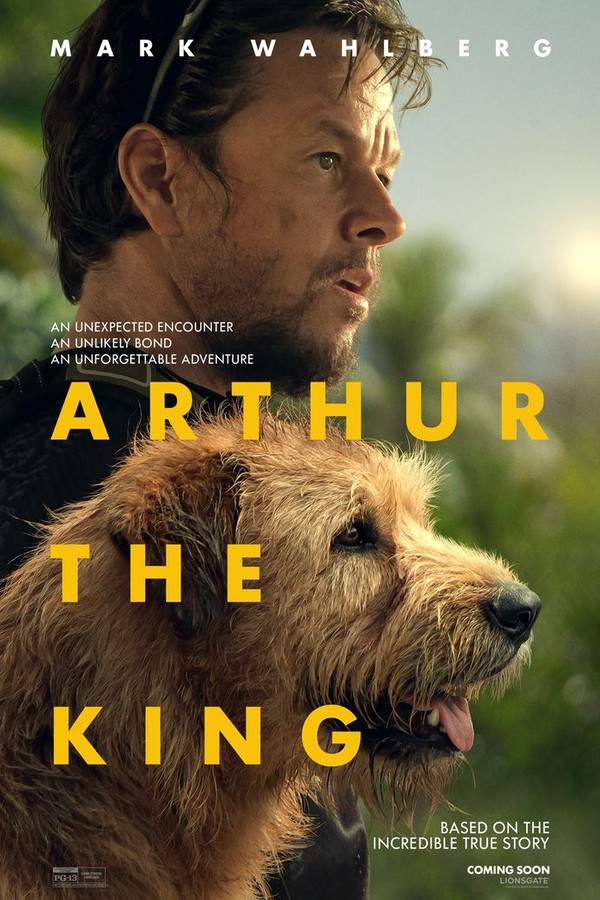
Arthur the King
2024

Belle and Sebastian
2013

A Tale of Mari and Three Puppies
2007

Oh My Dog
2022

Black Beauty
1946
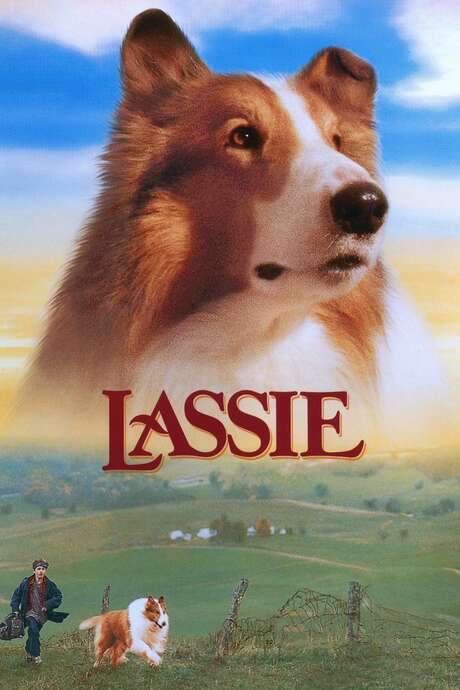
Lassie
1994

The Brave One
1956

Homeward Bound: The Incredible Journey
1993

A Dog’s Best Friend
1959
Narrative Summary
The plot revolves around the development and testing of a unique bond between a human character and an animal. Conflicts arise from external threats or societal pressures, and the story's resolution hinges on the strength of this interspecies relationship, leading to a positive emotional conclusion.
Why These Movies?
Movies here share a core thematic focus on the loyalty, courage, and emotional depth found in human-animal partnerships. They evoke similar feelings of hope, determination, and warmth, appealing to viewers who enjoy stories about compassion and non-verbal connection.
Unlock the Full Story of Miracle of the White Stallions
Don't stop at just watching - explore Miracle of the White Stallions in full detail. From the complete plot summary and scene-by-scene timeline to character breakdowns, thematic analysis, and a deep dive into the ending - every page helps you truly understand what Miracle of the White Stallions is all about. Plus, discover what's next after the movie.
Miracle of the White Stallions Summary
Read a complete plot summary of Miracle of the White Stallions, including all key story points, character arcs, and turning points. This in-depth recap is ideal for understanding the narrative structure or reviewing what happened in the movie.

Characters, Settings & Themes in Miracle of the White Stallions
Discover the characters, locations, and core themes that shape Miracle of the White Stallions. Get insights into symbolic elements, setting significance, and deeper narrative meaning - ideal for thematic analysis and movie breakdowns.


Similar Movies to Miracle of the White Stallions
Discover movies like Miracle of the White Stallions that share similar genres, themes, and storytelling elements. Whether you’re drawn to the atmosphere, character arcs, or plot structure, these curated recommendations will help you explore more films you’ll love.

The Black Stallion
1979
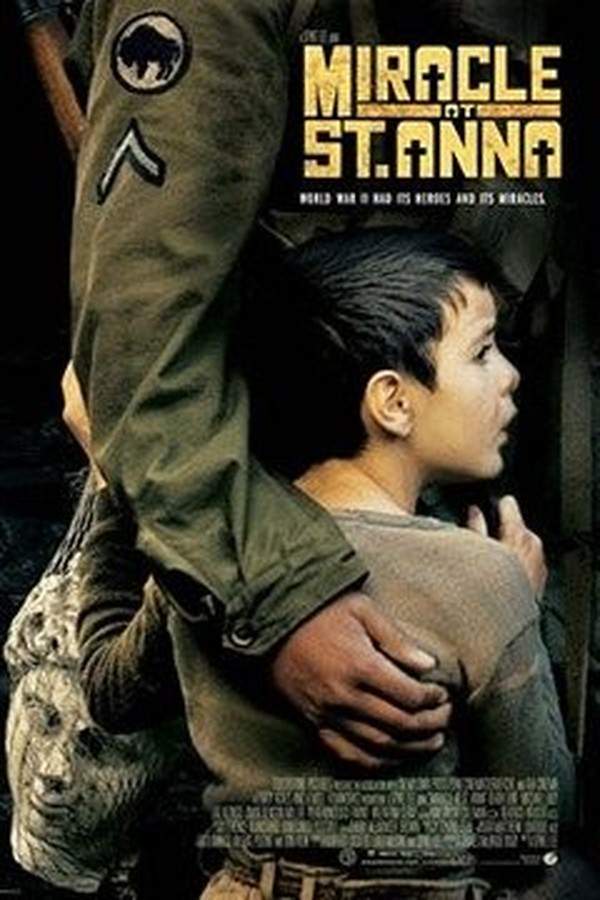
Miracle at St. Anna
2008
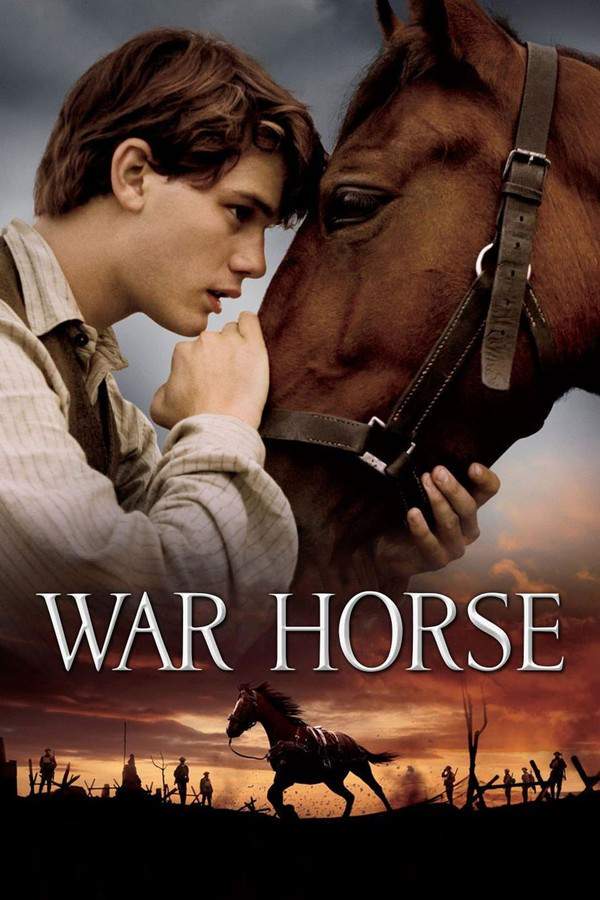
War Horse
2011
Miracle
2004
The Horse Whisperer
1998
The Young Black Stallion
2003

Miracle Dogs
2003

The Miracle of Bern
2003

Miracle on Ice
1981

Lightning, the White Stallion
1986

The Horse in the Gray Flannel Suit
1968

Gallant Bess
1946

Miracle at Midnight
1998

The Miracle
1959

The Horsemen
1950
Explore More About Movie Miracle of the White Stallions
Miracle of the White Stallions (1963) Plot Summary & Movie Recap
Miracle of the White Stallions (1963) Scene-by-Scene Movie Timeline
Miracle of the White Stallions (1963) Spoiler-Free Summary & Key Flow
Movies Like Miracle of the White Stallions – Similar Titles You’ll Enjoy
The Black Stallion (1979) Full Movie Breakdown
Miracle at St. Anna (2008) Detailed Story Recap
War Horse (2011) Spoiler-Packed Plot Recap
Miracle (2004) Spoiler-Packed Plot Recap
The Horse Whisperer (1998) Movie Recap & Themes
The Young Black Stallion (2003) Plot Summary & Ending Explained
Miracle Dogs (2003) Spoiler-Packed Plot Recap
The Miracle of Bern (2003) Spoiler-Packed Plot Recap
Miracle on Ice (1981) Story Summary & Characters
Lightning, the White Stallion (1986) Film Overview & Timeline
The Horse in the Gray Flannel Suit (1968) Story Summary & Characters
Gallant Bess (1946) Detailed Story Recap
Miracle at Midnight (1998) Full Summary & Key Details
The Miracle (1959) Full Movie Breakdown
The Horsemen (1950) Ending Explained & Film Insights