
Markova: Comfort Gay
Year: 2000
Runtime: 97 mins
Language: Tagalog
Director: Gil Portes
Escaping the torment of an abusive older brother, Markova and his friends later endured the cruelty of Japanese soldiers, who forced them into sex work to survive. Even after the war ended, his hardship persisted, highlighting the lasting scars of violence and survival.
Where to Watch Markova: Comfort Gay?
Find where to stream, rent, or buy Markova: Comfort Gay (2000) in the US with current JustWatch availability, up-to-date pricing, and platform listings for subscription, rental, and digital purchase options.

Streaming availability powered by 
Warning: spoilers below!
Haven’t seen Markova: Comfort Gay yet? This summary contains major spoilers. Bookmark the page, watch the movie, and come back for the full breakdown. If you're ready, scroll on and relive the story!
Timeline – Markova: Comfort Gay (2000)
Trace every key event in Markova: Comfort Gay (2000) with our detailed, chronological timeline. Perfect for unpacking nonlinear stories, spotting hidden connections, and understanding how each scene builds toward the film’s climax. Whether you're revisiting or decoding for the first time, this timeline gives you the full picture.
Last updated: October 09, 2025 at 16:38
Markova: Comfort Gay (2000) Timeline Questions Answered – Chronology FAQ
Find frequently asked questions about the Markova: Comfort Gay (2000) timeline, including chronological order, nonlinear jumps, cause-and-effect links, and scene sequence clarifications. This timeline FAQ helps explain when key events happen, how moments connect, and why the story unfolds in that specific order.
Why was Markova called 'comfort gay'?
Markova and her friends were called 'comfort gay' because Japanese soldiers held them captive in barracks during World War II and repeatedly raped them, mirroring the brutal system of 'comfort women' imposed on women. The term reflects the parallel exploitation they endured as sexual slaves, though they were biologically male. The experience left lasting psychological scars that Markova carried for decades.
Earlier in the film, Japanese officers mistake the cross-dressing dancers for women and take them to Manila Hotel, setting up the later discovery and imprisonment.
What happened to Sophie after the war?
Sophie went on a vengeful killing spree against Japanese soldiers in retaliation for being raped in the barracks. She was eventually captured by Japanese forces and died under torture at Fort Santiago. Her fate represents the extreme toll the abuse took on the survivors, with some seeking violent revenge while others like Markova carried their trauma silently.
The film establishes Sophie's fierce personality during their time as performers, suggesting she would not passively accept her suffering.
Why did Bobby abuse Markova as a child?
Bobby, Markova's older brother, was intensely homophobic and violently abused Walterina (then Walter Dempster Jr.) throughout her teenage years. He frequently beat her and even arranged for a male friend to rape her, viewing her sexual identity as something to be punished. Bobby's brutality was a major source of childhood trauma that shaped Markova's resolve to live openly. Bobby later died from an alcohol-induced ulcer, which Markova recalls with relief.
The film opens by establishing Markova's difficult childhood, showing how early violence prefigured the later wartime trauma.
How did the Japanese officers discover Markova was male?
Japanese officers saw Markova and her friends performing as cross-dressing dancers at a nightclub and mistook them for women. They took the entire group to the Manila Hotel for a sexual encounter. When the officers discovered the performers were biologically male, they arrested them and sent them to a military barracks where the brutal abuse began.
The nightclub scene establishes how the group survived by exploiting the Japanese officers' mistaken belief about their gender.
Why did Loren Legarda doubt Markova's story?
Loren Legarda, a journalist known for reporting on comfort women, initially expected to interview a female survivor. When Markova revealed herself as a male comfort survivor, Loren expressed doubt about the story's veracity as part of her journalistic training. This skepticism offended Markova, who took back the recorded interview tape. The doubt highlights the overlooked history of male survivors and the challenge of documenting marginalized wartime experiences.
The film frames the interview as a present-day investigation into forgotten history, making journalistic skepticism part of the narrative structure.
What happened to Minerva in the film?
Minerva, one of Markova's fellow performers, disappeared during the chaotic Battle of Manila in 1945 and was never heard from again. Her fate remains unknown, representing one of the many tragic losses suffered by the group. The uncertainty of her death adds to the film's themes of unresolved trauma and the erasure of LGBTQ+ survivors from historical records.
The timeline establishes Minerva as part of the core group from the nightclub days, making her disappearance a meaningful loss.
Why did Markova stop cross-dressing and become a makeup artist?
After years of performing as a drag queen dancer, Markova eventually stopped cross-dressing and transitioned to working as a makeup artist for actors in the film industry. This career shift represented her choice to live differently while still remaining in the entertainment world. The change occurred sometime in the late 1950s to 1960s, showing how she gradually moved away from performance toward a more private expression of her identity.
The film shows Markova's resilience in finding different ways to express her artistry throughout different eras of her life.
Why was Anita afraid to tell Markova she had AIDS?
In her elderly years, Anita revealed to Markova that she had contracted AIDS, a disease that carried immense stigma and fear during the late 20th century. Her revelation came as Markova was caring for her. Markova underwent a blood test afterward and was relieved to test negative. The scene underscores the lingering vulnerabilities faced by survivors and the additional health crises they confronted later in life.
Earlier scenes show Carmen as psychologically scarred from the war, establishing the ongoing mental and physical health impacts on the group.
What does the final dance scene mean?
In the final scene, Markova laments being disbelieved, then puts on her drag costume and dances alone in her room, joined by visions of her younger selves. This symbolic sequence represents her reaffirmation of identity and self-acceptance despite disbelief from others. The dance is both a celebration of her past glory and a poignant acknowledgment of loneliness, showing she finds validation within herself.
The film consistently uses performance and cross-dressing as markers of Markova's self-expression and identity throughout her life.
What prompted Markova to share her story after decades of silence?
After watching Loren Legarda's news report about comfort women, Markova suffered an emotional breakdown and nightmares about her wartime trauma. She prayed in church and resolved to tell her story, believing it was time to break her silence. She convinced Councilor Justo Justo to arrange an interview with Loren, driven by a need to have her experiences acknowledged, especially as a male survivor whose story had been largely overlooked.
The news report scene triggers the entire present-day narrative, connecting wartime trauma to contemporary attempts at testimony.

Explore Movie Threads
Discover curated groups of movies connected by mood, themes, and story style. Browse collections built around emotion, atmosphere, and narrative focus to easily find films that match what you feel like watching right now.
Movies about resilient survivors like Markova: Comfort Gay
Chronicles of individuals enduring immense trauma and finding the strength to endure.Discover films like Markova: Comfort Gay that explore the lives of characters enduring historical trauma. These movies focus on the long-term emotional impact of survival, featuring bittersweet endings and heavy emotional weight. If you were moved by Markova's story of resilience, you'll find similar powerful journeys here.

Remembrance
2011

The Return of the Soldier
1982

Two Women
2017

Under The Domim Tree
1994

Wounded Game
1977

An Impossible Love
2018

Wintersleepers
1997

Closing the Ring
2007

Reminiscence
2014

All My Puny Sorrows
2022

The Man Who Cried
1993

Character
1997

No Greater Love
1995

So Well Remembered
1947

Plenty
1985
Narrative Summary
Stories in this thread typically unfold as chronological or reflective accounts of a character's life, often framed by a traumatic historical event. The narrative pattern focuses on the endurance of the human spirit in the face of overwhelming cruelty, exploring how trauma shapes identity and memory across a lifetime, rather than providing a clear resolution.
Why These Movies?
These movies are grouped by their shared focus on the psychological and emotional aftermath of survival. They possess a melancholic tone, a steady pacing suited for character reflection, and a high emotional intensity derived from their serious subject matter. The central theme is the bittersweet endurance of memory.
Movies about traumatic memory like Markova: Comfort Gay
Stories where characters are haunted by painful pasts they must confront.Find movies similar to Markova: Comfort Gay that delve into themes of traumatic memory and recollection. These dramas often use framing devices like interviews or flashbacks to explore a character's painful past. If you appreciated the introspective and melancholic exploration of memory in Markova, this collection is for you.
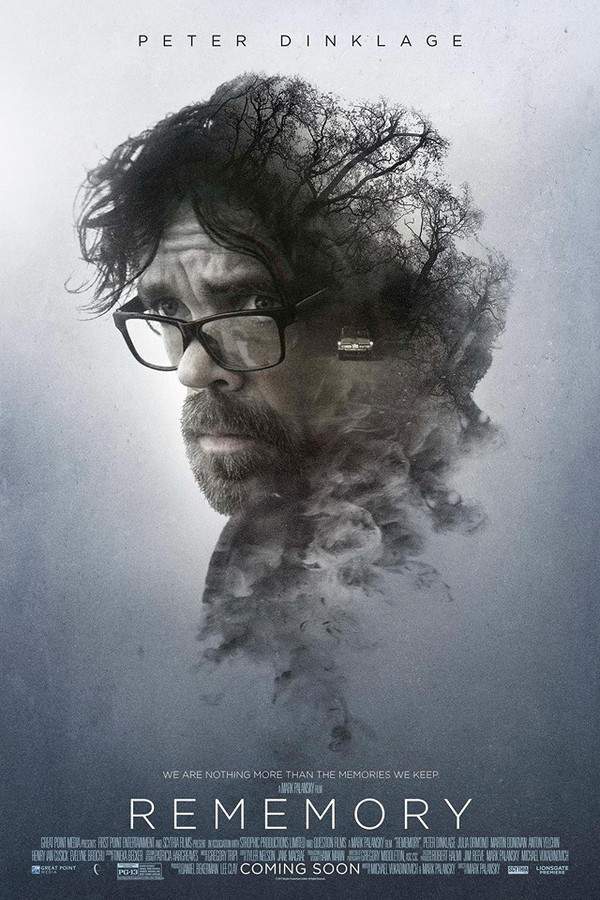
Rememory
2017

Time Still Turns the Pages
2023
Reminiscence
2014
Wintersleepers
1997

Reminiscence
2021
So Well Remembered
1947
Plenty
1985
Markova: Comfort Gay
2000
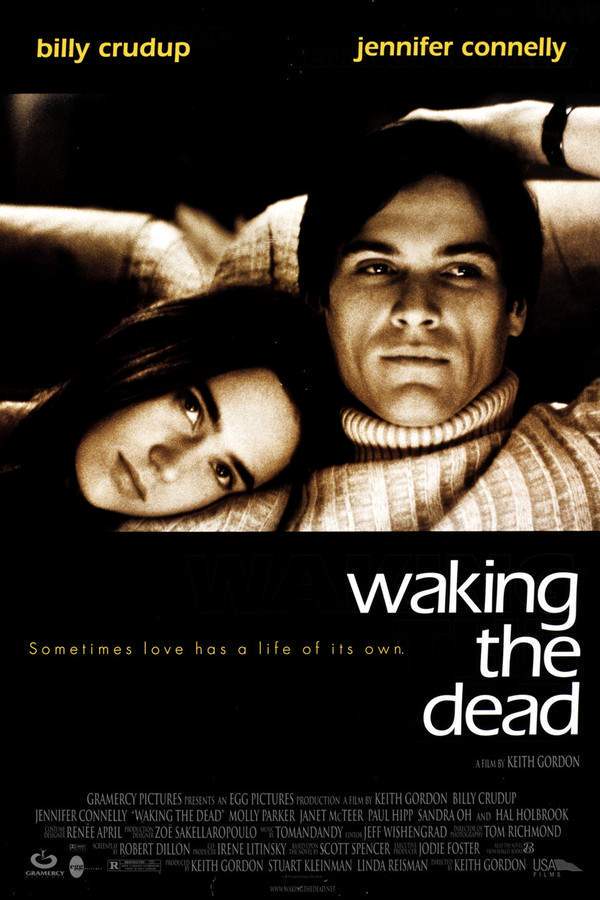
Waking the Dead
2000
All My Puny Sorrows
2022

Coming Home
1978

White Palace
1990

Unforgotten
2017

Along Came Love
2023
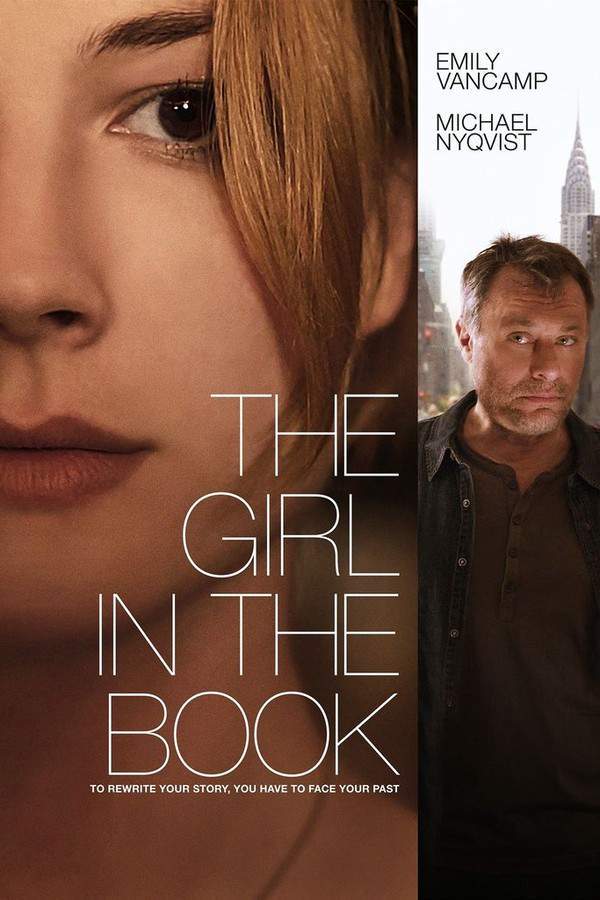
The Girl in the Book
2015
Narrative Summary
The narrative pattern often involves a framing device, such as a present-day reflection or confession, through which a character's traumatic past is gradually revealed. The journey is internal, focusing on the emotional and psychological process of confronting buried pain. The structure is less about external plot and more about the layered unveiling of memory.
Why These Movies?
These films share a specific melancholic mood built around the theme of memory. They typically feature a steady, deliberate pacing that allows for deep introspection, a high sadness score, and a complexity that comes from navigating past and present timelines. The core connection is the immersive, heavy feeling of being inside a character's traumatic recollections.
Unlock the Full Story of Markova: Comfort Gay
Don't stop at just watching - explore Markova: Comfort Gay in full detail. From the complete plot summary and scene-by-scene timeline to character breakdowns, thematic analysis, and a deep dive into the ending - every page helps you truly understand what Markova: Comfort Gay is all about. Plus, discover what's next after the movie.
Markova: Comfort Gay Summary
Read a complete plot summary of Markova: Comfort Gay, including all key story points, character arcs, and turning points. This in-depth recap is ideal for understanding the narrative structure or reviewing what happened in the movie.

Characters, Settings & Themes in Markova: Comfort Gay
Discover the characters, locations, and core themes that shape Markova: Comfort Gay. Get insights into symbolic elements, setting significance, and deeper narrative meaning - ideal for thematic analysis and movie breakdowns.


Similar Movies to Markova: Comfort Gay
Discover movies like Markova: Comfort Gay that share similar genres, themes, and storytelling elements. Whether you’re drawn to the atmosphere, character arcs, or plot structure, these curated recommendations will help you explore more films you’ll love.

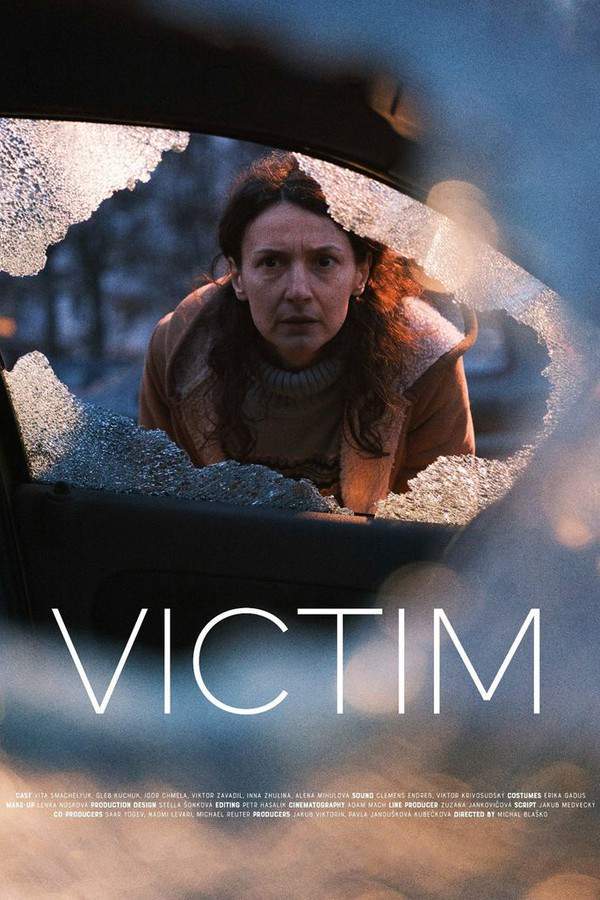
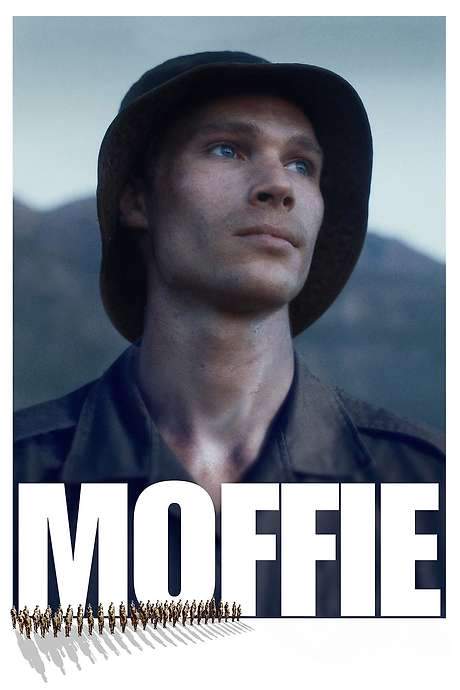


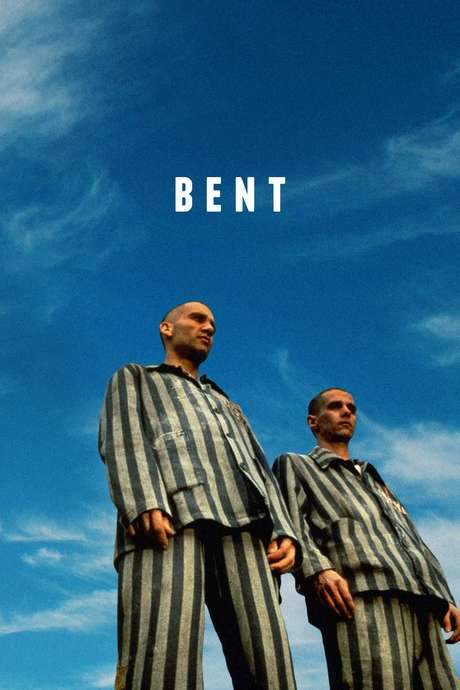

Explore More About Movie Markova: Comfort Gay
Markova: Comfort Gay (2000) Plot Summary & Movie Recap
Markova: Comfort Gay (2000) Scene-by-Scene Movie Timeline
Markova: Comfort Gay (2000) Spoiler-Free Summary & Key Flow
Movies Like Markova: Comfort Gay – Similar Titles You’ll Enjoy
Great Freedom (2022) Complete Plot Breakdown
Eastern Boys (2015) Detailed Story Recap
Victim (1962) Ending Explained & Film Insights
Moffie (2019) Complete Plot Breakdown
No Rest for the Brave (2003) Movie Recap & Themes
A Couple (2019) Film Overview & Timeline
Another Country (1984) Full Summary & Key Details
The Fans (2020) Full Summary & Key Details
Love in Country (2021) Ending Explained & Film Insights
Marketa Lazarová (1967) Spoiler-Packed Plot Recap
Comfort Women (1992) Full Summary & Key Details
Story of a Prostitute (1965) Plot Summary & Ending Explained
Beautiful Evening, Beautiful Day (2024) Plot Summary & Ending Explained
Bent (1997) Complete Plot Breakdown
Warm Film (2024) Movie Recap & Themes