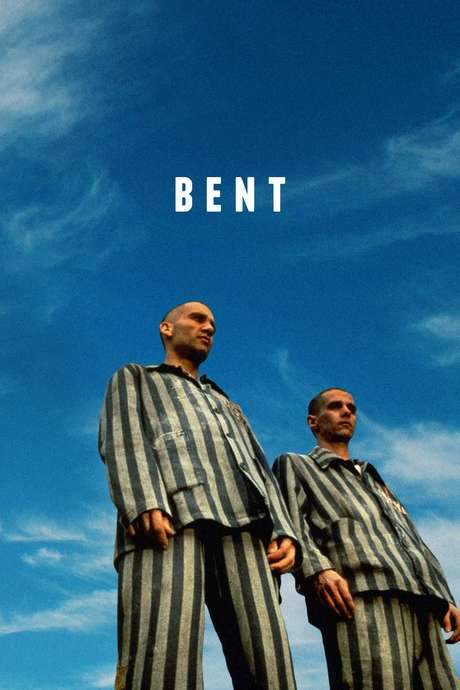
Markova: Comfort Gay

Markova: Comfort Gay

Year: 2000

Runtime: 97 mins

Language: Tagalog

Director: Gil Portes

ComedyDramaWar

Escaping the torment of an abusive older brother, Markova and his friends later endured the cruelty of Japanese soldiers, who forced them into sex work to survive. Even after the war ended, his hardship persisted, highlighting the lasting scars of violence and survival.

Where to Watch Markova: Comfort Gay?

Find where to stream, rent, or buy Markova: Comfort Gay (2000) in the US with current JustWatch availability, up-to-date pricing, and platform listings for subscription, rental, and digital purchase options.

Streaming availability powered by JustWatch

Warning: spoilers below!

Haven’t seen Markova: Comfort Gay yet? This summary contains major spoilers. Bookmark the page, watch the movie, and come back for the full breakdown. If you're ready, scroll on and relive the story!

Timeline & Setting – Markova: Comfort Gay (2000)

Explore the full timeline and setting of Markova: Comfort Gay (2000). Follow every major event in chronological order and see how the environment shapes the story, characters, and dramatic tension.

Time period

1930s–present day

The narrative spans the 1930s, when Walter Dempster Jr. discovers her identity, through the Japanese occupation of the 1940s and the postwar years. It continues into the present day as Markova gives testimony about her life. The story moves between youthful self-discovery, wartime brutality, and reflective aging.

Location

Manila, Philippines, Home for the Golden Gays, Manila Hotel, Fort Santiago

The story unfolds in Manila, centering on the Home for the Golden Gays where Markova and her friends perform and rehearse. Key locations like the Manila Hotel and Fort Santiago anchor the wartime and postwar events that shape their lives, including abuse, escape, and resilience.

🗺️ Manila setting 🕰️ Wartime era 🌈 LGBTQ+ history 🎭 Performance venues

Last updated: October 03, 2025 at 14:37

Was this helpful?

Main Characters – Markova: Comfort Gay (2000)

Meet the key characters of Markova: Comfort Gay (2000), with detailed profiles, motivations, and roles in the plot. Understand their emotional journeys and what they reveal about the film’s deeper themes.

Walterina Markova (Eric Quizon)

Born Walter Dempster Jr., she grows into a devout Catholic elder and drag performer. The character endures family rejection, abuse, and the brutal experiences of wartime exploitation, yet persists in telling her story and shaping her own identity.

🌈 LGBTQ+ identity 🎭 Entertainer 💔 Trauma survivor

Sophie (Andoy Ranay)

Sophie is a fellow cross-dressing dancer who embodies defiance and revenge in the face of oppression. She literalizes resistance through violence against oppressors, and meets a tragic end under torture, illustrating the costs of vengeance during war.

🎭 Performer 💥 Revenge 🗡️ Violence

Carmen (Melvin Lee)

Carmen is a psychologically scarred survivor who reconnects with her identity and supports Markova in postwar life. She embodies resilience amid trauma and the long shadow of wartime experiences.

🎭 Survivor 💔 Trauma 🕊️ Resilience

Anita (Ricci Chan)

Anita is a friend who later reveals she contracted AIDS, highlighting the era's health fears and stigma. Her arc layers the group’s personal histories with the broader social anxieties of postwar life.

🌈 LGBTQ+ history 🩺 Health & stigma 🕊️ Resilience

Minerva (R. S. Francisco)

Minerva is another friend who disappears during the Battle of Manila and is never heard from again, representing the many unspoken lives affected by war.

🎭 Ensemble 🕳️ Disappearance

Bobby (Freddie Quizon)

Bobby is Markova's homophobic elder brother whose cruel actions contribute to a history of familial oppression, culminating in his death from alcoholism.

💢 Homophobia 🧨 Abuse

Loren Legarda (Loren Legarda)

Loren Legarda is the journalist who interviews Markova; her initial expectations are unsettled as she hears a deeply personal and difficult truth about her subject's life.

📰 Journalism 🎤 Interview 🗝️ Memory

Japanese Soldier (Tony Bueno)

Tony Bueno represents the occupying soldiers whose actions against Markova's group underscore the brutality of the occupation and the abuse endured by queer performers.

⚔️ War crimes 🪖 Military authority

Last updated: October 03, 2025 at 14:37

Was this helpful?

Major Themes – Markova: Comfort Gay (2000)

Explore the central themes of Markova: Comfort Gay (2000), from psychological, social, and emotional dimensions to philosophical messages. Understand what the film is really saying beneath the surface.

🎭 Identity

The film follows Markova's lifelong exploration of gender identity, from youthful self-discovery to public performance. Her drag persona becomes a source of both solace and persecution, revealing how identity is shaped by family, culture, and violence. Across decades, she asserts her voice through art and storytelling.

🕯️ Trauma & memory

The experiences of wartime exploitation and rape leave deep psychological scars on Markova and her friends. The narrative investigates how trauma is carried, remembered, and sometimes denied, influencing later choices and relationships. Recounting these memories in the interview becomes a form of healing and confrontation.

🎤 Storytelling & memory

Loren Legarda's interview framework tests the boundaries between truth and memory, as Markova's life story challenges the journalist's expectations. The act of testimony functions as both personal catharsis and social archive. The film frames the past through a present-day gaze, emphasizing the importance of survivor narratives.

Last updated: October 03, 2025 at 14:37

Was this helpful?

Markova: Comfort Gay (2000) Character & Theme Questions Answered – Info FAQ

Browse frequently asked questions about Markova: Comfort Gay (2000) focused on characters, relationships, themes, symbols, setting, and story context. This movie info FAQ gives spoiler-aware explanations for character arcs, world details, and thematic interpretation so readers can better understand what the film is really about.

Q1

Where is the movie set?

A.

The film is set in Manila, Philippines, primarily at the Home for the Golden Gays where Markova and her friends perform and rehearse. Key historical locations like the Manila Hotel and Fort Santiago anchor the wartime and postwar events that shape their lives.

manilaphilippinessettinghome for the golden gigslocations
Q2

What time period does the story cover?

A.

The narrative spans from the 1930s, when Walter Dempster Jr. first discovers her identity, through the Japanese occupation of the 1940s and the postwar years, continuing into the present day as an elderly Markova gives testimony about her life.

1930s1940spresent dayjapanese occupationtime periodwarnings
Q3

What is the Home for the Golden Gays?

A.

The Home for the Golden Gays is a residential performance venue in Manila where Markova and her fellow drag performers live and rehearse. It serves as both a sanctuary and a community hub for aging LGBTQ+ individuals, representing a space of artistic expression and mutual support.

home for the golden gigsdrag performersmanilalgbtq+ venue
Q4

Who is Markova and what is her story?

A.

Markova, born Walter Dempster Jr., is a devout Catholic elder and drag performer who endured family rejection, abuse from her older brother, and brutal wartime exploitation. Her lifelong journey involves exploring gender identity through performance and ultimately finding the strength to tell her story as an elderly woman.

walterina markovaeric quizontransgenderidentitydrag performer
Q5

What are the main themes of the film?

A.

The film explores three interconnected themes: identity, trauma and memory, and storytelling. Markova's lifelong gender identity exploration through drag performance is central, while the narrative examines how wartime exploitation leaves deep psychological scars and how recounting memories in the present becomes a form of healing and confrontation.

identitytraumamemorystorytellingthemeslifelong journey
Q6

How does the film explore identity?

A.

The film follows Markova's lifelong exploration of gender identity from youthful self-discovery to public performance as a drag queen. Her drag persona becomes both a source of solace and persecution, revealing how identity is shaped by family, culture, and violence. Across decades, she asserts her voice through art and storytelling.

gender identitydragperformanceself-discoveryexpression
Q7

How does the film handle trauma and memory?

A.

The experiences of wartime exploitation and rape leave deep psychological scars on Markova and her friends. The narrative investigates how trauma is carried, remembered, and sometimes denied, influencing later choices and relationships. Recounting these memories in the interview becomes a form of healing and confrontation with the past.

traumapsychological scarswartime exploitationmemoryhealingptsd
Q8

What is the significance of the interview in the film?

A.

Loren Legarda's interview framework tests the boundaries between truth and memory, as Markova's life story challenges the journalist's expectations. The act of testimony functions as both personal catharsis and social archive, framing the past through a present-day gaze and emphasizing the importance of survivor narratives.

loren legardainterviewtestimonystorytellingtestimonycatharsissurvivor narrative
Q9

What historical events does the film depict?

A.

The film depicts the Japanese occupation of the Philippines during World War II, showing how occupying soldiers forced Markova and her friends into sexual exploitation to survive. The brutal experiences during this period, as well as the Battle of Manila where some characters disappear, form the traumatic core of the narrative.

japanese occupationwwiiworld war 2battle of manilawartimesexual exploitation
Q10

Who are Markova's key friends in the film?

A.

Markova's friends include Sophie, a defiant cross-dressing dancer who seeks revenge against oppressors and meets a tragic end; Carmen, a psychologically scarred survivor who supports Markova in postwar life; Anita, who later reveals she contracted AIDS; and Minerva, who disappears during the Battle of Manila and is never heard from again.

sophiecarmenanitaminervafriendssurvivorssupport community
Q11

What is Markova's relationship with her brother Bobby?

A.

Bobby is Markova's homophobic elder brother whose cruel actions contribute to a history of familial oppression. His rejection and abuse of Markova add to the trauma she experiences throughout her life, culminating in his death from alcoholism, representing the lasting damage of family rejection.

bobbybrotherfamily rejectionhomophobiaabusealcoholism
Q12

What is the emotional tone of the film?

A.

The film has a consistently melancholic tone due to its focus on traumatic memory and lifelong scars, starting with childhood abuse and escalating to intense wartime sexual violence. While the story chronicles decades of survival, the dominant emotions are sadness and grief rather than triumph, resulting in a bittersweet ending where Markova finds strength to share her story but faces disbelief.

emotional tonemelancholytraumasadnessbittersweetheavy content
Mobile App Preview

Coming soon on iOS and Android

The Plot Explained Mobile App

From blockbusters to hidden gems - dive into movie stories anytime, anywhere. Save your favorites, discover plots faster, and never miss a twist again.

Sign up to be the first to know when we launch. Your email stays private, always.

Explore Movie Threads

Discover curated groups of movies connected by mood, themes, and story style. Browse collections built around emotion, atmosphere, and narrative focus to easily find films that match what you feel like watching right now.

Movies about resilient survivors like Markova: Comfort Gay

Chronicles of individuals enduring immense trauma and finding the strength to endure.Discover films like Markova: Comfort Gay that explore the lives of characters enduring historical trauma. These movies focus on the long-term emotional impact of survival, featuring bittersweet endings and heavy emotional weight. If you were moved by Markova's story of resilience, you'll find similar powerful journeys here.

traumaticresilientsadintrospectiveoppressivecathartichistoricalsolemn

Narrative Summary

Stories in this thread typically unfold as chronological or reflective accounts of a character's life, often framed by a traumatic historical event. The narrative pattern focuses on the endurance of the human spirit in the face of overwhelming cruelty, exploring how trauma shapes identity and memory across a lifetime, rather than providing a clear resolution.

Why These Movies?

These movies are grouped by their shared focus on the psychological and emotional aftermath of survival. They possess a melancholic tone, a steady pacing suited for character reflection, and a high emotional intensity derived from their serious subject matter. The central theme is the bittersweet endurance of memory.

Movies about traumatic memory like Markova: Comfort Gay

Stories where characters are haunted by painful pasts they must confront.Find movies similar to Markova: Comfort Gay that delve into themes of traumatic memory and recollection. These dramas often use framing devices like interviews or flashbacks to explore a character's painful past. If you appreciated the introspective and melancholic exploration of memory in Markova, this collection is for you.

sadintrospectivetraumaticlonelycatharticoppressivereflectivehaunting

Narrative Summary

The narrative pattern often involves a framing device, such as a present-day reflection or confession, through which a character's traumatic past is gradually revealed. The journey is internal, focusing on the emotional and psychological process of confronting buried pain. The structure is less about external plot and more about the layered unveiling of memory.
Why These Movies?

These films share a specific melancholic mood built around the theme of memory. They typically feature a steady, deliberate pacing that allows for deep introspection, a high sadness score, and a complexity that comes from navigating past and present timelines. The core connection is the immersive, heavy feeling of being inside a character's traumatic recollections.

Unlock the Full Story of Markova: Comfort Gay

Don't stop at just watching - explore Markova: Comfort Gay in full detail. From the complete plot summary and scene-by-scene timeline to character breakdowns, thematic analysis, and a deep dive into the ending - every page helps you truly understand what Markova: Comfort Gay is all about. Plus, discover what's next after the movie.

Markova: Comfort Gay Summary

Read a complete plot summary of Markova: Comfort Gay, including all key story points, character arcs, and turning points. This in-depth recap is ideal for understanding the narrative structure or reviewing what happened in the movie.

Markova: Comfort Gay Summary

Markova: Comfort Gay Timeline

Track the full timeline of Markova: Comfort Gay with every major event arranged chronologically. Perfect for decoding non-linear storytelling, flashbacks, or parallel narratives with a clear scene-by-scene breakdown.

Markova: Comfort Gay Timeline

Markova: Comfort Gay Spoiler-Free Summary

Get a quick, spoiler-free overview of Markova: Comfort Gay that covers the main plot points and key details without revealing any major twists or spoilers. Perfect for those who want to know what to expect before diving in.

Markova: Comfort Gay Spoiler-Free Summary

More About Markova: Comfort Gay

Visit What's After the Movie to explore more about Markova: Comfort Gay: box office results, cast and crew info, production details, post-credit scenes, and external links - all in one place for movie fans and researchers.

More About Markova: Comfort Gay

Similar Movies to Markova: Comfort Gay

Discover movies like Markova: Comfort Gay that share similar genres, themes, and storytelling elements. Whether you’re drawn to the atmosphere, character arcs, or plot structure, these curated recommendations will help you explore more films you’ll love.