


Plot Explained Spoilers guaranteed!
Plot Explained

Browse by genre

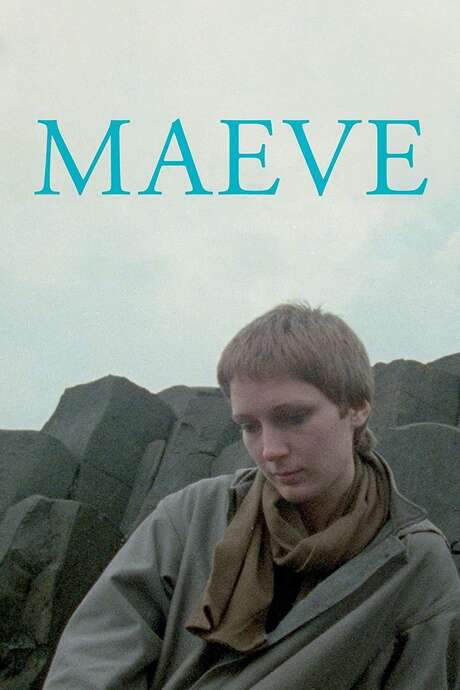
Maeve (1981) movie poster

Timeline

Maeve (1981) Timeline Explained – Every Event in Order

Release, runtime and language
1981 · 109 mins · English
Directed by
Pat Murphy, John Davies
Starring
Brid Brennan, Mary Jackson, Niall Cusack, Brian Lynch, Mike Vernon, Mark Mulholland

Maeve returns home to Belfast after a long absence. Her arrival in the city stimulates a series of memories of childhood and adolescence both in herself and other people.

On this page (6)
  1. 1 Where to watch
  2. 2 Events in order (15)
  3. 3 Timeline questions answered
  4. 4 Movie threads
  5. 5 Movies like Maeve
  6. 6 Every angle

Where to watch

Where to Watch Maeve (1981)

Where can you watch Maeve? Stream, rent or buy it in the US, including on OVID: current JustWatch availability with up-to-date prices.

Streaming availability powered by JustWatch

15 events in order · contains spoilers

Maeve Timeline: Events in Chronological Order

Every key event of Maeve (1981) in order, scene by scene, with when and where it takes place. Use it to untangle flashbacks, time jumps and parallel storylines, to refresh your memory before the sequel or to find the exact scene you are thinking of.

  1. Bomb warning at Martin Sweeney's door

    A soldier knocks on Martin Sweeney's door to warn him about a bomb on the street. While they wait, Martin writes a message to his daughter Maeve, who is at a party. The scene establishes the ever-present danger in Belfast and hints at a family trying to carry on amid threat.

    When
    Evening
    Where
    Martin Sweeney's house
  2. Maeve heads to Belfast; memories surface on the bus

    Maeve, newly landed, boards a bus bound for Belfast. On the ride, the film flashes back to Maeve as a younger woman visiting her boyfriend Liam Doyle, and they share an intimate moment. The present journey is braided with memories of her past.

    When
    Present
    Where
    Bus to Belfast
  3. Younger Maeve and Liam's closeness

    The flashback shows Maeve visiting her boyfriend Liam Doyle, and the two share a tender, intimate moment. The memory underscores Maeve's emotional ties to the city before its divisions harden. Place: Liam's place

    When
    Flashback
    Where
    Liam's place
  4. Maeve confronts the boy who harmed her sister

    Shortly after the bus flashback, younger Maeve confronts a boy who hits her sister Roisin. The moment marks Maeve's protective stance amid a harsher world. It shows how violence intrudes on family life.

    When
    Flashback
    Where
    Belfast street
  5. Loyalist marches; window smashed; family moves

    Loyalist marches unfold on their street as the family watches on TV. A window is smashed by a thrown object, driving fear into the household. The incident prompts the family to abandon their dominantly unionist neighborhood.

    When
    Day
    Where
    Maeve's street, Belfast
  6. Taxi ride halted by bomb threat; parents outside

    Maeve rides home in a taxi when soldiers stop the vehicle due to an active bomb threat. She is reunited outside with her waiting parents, grounding the present in the danger around them. The moment emphasizes how daily life is punctured by violence.

    When
    Present
    Where
    Taxi; outside home
  7. Roisin questioned by soldiers; sleepover memory

    Roisin is stopped by soldiers and brought home, where by the fireplace she recounts a disturbing sleepover in which a soldier intruded into bed with them. The memory shows how violence penetrates intimate spaces. Place: Roisin's home; Time: Present

  8. Gelignite confession in the pub

    In a flashback inside a pub, Joe and Colm’s past actions are revealed when they bury a box of gelignite under a flowerbed, a crime that lands Martin in Crumlin Road Gaol. Maeve decides she must get away from Belfast after hearing the confession. Place: Pub; Time: Flashback

  9. Hijack memory; Eileen intervenes

    Roisin tells of a masked man attempting to hijack a taxi; Eileen intervenes, leaping at the man while others pull him away. The scene shows women resisting danger in a hostile environment. Place: Taxi; Time: Present

  10. Van wait and Free State accusation

    A flashback shows a young Maeve in the van while Martin sells cakes, as a man challenges them about coming from the Free State and others accuse them. Martin drives off, trying to escape suspicion. Place: Van; Time: Flashback

  11. Three soldiers; hill memory and memory debate

    Three soldiers force Maeve and Roisin to jump; later, Maeve and Liam share a hill-top moment where they debate how they remember the past and whether it erases her. The scene juxtaposes collective memory with intimate fracture. Place: On a hill outside Belfast; Time: Present/Flashback

  12. Home talk; fear of giving in; sexuality

    Back home with Roisin, Maeve expresses fear that Roisin might 'give in' to the pressure around her. Maeve's provocative line about women's sexuality being an act of liberation reveals feminist tension within the family. Place: Maeve's home; Time: Present

  13. London visit; confrontation about uncertain future

    The memory of Liam visiting Maeve in London surfaces as they argue about moving there and Maeve's right to not have everything figured out. The scene deepens Maeve's struggle with belonging and choice. Place: London; Time: Flashback

  14. Giants Causeway; a solitary encounter

    At the Giant's Causeway, a man sits beside Maeve and talks, continuing the pattern of uneasy encounters that punctuate her journey. The scene underscores her search for agency amid historical forces. Place: Giant's Causeway; Time: Present

  15. Final monologue: Castlereagh and fear

    Martin recounts a brush with police and the false newspaper claim that his van was a getaway car. He ends with the grim line that fear never fully leaves him, encapsulating the film's meditation on endurance. Place: Martin's recollection; Time: Ending

Last updated: November 29, 2025 at 00:47

Was this helpful?

Timeline questions answered

Maeve Timeline Explained: Your Questions Answered

When does it happen, and why in that order? The questions people ask about the chronology of Maeve (1981): time jumps, flashbacks, cause and effect between scenes and the correct order of events, each answered with spoilers.

Q1

Why does Maeve return to Belfast after living in London?

Maeve returns to Belfast to confront her past and reconnect with her family. The film suggests she left for London to escape the oppressive atmosphere of the Troubles, but something pulls her back, whether it's unresolved family trauma, a need to understand her history, or a desire to assert her identity within the context of her roots. Her conversation with Liam in London reveals tension about her choice to leave, indicating the return is emotionally complicated.

  • maeve
  • belfast
  • london
  • return
  • homecoming
  • the troubles
Q2

What was the gelignite incident Joe and Colm confess to in the pub?

Joe and Colm, Maeve's uncles, confess to burying a box of gelignite (explosive) under the flowerbed at Martin Sweeney's house. This criminal act resulted in Martin being sentenced to a year in Crumlin Road Gaol prison. The revelation shocks Maeve, who points out that they betrayed their own brother. When Joe suggests their sister Eileen might have informed on them, Maeve defends her mother, stating she kept the family together during Martin's imprisonment.

  • gelignite
  • joe
  • colm
  • martin sweeney
  • prison
  • crumlin road gaol
  • explosives
Q3

What happened at the sleepover Roisin describes to Maeve?

Roisin recounts a disturbing childhood memory where a soldier walked into the room during a friend's birthday sleepover and got into bed between the girls, saying he was dying to have sex with one of them. The girls screamed, and the soldier left. This memory illustrates how sectarian violence and harassment penetrated even the most intimate, private spaces of women's lives.

  • roisin
  • sleepover
  • soldier
  • harassment
  • childhood
  • memory
  • the troubles
Q4

Why does Maeve smash the glasses in the pub after hearing about the gelignite?

Maeve smashes the glasses on the table in anger and disgust after learning that her own uncles, Joe and Colm, were responsible for burying gelignite at their brother Martin's house, which led to his imprisonment. The act symbolizes her rejection of the casual way men in her family discuss violence and betrayal. She then runs out, telling Liam she needs to get away from Belfast.

  • maeve
  • glasses
  • pub
  • anger
  • gelignite
  • joe
  • colm
  • martin
  • betrayal
Q5

Why is Eileen upset that Maeve never looked back to say goodbye at the airport?

Eileen is hurt because when she saw Maeve off at the airport, Maeve walked straight through to security without turning around or waving goodbye. This act symbolizes for Eileen a larger pattern of Maeve abandoning her family and roots. When Maeve returns, Eileen gets visibly worked up recalling this moment, suggesting it represents deeper wounds, Maeve's departure felt like a rejection of her mother and the family.

  • eileen
  • maeve
  • airport
  • goodbye
  • mother
  • daughter
  • rejection
  • departure
Q6

What does Maeve mean when she tells Roisin she's afraid she will 'give in'?

When Maeve warns Roisin about "giving in," she refers to the pressure women face to conform to the expectations placed upon them by society, men, and the political climate of the Troubles. Maeve's provocative statement that "women's sexuality is so abused that it's almost an act of liberation to turn yourself into a sex object" reflects her feminist perspective. She's concerned Roisin will surrender to the oppressive forces around her rather than resist them.

  • maeve
  • roisin
  • giving in
  • women
  • sexuality
  • oppression
  • feminism
  • the troubles
Q7

Why does Maeve leave when the man starts talking to her at Giant's Causeway?

Maeve walks away from the man who approaches her at Giant's Causeway because his conversation likely feels like another instance of men asserting themselves over her or imposing their perspectives. This continues the film's pattern of Maeve rejecting male dominance, whether it's the soldier in the sleepover memory, her uncles' casual violence, or Liam's ideological disagreements. The man continues soliloquizing after she leaves, underscoring his inability to truly connect with her.

  • giants causeway
  • maeve
  • man
  • walking away
  • rejection
  • solitude
Q8

What does Martin's ending monologue about Castlereagh mean?

Martin recounts being taken to Castlereagh (a notorious detention center during the Troubles) and says he thought he would break from the psychological pressure. He explains that he copes by convincing himself that these things won't happen, until they do. His final grim acceptance ("that's the only way to go on") captures the film's bleak worldview: survival means maintaining denial about the ever-present threat of violence and trauma.

  • martin
  • castlereagh
  • ending
  • monologue
  • trauma
  • fear
  • survival
  • the troubles
Q9

Why does Liam confront Maeve about moving to London?

When Liam visits Maeve in London, he confronts her about leaving Belfast and not knowing what she's doing with her life. This reflects his inability to understand her need for distance from the oppressive environment of the Troubles. Maeve pushes back, asserting her right to not have everything figured out. Their argument reveals fundamental differences: Liam is rooted in political action and memory, while Maeve seeks personal freedom and escape.

  • liam
  • maeve
  • london
  • confrontation
  • relationship
  • breakup
  • leaving belfast
Q10

What happened in the hospital scene with the three nuns?

Maeve is shown in a hospital bed talking to Roisin, who leaves when three nuns arrive demanding that Maeve explain herself. The scene fades out, and later we see Maeve crying in the hospital bed while a woman comforts and sings to her. This suggests Maeve faced some kind of moral or religious judgment, possibly related to sexuality, pregnancy, or political actions, though the exact transgression remains ambiguous, reflecting how women's bodies and choices were policed.

  • maeve
  • hospital
  • nuns
  • religious judgment
  • women
  • morality
  • unexplained
Q11

Why does Eileen leap at the masked man who tries to hijack their taxi?

When a masked man attempts to hijack the taxi Eileen and Roisin are in, both Roisin and the driver get out as instructed. However, Eileen, the mother, unexpectedly leaps at the man and berates him. Two other men intervene and tell them to drive away. This act shows Eileen's fierce protective instinct, refusing to be victimized even when surrounded by threat. It illustrates the film\'s theme of women resisting violence rather than passively accepting it.

  • eileen
  • hijack
  • taxi
  • resistance
  • women
  • courage
  • the troubles
Q12

What do Maeve and Liam argue about on the hill regarding memory?

On a hill outside Belfast, Maeve and Liam argue about how the past should be remembered. Maeve insists that his view of history excludes her and erases her presence, she's concerned that collective nationalist memory erases women's experiences and contributions. This debate reflects the film's larger theme of whose stories get told and whose are forgotten, particularly regarding women's roles in the Troubles.

  • maeve
  • liam
  • hill
  • memory
  • history
  • argument
  • women
  • irish republican movement

Movie threads

More Movies Like Maeve, by Mood & Story

Curated lists built around what makes Maeve tick: the same mood, the same kind of story or the same emotional payoff. Each list explains why these movies belong together.

Movies about memory and identity like Maeve

Stories that piece together a fractured sense of self through traumatic memories. If you liked Maeve's use of fragmented memories to explore a fractured identity, you'll find similar films here. These dramas and psychological stories delve into personal trauma, family history, and political conflict, often using non-linear storytelling to mirror a character's internal struggle for self-understanding.

  • reflective
  • melancholic
  • psychological
  • fragmented
  • traumatic
  • introspective
  • Tone: melancholic, reflective, tense
  • Pacing: variable, contemplative
Why these movies?

The story pattern: Narratives in this thread often unfold in a non-linear fashion, bouncing between the present and key memories from the past. The central conflict is internal, as the protagonist grapples with unresolved trauma that has shaped their identity. The journey involves piecing together these fragments, but the process is arduous and the conclusion is often bleak, offering acceptance rather than a clean resolution.

Why they belong together: Movies are grouped here for their shared focus on the psychological impact of trauma and the use of memory as a narrative device. They share a heavy emotional weight, complex structure, and a tone that is reflective, melancholic, and tense, creating a deeply introspective viewing experience.
Claustrophobic political dramas like Maeve

Intense personal stories trapped within larger, inescapable political conflicts. For viewers seeking movies like Maeve that explore the suffocating effect of political conflict on personal lives. These intense dramas are set against backdrops like the Troubles, civil wars, or oppressive regimes, focusing on how large-scale violence seeps into homes and relationships, leading to bleak outcomes.

  • oppressive
  • claustrophobic
  • tense
  • frustrated
  • anxious
  • bleak
  • Tone: tense, oppressive, bleak
  • Pacing: variable, building tension
Why these movies?

The story pattern: The narrative pattern involves characters trying to live their lives while being constantly confined and threatened by a larger political struggle. Personal conflicts—often within families—are magnified by the external pressure. There is no escape; the political world is the only world. The stories typically build tension relentlessly and conclude with a sense of bleak acceptance or tragic loss, emphasizing the cyclical nature of such conflicts.

Why they belong together: This thread groups films that share a high-intensity, tense vibe born from the collision of the personal and the political. They are united by a claustrophobic mood, an oppressive atmosphere, heavy emotional weight, and a focus on the psychological toll of living under constant threat.

If you liked this

Movies Like Maeve

Similar movies to Maeve: the same genre, themes or kind of story. Each one comes with its own plot summary, timeline and ending explained.

Browse all movie summaries

Every angle

Maeve (1981) Explained: Plot, Timeline & Characters

Everything about Maeve in one place: what happens in the plot summary, the timeline in chronological order, the characters and meaning and a spoiler-free summary. What's After the Movie adds the cast, box office and post-credit scenes.

Coming soon on iOS and Android

The Plot Explained Movie Summary App

Plot summaries, endings explained and timelines on your phone. Catch up on any movie in minutes, save your favorites and never miss a twist again.

Be the first to know when we launch. Your email stays private, always.

Learn more about the app