


Plot Explained Spoilers guaranteed!
Plot Explained

Browse by genre

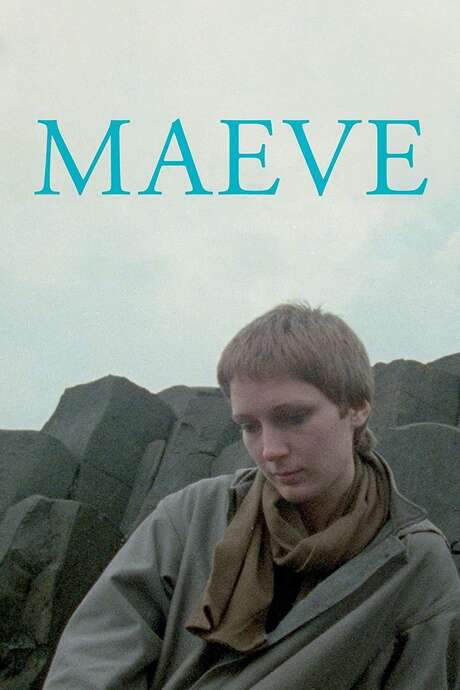
Maeve (1981) movie poster

Spoiler-Free Summary

Maeve (1981) Spoiler-Free Summary – What It's About

Release, runtime and language
1981 · 109 mins · English
Directed by
Pat Murphy, John Davies
Starring
Brid Brennan, Mary Jackson, Niall Cusack, Brian Lynch, Mike Vernon, Mark Mulholland

Maeve returns home to Belfast after a long absence. Her arrival in the city stimulates a series of memories of childhood and adolescence both in herself and other people.

On this page (7)
  1. 1 Where to watch
  2. 2 What it is about
  3. 3 Is it worth watching?
  4. 4 After you watch
  5. 5 Movie threads
  6. 6 Movies like Maeve
  7. 7 Every angle

Where to watch

Where to Watch Maeve (1981)

Where can you watch Maeve? Stream, rent or buy it in the US, including on OVID: current JustWatch availability with up-to-date prices.

Streaming availability powered by JustWatch

Spoiler-free summary · safe to read

What Is Maeve About? (No Spoilers)

The plot of Maeve (1981) without spoilers: what it is about, who it follows and where it takes place, told without the twists or the ending. Enough to decide whether it is your next watch, not enough to ruin it.

In a city still echoing the uneasy lull of the Troubles, a quiet plane lands and a lone figure steps onto the tarmac, beginning a homecoming that feels both ordinary and charged with history. Maeve returns to Belfast after years away, and the familiar streets immediately awaken fragments of a past that never quite settled. The film paints the capital with a muted palette—rain‑slick cobblestones, low‑lit rooms, and the distant hum of protest—that mirrors the internal landscape of someone trying to reconcile who she was with who she might become.

The arrival sets off a quiet ripple through a close‑knit family, each member carrying their own versions of the city’s memory. Roisin, her sister, embodies the stubborn resilience of those who stayed, while their mother, Eileen, offers a steadier, if weary, anchor. Through subtle glances and brief conversations, the narrative hints at long‑held secrets and the subtle ways loyalty and love have been shaped by a world where political lines often cut through private lives. Even the briefest exchange carries weight, suggesting that the personal and the political have always been tangled threads in this household.

Stylistically, the film moves fluidly between present moments and lyrical flashbacks, allowing the viewer to drift through time as naturally as Maeve does. Everyday scenes—a bus ride, a shared taxi, a bustling pub—become windows onto larger questions about identity, memory, and the role of women in a society still finding its voice. The tone is intimate yet expansive, inviting contemplation without ever spelling out the specifics of past conflicts, and it treats the city itself as a character that both shelters and challenges its inhabitants.

At its core, the story follows Maeve as she navigates the delicate balance between revisiting old relationships—particularly those with her sister, her mother, and a former lover, Liam—and confronting the lingering shadows of a city in transition. The film promises a thoughtful exploration of how returning home can spark both reconciliation and unease, leaving the audience to wonder which parts of the past will stay hidden and which will finally surface.

Last updated: December 04, 2025 at 16:24

Was this helpful?

What to expect

Is Maeve Worth Watching? What It Feels Like

Is it dark, sad, slow, intense or confusing? The mood of Maeve (1981) in a few tags, without a word about how it ends. Each tag opens a list of movies that feel the same.

After you watch

Seen Maeve? Now Read the Spoilers

Once you have watched Maeve (1981), come back for the full story: the plot summary with spoilers, the timeline in chronological order, the characters and meaning.

Movie threads

More Movies Like Maeve, by Mood & Story

Curated lists built around what makes Maeve tick: the same mood, the same kind of story or the same emotional payoff. Each list explains why these movies belong together.

Movies about memory and identity like Maeve

Stories that piece together a fractured sense of self through traumatic memories. If you liked Maeve's use of fragmented memories to explore a fractured identity, you'll find similar films here. These dramas and psychological stories delve into personal trauma, family history, and political conflict, often using non-linear storytelling to mirror a character's internal struggle for self-understanding.

  • reflective
  • melancholic
  • psychological
  • fragmented
  • traumatic
  • introspective
  • Tone: melancholic, reflective, tense
  • Pacing: variable, contemplative
Why these movies?

The story pattern: Narratives in this thread often unfold in a non-linear fashion, bouncing between the present and key memories from the past. The central conflict is internal, as the protagonist grapples with unresolved trauma that has shaped their identity. The journey involves piecing together these fragments, but the process is arduous and the conclusion is often bleak, offering acceptance rather than a clean resolution.

Why they belong together: Movies are grouped here for their shared focus on the psychological impact of trauma and the use of memory as a narrative device. They share a heavy emotional weight, complex structure, and a tone that is reflective, melancholic, and tense, creating a deeply introspective viewing experience.
Claustrophobic political dramas like Maeve

Intense personal stories trapped within larger, inescapable political conflicts. For viewers seeking movies like Maeve that explore the suffocating effect of political conflict on personal lives. These intense dramas are set against backdrops like the Troubles, civil wars, or oppressive regimes, focusing on how large-scale violence seeps into homes and relationships, leading to bleak outcomes.

  • oppressive
  • claustrophobic
  • tense
  • frustrated
  • anxious
  • bleak
  • Tone: tense, oppressive, bleak
  • Pacing: variable, building tension
Why these movies?

The story pattern: The narrative pattern involves characters trying to live their lives while being constantly confined and threatened by a larger political struggle. Personal conflicts—often within families—are magnified by the external pressure. There is no escape; the political world is the only world. The stories typically build tension relentlessly and conclude with a sense of bleak acceptance or tragic loss, emphasizing the cyclical nature of such conflicts.

Why they belong together: This thread groups films that share a high-intensity, tense vibe born from the collision of the personal and the political. They are united by a claustrophobic mood, an oppressive atmosphere, heavy emotional weight, and a focus on the psychological toll of living under constant threat.

If you liked this

Movies Like Maeve

Similar movies to Maeve: the same genre, themes or kind of story. Each one comes with its own plot summary, timeline and ending explained.

Browse all movie summaries

Every angle

Maeve (1981) Explained: Plot, Timeline & Characters

Everything about Maeve in one place: what happens in the plot summary, the timeline in chronological order, the characters and meaning and a spoiler-free summary. What's After the Movie adds the cast, box office and post-credit scenes.

Coming soon on iOS and Android

The Plot Explained Movie Summary App

Plot summaries, endings explained and timelines on your phone. Catch up on any movie in minutes, save your favorites and never miss a twist again.

Be the first to know when we launch. Your email stays private, always.

Learn more about the app