


Plot Explained Spoilers guaranteed!
Plot Explained

Browse by genre

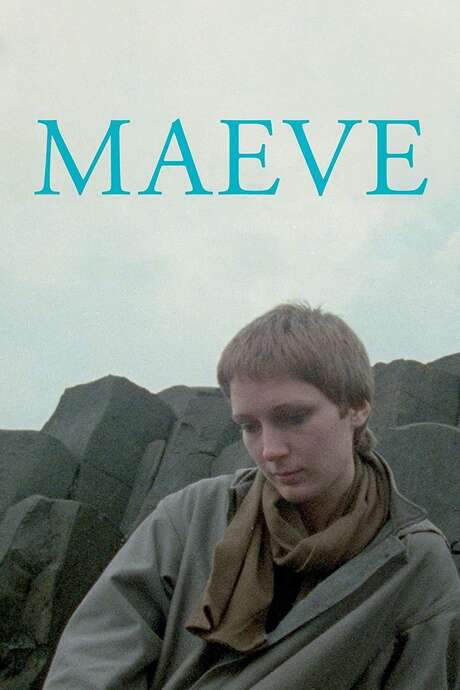
Maeve (1981) movie poster

Characters & Themes

Maeve (1981) Characters, Setting & Themes Explained

Release, runtime and language
1981 · 109 mins · English
Directed by
Pat Murphy, John Davies
Starring
Brid Brennan, Mary Jackson, Niall Cusack, Brian Lynch, Mike Vernon, Mark Mulholland

Maeve returns home to Belfast after a long absence. Her arrival in the city stimulates a series of memories of childhood and adolescence both in herself and other people.

On this page (8)
  1. 1 Where to watch
  2. 2 Characters explained (9)
  3. 3 Where & when it takes place
  4. 4 Themes & meaning (3)
  5. 5 Character & meaning questions
  6. 6 Movie threads
  7. 7 Movies like Maeve
  8. 8 Every angle

Where to watch

Where to Watch Maeve (1981)

Where can you watch Maeve? Stream, rent or buy it in the US, including on OVID: current JustWatch availability with up-to-date prices.

Streaming availability powered by JustWatch

9 main characters · contains spoilers

Maeve Characters Explained: Who Is Who

The main characters of Maeve (1981), heroes and villains: what drives them, how they change over the course of the story and what each of them reveals about the film's bigger ideas.

  • Maeve (Mary Jackson)

    Maeve is a young Belfast woman navigating love, politics, and personal autonomy against the backdrop of the Troubles. She questions the aims of the republican movement and pushes back against male-dominated narratives. Her journey moves between urgent present-day moments and flashbacks to her youth and time in London.

    • 🧭 Protagonist
    • 💪 Resilient
    • 👩 Identity
  • Roisin (Brid Brennan)

    Roisin is Maeve’s bold companion, fearless in confronting violence and injustice. She observes checkpoints and soldiers with defiance and wit, providing a counterpoint to Maeve’s reflective mood. Their bond anchors the film’s exploration of female solidarity.

    • 👭 Friend
    • 🧭 Identity
    • 🔥 Street-smart
  • Martin Sweeney

    played by Mark Mulholland

    Martin is Maeve’s uncle, a figure shaped by family loyalty and the risks of the past. His recollections reveal gelignite plots and prison time, illustrating how the Troubles entangled generations in cycles of crime and consequence.

    • 👨‍👦 Family
    • 🧭 Legacy
    • 🎭 Complexity
  • Eileen

    played by Trudy Kelly

    Eileen is the mother who holds the family together amid upheaval. Her perspective provides emotional ballast and a window into how mothers cope with violence surrounding them. She anchors the film in intimate costs of political conflict.

    • 👩 Mother
    • 🧭 Family
    • 💪 Strength
  • Liam Doyle

    played by John Keegan

    Liam is Maeve’s former lover and a voice from the republican movement who clashes with Maeve over the movement’s priorities. Their relationship tests Maeve’s commitment to political goals and personal freedom.

    • 🧑 Former lover
    • 🗺️ Political stance
    • ⚖️ Conflict
  • Joe Sweeney

    played by Mel Austin

    Joe is a witty, impulsive uncle whose stories of the past reveal how kinship persists despite violence. His actions highlight the tension between loyalty and moral accountability.

    • 👨 Uncle
    • 🧭 Legacy
    • 🕯️ Remorse
  • Colm Sweeney

    played by Justin Duff

    Colm is Maeve’s other uncle, part of the family’s complicated history with the conflict. His presence underscores the generational impact of violence and the burden of secrets.

    • 👨 Uncle
    • 🧭 Family history
    • 🎭 Complexity
  • Young Maeve

    played by Nuala McCann

    Flashbacks show a younger Maeve confronting the era’s limits and her own budding independence. These moments illuminate how early experiences shape her future choices.

    • 🧒 Child
    • 🧭 Memory
    • 💡 Growth
  • Young Roisin

    played by Bríd Davidson

    Flashbacks present Roisin as a child encountering the era’s tensions, hinting at the long-lasting effects of communal violence on friendships and family.

    • 🧒 Child
    • 👧 Youth
    • 🪢 Roots

Last updated: November 29, 2025 at 00:43

Was this helpful?

Setting

Where and When Does Maeve Take Place?

The setting of Maeve (1981): the year and time period, the places and locations, and how they shape the characters, the mood and the tension of the story.

Time period

The Troubles, late 20th century

The story unfolds during the decades of sectarian conflict in Northern Ireland, when bomb threats, soldiers on the streets, and checkpoints interrupted daily life. Flashbacks reveal Maeve’s youth and the choices that shaped her present. The setting captures the era’s gender and political tensions, including limited space for women’s voices within the movement.

Location

Belfast, Northern Ireland, Giant's Causeway, Crumlin Road Gaol

Set in Belfast amid the Troubles, the city is depicted as a divided, bomb-scarred landscape where families face marches and threats. Key locations include a family home on a predominantly unionist street, the airport, a taxi ride, and a visit to the Giant's Causeway. The film also references the Crumlin Road Gaol as a symbol of political imprisonment and the era's collective memory.

  • 🏙️ Urban setting
  • 🕊️ Historical conflict
  • 🧭 Divided neighborhoods

Last updated: November 29, 2025 at 00:43

Was this helpful?

3 major themes

Maeve Meaning: Themes & Message Explained

What is Maeve (1981) really about? The emotional, social and philosophical themes the film keeps returning to, its symbolism and the message beneath the surface.

  • Conflict

    The Troubles provide the backdrop for fear, violence, and disruption. Soldiers, bomb threats, and protests punctuate daily life and influence family decisions. The narrative shows how political violenceSeeps into intimate spaces, shaping relationships and futures.

  • Memory

    Flashbacks reveal past choices and loyalties, illustrating how trauma is remembered and transmitted. The characters wrestle with competing recollections that shape identity and present actions. Memory serves as a bridge between Maeve’s youth and her current struggles.

  • Feminism

    Maeve challenges the male-dominated aims of the movement, arguing for women’s rights and autonomy. The film treats sexuality as a form of liberation and resistance to objectification. Through Maeve and Roisin, it questions whether true liberation can exist within a political framework that marginalizes women's voices.

Last updated: November 29, 2025 at 00:43

Was this helpful?

Character & theme questions

Maeve Characters & Meaning: Your Questions Answered

The questions people ask about Maeve (1981): who the characters really are, their relationships, what the symbols mean, where it takes place and what the movie is really about. Each answer contains spoilers.

Q1

Where is Maeve set?

The film is set in Belfast, Northern Ireland, during the Troubles. The city is depicted as a divided, bomb-scarred landscape where families face marches, soldiers on the streets, and constant checkpoints. Key locations include a family home on a predominantly unionist street, the airport, and references to the Crumlin Road Gaol as a symbol of political imprisonment.

  • belfast
  • northern ireland
  • setting
  • troubles
  • city
Q2

When does the story take place?

The story takes place during the Troubles, the decades-long period of sectarian conflict in late 20th century Northern Ireland. The narrative unfolds in the present day while using flashbacks to reveal Maeve's youth and the choices that shaped her present situation. The era was marked by bomb threats, street soldiers, and daily interruptions to normal life.

  • troubles
  • time period
  • 1970s
  • 1980s
  • northern ireland
  • era
Q3

What role does the Troubles play in the film?

The Troubles provide the atmospheric backdrop for fear, violence, and disruption throughout the film. Soldiers, bomb threats, and protests punctuate daily life and influence family decisions. The narrative shows how political violence seeps into intimate spaces, shaping relationships and futures. The conflict is not just background but actively shapes the characters' choices and fates.

  • troubles
  • conflict
  • violence
  • political tension
  • sectarian
Q4

How does Maeve explore feminism?

Maeve challenges the male-dominated aims of the republican movement, arguing for women's rights and autonomy. The film treats sexuality as a form of liberation and resistance to objectification. Through Maeve and her companion Roisin, the story questions whether true liberation can exist within a political framework that marginalizes women's voices. This feminist thread runs alongside the broader political conflict.

  • feminism
  • women's rights
  • autonomy
  • republican movement
  • gender
Q5

How does memory function in the story?

Flashbacks reveal past choices and loyalties, illustrating how trauma is remembered and transmitted between generations. The characters wrestle with competing recollections that shape their identity and present actions. Memory serves as a bridge between Maeve's youth and her current struggles, with the fragmented narrative structure reflecting how personal and political history is pieced together.

  • memory
  • flashbacks
  • trauma
  • past
  • identity
Q6

Who is Maeve in the film?

Maeve is a young Belfast woman navigating love, politics, and personal autonomy against the backdrop of the Troubles. She questions the aims of the republican movement and pushes back against male-dominated narratives. Her journey moves between urgent present-day moments and reflective flashbacks to her youth and time in London, revealing her ongoing struggle for self-determination.

  • maeve
  • protagonist
  • mary jackson
  • Belfast woman
Q7

Who is Roisin and what is her relationship with Maeve?

Roisin is Maeve's bold companion, portrayed by Brid Brennan. She is fearless in confronting violence and injustice, observing checkpoints and soldiers with defiance and wit. Their bond anchors the film as an exploration of female solidarity. Roisin provides a counterpoint to Maeve's more reflective mood, and their friendship represents a support system amid personal and political turmoil.

  • roisin
  • brid brennan
  • female solidarity
  • friendship
  • companion
Q8

What is Liam Doyle's role in the story?

Liam Doyle is Maeve's former lover and a voice from the republican movement who clashes with Maeve over the movement's priorities. Their relationship tests Maeve's commitment to political goals and personal freedom. The conflict between them represents the tension between revolutionary loyalty and individual autonomy that Maeve grapples with throughout the film.

  • liam doyle
  • former lover
  • republican movement
  • conflict
  • relationship
Q9

Who are the Sweeney uncles and what do they represent?

The Sweeney uncles include Martin, Joe, and Colm, each representing different aspects of how the Troubles entangled generations in cycles of consequence. Martin, Maeve's uncle, reveals gelignite plots and prison time. Joe is witty and impulsive, showing how kinship persists despite violence. Colm underscores the generational impact of violence and the burden of family secrets.

  • sweeney
  • martin sweeney
  • joe sweeney
  • colm sweeney
  • uncles
  • family
Q10

Who is Eileen in the film?

Eileen is Maeve's mother, played by Trudy Kelly. She is the figure who holds the family together amid the upheaval of the Troubles. Her perspective provides emotional ballast and a window into how mothers cope with violence surrounding them. She anchors the film in the intimate costs of political conflict, representing the civilian toll on families.

  • eileen
  • mother
  • trudy kelly
  • family
  • domestic perspective
Q11

What is the significance of the Crumlin Road Gaol?

The Crumlin Road Gaol is referenced as a symbol of political imprisonment and the era's collective memory. It represents how the Troubles ensnared not just activists but entire families in cycles of arrest, detention, and consequence. The prison serves as a visual reminder of the conflict's reach into every aspect of daily life in Belfast.

  • crumlin road gaol
  • prison
  • imprisonment
  • symbol
  • historical landmark
Q12

What is the significance of Giant's Causeway in the film?

The Giant's Causeway appears as a location in the film, representing a stark contrast to the urban violence of Belfast. This natural landmark in Northern Ireland offers a moment of reflection on the country's natural beauty amid political turmoil. The visit provides characters and viewers a brief respite from the tension of the city.

  • giants causeway
  • location
  • natural beauty
  • contrast
  • northern ireland
Q13

What is the overall tone and mood of the film?

The dominant tone is tense, underscored by a melancholic mood stemming from unresolved trauma and fractured relationships. The film carries heavy emotional weight, dealing with imprisonment, harassment, and the psychological toll of sectarian conflict. The ending is bleak, concluding with a grim acceptance of recurring trauma that offers no resolution or hope.

  • tone
  • mood
  • bleak
  • melancholic
  • emotional weight
  • ending
Q14

How does the film portray the republican movement?

The film portrays the republican movement as male-dominated, with Maeve actively questioning its aims and pushing back against narratives that marginalize women's voices. The movement is shown as entangled with cycles of crime and consequence, affecting multiple generations of families. The conflict between political goals and personal autonomy is a central tension explored through Maeve's relationships with movement figures like Liam Doyle.

  • republican movement
  • political goals
  • male dominance
  • activism
  • northern ireland

Movie threads

More Movies Like Maeve, by Mood & Story

Curated lists built around what makes Maeve tick: the same mood, the same kind of story or the same emotional payoff. Each list explains why these movies belong together.

Movies about memory and identity like Maeve

Stories that piece together a fractured sense of self through traumatic memories. If you liked Maeve's use of fragmented memories to explore a fractured identity, you'll find similar films here. These dramas and psychological stories delve into personal trauma, family history, and political conflict, often using non-linear storytelling to mirror a character's internal struggle for self-understanding.

  • reflective
  • melancholic
  • psychological
  • fragmented
  • traumatic
  • introspective
  • Tone: melancholic, reflective, tense
  • Pacing: variable, contemplative
Why these movies?

The story pattern: Narratives in this thread often unfold in a non-linear fashion, bouncing between the present and key memories from the past. The central conflict is internal, as the protagonist grapples with unresolved trauma that has shaped their identity. The journey involves piecing together these fragments, but the process is arduous and the conclusion is often bleak, offering acceptance rather than a clean resolution.

Why they belong together: Movies are grouped here for their shared focus on the psychological impact of trauma and the use of memory as a narrative device. They share a heavy emotional weight, complex structure, and a tone that is reflective, melancholic, and tense, creating a deeply introspective viewing experience.
Claustrophobic political dramas like Maeve

Intense personal stories trapped within larger, inescapable political conflicts. For viewers seeking movies like Maeve that explore the suffocating effect of political conflict on personal lives. These intense dramas are set against backdrops like the Troubles, civil wars, or oppressive regimes, focusing on how large-scale violence seeps into homes and relationships, leading to bleak outcomes.

  • oppressive
  • claustrophobic
  • tense
  • frustrated
  • anxious
  • bleak
  • Tone: tense, oppressive, bleak
  • Pacing: variable, building tension
Why these movies?

The story pattern: The narrative pattern involves characters trying to live their lives while being constantly confined and threatened by a larger political struggle. Personal conflicts—often within families—are magnified by the external pressure. There is no escape; the political world is the only world. The stories typically build tension relentlessly and conclude with a sense of bleak acceptance or tragic loss, emphasizing the cyclical nature of such conflicts.

Why they belong together: This thread groups films that share a high-intensity, tense vibe born from the collision of the personal and the political. They are united by a claustrophobic mood, an oppressive atmosphere, heavy emotional weight, and a focus on the psychological toll of living under constant threat.

If you liked this

Movies Like Maeve

Similar movies to Maeve: the same genre, themes or kind of story. Each one comes with its own plot summary, timeline and ending explained.

Browse all movie summaries

Every angle

Maeve (1981) Explained: Plot, Timeline & Characters

Everything about Maeve in one place: what happens in the plot summary, the timeline in chronological order, the characters and meaning and a spoiler-free summary. What's After the Movie adds the cast, box office and post-credit scenes.

Coming soon on iOS and Android

The Plot Explained Movie Summary App

Plot summaries, endings explained and timelines on your phone. Catch up on any movie in minutes, save your favorites and never miss a twist again.

Be the first to know when we launch. Your email stays private, always.

Learn more about the app