Plot Explained Spoilers guaranteed!
Plot Explained

Browse by genre

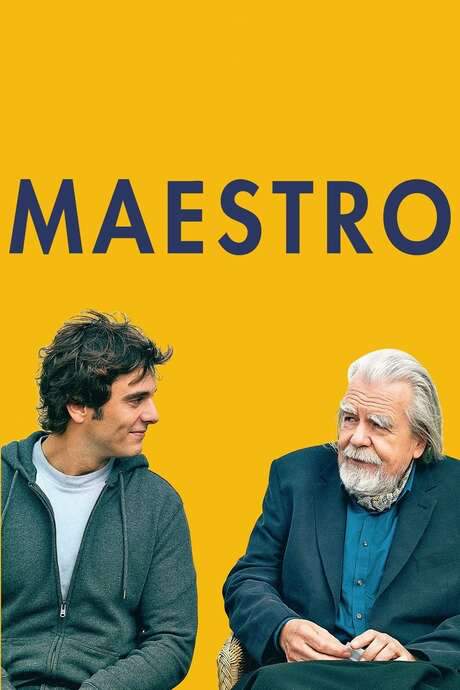
Maestro (2014) movie poster

Timeline

Maestro (2014) Timeline Explained – Every Event in Order

Release, runtime and language
2014 · 81 mins · French
Directed by
Léa Fazer
Starring
Michael Lonsdale, Déborah François, Pio Marmaï, Nicolas Bridet, Dominique Reymond, Scali Delpeyrat

A young actor, Henry, becomes entangled in a film project led by acclaimed director Cédric Rovere. Henry is drawn to Rovere's generosity, experiencing unexpected feelings, while Rovere finds inspiration and a renewed sense of purpose in Henry's ambition and dreams. The experience proves to be a surprising and enriching journey for both men.

On this page (4)
  1. 1 Events in order (12)
  2. 2 Timeline questions answered
  3. 3 Movie threads
  4. 4 Every angle

12 events in order · contains spoilers

Maestro Timeline: Events in Chronological Order

Every key event of Maestro (2014) in order, scene by scene, with when and where it takes place. Use it to untangle flashbacks, time jumps and parallel storylines, to refresh your memory before the sequel or to find the exact scene you are thinking of.

  1. Orchestra Disbanded Over Money

    The orchestra is disbanded due to financial troubles, marking a shutdown of an ensemble once seen as prestigious. A mysterious benefactor intervenes to reform the group, though the exact terms of control remain murky. The setup frames a tension between money, power, and artistic ambition.

    When
    opening
  2. Benefactor Reforms the Ensemble

    The reformed ensemble comes under the benefactor's guidance, whose management style immediately unsettles many players. His approach to selection and discipline clashes with the musicians' expectations of tradition. The friction foreshadows the conflicts to come.

    When
    early
  3. Kosaka Receives an Offer

    Kosaka, a young violinist, is offered a position in the refreshed orchestra, signaling a new start for him. He arrives curious about how the new regime will function and whether the prestige will translate into music. The reality of the environment tests his optimism.

    When
    early
  4. Disused Factory Rehearsal Space

    Rehearsals take place in a disused factory, underscoring the gap between the orchestra's status and its surroundings. The performances feel erratic as many of the best players have left for other opportunities. The setting mirrors the instability of the ensemble.

    When
    mid
    Where
    Disused factory
  5. Conductor Tendo Tetsusaburo Arrives

    Conductor Tendo Tetsusaburo arrives, bringing a forceful, unconventional presence. His leadership style clashes with tradition and provokes resistance from some musicians. Yet his insistence on discipline sets the stage for potential progress.

    When
    early-mid
    Where
    Disused factory / rehearsal space
  6. Rifts Among Players Surface

    Tensions among players rise as work ethics and egos collide. Disagreements over interpretation, tempo, and authority threaten to derail rehearsals. The group edges toward a break, even as progress remains possible.

    When
    mid
    Where
    Rehearsal hall
  7. Amane Tachibana Joins the Balcony of Drama

    Amane Tachibana, a gifted amateur flute player, joins the ensemble and instantly rattles the established dynamics. Her presence triggers jealousy and prompts debates about merit and experience. She challenges the established balance, forcing others to reevaluate their roles.

    When
    early-mid
    Where
    Rehearsal room
  8. Financial Troubles Persist

    Financial problems persist, casting a shadow over decisions about recruitment and programming. The enigmatic benefactor's influence grows as the need for funds becomes more urgent. The orchestra's future remains tied to the ongoing scramble for money.

    When
    mid-late
  9. Abnormal Methods Yield Results

    The conductor's unconventional methods push the musicians to their limits, but begin to yield tangible results. The ensemble starts to show improved cohesion and sharper collective sound. Reactions are mixed among players, as some cling to old habits while others buy in.

    When
    mid
    Where
    Disused factory
  10. Early Signs of Cohesion

    A sense of unity begins to emerge during rehearsals, with musicians anticipating each other's moves. Performances grow more cohesive and confident than before. The group travels from chaos toward something resembling a true orchestra.

    When
    late
    Where
    Rehearsal space
  11. Character Dynamics Deepen

    Character dynamics deepen as personal ambitions intersect with professional duties. Kosaka's interactions with colleagues reveal the social undercurrents of a high-pressure ensemble, while Amane's presence provokes alliances and rivalries. These relationships shape how the orchestra evolves.

    When
    mid-late
  12. Promise of a Re-Born Orchestra

    With progress visible, the orchestra begins to regain credibility and prestige despite ongoing tensions. The conductor's methods are controversial but effective enough to sustain the group. The film closes on a note of potential and continued growth.

    When
    final

Last updated: March 04, 2026 at 15:03

Was this helpful?

Timeline questions answered

Maestro Timeline Explained: Your Questions Answered

When does it happen, and why in that order? The questions people ask about the chronology of Maestro (2014): time jumps, flashbacks, cause and effect between scenes and the correct order of events, each answered with spoilers.

Q1

Why does Tendo Tetsusaburo use such aggressive leadership tactics with the orchestra?

Tendo Tetsusaburo's unconventional and sometimes abrasive approach stems from his belief that discipline and intense pressure can transform a struggling ensemble into a cohesive unit. Having witnessed the orchestra's collapse due to lax standards and financial chaos, he pushes musicians beyond their comfort zones to break old habits and build new collective instincts. His methods are controversial but ultimately aimed at forcing the group to develop the tight coordination and professional rigor needed to succeed.

Foreshadowing: Early scenes show the orchestra struggling with inconsistent performances, setting up the need for drastic leadership changes.

  • Tendo Tetsusaburo
  • conductor methods
  • orchestra discipline
  • leadership style
Q2

Why does Amane Tachibana's arrival cause such tension in the orchestra?

Amane Tachibana's addition creates friction because she is an amateur player with exceptional talent, which challenges the established hierarchy of professional musicians. Her presence forces the ensemble to question their standards of experience versus raw ability, sparking jealousy among veterans who see her as unqualified. The controversy reflects deeper anxieties about the orchestra's identity and whether unconventional talent can coexist with traditional professionalism.

Foreshadowing: The timeline hints at fault lines emerging from her entrance, disrupting the existing social order.

  • Amane Tachibana
  • flute player
  • amateur musician
  • orchestra conflict
Q3

Why does the orchestra rehearse in a disused factory instead of a concert hall?

The orchestra rehearses in a disused factory because the benefactor's funding is limited and the ensemble no longer possesses the prestige or budget for traditional venues. This stark reality symbolizes both the orchestra's fall from grace and the uphill battle ahead. The unconventional space also reflects the film's themes of rebuilding from nothing and finding art in unexpected places.

Foreshadowing: The opening establishes financial troubles as the catalyst for the orchestra's dissolution and reformation.

  • factory rehearsal
  • orchestra venue
  • financial constraints
  • disused space
Q4

What motivates the mysterious benefactor to rebuild the failed orchestra?

The benefactor's exact motives remain somewhat ambiguous, but their intervention suggests a desire to restore artistic prestige while maintaining control over the ensemble's direction. Their approach to leadership unsettles musicians because the terms of their financial involvement come with strings attached. The benefactor represents the tension between artistic passion and the transactional nature of funding art.

Foreshadowing: The opening scene establishes the benefactor's intervention as pivotal to the story's beginning.

  • benefactor
  • orchestra funding
  • patron
  • financial support
Q5

How does the orchestra manage to improve despite constant financial pressure and internal conflicts?

The orchestra improves through relentless rehearsal, the conductor's stubborn insistence on discipline, and gradual development of trust among musicians. As they spend more time together under pressure, individual egos begin to align with collective goals. The shared struggle against financial uncertainty creates unexpected camaraderie, and even skeptical musicians eventually buy into the conductor's vision.

Foreshadowing: Early signs of cohesion appear mid-film as musicians start anticipating each other's movements.

  • orchestra improvement
  • rehearsal progress
  • ensemble cohesion
  • musical unity
Q6

Why do the musicians struggle to work together when the orchestra first reforms?

The musicians struggle initially because the reformed ensemble lacks the cohesion of the original group, with many of the best players having departed for better opportunities. Returning musicians must integrate with new recruits while adapting to the conductor's demanding style. Clashing work ethics, competing egos, and disagreements over musical interpretation create a volatile environment where progress feels uncertain.

Foreshadowing: The timeline notes that uneven and unpredictable performances characterize early rehearsals.

  • musician conflicts
  • ensemble tensions
  • professional egos
  • team dynamics
Q7

What drives Kosaka to join the struggling orchestra despite its diminished status?

Kosaka joins the orchestra seeking opportunity and artistic growth, attracted by the chance to be part of a prestigious ensemble even in its reformed, less glamorous state. His optimism is tested by the harsh reality of rehearsals in a factory and the unconventional leadership. His journey represents the younger generation's willingness to take risks on unconventional paths to success.

Foreshadowing: Kosaka's early offer signals a new beginning and tests his expectations against reality.

  • Kosaka
  • violinist
  • young musician
  • career opportunity
Q8

What does the orchestra's final successful performance represent in the story?

The final performance represents the culmination of artistic perseverance triumphing over economic hardship and interpersonal conflict. It validates the conductor's unorthodox methods and proves that excellence can emerge from chaos when dedication and teamwork prevail. The ending suggests the orchestra has regained some of its lost prestige while acknowledging that challenges remain ongoing.

Foreshadowing: Earlier scenes of gradual improvement build toward this moment of collective achievement.

  • final performance
  • orchestra success
  • redemption
  • artistic achievement
Q9

How do the ongoing financial problems shape the orchestra's decisions throughout the film?

The persistent financial troubles force the conductor to make difficult choices about recruitment, programming, and rehearsal intensity. Limited funding creates urgency that justifies the conductor's aggressive methods, as every rehearsal represents a precious use of limited resources. The benefactor's growing influence over the ensemble's direction directly stems from their financial control.

Foreshadowing: Financial concerns are established in the opening and intensify as the story progresses.

  • financial problems
  • budget constraints
  • orchestra funding
  • money struggles

Movie threads

More Movies Like Maestro, by Mood & Story

Curated lists built around what makes Maestro tick: the same mood, the same kind of story or the same emotional payoff. Each list explains why these movies belong together.

Creative Ensemble Stories like Maestro

Stories of determined groups uniting to overcome obstacles and create something beautiful. If you liked watching the orchestra come together in Maestro, you'll enjoy these movies about collaborative groups overcoming friction and hardship. These films feature similar themes of artistic ambition, found family dynamics, and the steady-paced, hopeful journey of a team striving for excellence against the odds.

  • ensemble cast
  • artistic struggle
  • uplifting
  • determined
  • collaborative
  • underdog story
  • Tone: hopeful, determined
  • Pacing: steady, character-driven
Why these movies?

The story pattern: Movies in this thread typically follow a straightforward narrative arc where a struggling ensemble—be it a musical group, a theater troupe, or a sports team—faces internal conflict and external pressures. The story charts their progress from disarray to cohesion, culminating in a successful performance or achievement that validates their hard work and strengthens their bonds.

Why they belong together: These films are grouped together because they share a central focus on the dynamics of a collective working towards a creative or performance-based goal. They balance moments of interpersonal tension with an overarching sense of hope and determination, resulting in a satisfying and emotionally resonant viewing experience centered on teamwork and perseverance.
Movies about Artistic Mentorship like Maestro

Journeys where seasoned experts find new inspiration through guiding passionate newcomers. Fans of the mentor relationship in Maestro will appreciate these films exploring similar dynamics. These stories focus on how guiding a passionate newcomer can renew an expert's sense of purpose, blending hopeful tones with a steady, character-driven pace and medium emotional weight.

  • mentorship
  • inspirational
  • artistic renewal
  • personal growth
  • hopeful
  • character-driven
  • Tone: hopeful, inspirational
  • Pacing: steady, reflective
Why these movies?

The story pattern: The narrative pattern revolves around a symbiotic relationship between a master and a protégé. The story explores how the mentor's guidance helps the young talent flourish, while the protégé's fresh perspective and ambition reinvigorate the mentor's own artistic drive and life outlook. The journey is one of mutual enrichment and personal rediscovery.

Why they belong together: These movies are united by their focus on the transformative power of a mentor-protégé relationship within an artistic or professional context. They share a hopeful, character-driven tone that emphasizes personal growth and creative renewal, making them deeply satisfying for viewers who enjoy stories about inspiration and legacy.

Every angle

Maestro (2014) Explained: Plot, Timeline & Characters

Everything about Maestro in one place: what happens in the plot summary, the timeline in chronological order, the characters and meaning and a spoiler-free summary. What's After the Movie adds the cast, box office and post-credit scenes.

Coming soon on iOS and Android

The Plot Explained Movie Summary App

Plot summaries, endings explained and timelines on your phone. Catch up on any movie in minutes, save your favorites and never miss a twist again.

Be the first to know when we launch. Your email stays private, always.

Learn more about the app