Plot Explained Spoilers guaranteed!
Plot Explained

Browse by genre

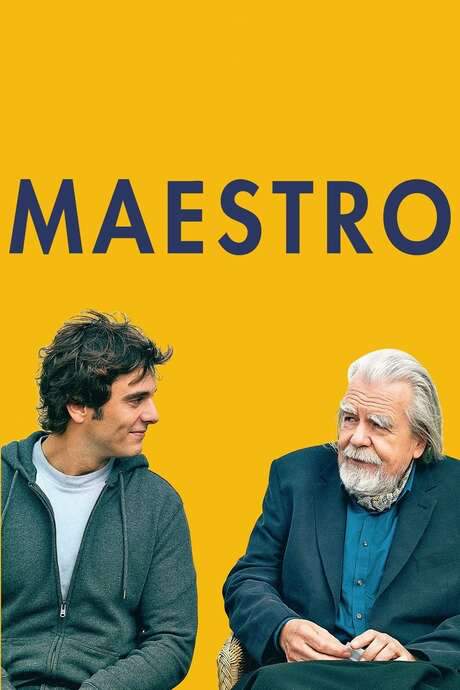
Maestro (2014) movie poster

Plot Summary

Maestro (2014) Plot Summary Explained

Release, runtime and language
2014 · 81 mins · French
Directed by
Léa Fazer
Starring
Michael Lonsdale, Déborah François, Pio Marmaï, Nicolas Bridet, Dominique Reymond, Scali Delpeyrat

A young actor, Henry, becomes entangled in a film project led by acclaimed director Cédric Rovere. Henry is drawn to Rovere's generosity, experiencing unexpected feelings, while Rovere finds inspiration and a renewed sense of purpose in Henry's ambition and dreams. The experience proves to be a surprising and enriching journey for both men.

On this page (4)
  1. 1 What happens: full plot
  2. 2 Plot questions answered
  3. 3 Movie threads
  4. 4 Every angle

Full plot summary · contains spoilers

What Happens in Maestro: Full Plot Summary

The whole story of Maestro (2014) explained, from the opening scene to the final frame: every key event, every twist and what it all adds up to. Read it as a quick recap before the sequel, to check a scene you missed, or to finally understand what really happened.

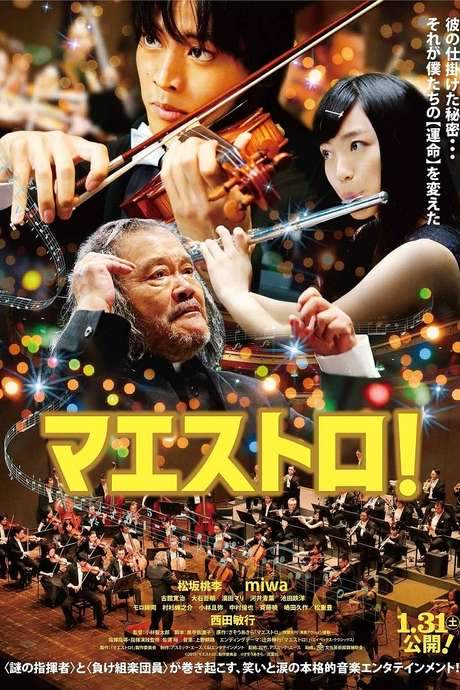
The film follows a bold revival of an orchestra that was once dismantled by financial strain, only to be reassembled under the watch of a mysterious benefactor whose approach to leadership unsettles many of the musicians. The project is adapted from the popular manga of the same name, grounding the drama in a world where ambition, art, and money collide.

At the heart of the story is a young violinist named Kosaka, who is offered a coveted seat in the newly re-formed, prestigious ensemble. His first glimpse of the new reality is jarring: the rehearsal space is no grand concert hall but a disused factory, and the performances of the members are uneven and unpredictable, as many of the best players have already moved on to other opportunities. The atmosphere is charged with tension, a raw energy born from a group trying to redefine itself under tight financial constraints.

Into this fraught environment enters the conductor Tendo Tetsusaburo, a figure whose presence immediately reframes the dynamics. The movie delves deeply into the relationships between the individual players, revealing frictions that stem from clashing work ethics, competing egos, and the unspoken pressures that come with a high-stakes pursuit of musical excellence. These personal tensions play out against the larger backdrop of an orchestra fighting to survive, where every rehearsal is a test of character as much as of technique.

Drama intensifies when an amateur, yet exceptionally gifted flute player named Amane Tachibana arrives, bringing with her a spark that unsettles some of the established personalities. Her arrival exposes new fault lines and forces the group to reevaluate its standards, connections, and the very definition of what it means to be a professional in a world where funding is uncertain and success remains elusive.

Throughout the story, the ongoing financial problems loom large, shaping decisions and forcing the conductor to push the ensemble as hard as possible. Even as his methods appear unconventional and at times abrasive, there’s a stubborn momentum behind his efforts: a belief that persistence and audacious leadership can coax coherence and achievement from chaos. As the orchestra endures these challenges, the film gently captures the gradual, hard-won progress that emerges from relentless rehearsal, stubborn camaraderie, and a shared conviction that art can somehow prevail even when the odds are steep.

With its blend of character study, behind-the-scenes tension, and a passion for music, the movie offers a measured, contemplative look at what it takes to rebuild a group that once seemed beyond repair. The narrative keeps faith with its manga roots while presenting a cinematic portrait of resilience, ambition, and the imperfect beauty that can arise when a team dares to start again.
Last updated: March 04, 2026 at 15:03

Was this helpful?

Plot questions answered

Maestro Plot Explained: Your Questions Answered

The questions people ask most about Maestro (2014): what happens in the confusing scenes, why the characters do what they do, the twists, hidden details and what the ending means. Each answer contains spoilers.

Q1

Why does Tendo Tetsusaburo use such aggressive leadership tactics with the orchestra?

Tendo Tetsusaburo's unconventional and sometimes abrasive approach stems from his belief that discipline and intense pressure can transform a struggling ensemble into a cohesive unit. Having witnessed the orchestra's collapse due to lax standards and financial chaos, he pushes musicians beyond their comfort zones to break old habits and build new collective instincts. His methods are controversial but ultimately aimed at forcing the group to develop the tight coordination and professional rigor needed to succeed.

Foreshadowing: Early scenes show the orchestra struggling with inconsistent performances, setting up the need for drastic leadership changes.

  • Tendo Tetsusaburo
  • conductor methods
  • orchestra discipline
  • leadership style
Q2

Why does Amane Tachibana's arrival cause such tension in the orchestra?

Amane Tachibana's addition creates friction because she is an amateur player with exceptional talent, which challenges the established hierarchy of professional musicians. Her presence forces the ensemble to question their standards of experience versus raw ability, sparking jealousy among veterans who see her as unqualified. The controversy reflects deeper anxieties about the orchestra's identity and whether unconventional talent can coexist with traditional professionalism.

Foreshadowing: The timeline hints at fault lines emerging from her entrance, disrupting the existing social order.

  • Amane Tachibana
  • flute player
  • amateur musician
  • orchestra conflict
Q3

Why does the orchestra rehearse in a disused factory instead of a concert hall?

The orchestra rehearses in a disused factory because the benefactor's funding is limited and the ensemble no longer possesses the prestige or budget for traditional venues. This stark reality symbolizes both the orchestra's fall from grace and the uphill battle ahead. The unconventional space also reflects the film's themes of rebuilding from nothing and finding art in unexpected places.

Foreshadowing: The opening establishes financial troubles as the catalyst for the orchestra's dissolution and reformation.

  • factory rehearsal
  • orchestra venue
  • financial constraints
  • disused space
Q4

What motivates the mysterious benefactor to rebuild the failed orchestra?

The benefactor's exact motives remain somewhat ambiguous, but their intervention suggests a desire to restore artistic prestige while maintaining control over the ensemble's direction. Their approach to leadership unsettles musicians because the terms of their financial involvement come with strings attached. The benefactor represents the tension between artistic passion and the transactional nature of funding art.

Foreshadowing: The opening scene establishes the benefactor's intervention as pivotal to the story's beginning.

  • benefactor
  • orchestra funding
  • patron
  • financial support
Q5

How does the orchestra manage to improve despite constant financial pressure and internal conflicts?

The orchestra improves through relentless rehearsal, the conductor's stubborn insistence on discipline, and gradual development of trust among musicians. As they spend more time together under pressure, individual egos begin to align with collective goals. The shared struggle against financial uncertainty creates unexpected camaraderie, and even skeptical musicians eventually buy into the conductor's vision.

Foreshadowing: Early signs of cohesion appear mid-film as musicians start anticipating each other's movements.

  • orchestra improvement
  • rehearsal progress
  • ensemble cohesion
  • musical unity
Q6

Why do the musicians struggle to work together when the orchestra first reforms?

The musicians struggle initially because the reformed ensemble lacks the cohesion of the original group, with many of the best players having departed for better opportunities. Returning musicians must integrate with new recruits while adapting to the conductor's demanding style. Clashing work ethics, competing egos, and disagreements over musical interpretation create a volatile environment where progress feels uncertain.

Foreshadowing: The timeline notes that uneven and unpredictable performances characterize early rehearsals.

  • musician conflicts
  • ensemble tensions
  • professional egos
  • team dynamics
Q7

What drives Kosaka to join the struggling orchestra despite its diminished status?

Kosaka joins the orchestra seeking opportunity and artistic growth, attracted by the chance to be part of a prestigious ensemble even in its reformed, less glamorous state. His optimism is tested by the harsh reality of rehearsals in a factory and the unconventional leadership. His journey represents the younger generation's willingness to take risks on unconventional paths to success.

Foreshadowing: Kosaka's early offer signals a new beginning and tests his expectations against reality.

  • Kosaka
  • violinist
  • young musician
  • career opportunity
Q8

What does the orchestra's final successful performance represent in the story?

The final performance represents the culmination of artistic perseverance triumphing over economic hardship and interpersonal conflict. It validates the conductor's unorthodox methods and proves that excellence can emerge from chaos when dedication and teamwork prevail. The ending suggests the orchestra has regained some of its lost prestige while acknowledging that challenges remain ongoing.

Foreshadowing: Earlier scenes of gradual improvement build toward this moment of collective achievement.

  • final performance
  • orchestra success
  • redemption
  • artistic achievement
Q9

How do the ongoing financial problems shape the orchestra's decisions throughout the film?

The persistent financial troubles force the conductor to make difficult choices about recruitment, programming, and rehearsal intensity. Limited funding creates urgency that justifies the conductor's aggressive methods, as every rehearsal represents a precious use of limited resources. The benefactor's growing influence over the ensemble's direction directly stems from their financial control.

Foreshadowing: Financial concerns are established in the opening and intensify as the story progresses.

  • financial problems
  • budget constraints
  • orchestra funding
  • money struggles

Movie threads

More Movies Like Maestro, by Mood & Story

Curated lists built around what makes Maestro tick: the same mood, the same kind of story or the same emotional payoff. Each list explains why these movies belong together.

Creative Ensemble Stories like Maestro

Stories of determined groups uniting to overcome obstacles and create something beautiful. If you liked watching the orchestra come together in Maestro, you'll enjoy these movies about collaborative groups overcoming friction and hardship. These films feature similar themes of artistic ambition, found family dynamics, and the steady-paced, hopeful journey of a team striving for excellence against the odds.

  • ensemble cast
  • artistic struggle
  • uplifting
  • determined
  • collaborative
  • underdog story
  • Tone: hopeful, determined
  • Pacing: steady, character-driven
Why these movies?

The story pattern: Movies in this thread typically follow a straightforward narrative arc where a struggling ensemble—be it a musical group, a theater troupe, or a sports team—faces internal conflict and external pressures. The story charts their progress from disarray to cohesion, culminating in a successful performance or achievement that validates their hard work and strengthens their bonds.

Why they belong together: These films are grouped together because they share a central focus on the dynamics of a collective working towards a creative or performance-based goal. They balance moments of interpersonal tension with an overarching sense of hope and determination, resulting in a satisfying and emotionally resonant viewing experience centered on teamwork and perseverance.

Movies about Artistic Mentorship like Maestro

Journeys where seasoned experts find new inspiration through guiding passionate newcomers. Fans of the mentor relationship in Maestro will appreciate these films exploring similar dynamics. These stories focus on how guiding a passionate newcomer can renew an expert's sense of purpose, blending hopeful tones with a steady, character-driven pace and medium emotional weight.

  • mentorship
  • inspirational
  • artistic renewal
  • personal growth
  • hopeful
  • character-driven
  • Tone: hopeful, inspirational
  • Pacing: steady, reflective
Why these movies?

The story pattern: The narrative pattern revolves around a symbiotic relationship between a master and a protégé. The story explores how the mentor's guidance helps the young talent flourish, while the protégé's fresh perspective and ambition reinvigorate the mentor's own artistic drive and life outlook. The journey is one of mutual enrichment and personal rediscovery.

Why they belong together: These movies are united by their focus on the transformative power of a mentor-protégé relationship within an artistic or professional context. They share a hopeful, character-driven tone that emphasizes personal growth and creative renewal, making them deeply satisfying for viewers who enjoy stories about inspiration and legacy.

Every angle

Maestro (2014) Explained: Plot, Timeline & Characters

Everything about Maestro in one place: what happens in the plot summary, the timeline in chronological order, the characters and meaning and a spoiler-free summary. What's After the Movie adds the cast, box office and post-credit scenes.

Coming soon on iOS and Android

The Plot Explained Movie Summary App

Plot summaries, endings explained and timelines on your phone. Catch up on any movie in minutes, save your favorites and never miss a twist again.

Be the first to know when we launch. Your email stays private, always.

Learn more about the app