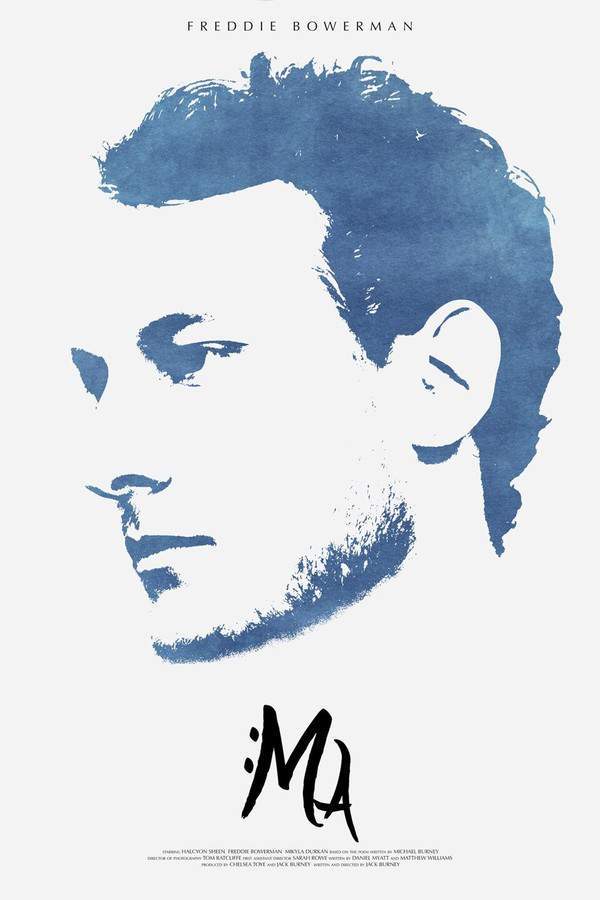
Sue Ann, also known as "Ma," begins the climax seeking revenge for her traumatic past, which is rooted in her high school years where she was humiliated and bullied by her peers. As the movie progresses, it becomes clear that Sue Ann's actions are driven by long-standing pain and a desire to reclaim some sense of power and respect she was denied. She forms a twisted connection with the teenagers, seeing in them reflections of her younger self and her tormentors. Over time, her frustration boils over, culminating in a violent spree where she drugs, tortures, and murders several of the young people, as well as a parent who confronts her. This violent rampage is her way of exacting revenge on those who hurt her and the previous generation who dismissed her as a child.
The story takes a shocking turn when the teenagers break into Sue Ann's house and discover her secret: she has a daughter named Genie, who has been manipulated and gaslit into believing a false reality. Genie is not the threatening figure they initially suspected; she is revealed to be a vulnerable girl kept isolated and misled by her mother. This revelation deepens the horror, showing how Sue Ann's trauma has twisted her into a manipulative, dangerous person. During the climax, Sue Ann kills her former classmate Ben in a gruesome manner, injecting him with a strange canine blood mixture and slitting his wrists, symbolizing her complete transformation into her own version of revenge and chaos.
As the teenagers try to escape, Sue Ann's house catches fire, which metaphorically reflects her internal turmoil—her long-suppressed pain and rage. In a final, grim act, she chases Genie into the flames but is ultimately stabbed by Maggie, who declares, “I’m not like my mother. I’m not weak,” as she fights to free herself from her mother's destructive influence. Despite Maggie's efforts, Sue Ann survives temporarily and walks upstairs, lying down next to Ben. This haunting ending suggests Sue Ann’s cycle of pain is unending: she is left next to the man who once humiliated her, signifying that she has become trapped in her trauma, unable to find peace. The fire raging in the background acts as a visual metaphor for her internal anguish, and the film closes on her lying next to the man who caused her so much suffering—her attempt to reclaim some control over her past and her pain.
The ending leaves viewers pondering the deeper themes of unaddressed trauma, race, gender, and the long-lasting effects of childhood bullying. Sue Ann’s story is a dark reflection of how unresolved pain can eventually lead to destruction, a warning of the toll that grief and betrayal can take when left unhealed. While critical responses were mixed, the ending solidifies her tragic arc, emphasizing that her violence is a manifestation of her lifelong suffering and desire for respect in a world that dismissed her. Ultimately, Sue Ann's death next to Ben signifies that her destructive cycle has come full circle, leaving behind a haunting visual of the damage caused by unacknowledged trauma.