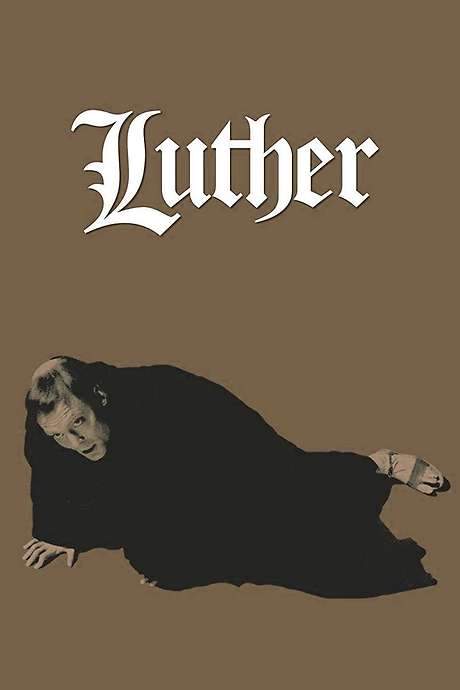
Luther
Year: 1974
Runtime: 110 mins
Language: English
Director: Guy Green
In 1525 the world was rocked by a powerful explosion. His name was Luther. A 16th-century clergyman’s view breaks the Catholic Church apart.
Where to Watch Luther?
Find where to stream, rent, or buy Luther (1974) in the US with current JustWatch availability, up-to-date pricing, and platform listings for subscription, rental, and digital purchase options.








Warning: spoilers below!
Haven’t seen Luther yet? This summary contains major spoilers. Bookmark the page, watch the movie, and come back for the full breakdown. If you're ready, scroll on and relive the story!
Timeline & Setting – Luther (1974)
Explore the full timeline and setting of Luther (1974). Follow every major event in chronological order and see how the environment shapes the story, characters, and dramatic tension.
Last updated: October 04, 2025 at 16:20
Main Characters – Luther (1974)
Meet the key characters of Luther (1974), with detailed profiles, motivations, and roles in the plot. Understand their emotional journeys and what they reveal about the film’s deeper themes.
Last updated: October 04, 2025 at 16:20
Major Themes – Luther (1974)
Explore the central themes of Luther (1974), from psychological, social, and emotional dimensions to philosophical messages. Understand what the film is really saying beneath the surface.
Last updated: October 04, 2025 at 16:20
Luther (1974) Character & Theme Questions Answered – Info FAQ
Browse frequently asked questions about Luther (1974) focused on characters, relationships, themes, symbols, setting, and story context. This movie info FAQ gives spoiler-aware explanations for character arcs, world details, and thematic interpretation so readers can better understand what the film is really about.
Where is most of the movie set?
The film takes place primarily at the Augustinian monastery in Erfurt, where Luther serves as a monk from 1506. Key scenes also occur in Augsburg during his confrontation with church authorities in 1518, and at the Diet of Worms where he makes his famous stand. A later marketplace scene depicts the aftermath of the Peasants' Revolt of 1525.
When does the movie take place?
The story unfolds during the early to mid-16th century in the Holy Roman Empire, a period marked by intense religious upheaval. It follows Luther's transformation from monk to reformer, beginning around 1506 and extending through the posting of the Ninety-Five Theses in 1517 to the Diet of Worms in 1521.
What is the main theme of Faith and Doubt about?
The film explores Luther's profound inner struggle with sin and his fear of divine judgment. As a monk, he battles darkness and unbelief while seeking mercy through personal faith. The tension between his private doubts and public role as a reformer drives the narrative from fear toward conviction.
Who is Martin Luther in the story?
Martin Luther is a brilliant but tormented monk who wrestles with sin, doubt, and fear of divine judgment. His arc moves from strict ascetic perfectionism to a faith-centered conviction. He becomes a reformer who challenges church authority and defies it publicly, driven by his need to align belief with personal conscience.
Who is Katharina von Bora?
Katharina von Bora is Luther's wife, depicted as a stabilizing presence who helps ground him during his spiritual and doctrinal crises. She offers a practical, compassionate counterweight to his intense introspection, representing the human dimension of reform within the clerical world of the 16th century.
Who is Johann von Staupitz?
Johann von Staupitz is Luther's mentor and Vicar General who counsels him to refine his critique and pursue reform through careful scholarship. He serves as a sympathetic guide who understands the tension between obedience and theological rebellion, helping Luther articulate his doubts and beliefs.
Who is Johann Tetzel and why is he important?
Johann Tetzel is the indulgence preacher whose monetized approach to forgiveness directly triggers Luther's critique. He embodies the commercially driven theology that Luther challenges, representing the corrupt practices that sparked the wider reform movement and the conflict over salvation for sale.
Who is Cardinal Cajetan de Vio?
Cardinal Cajetan de Vio is the church official who confronts Luther with the threat of doctrinal censure. He represents the institutional counterforce to reform, embodying ecclesiastical authority and the pressure to retract his teachings. His exchanges with Luther underscore the high-stakes theological dispute.
How does the Peasants' Revolt fit into the story?
The Peasants' Revolt of 1925 appears as a later scene showing a devastated marketplace, underscoring the social consequences of religious reform. The film depicts how Luther's challenge to church authority ignites broader social upheaval, with mobs and political pressure highlighting the cost of dissent.
What is the significance of the Ninety-Five Theses?
The Ninety-Five Theses represent the power of words and public declaration in the film. Luther's document attacking indulgences marked a turning point in religious history, challenging the church's monetized salvation system. The film emphasizes how faith grounded in scripture, not ritual, became a central tenet of reform.
What happens at the Diet of Worms?
The Diet of Worms is where Luther refuses to recant his beliefs, delivering the famous stand 'Here I stand.' This scene represents the climax of the authority versus conscience theme, where Luther chooses personal conviction over institutional pressure. It marks a decisive moment in religious history and the narrative's high point.

Explore Movie Threads
Discover curated groups of movies connected by mood, themes, and story style. Browse collections built around emotion, atmosphere, and narrative focus to easily find films that match what you feel like watching right now.
Life-changing convictions: movies like Luther
Personal conviction sparks sweeping societal change in grounded biographical dramas.Explore more films like Luther, featuring historical figures whose personal beliefs ignite major change. If you enjoyed the serious, steady pacing and intellectual weight of Luther, this thread highlights similar biographical dramas about faith, doubt, and challenging authority.

Reagan
2024
Luther
1974
Deeper
2010
Kinsey
2004

2016: Obama's America
2012

The Scarlett O’Hara War
1980

The American Ruling Class
2005

Wells Fargo
1937
A Decade Under the Influence
2003
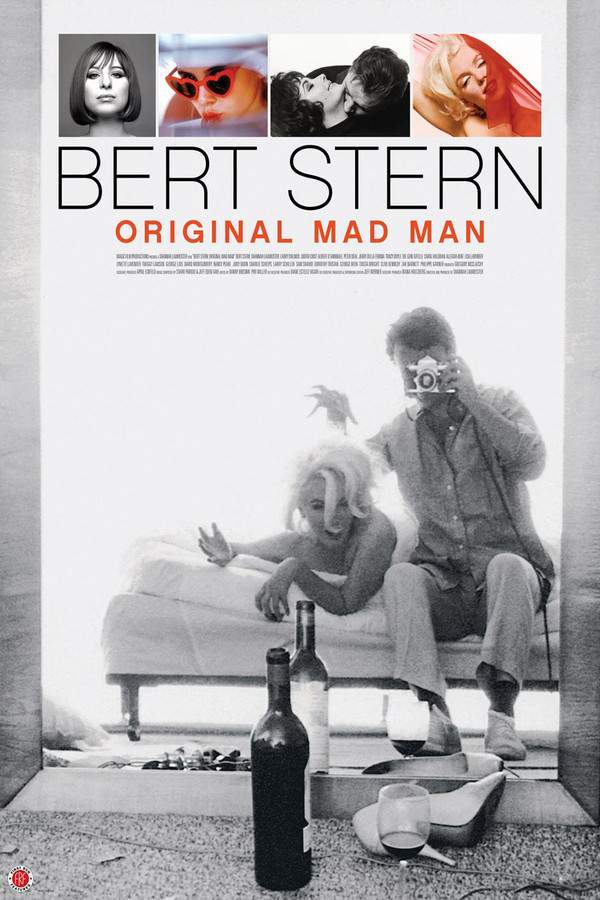
Bert Stern: Original Madman
2013

Altina
2014

Finding Atlantis
2011

Better Angels
2018

The Grass Is Greener
1960

Chance of a Lifetime
1950
Narrative Summary
The narrative typically follows a single, principled individual who questions a powerful establishment. Their internal conflict between faith, doubt, or conscience escalates into an external, public confrontation, leading to irreversible historical consequences. The journey is often intellectual and spiritual, driven by dialogue and conviction rather than physical action.
Why These Movies?
These movies are grouped by their shared focus on a grounded, character-driven exploration of a key historical moment. They prioritize serious, contemplative pacing and medium emotional weight, creating a thoughtful experience centered on ideas and personal sacrifice that reshape the world.
Intellectual upheaval dramas similar to Luther
Intellectual and spiritual revolutions unfold with steady, serious pacing.Find movies similar to Luther that explore the power of ideas to fracture societies. If you liked the film's focus on religious reformation and challenging authority, this collection features other serious, steady-paced dramas about faith, doubt, and societal transformation.
Deeper
2010

The Milky Way
1969
Luther
1974
Better Angels
2018

Hacking at Leaves
2024
The American Ruling Class
2005

Gobeklitepe: The World’s First Temple
2010

Cold Weather
2011
Finding Atlantis
2011

Ayn Rand & the Prophecy of Atlas Shrugged
2011

Night on Earth
1991
Chance of a Lifetime
1950

The Occupation of the American Mind
2016

Defamation
2009
2016: Obama's America
2012
Narrative Summary
Stories in this thread revolve around a paradigm-shifting idea or belief system that challenges the status quo. The central conflict is ideological, pitting an individual or small group against a powerful institution. The plot unfolds through debates, internal turmoil, and the gradual, often painful, spread of a new way of thinking.
Why These Movies?
These films share a specific vibe: a serious, neutral tone combined with steady pacing to explore weighty intellectual or spiritual themes. They are characterized by their focus on societal upheaval born from conviction, rather than physical violence or fast-paced plots, creating a consistently thoughtful and challenging mood.
Unlock the Full Story of Luther
Don't stop at just watching - explore Luther in full detail. From the complete plot summary and scene-by-scene timeline to character breakdowns, thematic analysis, and a deep dive into the ending - every page helps you truly understand what Luther is all about. Plus, discover what's next after the movie.
Luther Summary
Read a complete plot summary of Luther, including all key story points, character arcs, and turning points. This in-depth recap is ideal for understanding the narrative structure or reviewing what happened in the movie.


