Plot Explained Spoilers guaranteed!
Plot Explained

Browse by genre

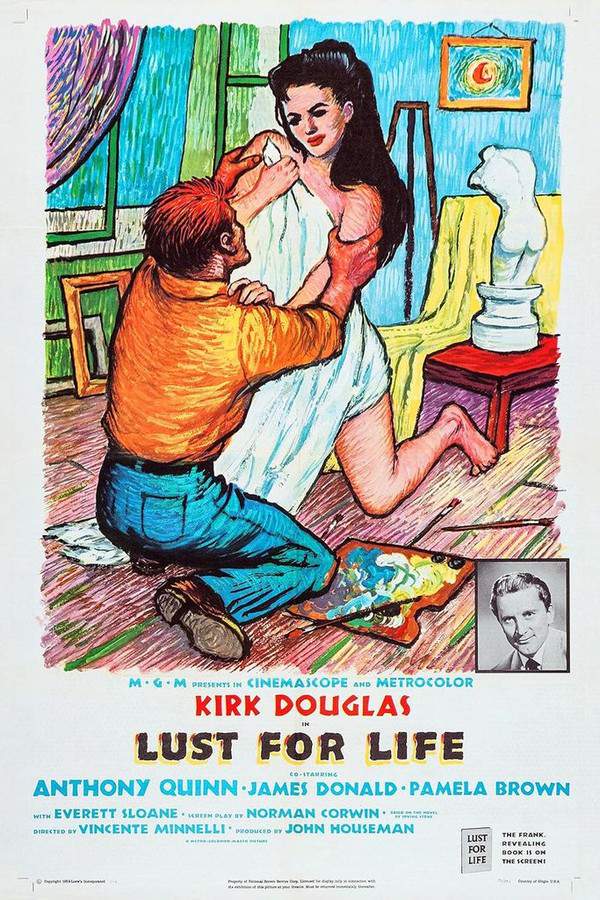
Lust for Life (1956) movie poster

Characters & Themes

Lust for Life (1956) Characters, Setting & Themes Explained

Release, runtime and language
1956 · 122 min · English
Loading streaming availability…
Directed by
George Cukor, Vincente Minnelli
Starring
Anthony Quinn, Niall MacGinnis, Pamela Brown, James Donald, Kirk Douglas, Jill Bennett

This sweeping biopic explores the passionate and troubled life of Vincent Van Gogh, a brilliant artist struggling with mental anguish. Driven by unbridled creative fervor, he pours his soul onto canvas, seeking inspiration and validation. His tumultuous relationship with fiery mentor Paul Gauguin further complicates his journey as he battles self-doubt and seeks to overcome the darkness that threatens to consume him.

On this page (7)
  1. 1 Where to watch
  2. 2 Characters explained (5)
  3. 3 Where & when it takes place
  4. 4 Themes & meaning (3)
  5. 5 Character & meaning questions
  6. 6 Movie threads
  7. 7 Every angle
Loading streaming availability…

5 main characters · contains spoilers

Lust for Life Characters Explained: Who Is Who

The main characters of Lust for Life (1956), heroes and villains: what drives them, how they change over the course of the story and what each of them reveals about the film's bigger ideas.

  • Vincent van Gogh (Kirk Douglas)

    An intensely passionate artist whose initial religious zeal evolves into a radical, socially conscious striving to paint what he sees. He endures poverty and social rejection while pursuing a deeper truth through art. His unwavering commitment strains every relationship and pushes him toward extreme acts in pursuit of expression.

    • 🎨 Artist
    • 🧠 Obsessive
    • 🌍 Idealist
  • Theo van Gogh (James Donald)

    Vincent’s loyal brother who provides practical and moral support, acting as a steady anchor amid his brother’s turmoil. He funds and encourages Vincent’s art, sustaining him through failed starts and volatile phases. The relationship highlights family bonds amid creative upheaval.

    • 🤝 Brother
    • 💡 Support
    • 🧭 Realist
  • Paul Gauguin (Anthony Quinn)

    A fellow artist whose arrival in Paris and Arles matches Vincent’s surge of inspiration and volatility. Their friendship fuels ambitious painting yet also sparks clashes over art and temperament. Gauguin’s departure marks a turning point that intensifies Vincent’s instability.

    • 🖌️ Artist
    • 👫 Friend
    • 🔥 Controversial
  • Anton Mauve (Niall MacGinnis)

    Vincent’s cousin and early mentor who provides paint and encouragement. His support helps kickstart Vincent’s painting, offering a bridge from poverty to a fledgling artistic practice. The relationship underscores the role of family ties in nurturing talent.

    • 👨‍🎨 Mentor
    • 🪶 Cousin
    • 🧭 Supportive
  • Kee Vos-Stricker

    A cousin whom Vincent ardently loves but who rejects him due to his inability to support himself. This rejection deepens his emotional isolation and fuels his drive to prove himself through art.

    • 💔 Love Interest
    • 🚫 Rejection

Last updated: November 22, 2025 at 15:34

Was this helpful?

Setting

Where and When Does Lust for Life Take Place?

The setting of Lust for Life (1956): the year and time period, the places and locations, and how they shape the characters, the mood and the tension of the story.

Time period

Late 19th century

Set in the late 19th century, the film traces Vincent’s evolution from a conflicted clerical aspirant to a revolutionary painter. It spans the 1880s–1890s, a period of intense artistic change and social upheaval in Europe. The era’s religious debates, poverty, and burgeoning art movements shape his volatile path.

Location

Netherlands, Paris, Arles, Rural countryside

The story moves from a Dutch mining community where Vincent is first positioned to address social hardship, to the artistic circles of Paris, and finally to the sunlit countryside of Arles that becomes his open-air studio. It also touches on rural areas where he attempts to translate his vision onto canvas. These varied settings reflect a life split between struggle, expatriate discovery, and the headlong pursuit of painting.

  • 🏭 Dutch mining town
  • 🗼 Paris art scene
  • 🏜️ Arles countryside
  • 🖼️ Art world

Last updated: November 22, 2025 at 15:34

Was this helpful?

3 major themes

Lust for Life Meaning: Themes & Message Explained

What is Lust for Life (1956) really about? The emotional, social and philosophical themes the film keeps returning to, its symbolism and the message beneath the surface.

  • Obsession

    Vincent’s relentless drive to render what he sees drives him into isolation and conflict with authority. His art becomes both lifeline and torment, blurring the line between genius and madness. Relationships falter as the need to paint overwhelms practical concerns. The film centers on how artistic fixation reshapes life and fate.

  • Poverty

    Financial hardship constrains Vincent, forcing him to rely on others while he pursues painting. The scarcity of money amplifies his emotional volatility and tests loyalties within his circle. Poverty is shown not just as lack of funds, but as a catalyst for intense dedication to art. It frames how survival and creativity tug at the same thread.

  • Mental Health

    The narrative highlights Vincent’s seizures, erratic behavior, and perceived detachment from reality. His periods of clarity coexist with episodes of distress, culminating in institutionalization and a painful struggle for autonomy. The film portrays mental strain as both a source of artistic insight and profound human suffering.

Last updated: November 22, 2025 at 15:34

Was this helpful?

Character & theme questions

Lust for Life Characters & Meaning: Your Questions Answered

The questions people ask about Lust for Life (1956): who the characters really are, their relationships, what the symbols mean, where it takes place and what the movie is really about. Each answer contains spoilers.

Q1

Where is the movie set?

The film is set across several key locations that map Vincent van Gogh's artistic journey: a Dutch mining community where he first engages with social hardship, the vibrant art scene of Paris, and the sunlit Arles countryside that becomes his primary open-air studio. These settings reflect his transition from struggle to expatriate discovery to passionate painting.

  • locations
  • dutch mining town
  • paris
  • arles
  • settings
Q2

What time period does the film cover?

The film is set in the late 19th century, spanning the 1880s through the 1890s. This was a period of intense artistic change and social upheaval in Europe, marked by religious debates, widespread poverty, and the emergence of new art movements that shaped Vincent's revolutionary path.

  • late 19th century
  • 1880s
  • 1890s
  • era
  • time period
Q3

What are the main themes of the film?

The film explores three interconnected themes: Obsession, which examines how Vincent's relentless drive to paint consumes his relationships and sanity; Poverty, showing how financial hardship forces him to rely on others while amplifying his emotional volatility; and Mental Health, depicting his struggles with seizures, erratic behavior, institutionalization, and the painful fight for autonomy.

  • themes
  • obsession
  • poverty
  • mental health
  • artistic drive
Q4

What is the relationship between Vincent and Paul Gauguin?

Paul Gauguin is a fellow artist whose arrival in Paris and later Arles fuels both Vincent's inspiration and volatility. Their friendship drives ambitious collaborative painting but also sparks intense clashes over art and temperament. Gauguin's departure marks a turning point that deepens Vincent's instability.

  • paul gauguin
  • relationship
  • artistic rivalry
  • arles
  • collaboration
Q5

Who is Theo van Gogh and what is his role?

Theo van Gogh is Vincent's loyal brother who provides essential practical and moral support throughout the film. He funds and encourages Vincent's art through failed starts and volatile phases, acting as a steady anchor amid his brother's turmoil. Their relationship highlights the power of family bonds during creative upheaval.

  • theo van gogh
  • brother
  • support
  • financial help
  • family bonds
Q6

Why is Arles significant in the story?

Arles represents the sunlit countryside that becomes Vincent's open-air studio, marking a pivotal phase in his artistic development. The rural setting allows him to translate his intense vision directly onto canvas, and it's here that his most productive and turbulent period unfolds, including his relationship with Gauguin.

  • arles
  • countryside
  • painting
  • studio
  • art development
Q7

How does the film portray Vincent's mental health struggles?

The film depicts Vincent's mental strain through his seizures, erratic behavior, and periods of perceived detachment from reality. His episodes of distress culminate in institutionalization and a painful struggle for autonomy. The portrayal presents mental illness as both a source of profound suffering and unexpected artistic insight.

  • mental health
  • seizures
  • mental illness
  • institutionalization
  • psychological struggle
Q8

Who is Kee Vos-Stricker and why does her rejection matter?

Kee Vos-Stricker is Vincent's cousin whom he loves ardently but who rejects him due to his inability to support himself financially. This rejection deepens his emotional isolation and intensifies his drive to prove his worth through art, fueling the obsessive dedication that defines his character.

  • kee vos-stricker
  • cousin
  • rejection
  • love
  • emotional isolation
Q9

What does the film say about artistic obsession?

The film portrays artistic obsession as both a lifeline and a torment for Vincent. His relentless drive to render what he sees leads to isolation and conflict with authority. His art becomes the central force in his life, blurring the line between genius and madness as the need to paint overwhelms practical concerns and relationships.

  • artistic obsession
  • genius
  • creativity
  • obsession with painting
  • art as life
Q10

Who is Anton Mauve and what role does he play?

Anton Mauve is Vincent's cousin and early mentor who provides paint and encouragement during his formative period as an artist. His support helps kickstart Vincent's painting career, offering a crucial bridge from poverty to a fledgling artistic practice and underscoring the role of family ties in nurturing talent.

  • antoni mauve
  • mentor
  • cousin
  • painting lessons
  • early career
Q11

What role does Paris play in the film?

Paris represents the cosmopolitan art scene where Vincent gains exposure to the burgeoning artistic movements of the late 19th century. The city marks his transition from isolated struggle to engaging with fellow artists like Gauguin, providing both creative stimulation and the expatriate community that shapes his revolutionary approach to painting.

  • paris
  • art scene
  • expatriate
  • artistic movements
  • creative development
Q12

How does the film connect poverty to art?

The film presents poverty not merely as a lack of funds but as a catalyst that intensifies Vincent's dedication to art. Financial hardship forces him to rely on others, particularly his brother Theo, while also amplifying his emotional volatility. The scarcity creates a paradox where survival and creativity pull simultaneously against each other.

  • poverty
  • financial hardship
  • art funding
  • struggle
  • artistic sacrifice

Movie threads

More Movies Like Lust for Life, by Mood & Story

Curated lists built around what makes Lust for Life tick: the same mood, the same kind of story or the same emotional payoff. Each list explains why these movies belong together.

Tortured artist movies like Lust for Life

Biographical dramas about brilliant minds battling inner demons for their art. If you were captivated by Lust for Life's portrayal of Vincent Van Gogh, explore more movies like it. These biographical dramas focus on brilliant creators whose artistic passion is intertwined with profound mental anguish, offering similar stories of creative struggle and tragic genius.

  • tormented
  • melancholic
  • passionate
  • somber
  • introspective
  • desperate
  • Tone: melancholic, tragic
  • Pacing: steady, chronological
Why these movies?

The story pattern: These stories typically follow a linear biographical path, charting the protagonist's rise in creative output concurrent with their descent into personal turmoil. The central conflict is internal—the battle between the drive to create and the weight of mental illness, poverty, or societal rejection, often leading to a tragic conclusion.

Why they belong together: Movies in this thread are grouped by their focus on the archetype of the 'tortured artist.' They share a heavy emotional weight, a melancholic tone, and a straightforward yet relentless narrative that explores the high cost of genius. The viewing experience is characterized by a deep, reflective sadness and a sense of witnessing brilliance crushed by despair.
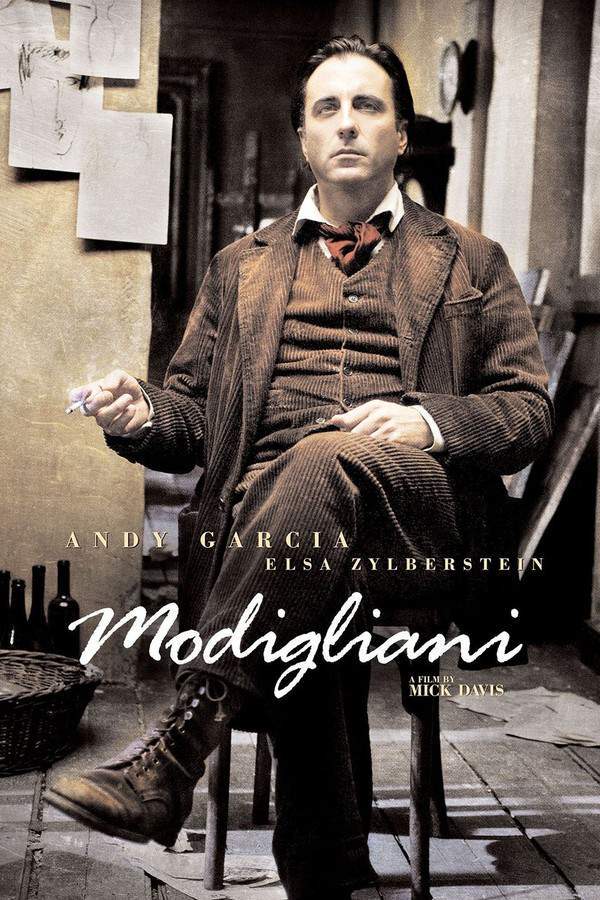
Heavy melancholic dramas like Lust for Life

Steady, character-driven journeys into profound sadness and psychological decline. For viewers who appreciated the heavy, melancholic mood of Lust for Life, this section highlights similar films. Find other movies like Lust for Life that feature a steady pace, high emotional intensity, and a deeply sad tone, focusing on characters facing psychological turmoil and tragic fates.

  • melancholic
  • somber
  • heavy
  • despair
  • unsettling
  • psychological
  • Tone: melancholic, somber, bleak
  • Pacing: steady, methodical
Why these movies?

The story pattern: The narrative pattern is one of gradual, inevitable decline. A character, often sensitive or brilliant, faces a series of internal and external hardships. The story moves methodically, without significant relief or hope, toward a conclusion that confirms the overwhelming nature of their suffering. The journey is less about plot twists and more about the emotional descent.

Why they belong together: These films are united by a specific and potent mix of tone, pacing, and intensity. They create a coherent vibe of solemn reflection and deep sadness. The shared experience is one of witnessing a human spirit be slowly consumed by darkness, delivered with a steady hand that makes the emotional impact even more powerful.

Every angle

Lust for Life (1956) Explained: Plot, Timeline & Characters

Everything about Lust for Life in one place: what happens in the plot summary, the timeline in chronological order, the characters and meaning and a spoiler-free summary. What's After the Movie adds the cast, box office and post-credit scenes.

Coming soon on iOS and Android

The Plot Explained Movie Summary App

Plot summaries, endings explained and timelines on your phone. Catch up on any movie in minutes, save your favorites and never miss a twist again.

Be the first to know when we launch. Your email stays private, always.

Learn more about the app