Plot Explained Spoilers guaranteed!
Plot Explained

Browse by genre

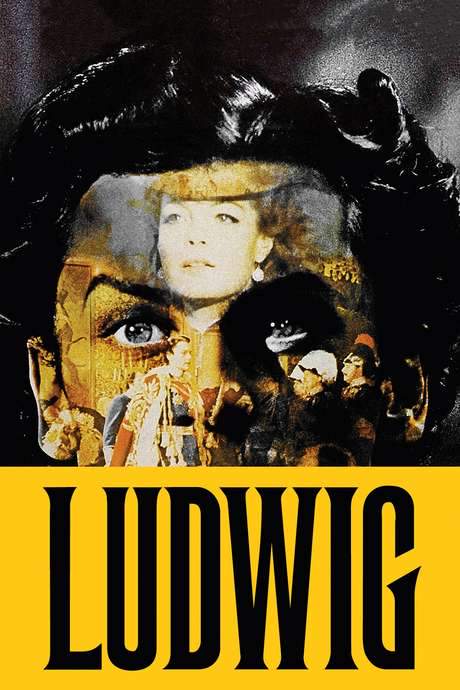
Ludwig (1973) movie poster

Characters & Themes

Ludwig (1973) Characters, Setting & Themes Explained

Release, runtime and language
1973 · 238 mins · English
Directed by
Luchino Visconti
Starring
Gert Fröbe, Adriana Asti, Trevor Howard, Marc Porel, Eva Axén, Romy Schneider

From his 1864 coronation to his 1886 death, the film shows Ludwig as a controversial ruler who pursued women and men, ignoring public opinion. He admired Richard Wagner—later spurned and fell hopelessly for his cousin Elisabeth of Austria, whose rejection fuels his turmoil. Haunted by his sexuality, he descends into madness, a tragic romantic saga.

On this page (7)
  1. 1 Characters explained (7)
  2. 2 Where & when it takes place
  3. 3 Themes & meaning (4)
  4. 4 Character & meaning questions
  5. 5 Movie threads
  6. 6 Movies like Ludwig
  7. 7 Every angle

7 main characters · contains spoilers

Ludwig Characters Explained: Who Is Who

The main characters of Ludwig (1973), heroes and villains: what drives them, how they change over the course of the story and what each of them reveals about the film's bigger ideas.

  • Ludwig II (Helmut Berger)

    An idealistic and reclusive king who seeks companionship beyond politics. He lavishes Wagner and the arts with wealth, often at the expense of governance. His struggle with sexuality and guilt drives him toward private fantasy and monumental castles. Beneath charm lies a vulnerable ruler whose dreams threaten his throne.

    • 👑 Monarch
    • 🌙 Dreamer
    • 🏰 Reclusive
  • Richard Wagner (Trevor Howard)

    A brilliant, charismatic composer whose music defines Ludwig’s cultural world. His influence at court is deep but precarious, especially as personal scandal emerges. The relationship between patron and artist tests the limits of loyalty when art collides with passion.

    • 🎼 Composer
    • 🔥 Passionate
  • Cosima von Bülow (Silvana Mangano)

    Cosima is a cultured, independent presence at the rhythm of Wagner’s circle. Her affair with Wagner and her status as Hans von Bülow’s wife place her at the center of court intrigue. She embodies the tensions between artistic life, marriage, and power within Ludwig’s orbit.

    • 🎭 Aristocracy
    • 🎶 Muse
  • Elisabeth of Austria (Romy Schneider)

    A charismatic cousin who wields influence over court life and Ludwig’s emotional world. She shares a kiss with Ludwig and guides dynastic marriage plans that shape the king’s personal and political life. Her presence highlights the blend of affection, ambition, and strategy at the imperial court.

    • 👑 Empress
    • 💫 Magnetic
  • Sophie (Sonia Petrovna)

    Elisabeth’s sister and Ludwig’s potential bride, she embodies dynastic expectations and the human cost of political matchmaking. Her prospects wane as Ludwig pursues other appetites, revealing the friction between duty and desire. Her role underscores how royal plans interact with personal heartbreak.

    • 👸 Princess
    • 💔 Unfulfilled Love
  • Prince Otto (John Moulder-Brown)

    Ludwig’s younger brother whose health deteriorates, echoing the family’s fragility under royal burdens. Otto’s decline contributes to the sense of a royal house under strain. He becomes a touchstone for the era’s vulnerability and the consequences of public life on private lives.

    • 👑 Prince
    • 🧑‍⚕️ Health
  • Count von Holnstein (Umberto Orsini)

    A member of the aristocracy who watches Ludwig’s decisions with cautious interest. He embodies the political and social networks surrounding the Bavarian court. His presence highlights the external pressures and alliances shaping the king’s rule.

    • 🏛️ Aristocracy
    • 🗝️ Power

Last updated: October 04, 2025 at 14:45

Was this helpful?

Setting

Where and When Does Ludwig Take Place?

The setting of Ludwig (1973): the year and time period, the places and locations, and how they shape the characters, the mood and the tension of the story.

Time period

1864-1886

The narrative begins with Ludwig II’s 1864 coronation and extends to his death in 1886, spanning the mid- to late-19th century. It covers the era of German unification, including the Austro-Prussian War (1866) and the reshaping of Bavaria within a Prussian-led empire. Throughout, the king’s personal fantasies clash with political realities, shaping both his reign and his decline.

Location

Munich, Bavaria, Berg Castle near Lake Starnberg, Bad Ischl, Neuschwanstein Castle, Linderhof Palace, Herrenchiemsee, Lake Starnberg

The film is set in Munich and the surrounding royal seats of Bavaria, capturing the courtly life and artistic milieu of 19th-century Bavaria. It also moves to Alpine locales around Lake Starnberg, including Berg Castle, where private life collides with public duties. Iconic royal residences—Neuschwanstein, Linderhof, and Herrenchiemsee—appear as symbols of Ludwig II’s dream world. Bad Ischl serves as a backdrop for aristocratic gatherings that reveal political tensions beneath surface glamour.

  • 🏰 Bavarian royalty
  • 🎨 Arts & culture
  • 🗺️ European history

Last updated: October 04, 2025 at 14:45

Was this helpful?

4 major themes

Ludwig Meaning: Themes & Message Explained

What is Ludwig (1973) really about? The emotional, social and philosophical themes the film keeps returning to, its symbolism and the message beneath the surface.

  • Art & Patronage

    Art and patronage drive Ludwig’s reign, funneling state resources into Wagner’s music and grand architectural projects. The cabinet’s resentment over expense exposes a clash between cultural idealism and political pragmatism. Wagner’s genius elevates the court’s reputation even as personal entanglements threaten scandal. The film questions whether art should steer a nation or remain a private passion.

  • Identity & Isolation

    Ludwig isolates himself from political life, seeking refuge in fantasy and private relationships that defy court norms. The story probes his sexual identity and the guilt he feels, highlighting a ruler torn between duty and desire. Friends and advisers misread his intentions, deepening his withdrawal from public duties. The result is a poignant portrait of a sovereign whose inner life becomes both sanctuary and prison.

  • Power & Politics

    Court politics and bureaucratic pressure constrain Ludwig, revealing the fragility of royal autonomy in a modernizing state. The plot traces tensions between monarchical symbolism and the realities of governance during Bavaria’s evolving relationship with a Prussian-led empire. Dynastic pressures, fiscal scrutiny, and public expectations push Ludwig toward increasingly isolated decisions. The dynasty’s fate underscores how power can erode when personal whim clashes with state interests.

  • Myth vs Reality

    The castles Ludwig commissions become living symbols of a dream world colliding with harsh political necessity. Fairy-tale imagery stands in deliberate contrast to debt, scandal, and mental health concerns surrounding the king. The film toys with whether legend can sustain a throne or if truth must prevail. Landscape and architecture serve to illuminate the discrepancy between myth and reality in Ludwig’s reign.

Last updated: October 04, 2025 at 14:45

Was this helpful?

Character & theme questions

Ludwig Characters & Meaning: Your Questions Answered

The questions people ask about Ludwig (1973): who the characters really are, their relationships, what the symbols mean, where it takes place and what the movie is really about. Each answer contains spoilers.

Q1

Where is the movie Ludwig set?

The film is set primarily in Munich and the royal seats of Bavaria, including iconic locations like Neuschwanstein Castle, Linderhof Palace, and Herrenchiemsee. It also depicts scenes around Lake Starnberg at Berg Castle and in Bad Ischl, where aristocratic gatherings reveal political tensions beneath the surface glamour.

  • munich
  • bavaria
  • neuschwanstein
  • linderhof
  • herrenchiemsee
  • setting
  • location
Q2

When does Ludwig II's reign take place?

The film covers Ludwig II's reign from his 1864 coronation to his death in 1886, spanning the mid- to late-19th century. This period coincides with German unification, including the Austro-Prussian War of 1866 and Bavaria's integration into a Prussian-led empire.

  • 1864
  • 1886
  • german unification
  • 19th century
  • bavaria
  • history
Q3

What is the Art and Patronage theme in Ludwig?

Art and Patronage explores how Ludwig channeled vast state resources into Wagner's music and grand architectural projects, creating tension between cultural idealism and political pragmatism. The film questions whether art should guide a nation or remain a private passion, as the king's spending strains his relationship with his cabinet.

  • art
  • patronage
  • wagner
  • music
  • castle
  • culture
Q4

How does Ludwig's struggle with identity shape his reign?

Ludwig's struggle with his sexuality and the guilt it brings drives him toward isolation and private fantasy. He withdraws from public duties, seeking refuge in relationships that defy court norms. This tension between duty and desire becomes both his sanctuary and his prison, ultimately contributing to his mental decline.

  • sexuality
  • identity
  • isolation
  • guilt
  • mental health
  • withdrawal
Q5

What political pressures does Ludwig face as king?

Ludwig faces mounting pressure from court politics and bureaucratic forces that constrain royal autonomy during a period of German unification. Tensions between monarchical symbolism and governance realities intensify as Bavaria aligns with Prussia. Fiscal scrutiny, dynastic expectations, and public criticism push Ludwig toward increasingly isolated decisions that ultimately lead to his deposition.

  • politics
  • power
  • bavaria
  • prussia
  • government
  • king
  • conflict
Q6

Who is Richard Wagner in the film?

Richard Wagner is the brilliant, charismatic composer whose music defines Ludwig's cultural world. Their relationship represents the tension between patron and artist, as Wagner's deep influence at court becomes precarious when personal scandal emerges. Wagner's genius elevates the Bavarian court's reputation while his entanglements threaten political stability.

  • wagner
  • composer
  • music
  • patron
  • relationship
  • court
Q7

Who is Elisabeth of Austria in Ludwig?

Elisabeth of Austria is Ludwig's cousin, portrayed as a charismatic woman who significantly influences his emotional world. She shares a kiss with Ludwig and becomes central to dynastic marriage plans that shape both his personal and political life. Her rejection of Ludwig fuels his internal turmoil, representing the intersection of affection, ambition, and strategy at the imperial court.

  • elisabeth
  • austria
  • cousin
  • love
  • rejection
  • dynasty
Q8

What does the Myth vs Reality theme represent in Ludwig?

The Myth vs Reality theme examines how Ludwig's commissioned castles, Neuschwanstein, Linderhof, and Herrenchiemsee, become symbols of his dream world colliding with harsh political necessity. Fairy-tale imagery stands in contrast to mounting debt, scandal, and concerns about his mental health. The film explores whether legend can sustain a throne or if truth must ultimately prevail.

  • myth
  • reality
  • castle
  • dream
  • fantasy
  • debt
  • legend
Q9

Who is Prince Otto in the film?

Prince Otto is Ludwig's younger brother, whose health deteriorates throughout the film, echoing the Bavarian royal family's fragility under the burdens of power. Otto's decline serves as a touchstone for the era's vulnerability and demonstrates how the pressures of public life affect private well-being, contributing to the sense of a royal house under strain.

  • prince otto
  • brother
  • health
  • royal family
  • vulnerability
Q10

What motivates King Ludwig II in the story?

Ludwig II is motivated by a deep desire to pursue art and beauty beyond the constraints of politics. He seeks companionship away from governance, lavishing resources on Wagner and monumental castle projects. His core motivation is the search for meaning and connection while grappling with inner conflicts over his sexuality, ultimately choosing his private fantasy world over the realities of ruling.

  • ludwig
  • king
  • motivation
  • dreams
  • art
  • fantasy
  • desire
Q11

Who is Cosima von Bülow in Ludwig?

Cosima von Bülow is a cultured, independent figure within Wagner's circle. She becomes romantically involved with Wagner while still married to Hans von Bülow, placing her at the center of court intrigue. Cosima embodies the tensions between artistic life, marriage, and power dynamics within Ludwig's orbit, representing the complex personal relationships that surround the king.

  • cosima
  • wagner
  • bülow
  • affair
  • intrigue
  • court
Q12

Why is Ludwig removed from power?

Ludwig is removed from power due to his increasing isolation from political duties, his unsustainable spending on artistic projects and castles, and concerns about his mental health. The Bavarian cabinet, facing mounting debt and political pressure from Prussia, declares him unfit to rule and installs a regency. His deposition represents the collision between personal whim and state interests during a transformative period in German history.

  • deposition
  • regency
  • abdication
  • mental health
  • debt
  • politics
  • bavaria

Movie threads

More Movies Like Ludwig, by Mood & Story

Curated lists built around what makes Ludwig tick: the same mood, the same kind of story or the same emotional payoff. Each list explains why these movies belong together.

Tragic Royalty Stories like in Ludwig

Stories of kings and queens whose inner turmoil leads to a tragic downfall. Movies like Ludwig that explore the tragic downfall of monarchs haunted by mental illness, loneliness, and the crushing weight of the crown. If you liked the story of King Ludwig's descent into madness, you'll find similar epic and melancholic historical dramas here.

  • tragic
  • melancholic
  • opulent
  • lonely
  • decadent
  • somber
  • Tone: melancholic, tragic
  • Pacing: slow, deliberate
Why these movies?

The story pattern: These narratives follow a character arc of a powerful figure, often a monarch, whose reign is marked by increasing psychological distress and alienation. The story contrasts their external wealth and status with internal decay, culminating in a tragic, often politically motivated, end.

Why they belong together: Movies in this thread share a focus on the intersection of absolute power and profound personal fragility. They are united by a melancholic tone, heavy emotional weight, and a slow pacing that allows for a deep dive into a character's psychological unraveling against a backdrop of historical grandeur.

Slow-Burn Psychological Dramas like Ludwig

Character studies where internal conflict and isolation lead to a gradual mental collapse. If you appreciated the slow, heavy psychological unraveling in Ludwig, explore these character-driven dramas. These movies focus on mental health decline, internal conflict, and a palpable sense of isolation, often culminating in a tragic or bleak conclusion.

  • psychological
  • somber
  • dreamlike
  • oppressive
  • lonely
  • tragic
  • Tone: somber, melancholic, bleak
  • Pacing: slow burn, deliberate
Why these movies?

The story pattern: The narrative pattern is a gradual, in-depth character study. The plot is secondary to the internal journey, focusing on the accumulation of small moments, repressed emotions, and societal pressures that contribute to a character's mental fragmentation over time.

Why they belong together: These films are grouped by their shared commitment to a slow, deliberate pace that mirrors the process of psychological deterioration. They possess a heavy emotional weight, a melancholic or bleak tone, and prioritize mood and internal state over fast-paced plot mechanics.

If you liked this

Movies Like Ludwig

Similar movies to Ludwig: the same genre, themes or kind of story. Each one comes with its own plot summary, timeline and ending explained.

Browse all movie summaries

Every angle

Ludwig (1973) Explained: Plot, Timeline & Characters

Everything about Ludwig in one place: what happens in the plot summary, the timeline in chronological order, the characters and meaning and a spoiler-free summary. What's After the Movie adds the cast, box office and post-credit scenes.

Coming soon on iOS and Android

The Plot Explained Movie Summary App

Plot summaries, endings explained and timelines on your phone. Catch up on any movie in minutes, save your favorites and never miss a twist again.

Be the first to know when we launch. Your email stays private, always.

Learn more about the app