







Plot Explained Spoilers guaranteed!
Plot Explained

Browse by genre

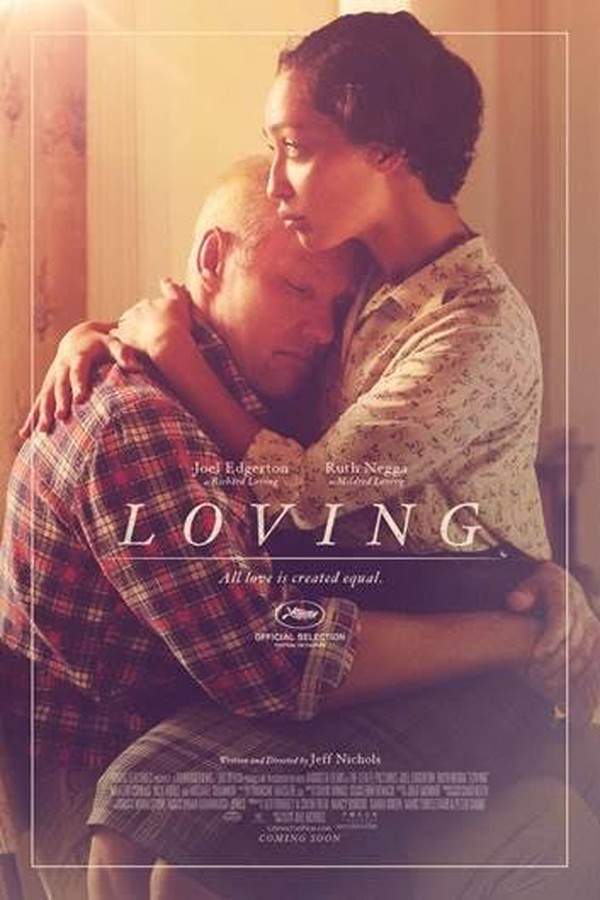
Loving (2016) movie poster

Timeline

Loving (2016) Timeline Explained – Every Event in Order

Release, runtime and language
2016 · 123 min · English
JustWatch #29,769 2
Directed by
Jeff Nichols
Starring
Ruth Negga, Joel Edgerton

In the 1950s, Richard and Mildred Loving, an interracial couple, face legal battles when they marry in Virginia. Their love is challenged by the state's anti-miscegenation laws, forcing them to leave their home and fight for the right to live together as a family. Over nine years, they pursue their case through the courts, ultimately appealing to the Supreme Court. Their courageous fight for equality profoundly impacts civil rights and changes laws for future generations.

On this page (6)
  1. 1 Where to watch
  2. 2 Events in order (15)
  3. 3 Timeline questions answered
  4. 4 Movie threads
  5. 5 Movies like Loving
  6. 6 Every angle

Where to watch

Where to Watch Loving (2016)

Where can you watch Loving? Stream, rent or buy it in the US, including on History Vault, Amazon Video and Apple TV Store: current JustWatch availability with up-to-date prices.

Streaming availability powered by JustWatch

15 events in order · contains spoilers

Loving Timeline: Events in Chronological Order

Every key event of Loving (2016) in order, scene by scene, with when and where it takes place. Use it to untangle flashbacks, time jumps and parallel storylines, to refresh your memory before the sequel or to find the exact scene you are thinking of.

  1. Meeting on the Porch

    Richard Loving enjoys a peaceful afternoon on the porch with his girlfriend, Mildred. This moment highlights their interracial romance set against the backdrop of the mid-1950s in Virginia, a time rife with racial tensions.

    When
    Mid-1950s
    Where
    Virginia
  2. A Drag Race Event

    Richard moderates a drag race that attracts participants from both races, showcasing a rare moment of racial integration. Despite the societal norms of segregation, the event is lively and upcoming, indicating a deeper bond in their community.

    Where
    Virginia
  3. Future Plans in a Field

    In a tranquil field, Richard makes romantic plans for their future, expressing his desire to build a home with Mildred. This pivotal moment solidifies their commitment to each other and foreshadows the challenges they'll later face.

    Where
    Empty Field
  4. Pregnancy News

    Mildred reveals that she is pregnant, prompting the couple to consider marriage. Understanding the legal repercussions in Virginia, they decide to travel to Washington, D.C. where their marriage would be recognized.

    Where
    Virginia
  5. The Marriage

    Richard and Mildred get married in Washington, D.C., a crucial act of defiance against Virginia's laws on interracial marriage. They return home hopeful, but soon the harsh reality of their situation begins to unfold.

    Where
    Washington, D.C.
  6. Caught and Arrested

    The sheriff discovers their marriage and promptly arrests them. Richard is released on bail, but the heavily pregnant Mildred is forced to spend time in a separate cell, emphasizing the emotional turmoil they face.

    Where
    Virginia
  7. A Heartbreaking Decision

    After hiring a lawyer, Richard learns they can only avoid jail time by leaving Virginia for 25 years. The couple faces a painful decision, resulting in their relocation to Washington, D.C., which proves challenging for them.

    Where
    Virginia to Washington, D.C.
  8. Struggles in D.C.

    Adjusting to life in Washington, D.C. proves difficult as they long for the familiarity of Virginia. Mildred feels the weight of city life, especially after a near-tragic incident involving their son.

    Where
    Washington, D.C.
  9. Seeking Help

    Motivated by her family's support and her love for Richard, Mildred writes to Attorney General Robert Kennedy. This act marks the beginning of their fight against the oppressive miscegenation laws that threaten their family.

  10. ACLU Involvement

    The American Civil Liberties Union steps in to support Richard and Mildred's case, offering legal assistance without charge. This partnership opens new possibilities in their quest for justice.

  11. Going to Court

    As the couple prepares for their Supreme Court case, they face various setbacks, including a negative ruling from the Virginia Supreme Court. Their struggle garners media attention, highlighting the significance of their fight.

    Where
    Virginia
  12. A Reporter’s Coverage

    A reporter from *Life Magazine* begins documenting Richard and Mildred's story, capturing the intimate aspects of their relationship. These insights bring national attention to their battle for love and equality.

  13. Victory in the Supreme Court

    After a long struggle, Mildred learns that the Supreme Court has unanimously ruled in their favor, striking down laws enforcing segregation. This pivotal moment validates their love and signifies a monumental change in civil rights.

  14. Return to Virginia

    The film concludes as Richard lays bricks on the home he envisioned with Mildred in Virginia. Their family of five symbolizes a culmination of their struggles, showcasing a hopeful future that contrasts with the past.

    Where
    Virginia
  15. Bittersweet Endings

    Despite their victory, Richard dies in a car accident just eight years after the ruling, while Mildred lives until 2008. Their legacy of love and perseverance remains a powerful testament to their journey.

Last updated: November 07, 2024 at 23:08

Was this helpful?

Timeline questions answered

Loving Timeline Explained: Your Questions Answered

When does it happen, and why in that order? The questions people ask about the chronology of Loving (2016): time jumps, flashbacks, cause and effect between scenes and the correct order of events, each answered with spoilers.

Q1

Why were Richard and Mildred Loving arrested?

They were arrested because Virginia had anti-miscegenation laws that prohibited interracial marriage. When the sheriff discovered their marriage (which took place in Washington, D.C. where it was legal), he declared it illegal in Virginia and arrested them both. Richard was released on bail, but the heavily pregnant Mildred was held in a separate cell.

  • arrest
  • sheriff
  • anti-miscegenation law
  • Virginia
Q2

Why did Richard and Mildred have to leave Virginia?

After their arrest, a lawyer informed them they could avoid prison time only by leaving Virginia for twenty-five years. Facing the choice between jail or exile, the couple relocated to Washington, D.C., though they struggled to adapt to urban life and constantly missed their Virginia home.

Foreshadowing: The earlier scene where Richard shows Mildred the empty field where he planned to build their home foreshadows their longing to return.

  • exile
  • 25 years
  • Washington D.C.
  • relocation
Q3

Why did Mildred write to Attorney General Robert Kennedy?

Mildred was motivated to write to Robert Kennedy after years of struggling in Washington, D.C., particularly after a frightening incident where one of her sons was nearly hit by a car. She yearned for the open spaces and simplicity of Virginia, and with her family's encouragement, she sought help against the miscegenation laws that kept them from returning home.

Foreshadowing: Her earlier wish for a more natural environment for their family planted the seed for this decisive action.

  • Robert Kennedy
  • letter
  • miscegenation laws
  • ACLU
Q4

What was the Supreme Court ruling in the Loving case?

The Supreme Court unanimously ruled in favor of Richard and Mildred Loving, striking down all remaining anti-miscegenation laws in the United States. The ruling declared that laws banning interracial marriage violated the Equal Protection and Due Process Clauses of the Fourteenth Amendment.

  • Supreme Court
  • unanimous ruling
  • Fourteenth Amendment
  • civil rights
Q5

Why did the opposing lawyer focus on the children's welfare during the trial?

During the Supreme Court case, the opposing counsel argued against the Lovings' marriage by claiming it would harm the welfare of their children. This was a common argument used to justify anti-miscegenation laws at the time, attempting to frame the couple's love as detrimental to their family.

  • children
  • welfare argument
  • opposing counsel
  • trial
Q6

What did Richard tell his lawyer to say to the court?

When faced with complex legal arguments about their marriage, Richard simply instructed his lawyer to convey: "Tell the court I love my wife." This straightforward statement grounded the entire legal battle in their personal relationship rather than abstract legal theory.

  • Richard Loving
  • lawyer
  • court
  • love declaration
Q7

Why did the ACLU take up the Lovings' case?

The American Civil Liberties Union became involved after learning about the Lovings' situation, offering to support their case free of charge. The ACLU believed their case could challenge unconstitutional segregation laws and bring national attention to the issue of racial discrimination in marriage.

  • ACLU
  • pro bono
  • legal representation
  • civil liberties
Q8

Why couldn't Richard and Mildred get married in Virginia?

Virginia, along with many other states, had laws prohibiting interracial marriage at the time. These anti-miscegenation laws dated back to the colonial era and remained in effect in the 1950s, forcing the couple to travel to Washington, D.C. where their marriage would be legally recognized.

  • interracial marriage
  • Virginia law
  • segregation
  • 1950s
Q9

What happened to Richard Loving after the Supreme Court victory?

Richard Loving died in a car accident just eight years after the Supreme Court ruled in their favor. Despite the historic victory that allowed them to return to Virginia and build the home Richard had always envisioned, he did not live to see the full impact of their legacy.

  • Richard Loving death
  • car accident
  • legacy
  • Virginia return
Q10

Why did the Loving case take nearly a decade to reach the Supreme Court?

The case took over nine years because the legal process moved slowly through multiple courts. After their initial arrest in the late 1950s, they were forced to leave Virginia, then Mildred wrote to Robert Kennedy in 1963, the ACLU took their case, they lost in Virginia's Supreme Court, and eventually the case reached the U.S. Supreme Court in 1967.

  • nine years
  • legal timeline
  • Supreme Court
  • 1967

Movie threads

More Movies Like Loving, by Mood & Story

Curated lists built around what makes Loving tick: the same mood, the same kind of story or the same emotional payoff. Each list explains why these movies belong together.

Historical dramas of quiet resistance like Loving

Personal stories of love and defiance that quietly reshape history. If you liked the intimate portrayal of resilience in Loving, explore more movies like it. These films feature ordinary people facing extraordinary circumstances, where personal love stories become the engine for historical change. Discover similar dramas about civil rights, social justice, and the quiet power of steadfast determination.

  • steadfast
  • intimate
  • oppressive
  • determined
  • yearning
  • historical
  • Tone: hopeful, determined, tender
  • Pacing: slow, deliberate, character-focused
Why these movies?

The story pattern: These narratives typically follow individuals or couples whose personal lives are disrupted by unjust laws or societal norms. The conflict is often a slow, grinding battle against a large, impersonal system, told from a grounded, human perspective. The journey emphasizes endurance, the strength found in relationships, and the incremental progress toward justice.

Why they belong together: Movies in this thread are united by their focus on personal stakes within a historical context. They share a restrained, character-centered approach to heavy themes, a tone that balances hope with harsh reality, and a pacing that allows the emotional weight of the long struggle to resonate.

Bittersweet legal love stories like Loving

Love stories tested by the law, ending with a victory that carries personal scars. Find more movies like Loving that explore the intersection of romance and the justice system. These films follow couples fighting for their right to love, resulting in a landmark legal victory with a bittersweet emotional conclusion. If you appreciated the blend of heavy romance, legal drama, and historical impact, you'll find similar stories here.

  • legal battle
  • love against odds
  • perseverance
  • family separation
  • triumphant
  • poignant
  • Tone: bittersweet, hopeful, heavy
  • Pacing: slow, grueling, steady
Why these movies?

The story pattern: The narrative pattern involves a couple whose relationship is illegal or socially condemned. They face persecution, separation, and a long, draining legal battle. The story arc leads to a pivotal courtroom victory that sets a precedent, but the ending acknowledges the immense personal toll and loss experienced during the fight, creating a poignant, bittersweet feeling.

Why they belong together: These movies are grouped by their unique blend of romance and legal drama, a heavy emotional weight, and a specifically bittersweet ending feel. They share a focus on love against overwhelming odds, the grueling pace of legal proceedings, and the complex emotions of a hard-won victory.

If you liked this

Movies Like Loving

Similar movies to Loving: the same genre, themes or kind of story. Each one comes with its own plot summary, timeline and ending explained.

Browse all movie summaries

Every angle

Loving (2016) Explained: Plot, Timeline & Characters

Everything about Loving in one place: what happens in the plot summary, the timeline in chronological order, the characters and meaning and a spoiler-free summary. What's After the Movie adds the cast, box office and post-credit scenes.

Coming soon on iOS and Android

The Plot Explained Movie Summary App

Plot summaries, endings explained and timelines on your phone. Catch up on any movie in minutes, save your favorites and never miss a twist again.

Be the first to know when we launch. Your email stays private, always.

Learn more about the app