Plot Explained Spoilers guaranteed!
Plot Explained

Browse by genre

Love Letter (1995) movie poster

Characters & Themes

Love Letter (1995) Characters, Setting & Themes Explained

Release, runtime and language
1995 · 117 mins · Japanese
Directed by
Shunji Iwai
Starring
Tomorowo Taguchi, Sansei Shiomi, Ken Mitsuishi, Takashi Kashiwabara, Keiichi Suzuki, Miho Nakayama

Hiroko attends the memorial for her fiancé Itsuki Fujii, who perished in a mountain‑climbing accident. Though his mother says their old house no longer exists, Hiroko finds the address listed under his name in his yearbook and sends a letter. To her surprise, she receives a reply from Itsuki’s former classmate, a girl also named Itsuki Fujii.

On this page (7)
  1. 1 Characters explained (4)
  2. 2 Where & when it takes place
  3. 3 Themes & meaning (3)
  4. 4 Character & meaning questions
  5. 5 Movie threads
  6. 6 Movies like Love Letter
  7. 7 Every angle

4 main characters · contains spoilers

Love Letter Characters Explained: Who Is Who

The main characters of Love Letter (1995), heroes and villains: what drives them, how they change over the course of the story and what each of them reveals about the film's bigger ideas.

  • Hiroko Watanabe (Miho Nakayama)

    A woman living in Kobe who mourns her fiancé Itsuki Fujii. She initiates and maintains a correspondence with Itsuki's look-alike, using letters to hold onto memory and to test her own feelings. Her curiosity and tenderness drive the plot as she seeks connection beyond death.

    • 💖
    • ❓
    • 📝
  • Female Itsuki Fujii (Miho Nakayama)

    A public library worker who closely resembles Hiroko. She endures a persistent cold and familial loss, and becomes the recipient of the mysterious letters that push her into an unfamiliar emotional journey. The character serves as a mirror to Hiroko's grief and longing.

    • 🧭
    • 🧊
    • 📚
  • Male Itsuki Fujii (Takashi Kashiwabara) (Young)

    The shy, peculiar boy who shares the name Itsuki with Female Itsuki. His death in the mountain accident becomes the root of the two Itsuki narrative and the catalyst for the letters exchanged years later.

    • 🧒
    • ⚰️
    • 🏔️
  • Shigeru Akiba (Etsushi Toyokawa)

    Hiroko's friend who confesses his feelings and encourages her to let go of Itsuki. He helps orchestrate the plan involving the letters, acting as a catalyst for Hiroko's journey toward closure.

    • 🗣️
    • 💬
    • 🧭

Last updated: October 04, 2025 at 16:42

Was this helpful?

Setting

Where and When Does Love Letter Take Place?

The setting of Love Letter (1995): the year and time period, the places and locations, and how they shape the characters, the mood and the tension of the story.

Time period

1990s

The narrative unfolds in contemporary Japan, during the 1990s, a period of modern urban life where letters and memory play central roles in healing. The timeline centers on a two-year gap between Itsuki's death and Hiroko's renewed engagement with him through letters. The story uses present-day settings to explore intimate emotions and quiet transformations.

Location

Kobe, Otaru, mountain site, hospital, public library

The story moves between Kobe, where Hiroko lives after her fiancé's death, and Otaru, the hometown of Female Itsuki, anchoring the film in distinct urban and small-town settings. Key scenes unfold at a mountain accident site, a hospital, and a public library, spaces that hold memory, illness, and the exchange of letters. These places frame the emotional journey from grief to tentative understanding, with weather and distance underscoring longing.

  • 🌆 Kobe
  • 🗺️ Otaru
  • 🏔️ Mountain site
  • 🏥 Hospital
  • 📚 Public Library

Last updated: October 04, 2025 at 16:42

Was this helpful?

3 major themes

Love Letter Meaning: Themes & Message Explained

What is Love Letter (1995) really about? The emotional, social and philosophical themes the film keeps returning to, its symbolism and the message beneath the surface.

  • Letter & Memory

    Letters bridge absence and longing, letting Hiroko and Female Itsuki reach across time and misunderstanding. The exchange blurs truth and sentiment, drawing the two women into a shared orbit around Itsuki's memory. The act of writing becomes a quiet path toward processing grief and preserving memory.

  • Identity & Connection

    The striking resemblance between Hiroko and Female Itsuki raises questions about identity, fate, and how people connect through names and memories. The two Itsuki Fujis share a name, yet their lives diverge, highlighting how perception shapes reality. The plot relies on this ambiguity to explore how people find connection through others who resemble their lost loved ones.

  • Grief & Healing

    Grief drives the characters as they navigate love, memory, and release. Hiroko's longing evolves as she confronts the truth behind the letters and the relationships around her. The journey moves toward forgiveness and letting go, marked by hospital scenes and quiet moments at sunrise.

Last updated: October 04, 2025 at 16:42

Was this helpful?

Character & theme questions

Love Letter Characters & Meaning: Your Questions Answered

The questions people ask about Love Letter (1995): who the characters really are, their relationships, what the symbols mean, where it takes place and what the movie is really about. Each answer contains spoilers.

Q1

Where does the story take place?

The narrative moves between Kobe, where Hiroko lives, and Otaru, the hometown of Female Itsuki. These distinct urban and small-town settings anchor the film in specific Japanese locations that frame the emotional journey.

  • setting
  • kobe
  • otaru
  • locations
  • japan
Q2

What time period is the movie set in?

Love Letter unfolds in contemporary Japan during the 1990s, a period where letters and memory play central roles in healing. The timeline centers on a two-year gap between Itsuki's death and Hiroko's renewed engagement with him.

  • 1990s
  • era
  • time period
  • contemporary japan
  • timeline
Q3

What is the central theme of the movie?

Grief and healing drive the characters as they navigate love, memory, and release. The journey moves toward forgiveness and letting go, marked by quiet moments that define the core message of Love Letter.

  • grief
  • healing
  • theme
  • memory
  • love
  • message
Q4

What does the title Love Letter signify?

Letters bridge absence and longing, letting Hiroko and Female Itsuki reach across time and misunderstanding. The act of writing becomes a quiet path toward processing grief and preserving memory within the story.

  • title
  • meaning
  • letters
  • communication
  • symbolism
Q5

Who is Hiroko Watanabe?

Hiroko is a woman living in Kobe who mourns her fiancé Itsuki Fujii. She initiates a correspondence using letters to hold onto memory and to test her own feelings throughout the film.

  • hiroko
  • protagonist
  • character
  • role
  • mourning
Q6

Who is the female Itsuki Fujii?

She is a public library worker who closely resembles Hiroko and shares the name Itsuki Fujii. She becomes the recipient of mysterious letters that push her into an unfamiliar emotional journey in Love Letter.

  • female itsuki
  • character
  • resemblance
  • identity
  • library
Q7

How are the two women connected?

They are strangers linked by grief and the shared name of the deceased Itsuki Fujii. The exchange blurs truth and sentiment, drawing the two women into a shared orbit around his memory.

  • connection
  • relationship
  • strangers
  • grief
  • link
Q8

What is the overall tone of the film?

The dominant tone is melancholic, established through themes of loss, memory, and quiet yearning. Love Letter avoids being heavy by focusing on tender, quiet moments rather than overt tragedy.

  • tone
  • mood
  • melancholic
  • atmosphere
  • emotion
Q9

How does the movie explore identity?

The striking resemblance between Hiroko and Female Itsuki raises questions about identity, fate, and how people connect through names. The plot relies on this ambiguity to explore how people find connection through others.

  • identity
  • fate
  • resemblance
  • theme
  • perception
Q10

Who was the original Itsuki Fujii?

He was Hiroko's deceased fiancé whose death in a mountain accident becomes the root of the narrative. His memory acts as the catalyst for the letters exchanged years later in the story.

  • male itsuki
  • fiancé
  • deceased
  • memory
  • catalyst
Q11

How does the setting influence the mood?

Weather and distance underscore longing, with snow and urban contrasts framing the emotional journey. These places frame the move from grief to tentative understanding within the world of Love Letter.

  • setting
  • mood
  • weather
  • snow
  • distance
  • atmosphere
Q12

What is the relationship between Hiroko and Female Itsuki?

They are mirrors to each other's grief and longing, though they remain strangers throughout most of the film. Their dynamic highlights how perception shapes reality and connection.

  • relationship
  • dynamic
  • mirrors
  • grief
  • strangers
Q13

What role do letters play in the story?

Letters serve as the main mechanism for connection across time and misunderstanding. They allow characters to reach across absence and act as a quiet path toward processing grief.

  • letters
  • communication
  • plot device
  • writing
  • connection
Q14

Is the movie happy or sad?

The ending is bittersweet, offering a moment of poignant connection but leaving the relationship between the women unresolved. It captures the film's contemplative and emotionally resonant nature accurately.

  • ending
  • emotion
  • bittersweet
  • happy
  • sad
  • resolution
Q15

How is the story structured?

The narrative complexity is moderate, unfolding through letters and flashbacks to reveal connections gradually. This pacing emphasizes quiet reflection and character introspection over plot-driven action.

  • structure
  • narrative
  • flashbacks
  • pacing
  • letters

Movie threads

More Movies Like Love Letter, by Mood & Story

Curated lists built around what makes Love Letter tick: the same mood, the same kind of story or the same emotional payoff. Each list explains why these movies belong together.

Movies where grief unfolds through letters like in Love Letter

Characters process loss and find connections through the intimate act of letter writing. Discover movies like Love Letter, where the delicate art of letter writing helps characters process loss, uncover memories, and connect with others. These stories share a gentle, melancholic tone, using correspondence as a central narrative device to explore themes of love, grief, and identity in a slow, reflective manner.

  • melancholic
  • reflective
  • nostalgic
  • bittersweet
  • introspective
  • quiet
  • Tone: melancholic, reflective
  • Pacing: slow, deliberate
Why these movies?

The story pattern: The narrative pattern often begins with a character initiating contact through a letter, sometimes sent to a wrong address or into the past. The ensuing exchange becomes a vehicle for introspection, slowly unveiling shared histories, unresolved emotions, or hidden truths. The plot is character-driven, built on revelation rather than action, and typically leads to a bittersweet understanding or a poignant, yet incomplete, resolution.

Why they belong together: These films are grouped by their shared reliance on written communication as a core narrative mechanism to explore themes of grief and connection. They evoke a similar mood of quiet melancholy, introspection, and unresolved yearning, offering a slow-paced, emotionally resonant experience centered on the power of words to heal and reveal.
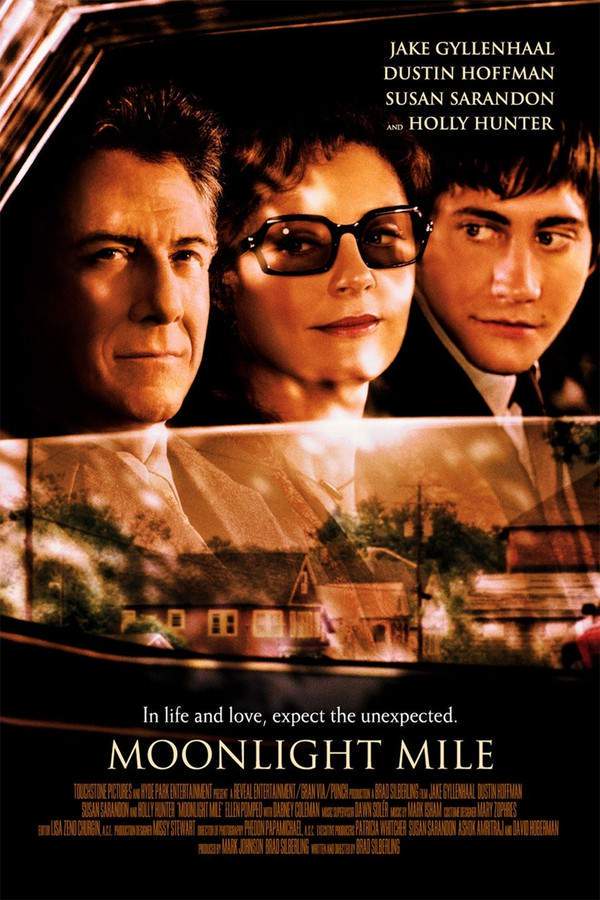
Ethereal memory dramas with a dreamlike feel like Love Letter

Atmospheric stories where the past feels hauntingly present, blurring reality. If you liked the dreamlike atmosphere and exploration of memory in Love Letter, this thread features similar movies. These films use a melancholic, reflective tone and slow pacing to tell stories where the past quietly haunts the present, often through themes of doppelgängers, shared identities, and the bittersweet nature of remembrance.

  • dreamlike
  • nostalgic
  • melancholic
  • reflective
  • ethereal
  • haunting
  • Tone: melancholic, dreamlike
  • Pacing: slow, atmospheric
Why these movies?

The story pattern: Stories in this thread often follow characters who are pulled into the orbit of the past, whether by encountering a look-alike, revisiting a significant location, or being consumed by memories. The narrative is less about linear plot progression and more about an emotional and psychological unraveling. Characters grapple with questions of identity and connection, leading to revelations that are poignant but seldom offer full closure.

Why they belong together: These movies share a distinct dreamlike or ethereal quality in their visual style and narrative approach. They are united by a focus on memory, the haunting presence of the past, and themes of duality or shared identity. The combination of a melancholic tone, slow pacing, and a bittersweet emotional core creates a uniquely atmospheric and introspective viewing experience.

If you liked this

Movies Like Love Letter

Similar movies to Love Letter: the same genre, themes or kind of story. Each one comes with its own plot summary, timeline and ending explained.

Browse all movie summaries

Every angle

Love Letter (1995) Explained: Plot, Timeline & Characters

Everything about Love Letter in one place: what happens in the plot summary, the timeline in chronological order, the characters and meaning and a spoiler-free summary. What's After the Movie adds the cast, box office and post-credit scenes.

Coming soon on iOS and Android

The Plot Explained Movie Summary App

Plot summaries, endings explained and timelines on your phone. Catch up on any movie in minutes, save your favorites and never miss a twist again.

Be the first to know when we launch. Your email stays private, always.

Learn more about the app