Plot Explained Spoilers guaranteed!
Plot Explained

Browse by genre

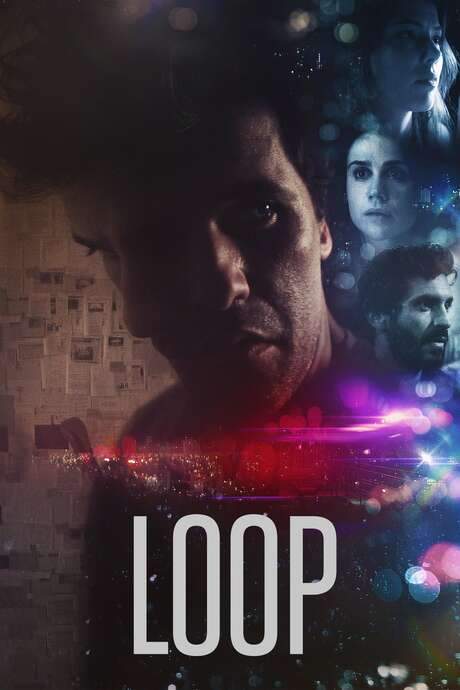
Loop (2019) movie poster

Plot Summary

Loop (2019) Plot Summary Explained

Release, runtime and language
2019 · 10 mins · Portuguese
Loading streaming availability…
Directed by
Ricardo M. Leite
Starring
Duarte Piçarra, Bernardo Sarmento, Joana Africano, Simão do Vale Africano, Carlos Batista, Rafael Pereira

The year is 2113, humanity is on the edge of extinction due to technological advancement. Raquel tries to find a solution to the problem using artificial intelligence.

On this page (6)
  1. 1 Where to watch
  2. 2 What happens: full plot
  3. 3 Plot questions answered
  4. 4 Movie threads
  5. 5 Movies like Loop
  6. 6 Every angle
Loading streaming availability…

Full plot summary · contains spoilers

What Happens in Loop: Full Plot Summary

The whole story of Loop (2019) explained, from the opening scene to the final frame: every key event, every twist and what it all adds up to. Read it as a quick recap before the sequel, to check a scene you missed, or to finally understand what really happened.

A quiet lakeside camp provides the setting for a careful, evolving connection between a non-verbal autistic girl and the camp staff as they navigate communication through sound and touch. The girl uses a simple sound app on her phone, and this small gadget becomes a bridge for interaction in a moment when words aren’t easily available. The camp counselor arrives a touch late, and, with a mix of uncertainty and resolve, he becomes the person she turns to while she signals what she needs.

At first, the counselor’s attempt to show off his paddling becomes a misread moment: the girl isn’t impressed by bravado, and she starts to rock the canoe, shifting the balance and testing his patience. He asks what she wants, and her hint is practical and precise—she wants to paddle toward land so she can touch the reeds along the shore. The exchange is gentle but clear: she sets the pace, and he follows her lead, learning to read the cues rather than chasing spectacle.

A new idea forms as the counselor watches the phone glow in her hand. He guides them toward a tunnel formed by the water and the surrounding banks, inviting her to play the phone’s sound so it can reverberate through the enclosed space. The initial reaction is one of curiosity and delight: the echoes create a sense of space and rhythm that she can grasp. For a moment, the sound brings a shared, quiet joy—an almost tangible connection between human intention and environmental response.

Then the mood shifts. A speedboat roars past, its wake and noise crashing through the tunnel’s acoustic illusion. The overwhelming sound overwhelms the girl’s sense of safety, and panic floods the moment. She frantically paddles, trying to escape the chaos, and the canoe shudders as they crash onto the waterside. A meltdown follows—phones thrown, the world suddenly too loud and too bright—while the counselor stands by, surprised and uncertain about the right way to respond.

What happens next is a thoughtful pivot. The counselor retrieves a reed from the shore and places it near the canoe, a simple, tangible object to anchor her attention. He sits close by, giving her time and space to breathe, letting the situation unfold at her pace. Gradually, she calms enough to take the reed herself, and a small, almost childlike giggle escapes her as she examines the object. The two of them repeat the resonant sound together, not as a performance, but as a shared activity that reintegrates her sense of control and safety. The canoe becomes a space of quiet collaboration rather than spectacle, and the lake’s surface resumes its tranquil rhythm.

With the mood steadied, they slide back into the canoe and glide toward the camp, the water’s sheen mirroring the unspoken agreement they’ve reached. The recovered phone, once a source of anxiety, starts to function again, and a new message appears: an invitation to canoe once more. It’s a small, practical gesture, but it signals openness and trust—a chance to try again on the terms the girl sets, rather than those imposed by others.

In the end, the story frames a patient, patient-minded approach to bridging differences through concrete, sensory-led strategies. It presents how small tools—like a reed, a patch of reeds, and a shared sound—can become channels for mutual understanding. The mood remains grounded and hopeful, emphasizing the importance of listening, pacing, and respect for a person’s pace and preferences. The final tone is quiet but clear: connection can grow through presence, adaptability, and the willingness to listen to what isn’t spoken aloud.

Last updated: February 25, 2026 at 08:19

Was this helpful?

Plot questions answered

Loop Plot Explained: Your Questions Answered

The questions people ask most about Loop (2019): what happens in the confusing scenes, why the characters do what they do, the twists, hidden details and what the ending means. Each answer contains spoilers.

Q1

Why was Marcus upset about being paired with Renee at camp

Marcus was frustrated because he arrived late to camp and was assigned to watch a non-verbal autistic girl, which he saw as a chore rather than an opportunity. He tried to compensate by showing off his paddling skills to prove himself capable, but Renee wasn't impressed by his bravado.

  • marcus
  • renee
  • camp
  • frustrated assignment
Q2

Why did Renee rock the canoe when Marcus was paddling

Renee rocked the canoe as a clear signal that she wasn't interested in Marcus's showing off. She wanted him to understand that she wouldn't be impressed by performative gestures and that she had her own preferences and needs.

  • renee
  • canoe
  • rocking
  • communication
Q3

What was the point of Marcus taking Renee into the tunnel to play sounds

Marcus suggested the tunnel idea as an attempt to create a shared experience that could bridge their communication gap. He hoped the echo from the phone's sound reverberating through the enclosed space would give them something to enjoy together and break the tension between them.

  • tunnel
  • sound
  • echo
  • shared experience
Q4

Why did the speedboat cause such an extreme reaction in Renee

The speedboat's loud engine and wake shattered the tunnel's acoustic environment that Renee had been focusing on. For someone with autism who relies on predictable sensory input, the sudden overwhelming noise and movement created a sensory overload that triggered her panic and meltdown.

Foreshadowing: Earlier, Renee seemed comfortable controlling the sounds from her phone in the quiet tunnel, establishing her need for predictable auditory environments.

  • speedboat
  • sensory overload
  • panic
  • meltdown
Q5

How did Marcus know to use a reed to help Renee calm down

Marcus noticed that earlier, Renee had wanted to touch the reeds along the shore, showing they held meaning for her. After her meltdown, he retrieved a reed as a grounding object that could anchor her attention back to something tangible and familiar, giving her a sensory focal point to regain control.

Foreshadowing: Renee had previously asked to paddle to shore specifically to touch the reeds, indicating they were important to her.

  • reed
  • calm
  • grounding
  • sensory object
Q6

What happened to Renee's phone after the crash and why did it start working again

During the meltdown, Renee threw her phone in distress, but it apparently landed in shallow water and was recovered. By evening, the phone had dried out sufficiently to function again, allowing Marcus to send her an invitation to go canoeing once more.

  • phone
  • meltdown
  • recovered
  • message
Q7

What did the final message on the phone mean for their relationship

The message was Marcus asking Renee if she wanted to go canoeing again, indicating he had moved past his initial resentment and now genuinely wanted to continue building their connection on her terms. It represented his growth and willingness to adapt to her communication style.

  • message
  • invitation
  • canoeing
  • relationship
Q8

How did Renee communicate without speaking throughout the film

Renee used a sound app on her phone as her primary communication method, producing tones that expressed her needs and preferences. Beyond the app, she communicated through gestures, physical cues like rocking the canoe, and by guiding Marcus toward what she wanted, such as the reeds.

  • non-verbal
  • communication
  • sound app
  • autism
Q9

What did the moment when Renee wanted to paddle toward the reeds signify

When Renee guided the canoe toward the shore so she could touch the reeds, it marked the first time Marcus actually listened to what she wanted rather than trying to lead. This shifted their dynamic from him controlling the experience to her setting the pace, which became the foundation for their later trust.

  • reeds
  • paddling
  • listening
  • choice
Q10

Why was recreating the sound together important after the meltdown

After Renee calmed down, they repeated the original phone sound together, which reframed the traumatic experience into a shared moment of control. Rather than the sound being something that happened to her, they created it together, restoring her sense of safety and agency in the canoe.

  • sound
  • recreation
  • trust
  • resolution

Movie threads

More Movies Like Loop, by Mood & Story

Curated lists built around what makes Loop tick: the same mood, the same kind of story or the same emotional payoff. Each list explains why these movies belong together.

Hopeful Sci-Fi Futures Like Loop

Stories exploring how technology and humanity can coexist positively. If you enjoyed Loop's optimistic take on humanity's relationship with technology, these movies explore similar themes of hope and human connection in futuristic settings. Find more films that balance gentle pacing with meaningful emotional journeys about technological advancement.

  • hopeful
  • thoughtful
  • futuristic
  • gentle
  • empathetic
  • optimistic
  • Tone: hopeful, thoughtful
  • Pacing: steady, character-driven
Why these movies?

The story pattern: These stories typically follow characters confronting technological challenges that initially seem insurmountable, but through perseverance and empathy, they find solutions that benefit humanity. The narratives emphasize emotional growth and understanding over complex plotting, often culminating in resolutions that affirm positive human potential.

Why they belong together: These films share a core optimism about the future, balancing serious themes with gentle emotional arcs. They explore technology's role in society while maintaining a hopeful tone and medium emotional intensity, creating coherent viewing experiences centered on human connection.

Movies About Gentle Character Connections Like Loop

Quiet stories about finding understanding through patience. If Loop's gentle portrayal of bridging communication gaps resonated with you, these films explore similar themes of patient connection and understanding. Find more movies that focus on emotional growth through quiet interactions and shared experiences.

  • gentle
  • hopeful
  • empathy
  • connection
  • quiet
  • introspective
  • Tone: hopeful, gentle
  • Pacing: steady, deliberate
Why these movies?

The story pattern: Narratives in this thread typically follow characters who start with misunderstandings or frustrations but gradually develop empathy through small, meaningful moments. The stories prioritize emotional insight over plot complexity, often structured around a single encounter or shared experience that transforms perspectives.

Why they belong together: These films are grouped by their focus on gentle emotional arcs, steady pacing, and the theme of overcoming differences through understanding. They share medium emotional intensity and a hopeful tone, creating coherent viewing experiences centered on human connection.

If you liked this

Movies Like Loop

Similar movies to Loop: the same genre, themes or kind of story. Each one comes with its own plot summary, timeline and ending explained.

Browse all movie summaries

Every angle

Loop (2019) Explained: Plot, Timeline & Characters

Everything about Loop in one place: what happens in the plot summary, the timeline in chronological order, the characters and meaning and a spoiler-free summary. What's After the Movie adds the cast, box office and post-credit scenes.

Coming soon on iOS and Android

The Plot Explained Movie Summary App

Plot summaries, endings explained and timelines on your phone. Catch up on any movie in minutes, save your favorites and never miss a twist again.

Be the first to know when we launch. Your email stays private, always.

Learn more about the app