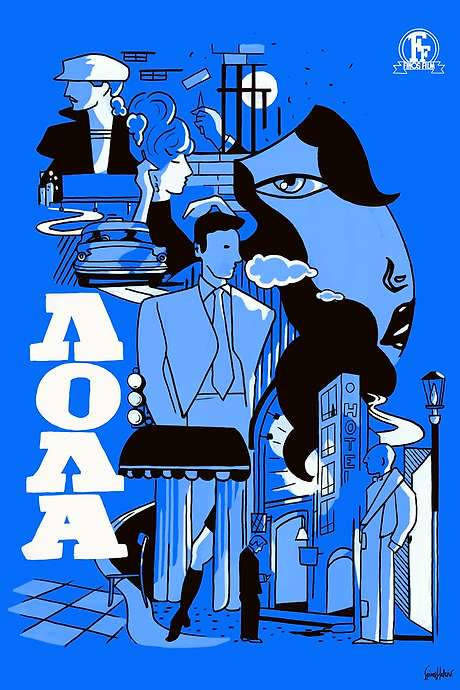
Lola James pursues a double life that clashes at every turn: by night she works as an exotic dancer, and by day she tends to a steady job as a grocer, all while wrestling with a cocaine habit. Her quiet mission is simple, even if the path is hard to see: move with her 9-year-old brother, Arlo, to Texas so he can attend a creative arts school and have a chance at a better future. The weight of that dream rests on a fragile family foundation, one anchored by their mother, Mona, a religiously rigid and emotionally volatile presence who often explodes in ways that hurt Arlo, especially when he shows interest in makeup or in exploring fluidity.
Lola’s life becomes even more complicated through her rocky, on-and-off connection with Malachi, a former partner who also acts as her drug dealer. Their relationship is a tangled mix of care and danger, a cycle Lola can’t fully escape even as it fuels her addiction.
A traumatic night shifts the course of everything. After Lola witnesses Mona assault Arlo, she, along with her coworker and best friend Babina and Babina’s mother Pearl, decides to flee their home in search of safety and a fresh start. Lola’s hopes are briefly dashed when she’s fired from work after a coworker reports a shoplifting incident, pushing her to rethink their precarious plan.
In the chaos that follows, Lola returns to Mona’s house to retrieve their dog Mikey, only to suffer a violent violation at the hands of Trick, Mona’s boyfriend. The trauma strains every thread of the family’s already fragile fabric: Mona ultimately locates Arlo and, against Lola’s wishes, comes back for him. That same night, Mona cuts Arlo’s hair, fearing he might be transgender and would be rejected by God. The act triggers a desperate flight from home, and Arlo is struck by a car, dying in the street. Lola is left devastated, and Mona openly blames her for the tragedy.
The loss deepens Lola’s descent into substance use. She pleads with Malachi for cocaine, but he refuses, leaving her to confront the void alone. In a further upheaval, Lola discovers she’s pregnant with Trick’s child. She chooses to keep the baby and makes a solemn promise to Babina that she will stay clean for the child’s sake. The next day, Malachi drives Lola to an addict-support group, a detail that underscores the fragile thread sustaining her.
As the pregnancy becomes visible, a coworker at the strip club offers quiet admiration for Lola’s decision to carry the child. Babina supports her by researching motherhood and by helping her regain some sense of normalcy, including the idea of returning to work. A chance encounter at a pharmacy where Lola works leads her to tell Mona who the father is, much to Mona’s dismay, and the revelation sets the family’s tension on a sharper edge. The women at the club rally around Lola, giving her money and encouragement as she shares her story at her final addiction-group meeting.
Six months into the pregnancy, Babina drives Lola to the bus station, and they share a tearful farewell as Lola sets out to build a new life away from the old home. The narrative closes on a note of resilience: years later, Lola is depicted enjoying a carnival with her daughter and Malachi, a reminder of the complicated history she has endured and the brighter moments she has carved out for herself and her child.