Year: 1983
Runtime: 89 mins
Language: English
Director: Dick Lowry
Based on Hank Williams Jr.’s life, this TV drama follows his struggle under his mother’s strict control, his battle with the lingering influence of his legendary father’s legacy, and his determination to forge his own identity and succeed in country music.
Warning: spoilers below!
Haven’t seen Living Proof: The Hank Williams Jr. Story yet? This summary contains major spoilers. Bookmark the page, watch the movie, and come back for the full breakdown. If you're ready, scroll on and relive the story!
Trace every key event in Living Proof: The Hank Williams Jr. Story (1983) with our detailed, chronological timeline. Perfect for unpacking nonlinear stories, spotting hidden connections, and understanding how each scene builds toward the film’s climax. Whether you're revisiting or decoding for the first time, this timeline gives you the full picture.
Last updated: February 18, 2026 at 23:45
Find frequently asked questions about the Living Proof: The Hank Williams Jr. Story (1983) timeline, including chronological order, nonlinear jumps, cause-and-effect links, and scene sequence clarifications. This timeline FAQ helps explain when key events happen, how moments connect, and why the story unfolds in that specific order.
Audrey Williams tightly controlled Hank Jr.'s early career because she wanted to preserve and profit from the legacy of his famous father, Hank Williams Sr. Starting him on stage at age eight performing his father's songs ensured the family name remained profitable in country music. This control also kept financial power within her hands, which is why Hank eventually became estranged from her while still touring.
The early control planted the seeds for his later rebellion against performing his father's songs.
Hank Jr. turned to drugs and alcohol as a way to cope with the immense pressure of living up to his father's legendary status, the demands of constant touring since childhood, and the emotional strain of performing songs that didn't represent his own identity. The pressure of fame combined with his personal relationship struggles created a turbulent atmosphere that led to substance abuse.
His substance abuse was foreshadowed by the constant pressure and expectation placed on him from a young age.
Hank recorded an album of his own songs in Alabama specifically to distance himself from Nashville's pressures and expectations. He wanted to carve out a separate artistic identity rather than continuing to be known only as Hank Williams' son. The move to Alabama represented a deliberate attempt to find his own voice as a songwriter and performer.
His earlier frustration with audiences only wanting his father's songs set the stage for this independent project.
The exact cause of Hank's mountain climbing accident is not detailed in the story, but it occurred during a period when he was seeking to escape the pressures of his career and personal life. The accident left his face and one eye badly damaged, leaving him horrified by his reflection and requiring extensive physical therapy.
When Merle Kilgore left a guitar for Hank during his rehabilitation, Hank smashed it in a moment of anger and disillusionment. The accident had severely damaged his self-image, and he temporarily lost interest in music entirely, questioning whether he could ever perform again given his changed appearance and weakened condition.
The guitar incident was directly connected to Merle's earlier promise to support his music career.
Becky helped Hank by visiting him during his recovery and offering unconditional support. She told him directly that she did not care about how his face looked, reassuring him that his worth as an artist and as a person was not tied to his appearance. Her visit to the remote cabin where he had retreated helped him begin to reclaim his confidence.
Their cautious relationship earlier had built a foundation of trust that Becky could rely on during his darkest moment.
Hank adopted a new image with a beard, large sunglasses, and a cowboy hat specifically to hide his facial scarring from the mountain climbing accident and to protect his weakened eye. This transformation allowed him to return to touring without being defined by his injuries, while also signaling a new chapter in his career and personal identity.
His earlier retreat to the cabin represented his need to reinvent himself before facing audiences again.
Audiences welcomed the transformed Hank because he returned with original songs that represented his true artistic identity rather than just performing his father's repertoire. His perseverance through tragedy, addiction, divorce, and a disfiguring accident, resonated with fans. They appreciated the authenticity of his recovery and his determination to forge his own path in country music.
His earlier struggles with audience expectations made this acceptance more meaningful.
Hank married June (Liane Langland) seeking stability in his turbulent life, but the marriage ended in divorce after a few years. The divorce marked another personal setback in a life already filled with struggles, including his estrangement from his mother, his addiction issues, and his ongoing battle to establish his own musical identity separate from his father's legacy.
The instability in his personal life reflected the larger chaos in his career and self-identity.
Hank was determined to write and perform his own songs because长期 performing his father's repertoire left him feeling like a fraud and trapped in an identity that wasn't his own. Audiences' lukewarm reception to his original material earlier had discouraged him, but the mountain accident became a catalyst for finally embracing his authentic self as an artist.
His frustration with audiences requesting only his father's songs was a constant theme throughout his career.
Merle Kilgore was both a mentor and eventually the manager of Hank Jr.'s career. He encouraged Hank from an early age and helped navigate the pressures of stardom. Even after the mountain accident, Merle continued to support Hank by leaving a guitar at his cabin and visiting him during his recovery, trying to coax him back toward music.
Discover curated groups of movies connected by mood, themes, and story style. Browse collections built around emotion, atmosphere, and narrative focus to easily find films that match what you feel like watching right now.
Stories of musicians and artists overcoming personal demons to find success.If you enjoyed the story of perseverance in 'Living Proof,' explore other movies about musicians and artists who battle addiction and personal turmoil to ultimately forge their own successful path and legacy.
These films typically follow a linear, chronological arc from hardship to triumph. The protagonist faces significant obstacles—often substance abuse, family conflict, and the weight of expectation—before achieving a cathartic and earned victory that redefines their identity and career.
Movies in this thread are grouped by their shared focus on the artist's difficult yet ultimately uplifting journey. They balance heavy emotional themes with a hopeful conclusion, creating a powerful and cathartic viewing experience centered on survival and creative rebirth.

Intense, emotionally heavy dramas that lead to a cathartic and hopeful resolution.For viewers who appreciated the heavy yet redemptive feel of 'Living Proof,' this list features dramatic stories where characters endure intense personal crises but ultimately find a path to hope and happiness.
The narrative pattern involves a protagonist confronting a series of serious personal crises, often including substance abuse, traumatic injury, or family dysfunction. Despite the high intensity and melancholic middle acts, the story is structured to build toward a resolution that feels hopeful and validating after the struggle.
These films are united by their specific emotional cocktail: they deliver a heavy, often painful viewing experience that is redeemed by a genuinely happy and satisfying ending. The contrast between the dark journey and the light conclusion is central to their appeal.
Don't stop at just watching - explore Living Proof: The Hank Williams Jr. Story in full detail. From the complete plot summary and scene-by-scene timeline to character breakdowns, thematic analysis, and a deep dive into the ending - every page helps you truly understand what Living Proof: The Hank Williams Jr. Story is all about. Plus, discover what's next after the movie.
Read a complete plot summary of Living Proof: The Hank Williams Jr. Story, including all key story points, character arcs, and turning points. This in-depth recap is ideal for understanding the narrative structure or reviewing what happened in the movie.
Discover the characters, locations, and core themes that shape Living Proof: The Hank Williams Jr. Story. Get insights into symbolic elements, setting significance, and deeper narrative meaning - ideal for thematic analysis and movie breakdowns.
Get a quick, spoiler-free overview of Living Proof: The Hank Williams Jr. Story that covers the main plot points and key details without revealing any major twists or spoilers. Perfect for those who want to know what to expect before diving in.
Discover movies like Living Proof: The Hank Williams Jr. Story that share similar genres, themes, and storytelling elements. Whether you’re drawn to the atmosphere, character arcs, or plot structure, these curated recommendations will help you explore more films you’ll love.
Living Proof: The Hank Williams Jr. Story (1983) Plot Summary & Movie Recap
Living Proof: The Hank Williams Jr. Story (1983) Scene-by-Scene Movie Timeline
Living Proof: The Hank Williams Jr. Story (1983) Spoiler-Free Summary & Key Flow
Movies Like Living Proof: The Hank Williams Jr. Story – Similar Titles You’ll Enjoy
Walk the Line (2005) Spoiler-Packed Plot Recap
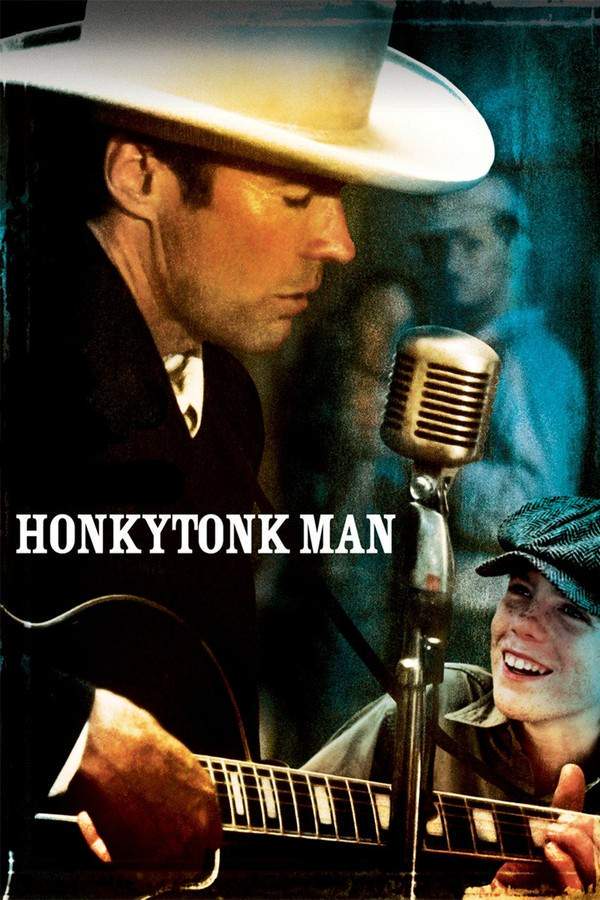
Honkytonk Man (1982) Full Movie Breakdown
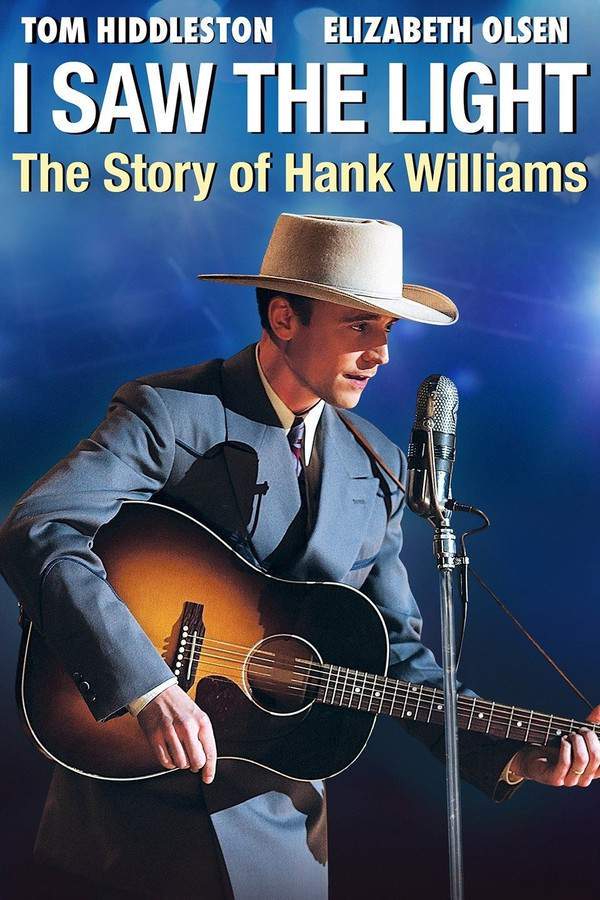
I Saw the Light (2016) Full Summary & Key Details
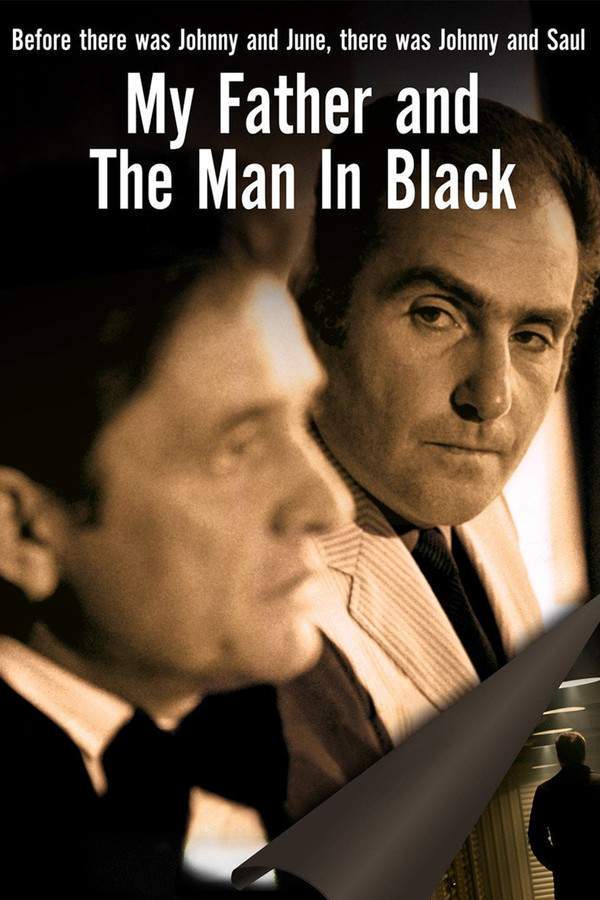
My Father and The Man In Black (2013) Complete Plot Breakdown
The Buddy Holly Story (1978) Full Summary & Key Details
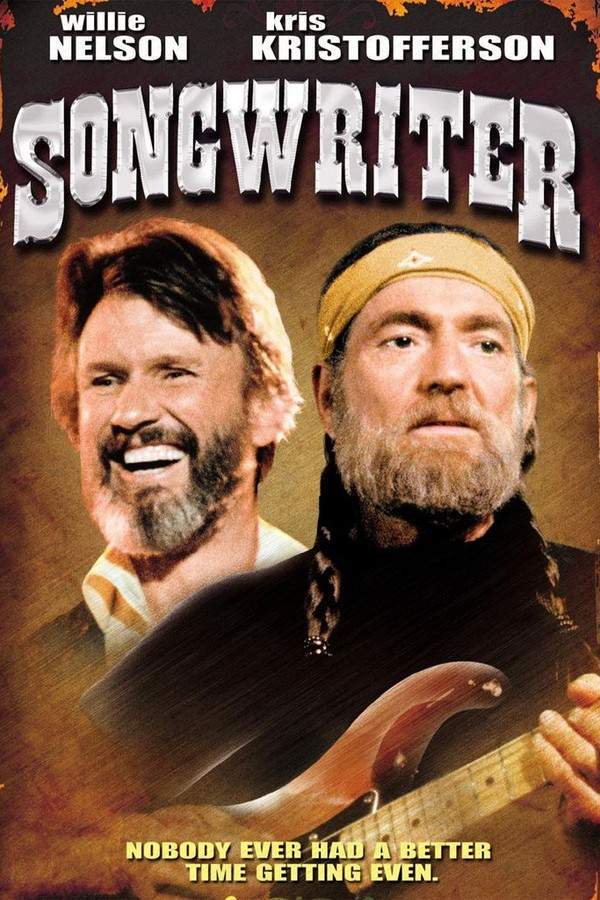
Songwriter (1984) Plot Summary & Ending Explained
The Last Ride (2012) Ending Explained & Film Insights
Livin’ for Love: The Natalie Cole Story (2000) Plot Summary & Ending Explained
Hank Williams: Honky Tonk Blues (2004) Film Overview & Timeline
Hank Williams: The Show He Never Gave (1980) Movie Recap & Themes
Country at Heart (2020) Full Summary & Key Details
Living Proof (2008) Plot Summary & Ending Explained
Blue Valley Songbird (1999) Story Summary & Characters
Your Cheatin’ Heart (1964) Film Overview & Timeline
Southern Gospel (2023) Plot Summary & Ending Explained