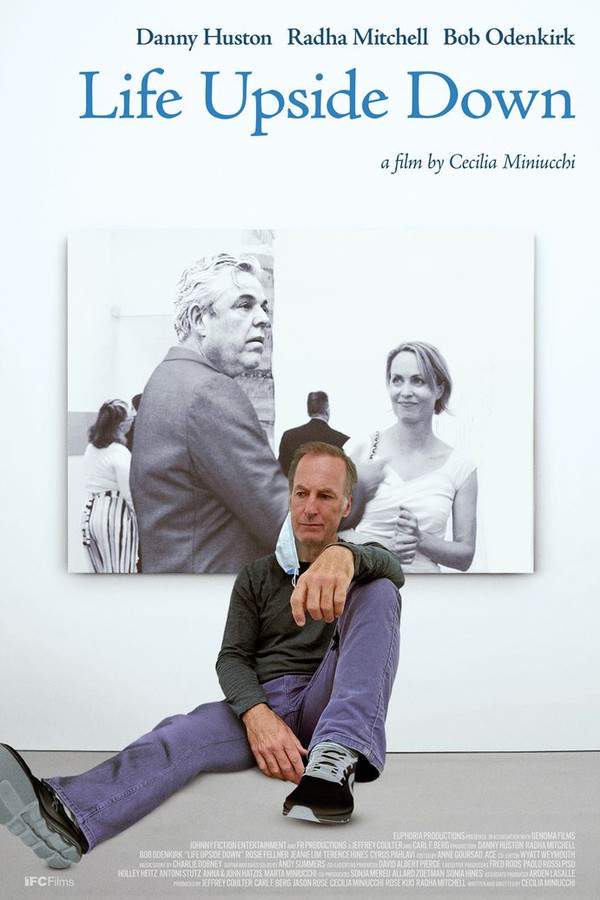
In early 2020, an exhibition opening for artist and art dealer Jonathan Wigglesworth, Bob Odenkirk, in Los Angeles draws a lively crowd, and he attends without his wife, Mrs Wigglesworth, Jeanie Lim, while also meeting his lover, Clarissa Cranes, Radha Mitchell, and their friends, the Hasselberg couple. The atmosphere is vibrant and optimistic, with plenty of conversation about art, taste, and shared memories, and the attendees revel in the warmth of familiar faces amid the city’s creative scene.
On March 16, 2020, the COVID-19 pandemic triggers a national lockdown in the United States, forcing the participants—the people connected to the opening—into near-total isolation: Jonathan Wigglesworth, his wife, and his lover Clarissa Cranes, as well as the Hasselbergs, must navigate the sudden separation and the new limits on daily life. Despite the enforced physical distance, Jonathan continues to feel drawn to Clarissa, sustaining a long-distance emotional connection through social media and lingering conversations that echo the strain of old loyalties in a new, restricted world. Clarissa, meanwhile, channels her energy into online lectures and remote teaching, trying to maintain professional momentum even as personal distance grows.
During this confined period, the artist Jonathan gradually drifts away from his relationship with Clarissa and finds himself turning back toward his wife, seeking a form of reconciliation or at least a more grounded connection. Clarissa, in contrast, grows more distant and begins to respond to a different, shy appeal that offers a sense of gentler companionship outside the orbit of their affair. The Hasselbergs experience a contrasting dynamic: Paul appears intellectually confident and reassuring, yet the illusion of a perfectly balanced couple lingers as his wife’s absence of interest in his conversations becomes increasingly noticeable, hinting at trouble beneath the surface.
Paul Hasselberg comes to a stark realization: the secure, illusion-free façade he trusted may be a mirage, and he discovers that his wife is having an affair despite the isolation. The tension reaches a quiet point as the group contends with uncertainty about how long the lockdown will last and how deeply it will reshape their relationships. The mood shifts as Clarissa, typically cautious, throws a small party with the messenger she has started to find attractive, dancing with him and signaling that she might be ready to step away from Jonathan. This act marks a turning point, a moment of letting go that contrasts with the earnest attempts at staying connected that defined the earlier days of isolation.
In the closing arc, Jonathan reconnects with his wife, seeking the warmth of a renewed closeness even as the Hasselbergs confront their own issues with honesty and direct conversation. The group faces the reality that time spent apart has altered expectations and desires, and they are compelled to address their relationship problems openly rather than letting fear or silence govern their decisions. The story ends on a note of tempered hope: despite the lingering questions about safety, time, and fidelity, the characters begin to recognize that honesty and willingness to communicate may be the first steps toward rebuilding trust and reshaping their lives in the aftermath of upheaval.