Plot Explained Spoilers guaranteed!
Plot Explained

Browse by genre

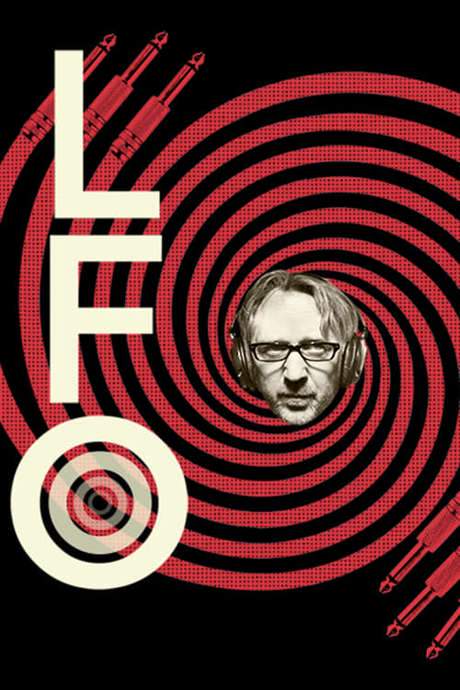
LFO (2013) movie poster

Plot Summary

LFO (2013) Plot Summary Explained

Release, runtime and language
2013 · 94 mins · Swedish
Loading streaming availability…
Directed by
Antonio Tublén
Starring
Lukas Loughran, Patrik Karlson, Thomas Chaanhing, Anna-Sara Kennedy, Cecilia Nordlund, Daniel Engman

A man discovers he possesses the ability to hypnotize people through sound. He begins experimenting with his neighbors, but the intoxicating effects of power lead him down a dangerous path. As he pushes the boundaries of his abilities, the consequences escalate, threatening severe repercussions for all of humanity. This dark comedy/drama/sci-fi explores the corrupting influence of unchecked power.

On this page (5)
  1. 1 Where to watch
  2. 2 What happens: full plot
  3. 3 Plot questions answered
  4. 4 Movie threads
  5. 5 Every angle
Loading streaming availability…

Full plot summary · contains spoilers

What Happens in LFO: Full Plot Summary

The whole story of LFO (2013) explained, from the opening scene to the final frame: every key event, every twist and what it all adds up to. Read it as a quick recap before the sequel, to check a scene you missed, or to finally understand what really happened.

Robert Nord, an awkward man, spends most of his time in his basement tinkering with synthesizers. After a heated argument with his wife Clara, whom he suspects of cheating, he retreats to the basement again, to her annoyance. There, over the Internet, he discusses with several of his friends his belief that he has what he calls a sound allergy to the music his wife enjoys, and he proposes that a certain frequency could act as the opposite of this allergy and grant him the peace he desires. With the help of Sinus-San, one of his friends from the Internet, he makes a breakthrough, though he hides the extent of his success. When Simon and Linn move next door to him, he resolves to experiment on them over the objections of his wife.

Robert invites over his new neighbors. Before he leaves to fetch coffee, he casually mentions that his family was killed in a car crash. Uncomfortable with the awkwardness of the conversation, Simon tells Clara that he intends to leave. However, when Robert returns, he plays a hypnotic frequency that compels them to obey his commands. He orders Simon to perform menial tasks and Linn to have sex with him. When Clara calls him pathetic, he defends his actions as being necessary to test the extent of his control. Eventually, it is revealed that Clara and his son, Sebastian, died when Robert sabotaged the family car. Clara chides him to take his antipsychotic medicine, pointing out that she is a hallucination, but Robert refuses. Instead, he forces Simon and Linn to take the place of his dead family members.

After several weeks of servitude at his house, his neighbors are reported missing, and the police show up at Robert's house to ask if he has seen them. Robert panics and hypnotizes the police into leaving his house. Unsatisfied with his fake family, he releases Simon and Linn, though he monitors their life using security devices. When Linn accidentally discovers through the security device that Simon has been cheating on her, Robert hypnotizes them into accepting him as their marriage counselor. Robert again forces Linn to have sex with him, and he forces Simon to passively watch as punishment for cheating on her. When he tires of this, he again releases them from his control and amuses himself with mean-spirited pranks on his other neighbors. Clara urges him to find a more meaningful life.

Over time, the car manufacturer and police become interested in Robert's involvement in the deaths of his wife and son. Sinus-San, who has been investigating Robert, threatens to go to the police unless Robert shares his invention. Robert hypnotizes Sinus-San and a representative of the car manufacturer, but the case against him continues. Frustrated with both the state of the world and his inability to be left in peace, Robert decides to broaden his experiment. He first compels Simon and Linn to form a rock band with him, but abandons that idea when their songs turn out amateurish. Robert then asks Simon and Linn for advice, and they describe their vision of a utopian society. Intrigued by their protestations that he should not play God, Robert asks them to define God.

Armed with their conception of a benevolent deity, Robert hypnotizes himself to emulate those qualities. Robert practices learning various foreign languages, and a series of voice-overs report that he has attained increasingly more prestigious positions in society, ultimately rising to the position of ruler of a unified Earth. At first, he forces through sweeping changes to society, but his message becomes increasingly pessimistic and antihumanist until he commands the entire human race to commit mass suicide.

The narrative tracks a perilous ascent of power and the erosion of humanity under a man who can bend others to his will, leaving viewers to ponder the fragility of individual sanity and the costs of unchecked control.
Last updated: October 09, 2025 at 15:27

Was this helpful?

Plot questions answered

LFO Plot Explained: Your Questions Answered

The questions people ask most about LFO (2013): what happens in the confusing scenes, why the characters do what they do, the twists, hidden details and what the ending means. Each answer contains spoilers.

Q1

Why does Robert develop a hypnotic frequency?

After arguing with his wife Clara and believing he has a "sound allergy" to the music she enjoys, Robert becomes obsessed with finding a counter-frequency that would give him peace. With help from his online friend Sinus-San, he discovers a specific frequency that can hypnotize people through sound. He keeps this breakthrough secret and begins testing it on his new neighbors.

Foreshadowing: Robert's earlier discussions with online friends about his sound allergy hint at his obsession with controlling his environment through audio.

  • robert nord
  • hypnotic frequency
  • sound allergy
  • sinus-san
  • control
Q2

What happened to Robert's wife and son?

Robert's wife Clara and their son Sebastian died in a car crash that Robert himself sabotaged. The revelation comes later in the film when Clara (who is actually a hallucination) chides him for not taking his antipsychotic medication. Rather than accepting this truth, Robert forces his captured neighbors Simon and Linn to replace his dead family members.

Foreshadowing: Robert's suspicious comment to his new neighbors about his family being killed in a car crash foreshadows this dark truth.

  • clara
  • sebastian
  • car crash
  • family death
  • robert kills family
Q3

Who is Clara and why does she appear throughout the film?

Clara is not real, she is a hallucination that Robert experiences. She appears as a manifestation of his guilt and delusion, urging him to take his antipsychotic medication and occasionally criticizing his actions. Robert refuses to accept she is not real, instead using his hypnotized neighbors to fill the void left by her death.

Foreshadowing: Clara's presence and her references to needing medication early in the film establish that Robert's grip on reality is compromised.

  • clara hallucination
  • delusion
  • antipsychotic medicine
  • guilt
  • mental breakdown
Q4

How does Robert gain control over Simon and Linn?

During their first visit, Robert casually mentions his family died in a car crash, creating awkwardness. When he leaves to fetch coffee, the uncomfortable atmosphere prompts Simon to tell Clara they intend to leave. Upon returning, Robert plays his hypnotic frequency, compelling them to obey his commands. He orders Simon to perform menial tasks and forces Linn to have sex with him.

Foreshadowing: Robert's comment about his family tragedy serves as a setup to create the awkward departure attempt that gives him justification to use his invention.

  • simon
  • linn
  • hypnotic control
  • frequency
  • sexual assault
Q5

Why does Robert hypnotize the police?

After weeks of keeping Simon and Linn captive, their disappearance is reported and police visit Robert's house to investigate. Panicked at the possibility of being caught, Robert uses his hypnotic frequency on the officers, compelling them to leave. This marks his first use of the technology against authority figures and signals his willingness to expand his control beyond his immediate victims.

Foreshadowing: Robert's earlier manipulation of Clara's opinion that he is pathetic pushes him to prove his control extends further.

  • police
  • hypnotic control
  • investigation
  • escalate control
Q6

Why does Robert hypnotize himself to become like God?

After his rock band experiment fails, Robert asks Simon and Linn what they think God would be like. They describe a benevolent, caring deity. Intrigued by their assertion that he should not "play God," Robert uses his own frequency to hypnotize himself, programming himself to embody those divine qualities. This self-hypnosis allows him to ascend to positions of increasing power until he becomes ruler of Earth.

Foreshadowing: Simon and Linn's discussion about utopian society and their definition of God plants the seed for Robert's ultimate transformation.

  • self-hypnosis
  • god concept
  • utopia
  • benevolent deity
  • power ascent
Q7

How does Robert go from controlling neighbors to ruling Earth?

Robert progresses systematically: first he practices learning foreign languages while hypnotized to believe he can achieve anything. Voice-overs then report his ascent through increasingly prestigious positions in society. Using his hypnotic abilities and self-programmed ambition, he eventually rises to become ruler of a unified Earth, implementing sweeping changes to society.

Foreshadowing: His earlier experimentation with Simon and Linn as a fake family unit demonstrates his incremental approach to control before scaling up.

  • global rule
  • earth ruler
  • hypnotic power
  • societal control
  • ascendancy
Q8

Why does Robert command humanity to commit mass suicide?

As Robert's message grows increasingly pessimistic and antihumanist, his view of humanity becomes nihilistic. Having used his hypnotic power to attain absolute control, he ultimately concludes that humanity is worthless and commands the entire race to commit mass suicide, representing the ultimate expression of his corrupted power and complete disregard for human life.

Foreshadowing: The shift from his initially benevolent reform proposals to his darker worldview shows his moral decay progressing alongside his power.

  • mass suicide
  • ending
  • antihumanist
  • nihilism
  • humanity destruction

Movie threads

More Movies Like LFO, by Mood & Story

Curated lists built around what makes LFO tick: the same mood, the same kind of story or the same emotional payoff. Each list explains why these movies belong together.

Movies about the corruption of power like LFO

Stories where acquiring absolute power leads to disastrous moral decay. If you were fascinated by the moral collapse in LFO, this collection features similar movies about characters who gain dangerous abilities or authority. These stories delve into the psychological toll of unchecked power, exploring themes of control, obsession, and the devastating fallout when one person plays god.

  • unsettling
  • manipulative
  • obsessive
  • dystopian
  • ominous
  • anxious
  • Tone: dark, unsettling
  • Pacing: steady, inevitable
Why these movies?

The story pattern: These narratives typically follow a linear, inevitable descent. A protagonist discovers a new form of power—be it technological, supernatural, or social—and begins with small, often selfish experiments. As their control expands, so does their arrogance and detachment from morality, leading to increasingly severe consequences that ultimately spiral beyond their control, resulting in a bleak or tragic conclusion.

Why they belong together: Movies are grouped here based on their shared focus on the 'power corrupts' archetype. They possess a dark, intense tone and heavy emotional weight, centering on a character's psychological unraveling as they succumb to the intoxication of control, making the viewing experience unsettling and morally complex.

Claustrophobic psychological thrillers like LFO

Intense psychological thrillers about isolation and fractured realities. For viewers who appreciated the unsettling, paranoid vibe of LFO, this section gathers movies that feature a similar descent into madness. These films often focus on isolated characters, blurred realities, and a slow-burn sense of dread that builds to a devastating conclusion.

  • claustrophobic
  • paranoid
  • unsettling
  • psychological
  • anxious
  • ominous
  • Tone: dark, paranoid
  • Pacing: steady, slow burn
Why these movies?

The story pattern: The narrative pattern involves a protagonist, usually isolated or socially detached, whose perception of reality becomes increasingly unreliable. Hallucinations, paranoia, and obsessive behaviors escalate in a steady rhythm, often within a confined setting. The story methodically dismantles the character's psyche, leading the audience to question what is real and building towards an emotionally heavy, often bleak resolution.

Why they belong together: These films are united by their ability to generate a palpable sense of psychological claustrophobia and unease. They share a dark tone, high intensity, and a steady pacing that meticulously crafts a feeling of impending doom, making the viewer a captive witness to a mental unraveling.

Every angle

LFO (2013) Explained: Plot, Timeline & Characters

Everything about LFO in one place: what happens in the plot summary, the timeline in chronological order, the characters and meaning and a spoiler-free summary. What's After the Movie adds the cast, box office and post-credit scenes.

Coming soon on iOS and Android

The Plot Explained Movie Summary App

Plot summaries, endings explained and timelines on your phone. Catch up on any movie in minutes, save your favorites and never miss a twist again.

Be the first to know when we launch. Your email stays private, always.

Learn more about the app