Plot Explained Spoilers guaranteed!
Plot Explained

Browse by genre

Let the River Flow (2023) movie poster

Characters & Themes

Let the River Flow (2023) Characters, Setting & Themes Explained

Release, runtime and language
2023 · 118 mins · Northern Sami
Directed by
Ole Giæver
Starring
Mikkel Gaup, Maria Bock, Hanne Mathisen Haga, Sofia Jannok, Johannes Joner, Gard Emil Elvenes

In 1979, Ester moves to Alta, Northern Norway, to teach at an elementary school, concealing her Sámi heritage due to societal shame. Eager to fit in, she even participates in jokes targeting her own culture. A visit with her cousin Mikkhal to a camp protesting a dam project on the Alta River reveals a deeper struggle against the systemic racism and discrimination faced by the Sámi people. Following a tense clash with police, Mikkhal and others embark on a hunger strike in Oslo, prompting Ester to confront her identity and ultimately decide to stand with her community.

On this page (7)
  1. 1 Characters explained (9)
  2. 2 Where & when it takes place
  3. 3 Themes & meaning (3)
  4. 4 Character & meaning questions
  5. 5 Movie threads
  6. 6 Movies like Let the River Flow
  7. 7 Every angle

9 main characters · contains spoilers

Let the River Flow Characters Explained: Who Is Who

The main characters of Let the River Flow (2023), heroes and villains: what drives them, how they change over the course of the story and what each of them reveals about the film's bigger ideas.

  • Ester (Ella Marie Hætta Isaksen)

    A Sámi schoolteacher who initially hides her heritage and dismisses anti-Sámi sentiment. She evolves into a committed activist, joining nonviolent protests and canvassing for support in Oslo. Her personal journey intertwines with family tensions and a growing sense of Sámi rights as central to her identity. The story culminates in her reaffirming connection to her roots through song and leadership at the protests.

    • 🧭 Identity
    • 🕊️ Activism
    • 📚 Teacher
  • Mihkkal

    played by Gard Emil Elvenes

    A cousin who becomes a bridge between Ester and the protest movement, he models quiet leadership and cultural pride. He supports the action through symbolic gestures like presenting a Sámi flag and offering guidance. Mihkkal’s death by suicide deeply affects Ester, elevating the stakes of the struggle and fueling the community’s resolve.

    • 🕊️ Activism
    • 🧭 Identity
  • Risten

    played by Sofia Jannok

    Another Sámi protester Ester meets at Stilla, who embodies the solidarity and shared purpose of the movement. She represents the younger generation's commitment to safeguarding Sámi rights and culture through collective action. Her presence reinforces the sense of community among participants.

    • 🕊️ Activism
    • 🧭 Identity
  • Gøran

    played by Ivar Beddari

    A colleague who flirts with Ester outside the bar, highlighting the everyday social dynamics and tensions within the community. His interactions show the mix of personal and political life present in the protest era. He serves as a reminder of the friction between individual desire and collective action.

    • 🗣️ Colleague
    • 🎭 Social dynamics
  • Ailu

    played by Robert Amadeus Gaup Mienna

    A Sámi student who experiences social exclusion and harassment in school, reflecting the broader discrimination faced by Sámi youth. Ester witnesses and responds to these challenges, underscoring the connection between education, identity, and civil rights. Ailu’s experiences anchor the urgency of community advocacy.

    • 🧭 Identity
    • 🧒 Student
  • Áhkku

    played by Mary Sarre

    Ester’s grandmother, a source of traditional memory and language—she shares the yoik and the heavy history of residential schools. Áhkku helps Ester reconnect with Sámi roots and navigate the emotional terrain of intergenerational trauma. Her presence anchors the cultural continuity that motivates the protest movement.

    • 🪶 Tradition
    • 👵 Grandmother
  • Máret

    played by Marie Kvernmo

    Ester’s mother, who lives with her Norwegian husband and son. She recounts painful histories of residential schooling and expresses doubts about a Sámi future, creating tension with Ester. Over the course of the story, she confronts the costs of assimilation and ultimately participates in the family reconciliation scenes.

    • 🧭 Identity
    • 🧠 Memory
  • Stein

    played by Finn Arve Sørbøe

    Máret’s Norwegian husband who provides support for Ester’s civil disobedience. His stance reflects a bridging position between Sámi activism and the broader Norwegian society. He plays a pivotal role in sustaining Ester’s commitment during difficult moments.

    • 👨 Husband
    • 🕊️ Support
  • Thomas

    played by William Sigvaldsen

    Máret and Stein’s son, a child who symbolizes the future generation. Ester interacts with him and even shares important cultural moments, such as passing on the Four Winds hat and a sense of belonging. His presence grounds the personal stakes of the political struggle.

    • 👦 Child
    • 🏫 Student

Last updated: October 04, 2025 at 14:08

Was this helpful?

Setting

Where and When Does Let the River Flow Take Place?

The setting of Let the River Flow (2023): the year and time period, the places and locations, and how they shape the characters, the mood and the tension of the story.

Time period

1979

Set in the late 1970s, the story captures a pivotal moment when Sámi communities organize nonviolent resistance to government-backed dam projects. The era is marked by cultural suppression and a rising indigenous rights movement, with media attention and political debate fueling protests. The timeline traces the sequence from classroom life and family dynamics to large-scale demonstrations in Oslo and public declarations of civil disobedience.

Location

Alta, Oslo, Stilla protest camps

The film unfolds primarily in Alta, a northern Norwegian town, amid the protests against the Alta hydropower dam. Key action shifts between the protest camps at Stilla and the political hub in Oslo where activists stage actions and hunger strikes. Domestic scenes also appear in towns and homes, reflecting how families and communities are drawn into the conflict over Sámi rights and language preservation.

  • 🧭 Indigenous rights
  • 🏔️ Northern Norway
  • 🛑 Activism

Last updated: October 04, 2025 at 14:08

Was this helpful?

3 major themes

Let the River Flow Meaning: Themes & Message Explained

What is Let the River Flow (2023) really about? The emotional, social and philosophical themes the film keeps returning to, its symbolism and the message beneath the surface.

  • Nonviolent Resistance

    The core approach to protesting the dam is nonviolent, emphasizing peaceful marches, hunger strikes, and legal pressure rather than armed confrontation. The narrative highlights discipline, solidarity, and strategic restraint in the face of opposition. This theme shows how sustained, peaceful action can influence public policy and shift political will.

  • Identity & Language

    Ester’s journey moves from concealing Sámi heritage to embracing and asserting it openly, influenced by familial memory of residential schooling and language suppression. The film treats language as a key element of identity and cultural continuity that protesters strive to reclaim. It portrays the personal costs and social pressures of living between two cultures.

  • Land & Community

    The threatened landscape of the Alta region is shown as more than a backdrop—it is tied to Sámi livelihoods, memory, and belonging. The protests frame land rights as inseparable from cultural survival, education, and intergenerational trust. The struggle over the dam foregrounds how development can disrupt community cohesion and ancestral ties.

Last updated: October 04, 2025 at 14:08

Was this helpful?

Character & theme questions

Let the River Flow Characters & Meaning: Your Questions Answered

The questions people ask about Let the River Flow (2023): who the characters really are, their relationships, what the symbols mean, where it takes place and what the movie is really about. Each answer contains spoilers.

Q1

Where is Alta, Norway, and why is it significant for Sámi people?

Alta is a town in Northern Norway, far above the Arctic Circle. It holds deep significance for the Sámi people as ancestral homeland and the site of the Alta River, which is central to their traditional livelihoods of fishing and reindeer herding. The location represents both cultural heritage and the front lines of indigenous rights activism.

  • alta norway
  • sámi homeland
  • alta river
  • northern norway
Q2

When does the movie take place and why is this period important?

The movie is set in 1979, during a pivotal era for indigenous rights movements worldwide. This was a time when Sámi communities in Norway were actively resisting government policies that had suppressed their language, culture, and land rights for decades. The protests depicted in the film were part of a real historical movement that brought international attention to Sámi causes.

  • 1979
  • sámi rights movement
  • indigenous rights
  • norway history
Q3

How do the protesters in the movie practice nonviolent resistance?

The Sámi protesters use peaceful tactics including marches, hunger strikes, and civil disobedience rather than armed confrontation. The film depicts hunger strikes in Oslo and demonstrations at the Stilla protest camps as primary methods of resistance. This approach emphasizes discipline, solidarity, and strategic restraint against police opposition and government force.

  • nonviolent protest
  • hunger strike
  • sámi activism
  • civil disobedience
Q4

What does the film say about identity and language for the Sámi people?

The film portrays language as essential to Sámi identity and cultural continuity. Ester initially hides her Sámi heritage due to shame instilled by societal discrimination and her mother's painful experiences in residential schools. The theme explores how suppressing one's language and culture creates psychological damage, while reclaiming them enables healing and empowerment.

  • sámi language
  • identity
  • cultural suppression
  • residential schools
Q5

How does the film connect land rights to Sámi cultural survival?

The Alta River and surrounding landscape are depicted as inseparable from Sámi livelihoods, memory, and belonging. The protests frame land rights as directly tied to cultural survival, education, and intergenerational trust. The dam project represents a threat not just to the environment but to the entire community structure and ancestral connections that sustain Sámi culture.

  • land rights
  • sámi culture
  • alta river
  • community cohesion
Q6

Who is Ester and what is her role in the story?

Ester is a Sámi schoolteacher who moves to Alta in 1979 and initially conceals her heritage to fit into Norwegian society. Over the course of the film, she evolves from someone who participates in anti-Sámi jokes to a committed activist who joins the protests and ultimately reclaims her identity through cultural expression and leadership.

  • ester main character
  • sámi teacher
  • protagonist
Q7

Who is Mihkkal and what role does he play in the movement?

Mihkkal is Ester's cousin who acts as a bridge between her and the protest movement. He embodies quiet leadership and cultural pride, supporting the cause through symbolic gestures like presenting the Sámi flag. His tragic death by suicide deeply affects Ester and becomes a catalyst for her deeper commitment to the struggle.

  • mihkkal cousin
  • sámi activist
  • protest movement
Q8

Who is Áhkku and what is her significance in the film?

Áhkku is Ester's grandmother who serves as a keeper of traditional memory and language. She shares yoik (traditional Sámi singing) and recounts the painful history of residential schools. Her presence anchors the cultural continuity that motivates the protest movement and helps Ester reconnect with her Sámi roots.

  • áhkku grandmother
  • sámi traditions
  • yoik
  • residential schools
Q9

What discrimination do Sámi students face in the movie?

The film shows Sámi students experiencing social exclusion and harassment in school, reflecting broader systemic discrimination faced by Sámi youth in Norway. Ailu, a Sámi student, is depicted being bullied and marginalized, which Ester witnesses. This underscores how discrimination operates through education and social systems, motivating the urgency of community advocacy.

  • sámi students
  • discrimination
  • school bullying
  • cultural suppression
Q10

What is the Alta dam project and why do Sámi people oppose it?

The Alta hydropower dam was a government-backed development project that threatened Sámi lands and livelihoods in Northern Norway. Sámi communities opposed it because the dam would flood traditional fishing grounds and reindeer grazing areas, disrupting ancestral connections to the land. The protests became a defining moment for Sámi indigenous rights and self-determination.

  • alta dam
  • hydropower protest
  • indigenous land rights
  • sámi opposition
Q11

What happens in the Oslo protests shown in the film?

The film depicts a shift of protest activity from the Stilla camps to Oslo, where activists stage demonstrations and undertake hunger strikes to gain political attention. This escalation represents a broader strategy of bringing regional indigenous concerns to the national capital. Ester's involvement in canvassing for support in Oslo marks a turning point in her activist commitment.

  • oslo protests
  • hunger strike
  • sámi rights
  • norway politics
Q12

What is Máret's backstory and why does it affect Ester?

Máret is Ester's mother who lives with her Norwegian husband Stein and their son Thomas. She carries painful memories of residential schooling where Sámi language and culture were forbidden. Her doubts about a Sámi future and her history of assimilation create tension with Ester, but she ultimately confronts these costs and participates in family reconciliation.

  • máret mother
  • residential schools
  • assimilation
  • family reconciliation

Movie threads

More Movies Like Let the River Flow, by Mood & Story

Curated lists built around what makes Let the River Flow tick: the same mood, the same kind of story or the same emotional payoff. Each list explains why these movies belong together.

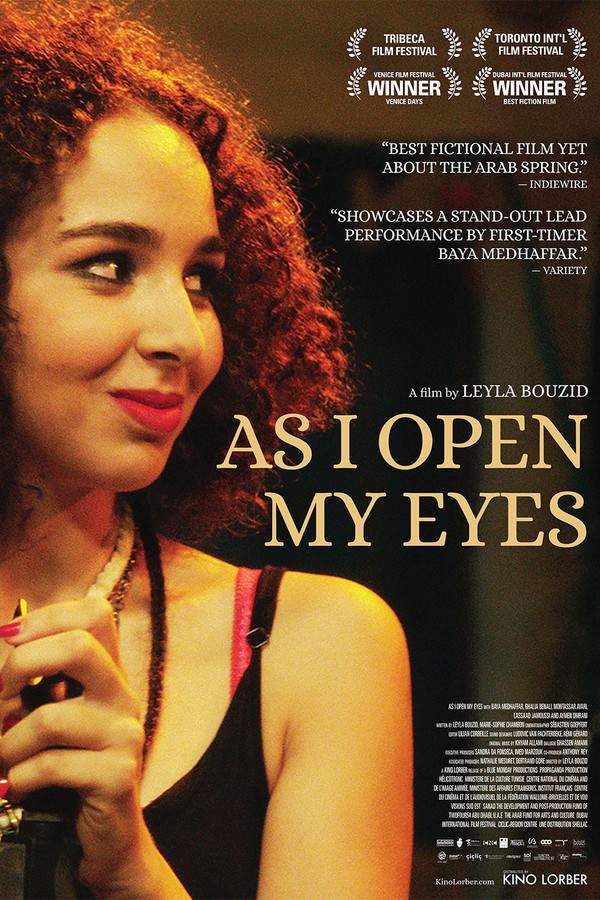
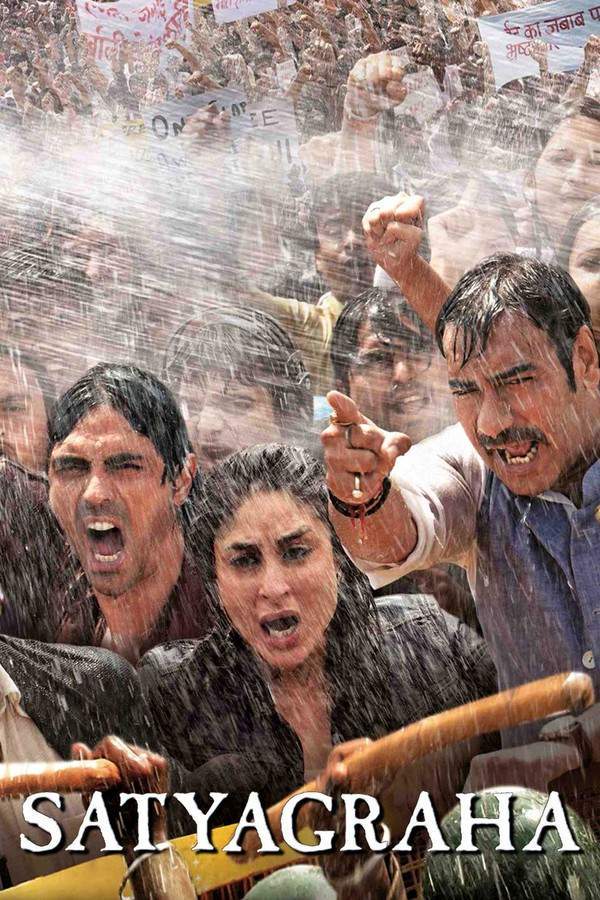
Movies about activist self-discovery like Let the River Flow

Characters finding their voice and identity through involvement in a high-stakes social movement. If you liked how Let the River Flow intertwined Ester's personal awakening with the Sámi land rights protest, you'll appreciate these films. This collection features powerful dramas where a character's journey to find their identity is inextricably linked to a fight for justice, offering similar stories of personal and political empowerment.

  • determined
  • defiant
  • anxious
  • reflective
  • somber
  • awakening
  • Tone: tense, defiant, reflective
  • Pacing: steady, character-driven
Why these movies?

The story pattern: Stories in this thread typically follow an initially disconnected or conflicted individual who is drawn into a cause. Their internal struggle with identity, loyalty, or fear parallels the external conflict of the movement, culminating in a choice to fully commit, often at great personal cost.

Why they belong together: These movies are grouped together because they share a powerful narrative structure that merges a character-driven identity crisis with a tangible political conflict. The emotional weight comes from the dual stakes: the fate of a community and the soul of an individual.
Movies with bittersweet endings like Let the River Flow

Stories where profound personal victory is tempered by the high cost of the struggle. Fans of the emotionally heavy yet hopeful conclusion of Let the River Flow will find more compelling stories here. These films explore difficult themes and deliver endings that are bittersweet, focusing on personal triumph and resilience even when the broader conflict isn't fully resolved.

  • bittersweet
  • somber
  • grieving
  • hopeful
  • defiant
  • cathartic
  • Tone: somber, defiant, bittersweet
  • Pacing: steady
Why these movies?

The story pattern: The narrative pattern involves characters enduring significant hardship—often systemic injustice or personal trauma. The climax brings a resolution that is primarily internal or moral rather than external. The victory is the character's transformation and reclamation of their power, even if the worldly outcome is incomplete or tragic.

Why they belong together: These films are united by their specific emotional payoff. They provide a deeply satisfying, cathartic experience that feels earned and realistic, balancing the heaviness of the subject matter with a resonant, hopeful core centered on human dignity and strength.

If you liked this

Movies Like Let the River Flow

Similar movies to Let the River Flow: the same genre, themes or kind of story. Each one comes with its own plot summary, timeline and ending explained.

Browse all movie summaries

Every angle

Let the River Flow (2023) Explained: Plot, Timeline & Characters

Everything about Let the River Flow in one place: what happens in the plot summary, the timeline in chronological order, the characters and meaning and a spoiler-free summary. What's After the Movie adds the cast, box office and post-credit scenes.

Coming soon on iOS and Android

The Plot Explained Movie Summary App

Plot summaries, endings explained and timelines on your phone. Catch up on any movie in minutes, save your favorites and never miss a twist again.

Be the first to know when we launch. Your email stays private, always.

Learn more about the app