Plot Explained Spoilers guaranteed!
Plot Explained

Browse by genre

League of Gangsters (1963) movie poster

Characters & Themes

League of Gangsters (1963) Characters, Setting & Themes Explained

Release, runtime and language
1963 · 80 mins · Japanese
Directed by
Kinji Fukasaku
Starring
Kei Satô, Yoshiko Mita, Mikijiro Hira, Harumi Sone, Nobuo Yana, Rinichi Yamamoto

A yakuza is released from prison after serving a long sentence. He immediately sets about creating a new gang and attempts to pull off a huge ransom score.

On this page (7)
  1. 1 Characters explained (9)
  2. 2 Where & when it takes place
  3. 3 Themes & meaning (3)
  4. 4 Character & meaning questions
  5. 5 Movie threads
  6. 6 Movies like League of Gangsters
  7. 7 Every angle

9 main characters · contains spoilers

League of Gangsters Characters Explained: Who Is Who

The main characters of League of Gangsters (1963), heroes and villains: what drives them, how they change over the course of the story and what each of them reveals about the film's bigger ideas.

  • Kazama (Ryōhei Uchida)

    A former yakuza leader who returns to reclaim his territory and exact vengeance on the rival faction. He is ruthlessly strategic, driven by a mix of loyalty to his men and personal vendetta, and willing to push boundaries to achieve his aims.

    • 🔪 Vengeful
    • 🧭 Strategic
    • 🗡️ Yakuza
  • Takamoto (Kei Satō)

    played by Kei Satô

    A loyal yakuza and Kazama's ally, he helps orchestrate plans and carries out dangerous operations. He embodies practical grit and a willingness to risk everything for the group's revival.

    • 🗡️ Loyal
    • 🧭 Strategic
    • 👥 Gang veteran
  • Kusunoki (Rinichi Yamamoto)

    A destitute gambler and former gang member drawn back into the fold. He is impulsive and deeply affected by the events around him, highlighting the human cost of the underworld’s violence.

    • 🃏 Gambler
    • 💔 Vulnerable
    • 🗡️ Street insider
  • Masae (Yūko Kusunoki)

    Kusunoki's wife, caught between loyalty to her husband and the danger surrounding the kidnapping plot. Her fate embodies the civilian cost of gang warfare and the fragile line between safety and exposure.

    • 💔 Victim
    • 🕊️ Loyal
  • Shiga (Harumi Sone) a.k.a. 'Boy'

    A young associate who arranges jobs for female dancers, showing the expendable tier of the underworld’s machinery. His youth and eagerness expose the brutal exploitation surrounding the gang’s operations.

    • 👶 Youth
    • 🗡️ Streetwise
  • Akiko (Yoshiko Mita)

    The chairman’s daughter who initially resists the gang’s plan but ultimately switches sides, seeking a chance to live like them. Her transformation underscores themes of power, autonomy, and survival in a dangerous world.

    • 💃 Entertainer
    • 🧭 Opportunistic
  • Ogata (Rokkō Toura)

    A former insider who now works for the rival group, using his position to manipulate information and navigate the power struggle from within. His presence as a bridge between factions heightens the stakes of the negotiations.

    • 🧭 Informant
    • 🗡️ Insider
  • Nagashi (Mike Daneen)

    A singer who refuses to join the criminal enterprise, ultimately sacrificing himself to buy time for the others. His defiance and sacrifice highlight the personal costs of immersion into the underworld.

    • 🎤 Singer
    • 🛡️ Protector
  • George (I. George)

    The Western-connected company president who represents corporate power and the board’s interests. His presence drives the ransom negotiation and the broader clash between business interests and organized crime.

    • 💼 Western ally
    • 🕴️ Corporate power

Last updated: October 04, 2025 at 18:51

Was this helpful?

Setting

Where and When Does League of Gangsters Take Place?

The setting of League of Gangsters (1963): the year and time period, the places and locations, and how they shape the characters, the mood and the tension of the story.

Time period

Present day

Set in present-day Japan, the film portrays a modern criminal ecosystem that ties yakuza networks to corporate boards and international interests. Money, real estate, and Western investors drive the plot, with violence used as a tool to negotiate power. The narrative emphasizes contemporary crime cinema rather than a historical period.

Location

Japan, The Seagull restaurant (coast), hotel, safehouse

The story unfolds across urban Japan, with key locations including a coastal restaurant called The Seagull, a hotel used for negotiations, and a secure safehouse where the gang plans its moves. The Seagull restaurant serves as the focal point for the ransom plot and tense confrontations. The settings blend glamorous corporate spaces with seedy backstreets, highlighting how power in this world is built on fear and leverage.

  • 🗾 Japan setting
  • 🏯 Underworld
  • 🌊 Coastal locations
  • 🏢 Corporate crime

Last updated: October 04, 2025 at 18:51

Was this helpful?

3 major themes

League of Gangsters Meaning: Themes & Message Explained

What is League of Gangsters (1963) really about? The emotional, social and philosophical themes the film keeps returning to, its symbolism and the message beneath the surface.

  • Revenge

    Revenge serves as the motor for the story as Kazama returns to reclaim his territory and settle scores with the rival gang. The plan to kidnap the chairman and his daughter is driven by a desire to disrupt the rival’s ascendancy and restore a sense of balance in the underworld. Yet the cost is steep, with friends dying and the pursuit of vengeance leaving little room for redemption.

  • Power & Money

    The plot reveals a world where corporate power and organized crime intertwine, showing how ransom plots and boardroom decisions shape violent outcomes. The money involved is manipulated, with a bag of paper scraps replacing the ransom, underscoring the fragility and illusion of control in this world. Western investors and corporate interests mirror the gangs’ ambitions, turning violence into a bargaining chip.

  • Loyalty & Betrayal

    Loyalty is tested as former allies and internal factions collide, leading to shifting loyalties and betrayals. Akiko’s switch of allegiance and Masae’s fate illustrate how personal bonds are sacrificed for survival and power. The deaths of Kusunoki, Takamoto, and others demonstrate that allegiance in this world is fragile and costlier than anticipated.

Last updated: October 04, 2025 at 18:51

Was this helpful?

Character & theme questions

League of Gangsters Characters & Meaning: Your Questions Answered

The questions people ask about League of Gangsters (1963): who the characters really are, their relationships, what the symbols mean, where it takes place and what the movie is really about. Each answer contains spoilers.

Q1

What is the primary setting for the story?

The film takes place in Japan, primarily unfolding in urban settings that blend glamorous corporate spaces with gritty backstreets. Key locations include The Seagull, a coastal restaurant that serves as the focal point for the ransom plot, a hotel used for negotiations, and a secure safehouse where the gang plans its operations. This contrast between corporate and criminal worlds highlights how power is built on fear and leverage.

  • japan settings
  • the seagull restaurant
  • urban japan
  • safehouse locations
Q2

Is the film set in modern times or a specific historical era?

The movie is set in present-day Japan, portraying a modern criminal ecosystem that connects yakuza networks to corporate boards and international interests. Rather than a historical period, it emphasizes contemporary crime cinema where money, real estate, and Western investors drive the plot. Violence is used as a tool to negotiate power in this modern underworld.

  • present day japan
  • modern era
  • contemporary crime
Q3

What role does revenge play in the story?

Revenge serves as the central motor driving the narrative. When Kazama returns from prison, his primary goal is to reclaim his territory and settle scores with the rival gang that displaced him. The plan to kidnap the chairman and his daughter is directly motivated by a desire to disrupt the rival's ascendancy and restore balance in the underworld. However, the pursuit of vengeance comes at a steep cost, with friends dying and little room left for redemption.

  • revenge plot
  • kazama revenge
  • territorial dispute
Q4

How does the film portray the relationship between corporate power and organized crime?

The film reveals a world where corporate power and organized crime are deeply intertwined, with ransom plots and boardroom decisions shaping violent outcomes. A key moment involves a bag of paper scraps replacing the actual ransom, underscoring the fragility and illusion of control in this world. Western investors and corporate interests mirror the gangs' ambitions, turning violence into a bargaining chip for both criminal and business objectives.

  • corporate crime
  • yakuza business
  • western investors
  • boardroom power
Q5

How are loyalty and betrayal portrayed in the film?

Loyalty is constantly tested as former allies and internal factions collide, leading to shifting loyalties and brutal betrayals. Akiko's switch of allegiance and Masae's fate illustrate how personal bonds are sacrificed for survival and power. The deaths of key characters demonstrate that allegiance in this criminal world is fragile and comes at a tremendous cost.

  • loyalty themes
  • betrayal
  • yakuza honor
Q6

Who is Kazama and what drives him?

Kazama is a former yakuza leader who returns from prison to reclaim his territory and exact vengeance on the rival faction. He is portrayed as ruthlessly strategic, driven by a mix of loyalty to his men and personal vendetta. His character embodies the willingness to push boundaries and risk everything to achieve his aims in the criminal underworld.

  • kazama leader
  • yakuza protagonist
  • vengeance motivation
Q7

Who is Akiko and what is her significance in the story?

Akiko is the chairman's daughter who initially resists the gang's kidnapping plan but ultimately switches sides, choosing to align herself with the criminals. Her transformation underscores themes of power, autonomy, and survival in the dangerous criminal world. Her decision to 'live like them' represents a significant shift in her character and highlights the magnetic yet corrupting nature of the underworld.

  • akiko chairman daughter
  • character transformation
  • loyalty shift
Q8

What does the film show about the structure of the criminal underworld?

The film depicts a layered criminal hierarchy ranging from powerful leaders like Kazama to expendable young associates like Shiga, who arranges jobs for female dancers. The underworld machinery exploits vulnerable individuals while higher-ranking figures manipulate events from behind the scenes. This structure shows how power operates through fear, leverage, and the systematic exploitation of those at the bottom.

  • yakuza hierarchy
  • criminal organization structure
  • gang hierarchy
Q9

What does the film suggest about the cost of living in the criminal world?

The narrative emphasizes that involvement in the criminal underworld demands heavy personal sacrifices. Characters like Nagashi, a singer who refuses to join the enterprise, sacrifice themselves to buy time for others. The relentless deaths of nearly every major character demonstrate that survival in this world is precarious, with the cost often being measured in human lives rather than financial gains.

  • sacrifice themes
  • cost of crime
  • underworld casualties
Q10

What is the overall tone and emotional impact of the film?

The film maintains an unambiguously dark tone, grounded in the ruthless logic of the criminal world where loyalty is tested and survival is constantly uncertain. The emotional weight is heavy, driven by the tragic deaths of nearly every major character. The ending is bittersweet, the protagonist survives but laments achieving 'nothing but the wholesale loss of his companions', leaving a sense of grim continuation rather than clean resolution.

  • dark tone
  • bittersweet ending
  • emotional weight
  • tragic outcomes

Movie threads

More Movies Like League of Gangsters, by Mood & Story

Curated lists built around what makes League of Gangsters tick: the same mood, the same kind of story or the same emotional payoff. Each list explains why these movies belong together.

Movies about criminal downfall and tragic ambition like League of Gangsters

Stories of ambitious criminals whose plans lead to the destruction of their entire crew. If you liked League of Gangsters, discover more movies like it about ambitious crime lords and gang leaders whose grand plans spiral into betrayal and tragedy. These similar action and crime films feature intense violence, heavy emotional weight, and bittersweet endings where survival comes at a great personal cost.

  • tragic
  • ruthless
  • tense
  • grim
  • desperate
  • vengeful
  • Tone: dark, tragic, cynical
  • Pacing: fast, relentless
Why these movies?

The story pattern: The narrative follows a clear arc of ambition, execution, and catastrophic fallout. A protagonist assembles a team for a major score, but internal betrayals, external pressures, and the ruthless nature of their world lead to the systematic dismantling of the group, leaving the leader alone to contemplate the price of their ambition.

Why they belong together: Movies in this thread share a dark, cynical tone and a fast-paced descent into chaos. They are united by themes of loyalty tested to its breaking point, the inevitable moral corruption that comes with power, and the heavy emotional impact of witnessing a carefully built world collapse violently.
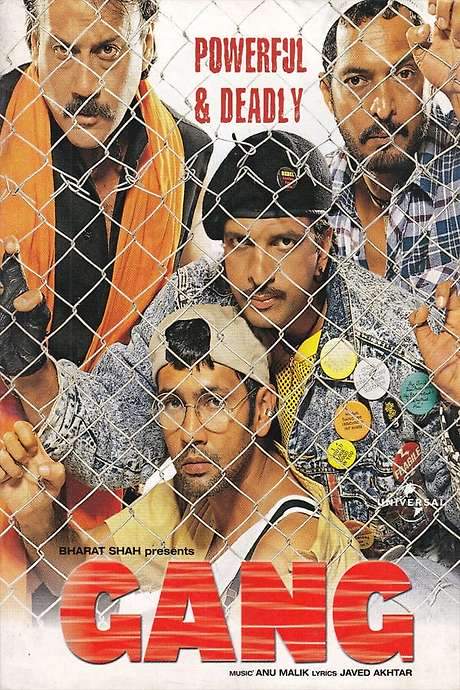

Brutal and grim crime world movies like League of Gangsters

Gritty, violent stories set in the ruthless and unforgiving criminal underworld. Explore more movies like League of Gangsters that plunge you into the harsh reality of the criminal underworld. These similar films share a dark tone, fast pacing, and high intensity, featuring grim stories about yakuza, gangsters, power struggles, and the heavy cost of a life of crime.

  • brutal
  • grim
  • tense
  • ruthless
  • cynical
  • desperate
  • Tone: dark, grim, tense
  • Pacing: fast, driving
Why these movies?

The story pattern: The narratives are often straightforward journeys into the heart of a criminal ecosystem, emphasizing the setting's oppressive rules. Characters are tested by the environment itself, facing moral compromises and violent conflicts that highlight the fatalistic and unforgiving nature of their world.

Why they belong together: These films are grouped by their shared dark and grim mood, high intensity, and fast pacing. They create a cohesive viewing experience defined by a pervasive sense of tension, a focus on the brutal mechanics of the underworld, and an emotionally heavy atmosphere devoid of humor or romantic respite.

If you liked this

Movies Like League of Gangsters

Similar movies to League of Gangsters: the same genre, themes or kind of story. Each one comes with its own plot summary, timeline and ending explained.

Browse all movie summaries

Every angle

League of Gangsters (1963) Explained: Plot, Timeline & Characters

Everything about League of Gangsters in one place: what happens in the plot summary, the timeline in chronological order, the characters and meaning and a spoiler-free summary. What's After the Movie adds the cast, box office and post-credit scenes.

Coming soon on iOS and Android

The Plot Explained Movie Summary App

Plot summaries, endings explained and timelines on your phone. Catch up on any movie in minutes, save your favorites and never miss a twist again.

Be the first to know when we launch. Your email stays private, always.

Learn more about the app