
Le Grand Chef 2: Kimchi Battle
Year: 2010
Runtime: 118 mins
Language: Korean
Director: Baek Dong-hoon
The Korean president visits Japan and clashes with the prime minister, claiming kimchi is Japanese, sparking a dispute. Back home he launches a globalization push for kimchi, centered on a national contest. Siblings Jang‑eun (Kim Jung‑Eun) and brother Sung‑Chan (Jin Goo) enter the contest, their mother’s kimchi recipe turning pride into a showdown.
Where to Watch Le Grand Chef 2: Kimchi Battle?
Find where to stream, rent, or buy Le Grand Chef 2: Kimchi Battle (2010) in the US with current JustWatch availability, up-to-date pricing, and platform listings for subscription, rental, and digital purchase options.





Streaming availability powered by 
Warning: spoilers below!
Haven’t seen Le Grand Chef 2: Kimchi Battle yet? This summary contains major spoilers. Bookmark the page, watch the movie, and come back for the full breakdown. If you're ready, scroll on and relive the story!
Timeline – Le Grand Chef 2: Kimchi Battle (2010)
Trace every key event in Le Grand Chef 2: Kimchi Battle (2010) with our detailed, chronological timeline. Perfect for unpacking nonlinear stories, spotting hidden connections, and understanding how each scene builds toward the film’s climax. Whether you're revisiting or decoding for the first time, this timeline gives you the full picture.
Last updated: February 17, 2026 at 19:56
Le Grand Chef 2: Kimchi Battle (2010) Timeline Questions Answered – Chronology FAQ
Find frequently asked questions about the Le Grand Chef 2: Kimchi Battle (2010) timeline, including chronological order, nonlinear jumps, cause-and-effect links, and scene sequence clarifications. This timeline FAQ helps explain when key events happen, how moments connect, and why the story unfolds in that specific order.
Why does Jang-eun want to close Chunyanggak Restaurant?
Jang-eun wants to shut down Chunyanggak Restaurant because she resents what it represents. After her mother chose the restaurant over her daughter's happiness, Jang-eun left Korea for ten years to train in Japan. She returns with a cold exterior and a determination to end the restaurant that she believes symbolized her mother's rejection of her.
Earlier scenes reveal Jang-eun's resentment began when she felt her mother valued the restaurant more than their family bond.
Why does Jang-eun resent her mother being a gisaeng?
Jang-eun resents her mother because she believes her mother prioritized Chunyanggak Restaurant over her own daughter's well-being. The mother had been a gisaeng (a traditional Korean female entertainer), and Jang-eun feels this past brought shame and caused her mother to live for the restaurant rather than for family.
The summary notes the mother lived 'under the shadow of her past as a gisaeng,' which shaped her choices.
Why does Seong-chan propose the Kimchi Contest to decide the restaurant's fate?
Seong-chan proposes the Kimchi Contest as a way to settle the dispute between him and Jang-eun over whether to keep or close Chunyanggak. He believes the contest will provide a fair, public way to determine the restaurant's future, turning their personal family conflict into a national culinary competition.
Seong-chan is established as a defender of tradition who believes the restaurant's survival is inseparable from family heritage.
Why did Jang-eun leave Korea for ten years?
Jang-eun left Korea ten years ago to train as a chef in Japan. The summary indicates she carries 'a broken heart' and uses a 'cool, guarded exterior,' suggesting her departure was driven by emotional pain stemming from her difficult relationship with her mother and resentment toward the family restaurant.
The timeline shows Jang-eun departed after conflicts with her mother over the restaurant took their toll.
How does the political kimchi debate connect to the family story?
The political dispute between Korea and Japan over kimchi's origins creates the national Kimchi Contest, which becomes the arena where Jang-eun and Seong-chan settle their family conflict. The contest serves dual purposes: affirming kimchi as Korean heritage and deciding whether Chunyanggak Restaurant survives.
The president's vow to promote kimchi globally directly leads to announcing the national contest that the siblings will enter.
What is a gisaeng and why does it matter in the story?
A gisaeng was a traditional Korean female entertainer and hostess, often trained in arts like music, poetry, and dance. In the film, Jang-eun's mother was a former gisaeng, and Jang-eun resents this past because she feels it led her mother to prioritize the restaurant and live in the shadow of shame rather than focusing on family.
The mother's gisaeng past directly influences her dedication to Chunyanggak as a way to redeem her reputation.
How does Jang-eun's cooking style differ from Seong-chan's?
Jang-eun practices fusion cooking, blending Korean cuisine with techniques she learned during her ten years in Japan. Seong-chan advocates for traditional Korean culinary methods and wants to preserve the original recipes. Their competing approaches represent the broader theme of tradition versus innovation in the story.
The film establishes early on that Jang-eun returned with 'a singular plan' involving her modern approach, while Seong-chan is 'a guardian of tradition.'
Why is Seong-chan so determined to save Chunyanggak?
Seong-chan is a step-brother taken in by the mother after his own deaf-and-mute mother could not care for him. He believes the restaurant's survival is inseparable from the family's history and cultural heritage. His loyalty to tradition and gratitude toward his adoptive mother drive his determination to keep Chunyanggak alive.
Seong-chan was 'taken in' by the mother, making the restaurant a symbol of the family that accepted him.
What does winning the Kimchi Contest determine?
The Kimchi Contest outcome will decide whether Chunyanggak Restaurant stays open or closes. A win could save the restaurant, while a loss risks its closure. The competition thus transforms a personal family dispute into a public culinary showdown with real consequences for their legacy.
The timeline explicitly states 'the contest's outcome will determine the restaurant's fate.'
What motivates Jang-eun to return to Korea?
Jang-eun returns to Korea primarily to shut down Chunyanggak Restaurant. While the political kimchi debate provides the backdrop, her personal motivation stems from long-held resentment toward her mother and the restaurant she believes came before her daughter's happiness.
Jang-eun returns 'with a singular plan: to shut down the restaurant' that has defined her family's legacy.

Explore Movie Threads
Discover curated groups of movies connected by mood, themes, and story style. Browse collections built around emotion, atmosphere, and narrative focus to easily find films that match what you feel like watching right now.
Culinary Competition Dramas like Le Grand Chef 2: Kimchi Battle
Where high-stakes cooking contests reveal personal rivalries and deep-seated passions.Find more movies like Le Grand Chef 2: Kimchi Battle where cooking competitions drive the narrative. This thread features films that blend rivalry, skill, and heartfelt stories centered around food, perfect for fans of competitive culinary stories.
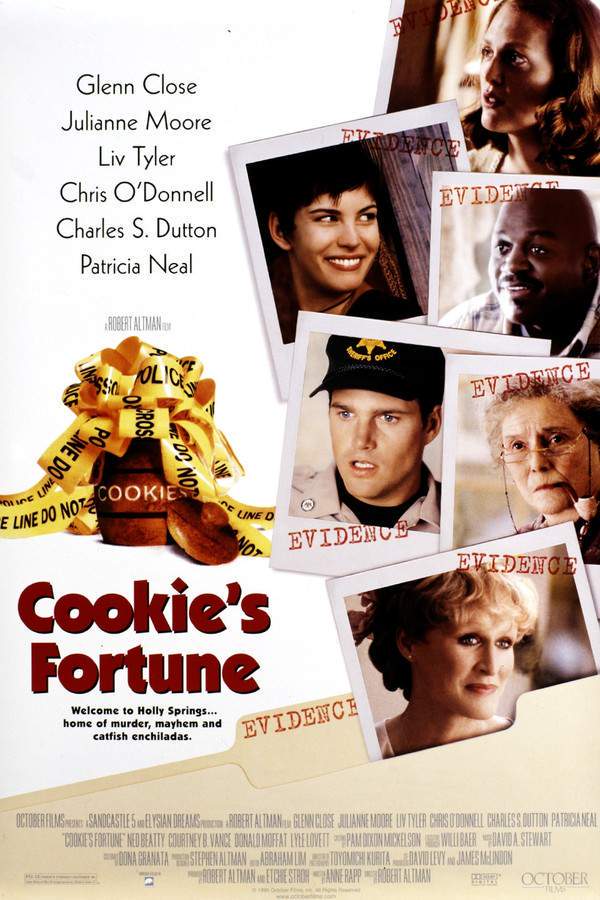
Cookie's Fortune
1999

Larry the Cable Guy: Health Inspector
2006

Confetti
2006
Le Grand Chef 2: Kimchi Battle
2010

Eating Out: Drama Camp
2011
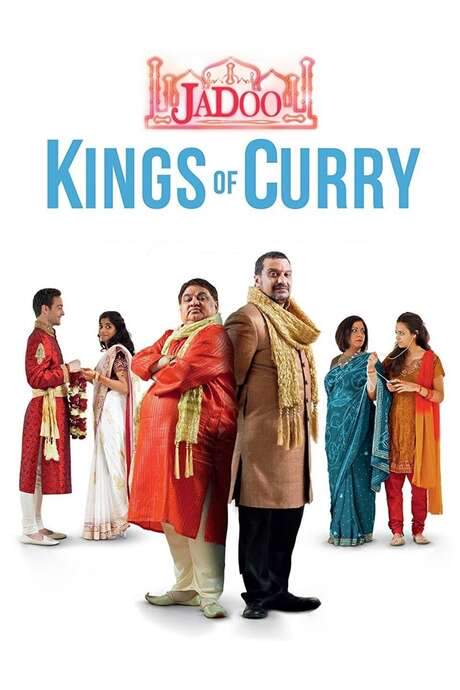
Jadoo
2013

Salt N’ Pepper
2011

This Is Not What I Expected
2017

Love Action Drama
2019
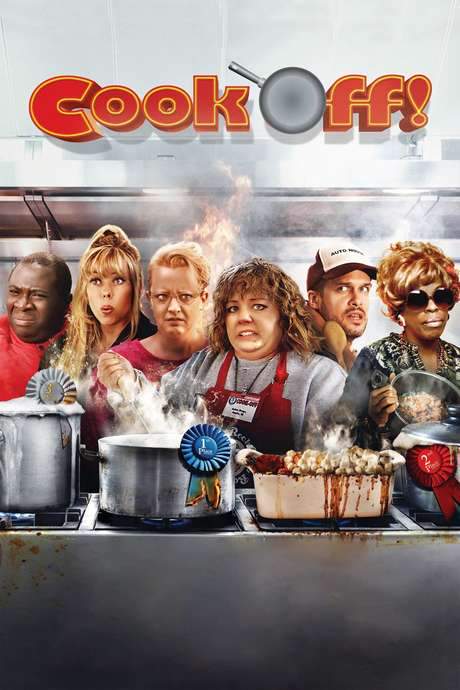
Cook-Off!
2007

The Wing or the Thigh?
1976

If You Could Only Cook
1935

Who Is Killing the Great Chefs of Europe?
1978

Kudi Haryane Val Di
2024

Beauties at War
2009
Narrative Summary
The narrative typically follows contestants entering a high-profile cooking contest, with the structured progression of the competition providing the plot's backbone. Personal histories, rivalries (often familial), and a desire to prove oneself or honor a legacy are revealed through the challenges, leading to character development and often reconciliation.
Why These Movies?
These films are grouped by their shared premise of a culinary contest as the central driver of the plot, combined with a steady, character-focused pacing and a light to moderate emotional tone that balances competitive spirit with heartfelt themes.
Movies about Sibling Rivalry like Le Grand Chef 2: Kimchi Battle
Stories where competing siblings must overcome past conflicts to achieve a common goal.If you liked the sibling dynamic in Le Grand Chef 2: Kimchi Battle, explore this thread for more films about brothers and sisters overcoming rivalry. These stories blend competition with heartfelt family reconciliation.

Father Figures
2017
Le Grand Chef 2: Kimchi Battle
2010

The March Sisters at Christmas
2012

Easter Sunday
2014

A Dozen Summers
2015

Clash of Egos
2006
Cook-Off!
2007

All’s Well, Ends Well 2020
2020

All’s Well, Ends Well
1992

Hitler Brothers
1997

Ready
2008

Little Sister
1992

Family Plan
1997
-2mgmab9_l7grCw.jpg)
Ang Tanging Pamilya (A Marry-Go-Round!)
2009

Boys Are Easy
1993
Narrative Summary
The narrative follows siblings with a strained relationship, often due to past events or perceived favoritism. A central conflict or goal—like a competition or saving a family legacy—forces them to work together, gradually breaking down barriers and leading to a resolution that heals old wounds.
Why These Movies?
This thread unites films by their central focus on the sibling relationship arc, specifically the pattern of moving from conflict to collaboration and eventual reconciliation. They share a moderate narrative complexity and a tone that balances lighthearted moments with genuine emotional weight.
Unlock the Full Story of Le Grand Chef 2: Kimchi Battle
Don't stop at just watching - explore Le Grand Chef 2: Kimchi Battle in full detail. From the complete plot summary and scene-by-scene timeline to character breakdowns, thematic analysis, and a deep dive into the ending - every page helps you truly understand what Le Grand Chef 2: Kimchi Battle is all about. Plus, discover what's next after the movie.
Le Grand Chef 2: Kimchi Battle Summary
Read a complete plot summary of Le Grand Chef 2: Kimchi Battle, including all key story points, character arcs, and turning points. This in-depth recap is ideal for understanding the narrative structure or reviewing what happened in the movie.

Characters, Settings & Themes in Le Grand Chef 2: Kimchi Battle
Discover the characters, locations, and core themes that shape Le Grand Chef 2: Kimchi Battle. Get insights into symbolic elements, setting significance, and deeper narrative meaning - ideal for thematic analysis and movie breakdowns.


