Plot Explained Spoilers guaranteed!
Plot Explained

Browse by genre

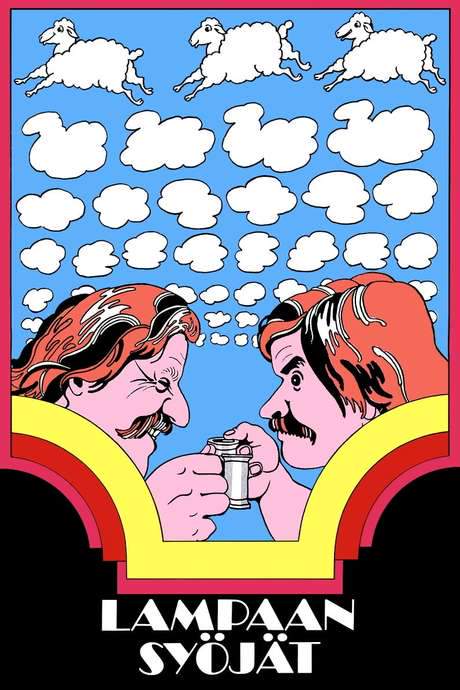
Lampaansyöjät (1972) movie poster

Plot Summary

Lampaansyöjät (1972) Plot Summary Explained

Release, runtime and language
1972 · 96 mins · Finnish
Loading streaming availability…
Directed by
Seppo Huunonen
Starring
Heikki Kinnunen, Jukka Sipilä, Leo Lastumäki, Pentti Auer, Rose-Marie Precht, Elina Hoffrén

Valtteri and Sepe, two ordinary white‑collar men from southern Finland, drive north to carry out a months‑long scheme. Obsessed with lamb baked “robber‑style” in a pit beneath a campfire, they forge licence plates and documents to poach roadside sheep without detection. Around the fire they swap stories, fueled by vodka, while the summer rain falls.

On this page (6)
  1. 1 Where to watch
  2. 2 What happens: full plot
  3. 3 Plot questions answered
  4. 4 Movie threads
  5. 5 Movies like Lampaansyöjät
  6. 6 Every angle
Loading streaming availability…

Full plot summary · contains spoilers

What Happens in Lampaansyöjät: Full Plot Summary

The whole story of Lampaansyöjät (1972) explained, from the opening scene to the final frame: every key event, every twist and what it all adds up to. Read it as a quick recap before the sequel, to check a scene you missed, or to finally understand what really happened.

On a sunlit Finnish coast, Forester Sepe Heikki Kinnunen and branch manager Valtteri Leo Lastumäki kick off their summer vacation at a Kalajoki beach hotel, celebrating with hearty meals and another bottle of cognac as they hatch a plan they call Operation Sheep Eaters. The mood is light, but the seeds of a far darker scheme are sown as they relish good food, drink, and a sense of mischief that overshadows the days ahead.

The next morning, they head north through Oulu and spend the night in a travel home, waking up at four to the innkeeper’s knock and bracing themselves to carry out their plan as dawn breaks. Sepe swaps the car’s license plates, they spot a grazing flock, and Valtteri shoots one of the sheep. Blood is drained, the legs are chopped with an axe, and the rest is left for the owner by the fence. In a bid to cover their tracks, they mail a post office address for 150 marks, filling out the form with a typewriter to avoid leaving fingerprints.

With the evidence planted, the two men sail a motorboat to a lakeside island to camp, their mutton simmering in a cauldron as they trade politics and toasts. In a blur of inebriation, Valtteri staggers into the lake and refuses to dry off, leaving Sepe to nurse their hangovers with more brews. By morning, they press on, braising the lamb and planning their next moves.

Tired of island life, they drift toward the “paint village,” catching a glimpse of local cinema and arcades before returning to Suomutunturi for more downtime at the hotel. Yet the urge for another raid pulls them forward, and Valtteri shoots a second sheep. This time they dismantle the carcass and prepare an “Outer Mongolian robber’s roast”: the entrails are removed, the cavity stuffed with rice, potatoes, onions, and spices, and the lamb is sealed in a clay crust and cooked in a stone-lined pit with a steady campfire on top. While the roast simmers, the two drink and drift into crude musings about women, letting their philosophy drift between sarcasm and bravado.

When the roast is ready and the meat proves delicious, their appetites waver as they fantasize about trout and the pristine waters of Lapland’s mountain streams. A group of scantily clad German women canoeing on the opposite shore briefly interrupts their revelry; two of the visitors approach to buy food, and the men offer the roast, only for the women to recoil in horror at the butchered remains. The men redirect the moment, arguing that it somehow spared them from the clutches of “bad women.”

Their journey pushes north again, stopping at a liquor store and revisiting the gravel pit they’ve used as a sort of ritual space, where they reflect and argue about life’s basics. They decide to press on to Norway to glimpse the Arctic Ocean, a detour that seems to promise something larger than their earlier exploits. On the return trip, they run over a sheep and, fearing the fallout—particularly given Norway’s NATO ties and the risk of customs trouble—cast the carcass into a river and move on.

In the end, the two men—still thick with drink and a sense of reckless camaraderie—settle back in their gravel-pit campsite, a tent pitched, and feel as if life has returned to its old, familiar rhythm, even as their misadventures linger in memory and weather the edge of consequence.
Last updated: October 09, 2025 at 11:20

Was this helpful?

Plot questions answered

Lampaansyöjät Plot Explained: Your Questions Answered

The questions people ask most about Lampaansyöjät (1972): what happens in the confusing scenes, why the characters do what they do, the twists, hidden details and what the ending means. Each answer contains spoilers.

Q1

Why do Valtteri and Sepe go to such lengths to poach sheep?

Valtteri and Sepe are obsessed with cooking lamb 'robber-style' in a pit beneath a campfire, a dish they planned during winter and now execute during their summer vacation. Their motivation is primarily culinary indulgence combined with a sense of mischief and adventure. The entire trip is framed as 'Operation Sheep Eaters,' a months-long scheme that combines their love of rustic cooking with the thrill of getting away with illegal poaching.

Foreshadowing: Their obsession with the elaborate lamb dish is established at the Kalajoki hotel where they first hatch their plan.

  • valtteri
  • sepe
  • poaching
  • motivation
  • operation sheep eaters
  • lamb
Q2

What happens when they hit a sheep on the return trip from Norway?

On their way back from Norway, they accidentally run over a sheep with their car. Fearing international complications because Norway is a NATO country, they panic and throw the dead sheep into a river rather than risk customs trouble or legal exposure. This incident highlights their constant anxiety about getting caught and the growing recklessness of their trip.

Foreshadowing: Their earlier care in forging license plates and covering tracks shows their fear of consequences.

  • norway
  • nato
  • sheep accident
  • border
  • car accident
Q3

Why do they leave the leftover sheep parts by the fence after the first poaching?

After killing and draining the first sheep, they chop off the legs and leave the rest of the carcass by the owner's fence. This is a deliberate attempt to make the killing look like a natural accident or predation, rather than deliberate poaching. By planting evidence that suggests the sheep died naturally or was attacked by a predator, they hope to avoid suspicion and investigation.

  • sheep remains
  • fence
  • cover tracks
  • evidence
Q4

What is the Outer Mongolian robber's roast and how do they prepare it?

The Outer Mongolian roast is their elaborate cooking method for the second sheep. They gut the animal entirely, then stuff the empty cavity with rice, potatoes, onions, and spices. The lamb is sealed in a clay crust and placed in a stone-lined pit with a steady campfire burning on top. This slow-cooked method creates a distinctive, flavorful dish that represents the culmination of their culinary obsession.

  • outer mongolian roast
  • cooking method
  • pit fire
  • clay crust
Q5

Why do Valtteri and Sepe decide to travel to Norway to see the Arctic Ocean?

During their northward journey through Lapland, they make a spontaneous decision to extend their trip to Norway specifically to see the Arctic Ocean. This detour represents their desire for adventure and grand experiences beyond their poaching scheme. The visit to Norway adds a sense of scale to their journey and fulfills a wanderlust that goes beyond their original culinary plan.

  • norway
  • arctic ocean
  • lapland
  • journey motivation
Q6

Why are the German women horrified when they approach the camp?

When two German women canoe over to buy food from the men, they are confronted with the butchered remains of the second sheep, blood, entrails, and all. The sight of the butchered animal in its raw, dismembered state horror them, and they recoil in disgust. The men quickly pivot the conversation to avoid confrontation, ultimately arguing that the encounter somehow spared them from 'bad women.'

  • german women
  • butchered sheep
  • camp
  • horror
  • encounter
Q7

Why don't Valtteri and Sepe face any real consequences for their crimes?

Despite committing multiple acts of poaching, leaving false evidence, forging license plates, and even causing a sheep's death in Norway, the men escape any legal repercussions. The movie's tone is light and comedic, treating their crimes as misadventures rather than serious offenses. The lack of consequences reflects the film's casual, satirical approach to their white-collar characters descending into rural criminality without real accountability.

  • no consequences
  • legal
  • poaching
  • crime
  • accountability
Q8

Why do they forge license plates and set up a fake postal address?

Sepe swaps the car's real license plates with forged ones to obscure their identity while committing poaching. Later, they pay 150 marks for a postal address they use to receive mail, filling out the forms with a typewriter to avoid leaving fingerprints. These precautions demonstrate their careful planning to evade detection by authorities, showing that despite their drunken antics, they understand the seriousness of getting caught.

  • license plates
  • forgery
  • postal address
  • fingerprints
  • evidence
  • cover up
Q9

What is the significance of the gravel pit campsite they keep returning to?

The gravel pit serves as a recurring ritual space for Valtteri and Sepe throughout their journey. They return to check on trash they left from the previous summer and use the location for philosophical discussions and arguments about life. The site represents their sense of routine and familiarity, a place where they feel comfortable despite their criminal activities. It becomes a symbolic anchor point in their wandering journey.

  • gravel pit
  • campsite
  • ritual
  • return
  • philosophy
Q10

What does the title Lampaansyöjät mean and why is it significant?

Lampaansyöjät translates to 'Sheep Eaters' in Finnish, directly referencing the central obsession of the two protagonists. The title encapsulates their entire scheme and the driving motivation behind their northward journey. It reflects the darkly comedic premise of white-collar men who abandon their ordinary lives to pursue their culinary passion through illegal means.

  • title meaning
  • finnish
  • sheep eaters
  • translation

Movie threads

More Movies Like Lampaansyöjät, by Mood & Story

Curated lists built around what makes Lampaansyöjät tick: the same mood, the same kind of story or the same emotional payoff. Each list explains why these movies belong together.

Movies about male bonding like Lampaansyöjät

Stories of friendship tested and forged through shared, aimless journeys. If you enjoyed the easygoing friendship and journey in Lampaansyöjät, you'll like these movies. They capture similar feelings of carefree male bonding, shared experiences on the road, and stories where the destination is less important than the company.

  • male bonding
  • road trip
  • leisurely
  • nostalgic
  • conversational
  • carefree
  • Tone: light, humorous, nostalgic
  • Pacing: steady, episodic
Why these movies?

The story pattern: Narratives in this thread are character-driven, often following a linear journey or trip. The central conflict is typically low-stakes, arising from the characters' personalities or their reactions to the situations they create for themselves. The focus is on dialogue, shared moments, and the evolution of the friendship.

Why they belong together: These films are grouped by their shared focus on the male friendship dynamic, a steady, leisurely pace, and a light tone that finds humor in everyday interactions. They offer a comforting, often nostalgic, look at the simple pleasures of companionship and escape.

Movies about rustic rebellion like Lampaansyöjät

Characters break from civilized life for a simple, slightly illicit adventure in nature. Find films similar to Lampaansyöjät that capture the vibe of a minor, rebellious escape into nature. These movies often feature characters leaving their normal lives for a simple, sometimes illicit, adventure, blending comedy with a sense of freedom and back-to-basics living.

  • rebellious
  • back to nature
  • escape
  • carefree
  • illicit adventure
  • rustic
  • Tone: light, rebellious, carefree
  • Pacing: steady, linear
Why these movies?

The story pattern: The narrative pattern follows characters as they plan and execute a scheme that allows them to step outside societal norms, usually in a rustic environment. The story is straightforward, driven by their singular goal of indulgence or freedom. The ending often sees them returning to their ordinary lives, subtly changed by the experience.

Why they belong together: These films share a specific mood: a blend of light-hearted rebellion, a connection to nature, and a carefree attitude. The pacing is steady, the emotional weight is light, and the core appeal is the fantasy of a simple, uncomplicated escape from modern life.

If you liked this

Movies Like Lampaansyöjät

Similar movies to Lampaansyöjät: the same genre, themes or kind of story. Each one comes with its own plot summary, timeline and ending explained.

Browse all movie summaries

Every angle

Lampaansyöjät (1972) Explained: Plot, Timeline & Characters

Everything about Lampaansyöjät in one place: what happens in the plot summary, the timeline in chronological order, the characters and meaning and a spoiler-free summary. What's After the Movie adds the cast, box office and post-credit scenes.

Coming soon on iOS and Android

The Plot Explained Movie Summary App

Plot summaries, endings explained and timelines on your phone. Catch up on any movie in minutes, save your favorites and never miss a twist again.

Be the first to know when we launch. Your email stays private, always.

Learn more about the app