Plot Explained Spoilers guaranteed!
Plot Explained

Browse by genre

Lady in a Cage (1964) movie poster

Characters & Themes

Lady in a Cage (1964) Characters, Setting & Themes Explained

Release, runtime and language
1964 · 94 mins · English
Directed by
Walter Grauman
Starring
Jeff Corey, James Caan, Scatman Crothers, Olivia de Havilland, Jennifer Billingsley, Charles Seel

A seemingly ordinary home elevator becomes a nightmare when a woman becomes trapped inside. As the doors close, a gang of violent hoodlums discovers her confinement and subjects her to relentless terror, turning the cramped space into a claustrophobic arena of fear and survival.

On this page (8)
  1. 1 Where to watch
  2. 2 Characters explained (8)
  3. 3 Where & when it takes place
  4. 4 Themes & meaning (3)
  5. 5 Character & meaning questions
  6. 6 Movie threads
  7. 7 Movies like Lady in a Cage
  8. 8 Every angle

Where to watch

Where to Watch Lady in a Cage (1964)

Where can you watch Lady in a Cage? Stream, rent or buy it in the US, including on Hoopla, Kanopy and Amazon Video: current JustWatch availability with up-to-date prices.

Streaming availability powered by JustWatch

8 main characters · contains spoilers

Lady in a Cage Characters Explained: Who Is Who

The main characters of Lady in a Cage (1964), heroes and villains: what drives them, how they change over the course of the story and what each of them reveals about the film's bigger ideas.

  • George L. Brady Jr. (Jeff Corey)

    A drunken, unscrupulous derelict who roams the mansion, steals valuables, and disregards the alarm. He becomes the catalyst that brings criminal activity into Cornelia’s home and exposes the vulnerability of the wealthy to predatory outsiders. His presence underscores the film’s theme of social outsiders exploiting protected spaces.

    • 😈 Drunk
    • 🗝️ Criminal
    • 🚶 Outsider
  • Cornelia Hilyard (Olivia de Havilland)

    A wealthy widow who governs her life and home with iron will. Trapped in the elevator during a power outage, she pleads for help while the home is overrun by intruders. Her struggle evolves from victim to survivor, culminating in a destabilizing psychological crisis as the night spirals out of control.

    • 💎 Wealth
    • 🔒 Vulnerable
    • 🧭 Isolation
  • Randall Simpson O'Connell (James Caan)

    Leader of the hoodlums, brash and menacing, who taunts Cornelia and flaunts contempt for authority. He reveals a cruel bias by insinuating that Malcolm might be gay and shows Cornelia a letter that hints at tragic consequences. His arrogance ultimately leads to a violent confrontation that ends with his death.

    • 😠 Violent
    • 🎭 Immoral
  • Elaine (Jennifer Billingsley)

    One of the intruders’ crew, part of the gang that loots the house and fuels the drunken escapade. She participates in the assault on the mansion’s occupants and, along with Essie, attempts to escape as the situation deteriorates. Her actions contribute to the night’s momentum toward chaos.

    • 😈 Hoodlum
    • 💥 Reckless
  • Essie (Rafael Campos)

    A fellow young hoodlum aligned with Randall and Elaine. She becomes a key participant in the intruders’ crime and is later mistaken for Malcolm by Cornelia, adding to the film’s tension and confusion. Her escape efforts are thwarted as the police close in.

    • 🧨 Hoodlum
    • 😱 Fearless
  • Sade (Ann Sothern)

    A hustler who works with Mr. Paul and serves as a go-between for stolen goods. Her presence helps connect the criminal underground to the mansion’s interior, illustrating how networks of crime intrude on wealth. She remains a peripheral but pivotal links in the chain of events.

    • 💃 Hustler
    • 🤫 Deceit
  • Mr. Paul (uncredited) (Charles Seel)

    A fence who buys the stolen goods and coordinates with Sade, driving the criminal scheme forward. He arrives with his crew to reclaim items from the hoodlums’ car, intensifying the confrontation inside and around the mansion. His role ties the looting to the larger underworld network.

    • 🗝️ Fence
    • 🪙 Criminal
  • Malcolm Cornelius Hilyard (William Swan)

    Cornelia’s son, whose letter reveals deep-seated distress and a threat of suicide due to his mother's domineering attitude. The letter’s discovery shocks Cornelia and crystallizes the film’s theme of control, fear, and family conflict. He remains a spectral presence whose impact is felt through the implications of his words.

    • 👦 Son
    • 🧭 Rebellion

Last updated: October 04, 2025 at 17:29

Was this helpful?

Setting

Where and When Does Lady in a Cage Take Place?

The setting of Lady in a Cage (1964): the year and time period, the places and locations, and how they shape the characters, the mood and the tension of the story.

Time period

1960s

The events unfold in a contemporary 1960s setting, anchored by a Fourth of July weekend. The era’s social mores and suburban affluence frame a tense confrontation between safe luxury and criminal intrusion. A household power failure intensifies fears, revealing the fragility of security in that period.

Location

Hilyard Mansion

An opulent mansion serves as the film's arena. The high-tech elevator, installed by Cornelia, turns the home into a claustrophobic trap when a power outage hits. The estate's grandeur underscores a contrast between wealth and vulnerability, as fear and intrusion invade the protected space.

  • 🏰 Mansion
  • 🔒 Entrapment
  • 🧭 Isolation

Last updated: October 04, 2025 at 17:29

Was this helpful?

3 major themes

Lady in a Cage Meaning: Themes & Message Explained

What is Lady in a Cage (1964) really about? The emotional, social and philosophical themes the film keeps returning to, its symbolism and the message beneath the surface.

  • Entrapment

    Cornelia is physically trapped by the cage-like elevator, which becomes a symbol of how wealth and control can fail to keep danger at bay. The blackout turns the mansion into a sealed prison, heightening vulnerability and fear. The intruders’ unpredictable presence amplifies the claustrophobic tension, demanding resilience from a trapped homeowner.

  • Wealth Morality

    Luxury and crime collide within the same walls, exposing the moral rot that wealth can mask. The thieves’ audacity contrasts with Cornelia’s vulnerability, revealing class tensions and the fragility of privilege. The valuables that lure the intruders become a catalyst for power plays and ethical decline.

  • Violence Survival

    Cornelia improvises weaponry from broken elevator parts, turning desperation into defense. The escalation of violence tests her resolve and sanity, pushing her toward a traumatic psychological break. The ordeal highlights the high price of survival when protection collapses and danger closes in.

Last updated: October 04, 2025 at 17:29

Was this helpful?

Character & theme questions

Lady in a Cage Characters & Meaning: Your Questions Answered

The questions people ask about Lady in a Cage (1964): who the characters really are, their relationships, what the symbols mean, where it takes place and what the movie is really about. Each answer contains spoilers.

Q1

Where is Lady in a Cage set?

The film takes place in the Hilyard Mansion, an opulent estate that becomes the entire arena for the story. Cornelia installed a high-tech elevator in this home, which becomes a literal cage when a power outage traps her inside. The grandeur of the mansion contrasts sharply with the terror that unfolds, turning a symbol of wealth into a claustrophobic prison.

  • hilyard mansion
  • setting
  • location
  • elevator
  • mansion
  • house
Q2

What time period does the movie take place in?

The events occur during the 1960s, specifically over a Fourth of July weekend. This contemporary setting anchors the story in a period of suburban affluence and specific social mores. The household power failure during this holiday weekend creates the central crisis, highlighting how even routine technical failures can shatter the illusion of security in that era.

  • 1960s
  • time period
  • fourth of july
  • era
  • 1960s america
Q3

What does the elevator represent in the film?

The elevator serves as the film's central symbol of entrapment. Initially a convenience that reflects Cornelia's wealth and modern outlook, it becomes a cage when the power goes out, trapping her in a confined space. This transforms her mansion from a protected sanctuary into a sealed prison, embodying the theme of how wealth and control fail to keep danger at bay.

  • elevator
  • entrapment
  • cage
  • symbol
  • trap
  • confinement
Q4

How does the film explore wealth and morality?

The film examines how luxury and crime coexist behind the same walls, exposing the moral rot beneath wealth. The valuables in Cornelia's mansion lure the intruders, and their audacity in invading a wealthy home reveals class tensions. The thieves' willingness to exploit and harm a vulnerable wealthy woman raises questions about privilege, vulnerability, and the ethical decay that money cannot prevent.

  • wealth
  • morality
  • class
  • privilege
  • crime
  • money
Q5

Who is Cornelia Hilyard and what is her role?

Cornelia Hilyard is a wealthy widow who governs her home and life with iron will. Trapped in the elevator during a power outage, she becomes the helpless victim of home invaders. Her arc evolves from victim to survivor as she improvises weapons from broken elevator parts, though the ordeal pushes her toward a traumatic psychological break by night's end.

  • cornelia hilyard
  • protagonist
  • widow
  • wealthy
  • survivor
  • psychology
Q6

Who is Randall O'Connell and what makes him dangerous?

Randall Simpson O'Connell leads the gang of hoodlums who invade the mansion. He is brash, menacing, and exhibits cruel bias toward Cornelia's son Malcolm, whom he implies might be gay. He shows Cornelia a disturbing letter about Malcolm, and his arrogance and taunting ultimately lead to a violent confrontation that ends with his death.

  • randall o'connell
  • villain
  • antagonist
  • gang leader
  • james caan
Q7

What is known about Cornelia's son Malcolm?

Malcolm Cornelius Hilyard is Cornelia's son, who never physically appears in the film but whose letter reveals deep distress. The letter, discovered by the intruders and shown to Cornelia, hints at a threat of suicide driven by his mother's domineering attitude. This revelation crystallizes the film's themes of control, fear, and family conflict, adding psychological depth to Cornelia's ordeal.

  • malcolm hilyard
  • son
  • letter
  • suicide
  • family
  • mother
  • control
Q8

What role does George L. Brady Jr. play in the story?

George L. Brady Jr. is a drunken, unscrupulous derelict who roams the mansion, steals valuables, and ignores the alarm. He serves as the catalyst that brings criminal activity into Cornelia's home, exposing how wealth fails to protect against predatory outsiders. His presence represents the theme of social outsiders invading protected spaces.

  • george brady
  • derelict
  • thief
  • catalyst
  • intruder
  • jeff corey
Q9

How does the film handle violence and survival?

Cornelia is forced to improvise weapons from broken elevator parts, turning desperation into defense. The escalation of violence tests her resolve and sanity, pushing her toward a traumatic psychological break. The film highlights the high price of survival when protection collapses and danger closes in, showing how ordinary people can become desperate combatants.

  • violence
  • survival
  • weapon
  • defense
  • combat
  • trauma
  • psychology
Q10

What criminal elements are involved in the invasion?

The invasion involves a network of criminals beyond the immediate hoodlums. Sade is a hustler who works with Mr. Paul, a fence who buys stolen goods and coordinates with the criminal underground. This connection illustrates how crime networks operate, linking the mansion's loot to a larger underworld that exploits wealthy targets.

  • criminal network
  • underworld
  • fence
  • Sade
  • Mr. Paul
  • crime ring
  • theft
Q11

Why is the Fourth of July weekend significant?

The film occurs over a Fourth of July weekend, which carries ironic symbolism. The holiday represents freedom and American celebration, yet Cornelia loses all liberty, trapped in her own home while criminals torment her. The timing underscores the stark contrast between the promised safety of holiday festivities and the terrifying reality she endures.

  • fourth of july
  • holiday
  • freedom
  • irony
  • independence day
  • weekend
Q12

What does the power outage represent in the story?

The power outage is the triggering event that traps Cornelia in the elevator and plunge the mansion into darkness. This technical failure represents the fragility of modern comfort and security. Without electricity, the home's safety systems fail, and the mansion becomes a sealed trap rather than a protected space, amplifying vulnerability and fear.

  • power outage
  • blackout
  • electricity
  • failure
  • darkness
  • vulnerability
  • security

Movie threads

More Movies Like Lady in a Cage, by Mood & Story

Curated lists built around what makes Lady in a Cage tick: the same mood, the same kind of story or the same emotional payoff. Each list explains why these movies belong together.

Claustrophobic thrillers like Lady in a Cage

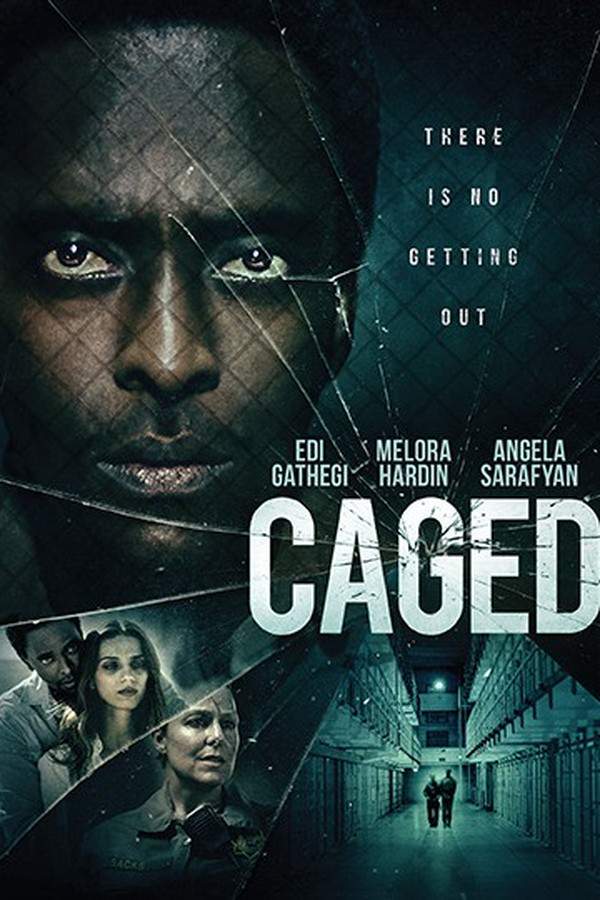
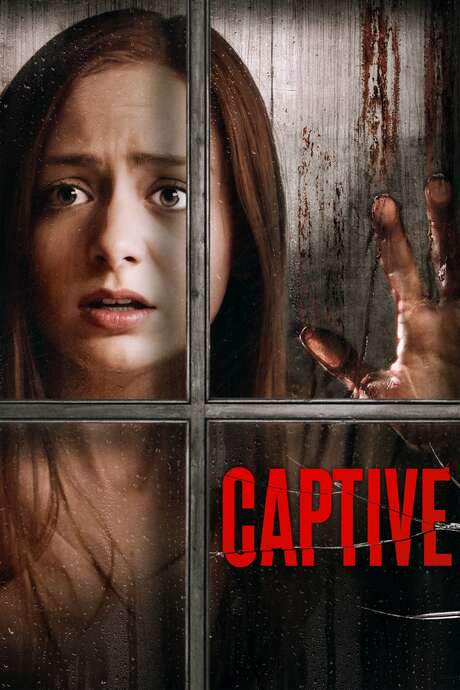
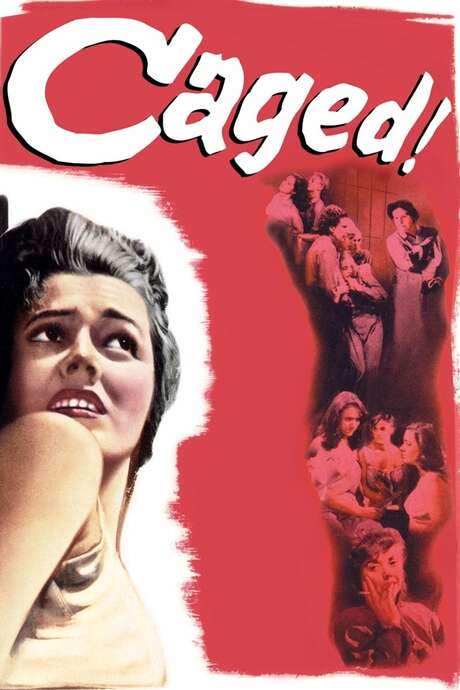
Stories where a small, trapped space becomes an arena of survival and fear. If the terrifying premise of Lady in a Cage gripped you, explore more movies like it. This list features intense survival stories where characters are trapped in confined spaces, facing relentless threats in a claustrophobic setting.

  • claustrophobic
  • tense
  • desperate
  • brutal
  • anxious
  • trapped
  • Tone: tense, bleak, desperate
  • Pacing: steady, relentless
Why these movies?

The story pattern: These narratives are defined by their restrictive setting, which fuels the entire plot. The confined space creates immediate tension and limits escape, forcing a direct and escalating confrontation between a vulnerable protagonist and a dire threat, often leading to a desperate fight for survival.

Why they belong together: Movies are grouped here based on their shared use of a single, oppressive location to generate relentless tension and a palpable sense of claustrophobia. The experience is defined by high-intensity, stressful scenarios where the setting itself is a key antagonist.

Brutal home invasion movies like Lady in a Cage

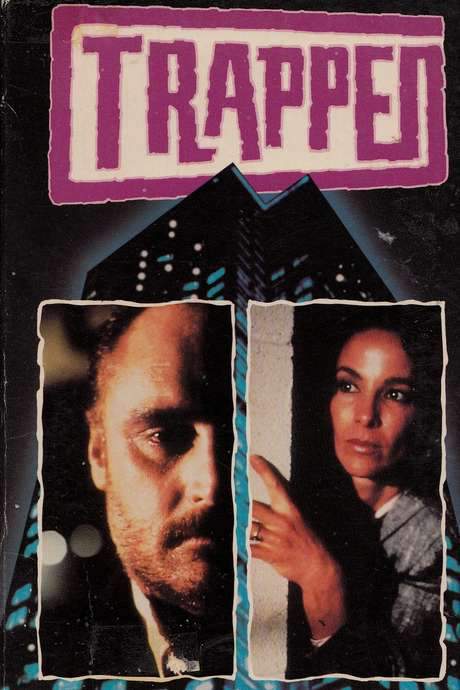
Tales where the safety of home is brutally shattered by intruders. For viewers who found the home invasion terror in Lady in a Cage compelling, this list gathers similar movies. Discover other stories where the safety of home is violently breached, forcing ordinary people into desperate fights for survival against cruel intruders.

  • brutal
  • anxious
  • oppressive
  • desperate
  • unhinged
  • violent
  • Tone: tense, brutal, oppressive
  • Pacing: steady, escalating
Why these movies?

The story pattern: The narrative pattern involves an initial sense of security being violently disrupted. The story follows the occupants as they are subjected to psychological games and physical violence by the invaders, exploring themes of vulnerability, class conflict, and the brutal loss of safety.

Why they belong together: These films are linked by the core theme of a home being invaded, creating an immediate and intimate sense of threat. They share a tense, often brutal tone and focus on the psychological impact of having one's safest space violated, resulting in a heavy, stressful viewing experience.

If you liked this

Movies Like Lady in a Cage

Similar movies to Lady in a Cage: the same genre, themes or kind of story. Each one comes with its own plot summary, timeline and ending explained.

Browse all movie summaries

Every angle

Lady in a Cage (1964) Explained: Plot, Timeline & Characters

Everything about Lady in a Cage in one place: what happens in the plot summary, the timeline in chronological order, the characters and meaning and a spoiler-free summary. What's After the Movie adds the cast, box office and post-credit scenes.

Coming soon on iOS and Android

The Plot Explained Movie Summary App

Plot summaries, endings explained and timelines on your phone. Catch up on any movie in minutes, save your favorites and never miss a twist again.

Be the first to know when we launch. Your email stays private, always.

Learn more about the app