Plot Explained Spoilers guaranteed!
Plot Explained

Browse by genre

La Grande Bouffe (1973) movie poster

Timeline

La Grande Bouffe (1973) Timeline Explained – Every Event in Order

Release, runtime and language
1973 · 130 mins · French
Directed by
Marco Ferreri
Starring
Marcello Mastroianni, Michel Piccoli, Ugo Tognazzi, Philippe Noiret, Andréa Ferréol, Florence Giorgetti

An experience that hammers your sensibilities. Four friends gather at a villa with the intention of eating themselves to death.

On this page (5)
  1. 1 Events in order (14)
  2. 2 Timeline questions answered
  3. 3 Movie threads
  4. 4 Movies like La Grande Bouffe
  5. 5 Every angle

14 events in order · contains spoilers

La Grande Bouffe Timeline: Events in Chronological Order

Every key event of La Grande Bouffe (1973) in order, scene by scene, with when and where it takes place. Use it to untangle flashbacks, time jumps and parallel storylines, to refresh your memory before the sequel or to find the exact scene you are thinking of.

  1. Villa gathering and introductions

    Four friends arrive at Philippe's villa to reconnect during a weekend of excess. They are greeted by the old caretaker Hector, who has prepared everything for a grand feast, and a Chinese visitor whose offer Philippe sharply rejects with a Virgil quote. The scene establishes the decadent mood and the plan to eat themselves to death.

    Where
    Villa
  2. The first feast and the oyster race

    Ugo and Marcello lead the opening round as they race to see who can eat oysters faster, setting the tone of competitive gluttony. The friends discuss inviting a feminine presence to spice up the gathering, and they decide to invite three prostitutes the next evening. The atmosphere becomes increasingly charged as the feast continues.

    When
    Evening
    Where
    Villa kitchen
  3. Plan for prostitutes

    Having glimpsed the pleasures to come, they decide to invite three prostitutes to the house the following evening, excluding Philippe who resists participation. The plan sharpens the undercurrent of transgressive indulgence that will permeate the weekend. The men prepare for a night of uninhibited excess.

    When
    Following evening
    Where
    Villa
  4. School visit and Andrea the teacher

    During breakfast the next day, a school class arrives, drawn by the villa's famed Boileau linden tree and the old Bugatti in the garage. The four invite the class to tour the garden and kitchen, and Andrea, a young teacher, joins their plans for dinner. Philippe warns Andrea about the company, but she remains unfazed and intrigued.

    When
    Morning
    Where
    Garden and kitchen
  5. Prostitutes arrive and party escalates

    That evening, the prostitutes arrive and the party becomes frivolous and sexually charged, with the men howling in unrestrained joy. Andrea embraces the lively atmosphere and even engages with Philippe, who awkwardly contemplates marrying her. The orange glow of the feast signals a descent into uncontainable appetite.

    When
    Evening
    Where
    Villa
  6. Indigestion and ritual flatulence

    Michel, raised to meticulous propriety, battles a rising indigestion as the others urge him to release his wind. The room fills with laughter and crude humor as the feast pushes past social boundaries. The physical discomfort foreshadows the wreckage to come.

    When
    Evening
    Where
    Kitchen and terrace
  7. Prostitutes flee at dawn; Andrea stays

    At dawn the prostitutes flee, leaving Andrea behind to join the others in their perverse convergence. She cements a tacit agreement to stay and participate in the binge, aligning herself with the doomed plan. The four continue to revel in spite of their fading humanity.

    When
    Dawn
    Where
    Villa
  8. Andrea's involvement deepens

    Andrea becomes an active participant, sharing intimate moments with each man and remaining at the center of the group's delirium. Her presence turns the event into a perverse alliance where sex and gluttony reinforce their self-destruction. The crew's appetite intensifies as night deepens.

    When
    Night
    Where
    Villa
  9. Marcello's death

    Marcello dies after an outburst about impotence; he goes to the toilet, the pipes explode, and he attempts to flee in the repaired Bugatti during a snowstorm. He is found the next morning frozen in the car, and his body is placed in the cold room for preservation.

    When
    Night
    Where
    Bathroom, then Bugatti
  10. Michel dies

    Michel, overwhelmed by indigestion and being crammed with food, experiences a final bout of flatulence while playing the piano and collapses on the terrace. His body is moved to the cold room beside Marcello to join the other victims.

    When
    Night
    Where
    Terrace and cold room
  11. Ugo's pâté spectacle

    Backyard dogs cause a stir as Ugo unveils a colossal three-liver pâté shaped like the Dome of Les Invalides and serves it to Philippe and Andrea in the kitchen. They cannot bring themselves to eat, while Ugo presses on, intensifying the ritual. Andrea and Philippe watch as the feast takes on a macabre edge.

    When
    Night
    Where
    Kitchen
  12. Ugo dies on the kitchen table

    The binge reaches its grotesque apex as Andrea helps push the group toward the end. Ugo is fed on the kitchen table while Philippe participates, and they finally die together as the act is completed with explicit sexual escalation. His body is left in place in his domain on the kitchen table.

    When
    Night
    Where
    Kitchen
  13. Philippe's death under Boileau

    The last to die is Philippe, dying on the lime-tree bench of Boileau while Andrea holds him and a dog sits nearby. A delivery of meat arrives; Andrea instructs the delivery men to leave whole animals and sides of pork and beef in the garden, sealing the grotesque ritual. The garden becomes a site of silence as the living collapse into the feast.

    When
    Night
    Where
    Lime-tree Boileau garden
  14. The dogs feast on the remnants

    With all four dead, the garden fills with dogs that begin to feast on the carcasses and scraps, finishing the weekend's deadly circle of appetite. The villa becomes a tomb of gluttony as the last echoes of laughter fade away. The final image is a grotesque tableau of animals feasting where the friends once gathered.

    Where
    Garden

Last updated: October 09, 2025 at 12:34

Was this helpful?

Timeline questions answered

La Grande Bouffe Timeline Explained: Your Questions Answered

When does it happen, and why in that order? The questions people ask about the chronology of La Grande Bouffe (1973): time jumps, flashbacks, cause and effect between scenes and the correct order of events, each answered with spoilers.

Q1

Why do the four friends decide to eat themselves to death?

The four friends, Ugo, Philippe, Marcello, and Michel, gather at Philippe's villa with the explicit intention of eating themselves to death. This act represents a deliberate, nihilistic exploration of excess and mortality. Each character brings their own psychological baggage: Ugo is a chef whose identity is tied to food; Philippe is a magistrate living with his manipulative nanny; Marcello is an impotent womanizer; and Michel is an effeminate TV producer. Their suicide through gluttony serves as a dark meditation on hedonism, class, and the futility of desire.

  • motivation
  • suicide
  • gluttony
  • excess
  • nihilism
  • four friends
Q2

How does Marcello die in the film?

Marcello dies after an outburst about his impotence. He locks himself in the bathroom where the pipes burst and flood the room with sewage. In a desperate state, heflees outside during a snowstorm to his beloved vintage Bugatti, where he is found frozen to death the next morning. His body is then placed in the villa's cold room alongside the other victims.

Foreshadowing: Marcello's obsession with the Bugatti and his impotence issues were established earlier in the film, foreshadowing his tragic end.

  • Marcello
  • death
  • Bugatti
  • impotence
  • snowstorm
  • pipes burst
Q3

Why does Philippe refuse the job offer in China?

When a Chinese visitor offers Philippe a job in China, he politely declines by quoting Virgil's famous warning: 'Timeo Danaos et dana ferentes' (I fear the Greeks even bearing gifts). This moment establishes Philippe's initial resistance to change and temptation, setting up the tension between restraint and indulgence that defines the weekend's descent.

  • Philippe
  • China job
  • Virgil quote
  • temptation
  • restraint
Q4

Why does Andrea stay with the men after the prostitutes leave?

Andrea, the young schoolteacher who arrives with the class touring the villa, chooses to stay and participate in the group's self-destructive weekend. Despite Philippe's warning about the company, she becomes drawn into the party's orbit and develops a tacit alliance with the men. After the prostitutes flee at dawn, Andrea remains, engaging sexually with each man and staying until the end, aligning herself with their perverse ritual of appetite and death.

Foreshadowing: Andrea's immediate intrigue when invited to dinner foreshadows her decision to stay and participate fully.

  • Andrea
  • teacher
  • stays
  • prostitutes
  • participation
  • seduction
Q5

How does Michel die in La Grande Bouffe?

Michel, who was raised with strict table manners and suffers from severe indigestion throughout the film, dies after a violent bout of flatulence while playing the piano on the terrace. Overwhelmed by the excessive eating and unable to properly digest, he collapses and dies. His body is placed in the cold room alongside Marcello's.

Foreshadowing: Michel battling indigestion and trying to suppress his bodily noises throughout the feast directly foreshadows his death.

  • Michel
  • death
  • indigestion
  • flatulence
  • piano
  • terrace
Q6

Why is the pâté shaped like the Dome of Les Invalides?

Ugo creates an enormous three-liver pâté shaped like the Dome of Les Invalides as a grotesque culinary centerpiece. The shape is symbolic, Les Invalides is a famous Parisian monument, reflecting the film's themes of French culture, class, and bourgeois excess. The elaborate, ceremonial presentation contrasts sharply with the grim purpose of the feast, blending art with macabre ritual.

  • Ugo
  • pâté
  • Dome of Les Invalides
  • symbolism
  • liver
  • culinary spectacle
Q7

Why don't Philippe and Andrea eat the pâté?

When Ugo serves the massive pâté shaped like the Dome of Les Invalides, neither Philippe nor Andrea can bring themselves to eat it. This moment marks a turning point, they recognize the futility and horror of continuing. Philippe retreats to bed while Andrea remains to witness Ugo's final consumption, unable to participate in the final act of gluttony.

  • Philippe
  • Andrea
  • pâté
  • refusal
  • food
  • turning point
Q8

Why do they store the bodies in the cold room instead of burying them?

When Marcello dies first, Philippe warns about the legal consequences of burying someone on the property. Instead, they place his body in the villa's cold room, visible from the kitchen. As each character dies, their bodies accumulate there, creating a grim tableau. The cold room becomes a grotesque pantry, blending death with the culinary theme and avoiding the practical matter of disposal.

  • cold room
  • bodies
  • storage
  • Philippe
  • legal consequences
  • kitchen
Q9

Why do the dogs eat the meat at the end of the film?

After all four men die, Andrea instructs delivery men to leave a massive spread of whole animals and sides of pork and beef in the garden. Dogs then descend on the garden and feast on the meat, turning the lawn into a feeding ground. This closing image mirrors the men's own gluttonous consumption, creating a dark circularity, animals now feast where humans once did, completing the cycle of appetite and decay.

  • dogs
  • garden
  • meat
  • ending
  • circularity
  • appetite
  • consumption
Q10

How does Ugo die in La Grande Bouffe?

Ugo, the chef and gastronome, dies on the kitchen table after devouring the entire massive pâté. Andrea helps facilitate his final feeding while Philippe watches. The scene is described as a 'final moment of carnal synthesis,' combining food and explicit sexual escalation. Ugo dies in his domain, the kitchen, having consumed more than anyone else.

Foreshadowing: Ugo's relentless enthusiasm for food and his refusal to stop eating throughout the film foreshadow his final, fatal binge.

  • Ugo
  • death
  • kitchen
  • pâté
  • chef
  • eating
  • final feast
Q11

How does Philippe die and what happens after?

Philippe is the last to die, succumbing on a lime-tree bench in the Boileau garden while Andrea sits beside him. As he dies, another delivery of meat arrives. Andrea instructs the delivery men to leave the whole animals and sides of pork and beef in the garden. With all four men dead, the garden fills with dogs that feast on the remnants, closing the film on a bleak, circular note of consumption and decay.

  • Philippe
  • death
  • lime-tree
  • Boileau garden
  • Andrea
  • final death
Q12

Why do the prostitutes leave but Andrea stays?

The three prostitutes arrive and participate in the escalating party, but flee at dawn, unable to continue with the extreme self-destruction. Andrea, however, chooses to stay. Unlike the prostitutes who are paid to be there, Andrea appears genuinely intrigued and drawn to the group's existential project. She develops a deeper alliance with the men, engaging sexually with each one and remaining until their deaths, making her participation voluntary and more emotionally complex.

  • prostitutes
  • Andrea
  • leave
  • stay
  • dawn
  • participation

Movie threads

More Movies Like La Grande Bouffe, by Mood & Story

Curated lists built around what makes La Grande Bouffe tick: the same mood, the same kind of story or the same emotional payoff. Each list explains why these movies belong together.

Darkly Comic Tales of Decadence and Excess like La Grande Bouffe

Stories where excess becomes a nihilistic and grotesque form of self-destruction. Find movies like La Grande Bouffe that blend satire with grotesque excess. These stories explore themes of hedonism, mortality, and bourgeois collapse with a darkly comic tone, offering a uniquely unsettling cinematic experience for fans of provocative, nihilistic dramas.

  • darkly comic
  • grotesque
  • nihilistic
  • decadent
  • unsettling
  • satirical
  • Tone: dark, satirical, nihilistic
  • Pacing: steady, deliberate
Why these movies?

The story pattern: The narrative pattern involves characters, often a group, consciously embarking on a path of extreme indulgence. Their journey is not one of pleasure but of methodical decay, using consumption—of food, substances, or experiences—as a weapon against meaninglessness, leading to an inevitable and chaotic collapse.

Why they belong together: These films share a specific tonal mix: the unsettling combination of bleak subject matter with moments of dark humor. They create a claustrophobic atmosphere of self-imposed doom, centered on themes of existential crisis and the grotesque limits of the physical and social body.
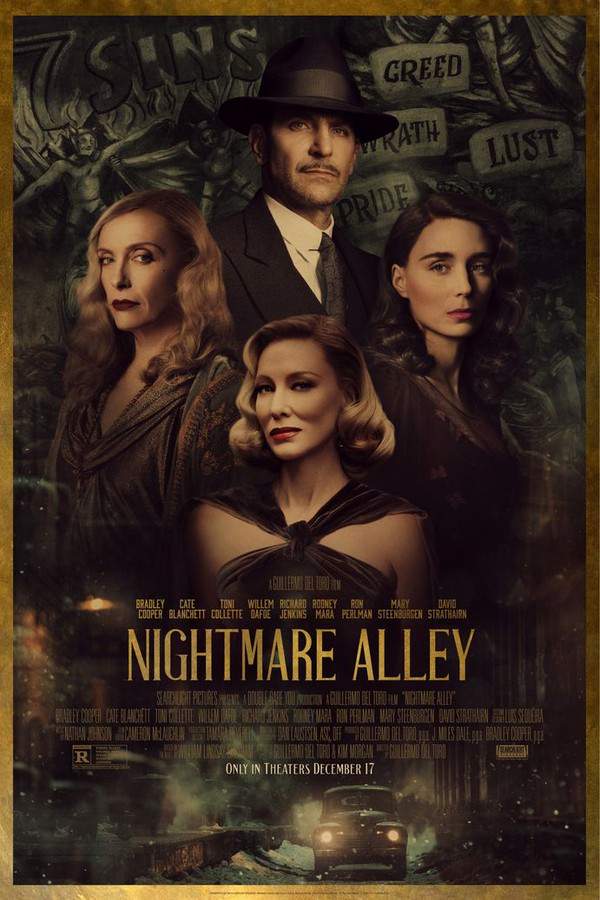
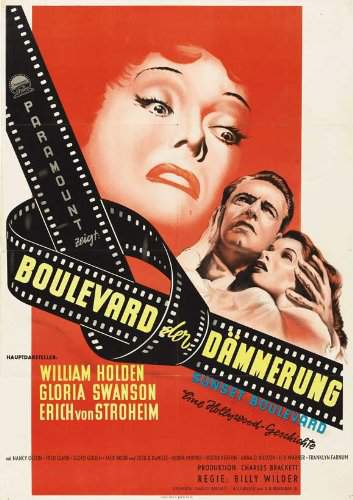
Movies About Fatalistic Journeys and Self-Destruction like La Grande Bouffe

Character-driven stories where the tragic outcome is accepted from the very start. If you liked the methodical self-destruction in La Grande Bouffe, explore similar movies about characters embracing a doomed path. These films feature a steady pacing and heavy emotional weight, focusing on the process of a conscious, collective descent into a tragic, preordained ending.

  • fatalistic
  • claustrophobic
  • unsettling
  • despair
  • methodical
  • psychological
  • Tone: bleak, despairing, heavy
  • Pacing: steady, methodical
Why these movies?

The story pattern: The plot is often simple and linear, revolving around a pact or a shared fatalistic goal. Suspense is replaced by a sense of dread and fascination as the characters, bound by friendship or a shared ideology, meticulously execute their plan, with the narrative focusing on the degradation and emotional unraveling along the way.

Why they belong together: These films are grouped by their unique narrative structure and emotional journey. They share a steady, deliberate pacing that builds a claustrophobic mood, a high intensity derived from the grim premise, and a profound focus on the themes of mortality, friendship, and existential choice.

If you liked this

Movies Like La Grande Bouffe

Similar movies to La Grande Bouffe: the same genre, themes or kind of story. Each one comes with its own plot summary, timeline and ending explained.

Browse all movie summaries

Every angle

La Grande Bouffe (1973) Explained: Plot, Timeline & Characters

Everything about La Grande Bouffe in one place: what happens in the plot summary, the timeline in chronological order, the characters and meaning and a spoiler-free summary. What's After the Movie adds the cast, box office and post-credit scenes.

Coming soon on iOS and Android

The Plot Explained Movie Summary App

Plot summaries, endings explained and timelines on your phone. Catch up on any movie in minutes, save your favorites and never miss a twist again.

Be the first to know when we launch. Your email stays private, always.

Learn more about the app