






Plot Explained Spoilers guaranteed!
Plot Explained

Browse by genre

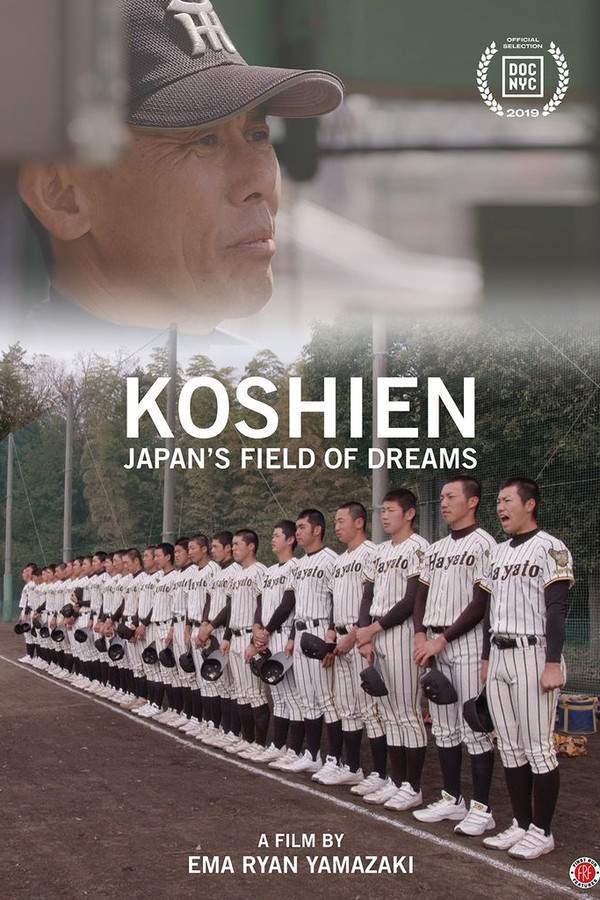
Koshien: Japan's Field of Dreams (2019) movie poster

Timeline

Koshien: Japan's Field of Dreams (2019) Timeline Explained – Every Event in Order

Release, runtime and language
2019 · 94 min · Japanese
JustWatch #11,028 21
Directed by
Ema Ryan Yamazaki
Starring
Hiroshi Sasaki, Ito Kouno, Kaoru Kashiwagi, Keishu Mukai, Kosho Mizutani, Kyoko Mizutani

The story follows a high school baseball team participating in the prestigious Koshien tournament, a century-old tradition in Japan. Led by coach Mizutani, the team embodies values of respect, discipline, and community as they compete for victory. The narrative explores the significance of these timeless principles and the team's journey toward achieving their goals amidst the tournament's rich history and national importance. Their dedication will be tested as they strive to uphold the tradition and honor the spirit of the game.

On this page (6)
  1. 1 Where to watch
  2. 2 Events in order (14)
  3. 3 Timeline questions answered
  4. 4 Movie threads
  5. 5 Movies like Koshien: Japan's Field of Dreams
  6. 6 Every angle

Where to watch

Where to Watch Koshien: Japan's Field of Dreams (2019)

Where can you watch Koshien: Japan's Field of Dreams? Stream, rent or buy it in the US, including on Netflix, Netflix Standard and OVID: current JustWatch availability with up-to-date prices.

Streaming availability powered by JustWatch

14 events in order · contains spoilers

Koshien: Japan's Field of Dreams Timeline: Events in Chronological Order

Every key event of Koshien: Japan's Field of Dreams (2019) in order, scene by scene, with when and where it takes place. Use it to untangle flashbacks, time jumps and parallel storylines, to refresh your memory before the sequel or to find the exact scene you are thinking of.

  1. Mizutani announces Hayato roster and sets expectations

    Tetsuya Mizutani reveals the Yokohama Hayato High School lineup for the upcoming prefectural tournament. He lectures the players on how every action should please others with their conduct and performance. His coaching mantra emphasizes discipline, hard work, and top-down authority.

    When
    start of roster announcement, pre-tournament period
    Where
    Yokohama Hayato High School
  2. Koshien’s grandeur and a star-studded montage

    The film intercuts footage celebrating Koshien’s prestige with clips of former high school standouts who progressed to professional ranks. The montage frames Koshien as a cultural rite, shaping how players dream and managers measure ambition. There is a sense of the national significance that looms over every local game.

    When
    opening montage
    Where
    Japan
  3. Mizutani’s old-school philosophy shown in practice

    Back at Hayato, Mizutani sternly lectures his team, explaining his traditional approach to building character through punishment and high expectations. He acknowledges his style is old-fashioned, yet shows no intention of softening. Players internalize these rules as they imitate his manner both on and off the field.

    When
    during training and meetings
    Where
    Hayato High field
  4. Rigorous training and self-imposed duties

    Hayato players maintain the field, endure weight requirements, and eat more than they feel they need, all under Mizutani’s orders. The routine reflects a culture where even non-playing teammates are expected to contribute to the team’s discipline. The film contrasts this intensity with the players’ personal sacrifices at home.

    When
    ongoing training period
    Where
    Hayato High
  5. Mizutani’s home life reveals professional dedication

    Mizutani’s wife explains that he is rarely at home because he is consumed by his job, serving as vice-principal by day and coach by night. The narrative contrasts family life with the relentless demands of the baseball program. Their son Kosho is shown growing up with different aspirations.

    When
    evenings and weekends
    Where
    Mizutani household
  6. Kosho’s high school choice and aspirations

    Kosho Mizutani aims to enter Higashi Hanamaki High School in Iwate Prefecture rather than following his father’s team. His decision highlights the personal cost of coaching dedication and the generational distance within the sport. The film uses his choice to broaden the story beyond Hayato.

    When
    before entering high school
    Where
    Kosho’s home
  7. Sasaki’s arrival and three-year plan at Hanamaki

    Hiroshi Sasaki, Hanamaki’s manager and former Hayato coach, introduces a forward-looking three-year plan for his players. He frames his role like a gardener, guiding but not stunting their growth. He worries about having once stifled potential and embraces modern tools to improve batting.

    When
    start of the new school year
    Where
    Hanamaki High School
  8. Sasaki’s modern methods and mentoring

    Sasaki admires the use of smartphones and data to help students refine their batting form. He balances tradition with new teaching aids, encouraging disciplined play while recognizing individual growth. The scenes juxtapose his garden metaphor with the team's lively practice atmosphere.

    When
    start of school year
    Where
    Hanamaki Field
  9. Hayato’s first prefectural game looms

    Back at Hayato, the team keeps training under Mizutani’s gaze as the season progresses towards the first game of the prefectural tournament. The tension builds as the players sense the weight of meeting expectations in a high-stakes environment. Mizutani’s stern guidance continues to shape their approach.

    When
    pre-game period
    Where
    Hayato High Stadium
  10. Hayato’s first game ends in a blowout loss

    Hayato suffers a blowout defeat due to errors and the opponent’s superior hitting. The loss devastates the seniors, who realize this may be their final game with the team. Mizutani expresses remorse for not guiding the team toward Koshien in the tournament’s centennial year.

    When
    during the prefectural tournament
    Where
    Hayato High Stadium
  11. Hanamaki advances, celebrating their victory

    Meanwhile, Hanamaki wins the prefectural tournament, buoyed by a lively, collective effort and a post-win celebration. The team lifts their manager in the air, a traditional gesture that marks their unity and success. Sasaki watches with pride and a hint of nostalgia.

    When
    final of prefectural tournament
    Where
    Hanamaki High Stadium
  12. Mizutani’s envy and reflections

    Mizutani watches Hanamaki’s success on television and phones Sasaki to offer congratulations, admitting envy of his former protege. He contemplates what could have been with Hayato and whether stronger relationships might have translated into better results. The film uses this moment to pivot toward personal growth.

    When
    after Hanamaki’s victory
    Where
    Mizutani residence
  13. Closing montage and transition to a new season

    Footage of the crowd and stadium surroundings cycles through the remainder of the Koshien tournament, underscoring the ongoing tradition. The film ends with both managers planning for a fresh start with new players, emphasizing continued discipline and growth. The narrative hints at future opportunities and personal development.

    When
    end of tournament
    Where
    Koshien context
  14. New starts and softened edges

    Mizutani resolves to soften slightly, aiming to be closer to his players while maintaining standards. He rides a bicycle, listening to music, a small sign of balance returning to his life. Sasaki also embraces a looser policy on certain rules, signaling a matured approach to leadership.

    When
    post-season
    Where
    City streets and various locations

Last updated: May 08, 2026 at 12:19

Was this helpful?

Timeline questions answered

Koshien: Japan's Field of Dreams Timeline Explained: Your Questions Answered

When does it happen, and why in that order? The questions people ask about the chronology of Koshien: Japan's Field of Dreams (2019): time jumps, flashbacks, cause and effect between scenes and the correct order of events, each answered with spoilers.

Q1

Why is coach Mizutani so strict with his players?

Mizutani believes strict discipline builds character and performance. His old-school philosophy views baseball as a discipline built on relentless hard work, meticulous training, and a clear hierarchy where direction comes from the top down. He acknowledges his approach is old-fashioned but sees punitive measures as necessary for excellence. The documentary shows how his players internalize these rules, shaping their team identity and on-field performance.

Foreshadowing: Early scenes establish Mizutani's philosophy through his roster announcement and lectures about conduct pleasing others.

  • mizutani
  • coaching style
  • discipline
  • strict
  • baseball coach
Q2

Why does Kosho Mizutani choose a different high school?

Kosho Mizutani chooses Higashi Hanamaki High School in Iwate Prefecture instead of his father Tetsuya's Yokohama Hayato team. This decision reflects tension between tradition and personal aspiration. The documentary uses his choice to explore how a single-minded pursuit of success might shape generations of young athletes, showing the personal cost of his father's coaching dedication.

Foreshadowing: Earlier scenes show Mizutani rarely present at home, consumed by coaching duties.

  • kosho mizutani
  • higashi hanamaki
  • father son
  • aspirations
  • family sacrifice
Q3

Why does Hayato lose their first prefectural game?

Hayato suffers a blowout defeat due to errors and the opponent's superior hitting. The loss devastates the seniors, who realize this may be their final game. Mizutani expresses remorse for not guiding the team toward Koshien during the tournament's centennial year, suggesting his strict methods may have hindered rather than helped the team's performance under pressure.

Foreshadowing: Earlier scenes show the team's intense but rigid training under Mizutani's stern gaze.

  • hayato loss
  • prefectural game
  • blowout
  • errors
  • mizutani
Q4

How do the coaching philosophies of Mizutani and Sasaki differ?

Mizutani runs a top-down, punitive system emphasizing discipline and hierarchy. Sasaki views his role as a gardener, supporting and setting boundaries while allowing players to grow into their own strengths. Sasaki embraces modern tools like smartphones for training, while Mizutani maintains traditional methods. Their contrasting approaches represent tradition versus evolving coaching techniques in Japanese baseball.

Foreshadowing: The film introduces both coaches with their distinct philosophies early in the documentary.

  • mizutani
  • sasaki
  • coaching philosophy
  • traditional vs modern
  • contrasting approaches
Q5

What makes the Koshien tournament so important in Japan?

Koshien is Japan's National High School Baseball Championship, a century-old tradition carrying enormous national significance. The film frames it as a cultural rite that shapes how players dream and managers measure ambition. The opening montage reminds viewers that legends like Shohei Ohtani and Yusei Kikuchi once wore high school uniforms chasing this shared dream, showing Koshien as the pathway to professional baseball.

Foreshadowing: The opening montage intercuts Koshien's grandeur with clips of future professional stars.

  • koshien
  • tournament
  • tradition
  • japanese baseball
  • cultural significance
Q6

Why does Mizutani feel envious of Sasaki's success?

After Hanamaki wins the prefectural tournament, Mizutani watches the celebration on television and phones Sasaki to offer congratulations. He admits envy of his former protégé's success and contemplates what could have been with Hayato if he had built stronger relationships with his players. The moment represents a pivot toward personal growth and self-reflection.

Foreshadowing: The film juxtaposes Hayato's blowout loss with Hanamaki's victorious celebration.

  • mizutani envy
  • sasaki
  • success
  • regret
  • comparison
Q7

Why does Sasaki worry about having stifled talent?

Sasaki openly admits he cannot claim sole credit for players like Shohei Ohtani who later reached professional ranks. He expresses concern about how past decisions may have stifled other talents before them, wondering if his coaching choices limited some players' development. This worry shapes his modern approach, where he balances tradition with allowing individual growth.

Foreshadowing: Sasaki mentions connecting to the same legendary year that produced Ohtani and Kikuchi.

  • sasaki
  • ohtani
  • stifled talent
  • coaching regrets
  • development
Q8

Why does the Hanamaki team lift their manager in the air?

After winning the prefectural tournament, Hanamaki players hoist Sasaki triumphantly in the air, a traditional Japanese baseball gesture marking unity and success. This ceremonial moment contrasts with Mizutani's stern approach, showing a different relationship between coach and team. Sasaki watches with pride and nostalgia as his players celebrate their collective achievement.

Foreshadowing: Earlier scenes show Sasaki's nurturing philosophy and the team's electric training atmosphere.

  • hanamaki celebration
  • sasaki
  • team unity
  • tradition
  • Victory
Q9

What sacrifice does Mizutani make for coaching?

Mizutani's wife explains he is rarely home evenings and weekends because coaching duties consume him, even while serving as vice-principal during the day. His single-minded dedication to baseball means missing family time, which contributes to his son Kosho choosing a different path. The documentary explores how this professional dedication strains family relationships.

Foreshadowing: Early scenes establish Mizutani's constant presence at the field rather than at home.

  • mizutani family
  • sacrifice
  • coaching dedication
  • absent father
  • family cost
Q10

How do both coaches change by the end of the documentary?

Both coaches show willingness to adapt. Mizutani resolves to temper his severity and reach closer to his players, shown riding a bicycle listening to music, a small sign of balance returning. Sasaki announces a loosening of strict rules like crew-cut requirements while maintaining disciplined play. The ending emphasizes renewal and balance between tradition and growth.

Foreshadowing: Mizutani's earlier admission that his approach is old-fashioned hints at potential change.

  • mizutani
  • sasaki
  • personal growth
  • adaptation
  • renewal
  • change
Q11

What is the connection between the film and players like Ohtani and Kikuchi?

The opening montage features Shohei Ohtani and Yusei Kikuchi alongside other former high school standouts who progressed to professional ranks. These clips frame Koshien as the pathway to professional baseball, showing that today's legends began as ambitious teenagers chasing the same dream. Sasaki is connected to this legendary year, having coached some of these players.

Foreshadowing: The film establishes early that Koshien shapes future professional careers.

  • ohtani
  • kikuchi
  • koshien
  • professional baseball
  • montage
  • legacy

Movie threads

More Movies Like Koshien: Japan's Field of Dreams, by Mood & Story

Curated lists built around what makes Koshien: Japan's Field of Dreams tick: the same mood, the same kind of story or the same emotional payoff. Each list explains why these movies belong together.

Inspiring Sports Documentaries like Koshien: Japan's Field of Dreams

Documentaries exploring the culture and pressure of youth athletic traditions. Movies like Koshien: Japan's Field of Dreams that explore the culture, discipline, and personal journeys within high school sports traditions. If you liked this documentary's look at mentorship and sacrifice, you'll find similar stories here.

  • inspiring
  • disciplined
  • respectful
  • nostalgic
  • solemn
  • hopeful
  • Tone: hopeful, reflective, respectful
  • Pacing: steady, observational
Why these movies?

The story pattern: These stories follow a team or individual through a competitive season, using the structure of the sport to explore broader themes of tradition, personal growth, and the heavy expectations placed on youth. The narrative often contrasts different coaching philosophies and highlights the emotional weight of competition balanced with hopeful outcomes.

Why they belong together: They are grouped by their observational, respectful look at the subculture of high school sports, a steady pacing that mirrors a season's progression, and a medium emotional weight that acknowledges sacrifice without being bleak. The tone is consistently hopeful and reflective.

Reflective Films on Tradition like Koshien: Japan's Field of Dreams

Thoughtful films examining how communities uphold values across generations. Movies similar to Koshien: Japan's Field of Dreams that explore cultural traditions, generational change, and community values. If you liked its thoughtful examination of respect and discipline, you'll enjoy these contemplative stories.

  • reflective
  • contemplative
  • nostalgic
  • respectful
  • solemn
  • inspiring
  • Tone: reflective, hopeful, respectful
  • Pacing: steady, observational
Why these movies?

The story pattern: The narrative is less about a dramatic plot and more about an observational journey into a specific world. It explores why certain traditions endure, the cost of that endurance, and the subtle ways they evolve. Character arcs focus on understanding and acceptance rather than radical transformation, often ending on a note of hopeful continuity.

Why they belong together: They share a steady, contemplative pace, a medium complexity in exploring cultural contrasts, and a hopeful yet respectful tone. The viewing experience is characterized by its reflective mood and medium emotional weight, focusing on thematic depth over high drama.

If you liked this

Movies Like Koshien: Japan's Field of Dreams

Similar movies to Koshien: Japan's Field of Dreams: the same genre, themes or kind of story. Each one comes with its own plot summary, timeline and ending explained.

Browse all movie summaries

Every angle

Koshien: Japan's Field of Dreams (2019) Explained: Plot, Timeline & Characters

Everything about Koshien: Japan's Field of Dreams in one place: what happens in the plot summary, the timeline in chronological order, the characters and meaning and a spoiler-free summary. What's After the Movie adds the cast, box office and post-credit scenes.

Coming soon on iOS and Android

The Plot Explained Movie Summary App

Plot summaries, endings explained and timelines on your phone. Catch up on any movie in minutes, save your favorites and never miss a twist again.

Be the first to know when we launch. Your email stays private, always.

Learn more about the app