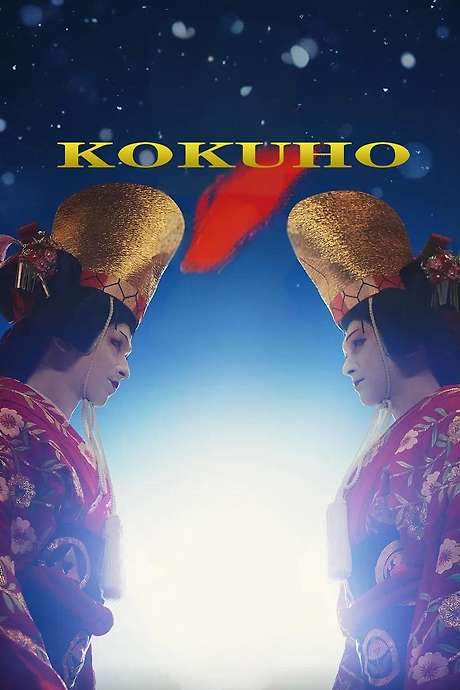
Kokuho
In Nagasaki, 1964, a young boy named Kikuo is taken in by a celebrated Kabuki actor following the death of his yakuza father. He is joined by the actor’s son, Shunsuke, and together they commit to mastering the traditional art of Kabuki. The story follows their journey over decades, from rigorous training to performing on the most prestigious stages. Their shared path is filled with both triumph and turmoil, encompassing scandal, brotherhood, and ultimately, betrayal, as one strives to become a legendary Kabuki master.
Kokuho (2025) – Spoiler-Free Movie Summary & Plot Overview
Get a spoiler-free look at Kokuho (2025) with a clear plot overview that covers the setting, main characters, and story premise—without revealing key twists or the ending. Perfect for deciding if this film is your next watch.
In the bustling streets of 1964 Nagasaki, the world of Kabuki glitters with centuries‑old ritual and fierce devotion. Within this luminous yet demanding arena, a young orphan is drawn into a lineage that seems both a sanctuary and a crucible. The film opens with the quiet intensity of a celebrated Kabuki household opening its doors to an outsider, setting the stage for a story that balances tradition’s rigid cadence with the restless pulse of post‑war Japan.
The central figure, Kikuo, arrives as a grieving boy whose family’s fate is tied to the city’s shadowy undercurrents. He is taken under the wing of the revered master Hanai Hanjiro II, whose own legacy is steeped in the art of onnagata—the female roles performed by men. Alongside him stands Shunsuke, the master’s son, whose easy charm contrasts sharply with Kikuo’s fierce determination. Together they forge a brotherly bond that becomes both a source of inspiration and a quiet rivalry, each striving to master the elaborate gestures, vocal nuances, and emotional depth that define Kabuki’s most iconic performances.
The atmosphere is suffused with the fragrant incense of backstage tea houses, the electric anticipation of packed theatres, and the weight of expectations that lineage alone can confer. As the two apprentices progress, they encounter the reverent awe inspired by living National Treasures, the subtle politics of a world that prizes bloodline above all, and the lingering whispers of a society still healing from conflict. Their journey is a delicate dance between reverence for the past and the yearning to leave a personal imprint upon the stage.
Through lavish costumes, resonant drumbeats, and a lingering sense of melancholy, the film paints a portrait of ambition tempered by humility. It invites the audience to contemplate what it means to belong, to be recognized, and to become a legend within an art form that demands everything—heart, heritage, and the courage to step into the footlights, no matter where one’s roots lie.
Last Updated: December 03, 2025 at 23:31

Explore Movie Threads
Discover curated groups of movies connected by mood, themes, and story style. Browse collections built around emotion, atmosphere, and narrative focus to easily find films that match what you feel like watching right now.
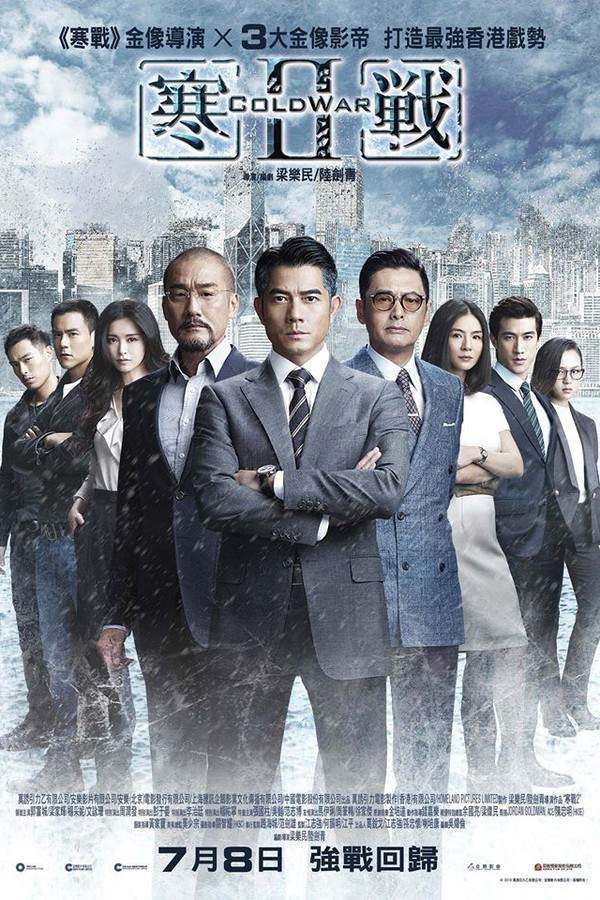
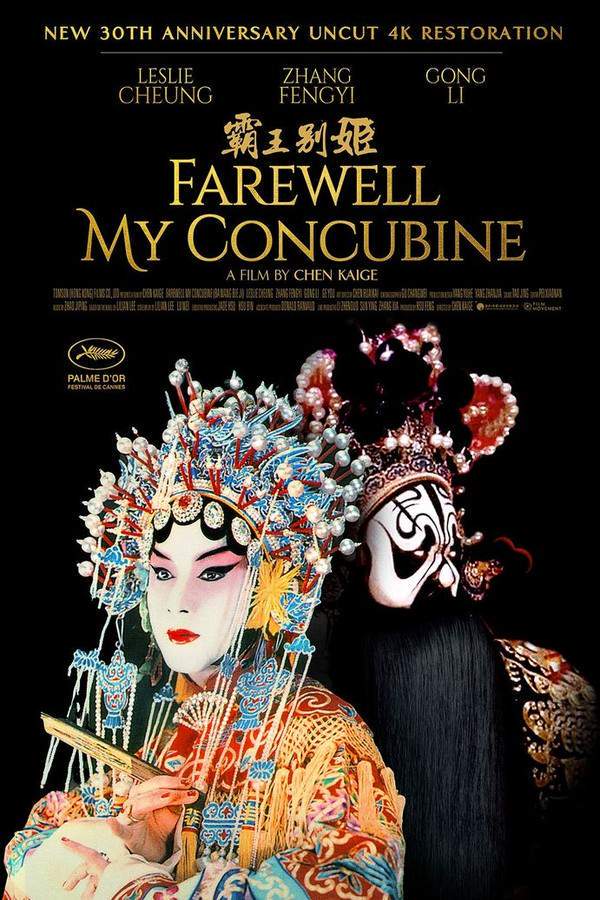
Epic artistic rivalry movies like Kokuho
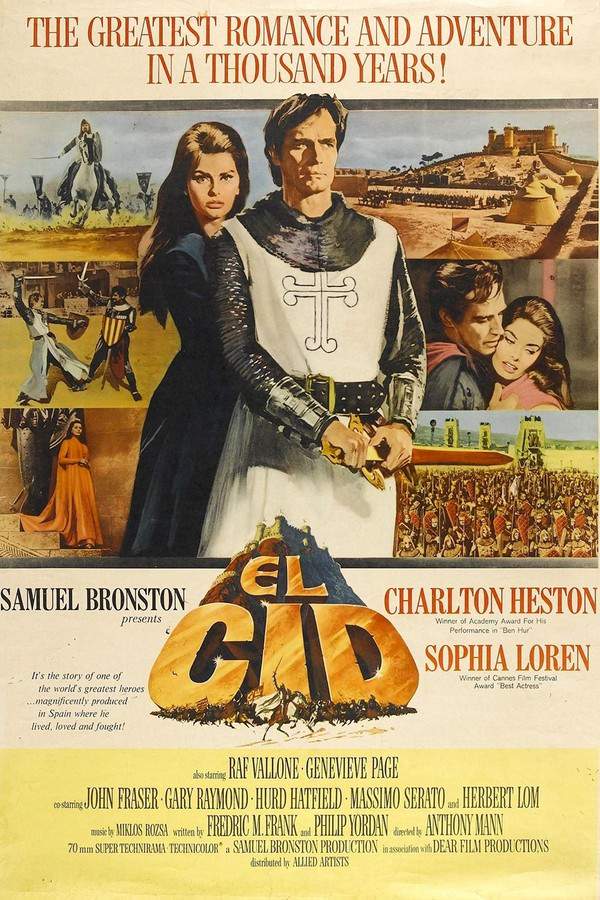
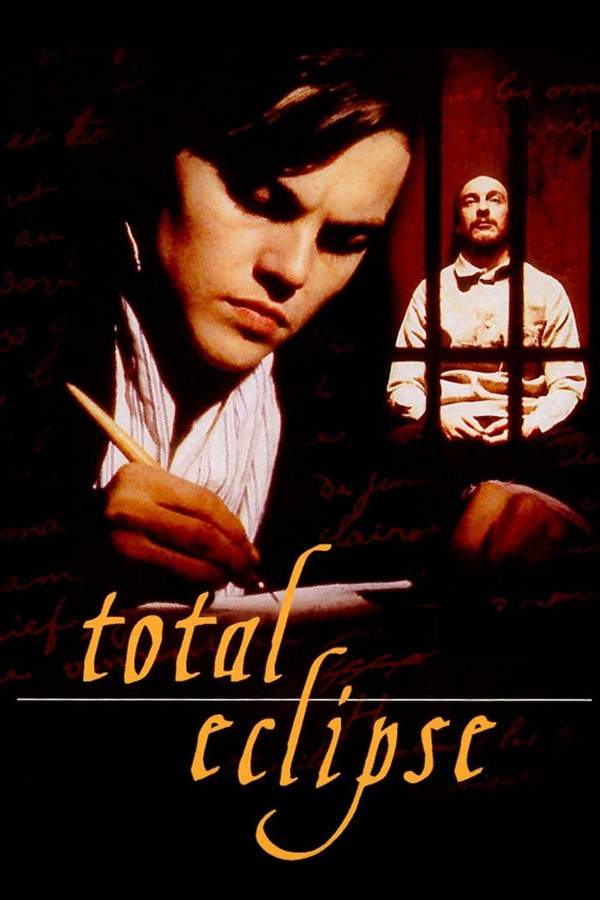
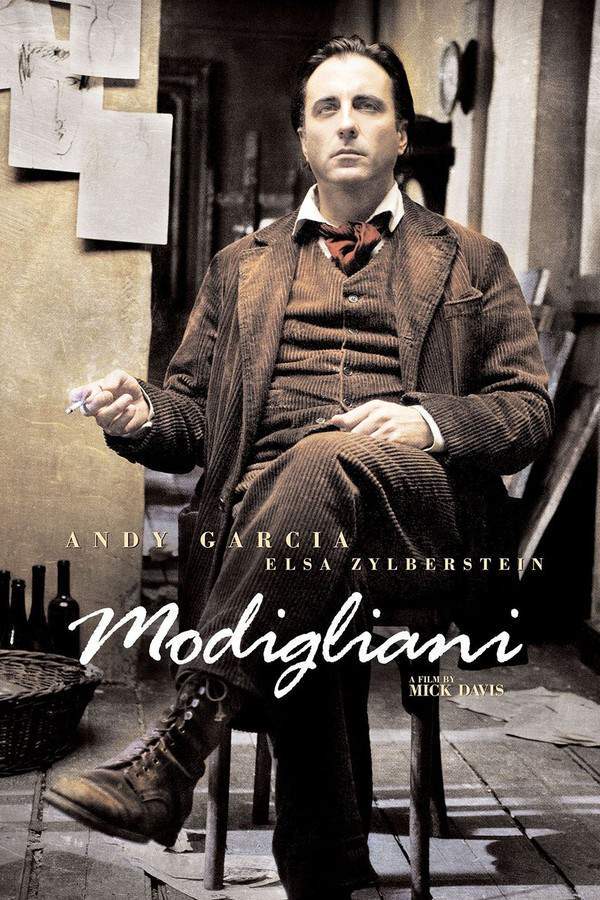
Epic stories of rivalry and sacrifice in pursuit of artistic perfection.If you liked the intense, lifelong rivalry in Kokuho, explore more movies about artistic dedication and conflict. These films feature characters driven by a passion for their craft, set against a backdrop of personal sacrifice and complex relationships that span decades.






Narrative Summary
These narratives typically unfold over a long timeline, charting the parallel journeys of two or more individuals bound by a shared artistic passion and a fierce, often destructive, rivalry. The conflict fuels their ambition but comes at a great personal cost, testing their loyalties and defining their legacies.
Why These Movies?
Movies in this thread share a focus on the consuming nature of artistic ambition, the complex dynamics of rivalry-fuelled brotherhood, and a melancholic tone resulting from the heavy personal sacrifices made for art. They feature steady pacing to build character depth and high emotional intensity.
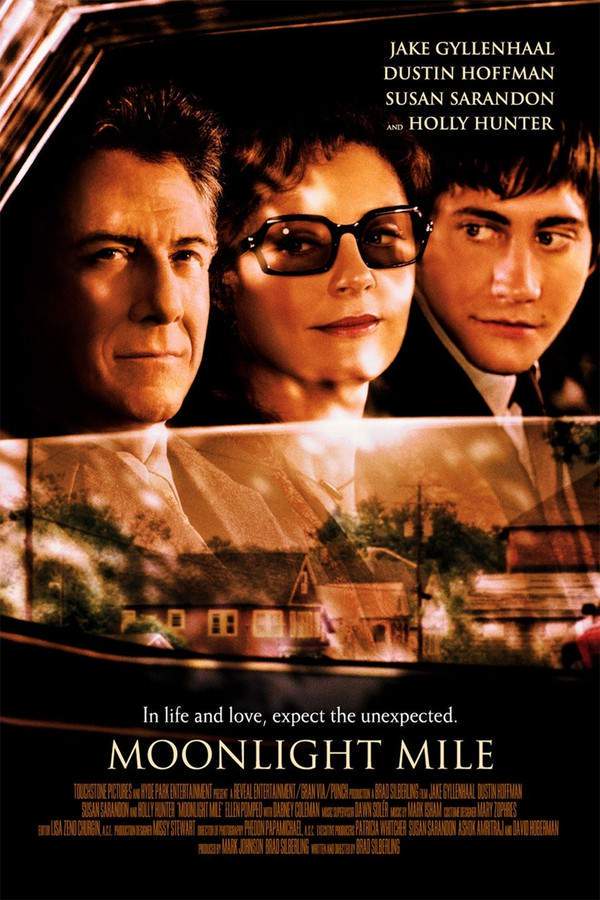
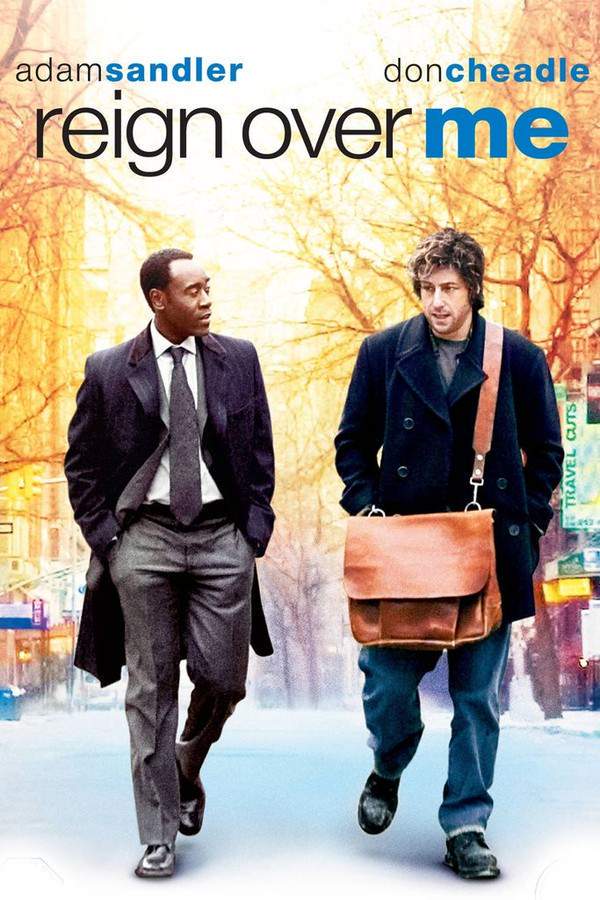
Heavy tragic dramas like Kokuho
Solemn dramas where the weight of tradition leads to personal ruin.For viewers who appreciated the heavy emotional weight and tragic arc of Kokuho, this collection features similar dramas about legacy and betrayal. These films deliver a powerful, melancholic experience with complex characters facing impossible choices within rigid worlds.

Broken Embraces
2009

Evening
2007
Moonlight Mile
2002
Reign Over Me
2007
Legends of the Fall
1995

Closing the Ring
2007

Dark Illness
1990

Song of Tibet
2000

No Greater Love
1995

The World Changes
1933

Left Luggage
1998

Wintersleepers
1997

Ten North Frederick
1958
Character
1997

So Well Remembered
1947
Narrative Summary
The narrative pattern follows a protagonist, often an outsider, navigating a rigid, traditional world. The pursuit of a legacy or acceptance within this world creates immense pressure, culminating in a pivotal act of betrayal—either by or against the protagonist—that seals a tragic, bittersweet fate.
Why These Movies?
These films are grouped by their heavy emotional weight, melancholic tone, and complex exploration of how legacy corrupts or destroys. They share a steady, deliberate pace that allows tragedy to unfold organically, resulting in a profoundly moving and bittersweet viewing experience.
Unlock the Full Story of Kokuho
Don't stop at just watching — explore Kokuho in full detail. From the complete plot summary and scene-by-scene timeline to character breakdowns, thematic analysis, and a deep dive into the ending — every page helps you truly understand what Kokuho is all about. Plus, discover what's next after the movie.
Kokuho Summary
Read a complete plot summary of Kokuho, including all key story points, character arcs, and turning points. This in-depth recap is ideal for understanding the narrative structure or reviewing what happened in the movie.

Kokuho Timeline
Track the full timeline of Kokuho with every major event arranged chronologically. Perfect for decoding non-linear storytelling, flashbacks, or parallel narratives with a clear scene-by-scene breakdown.