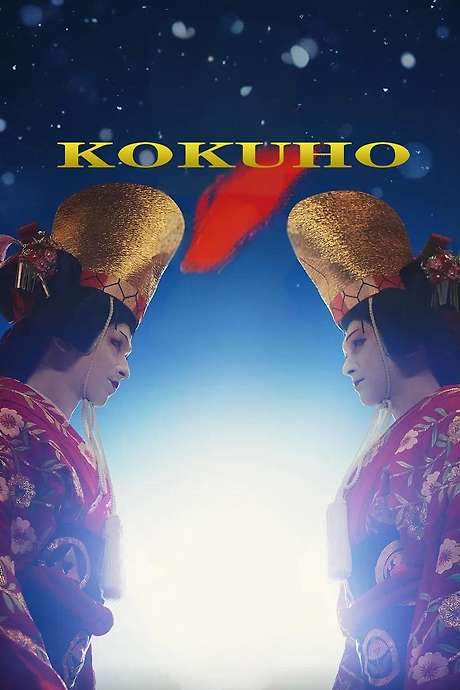
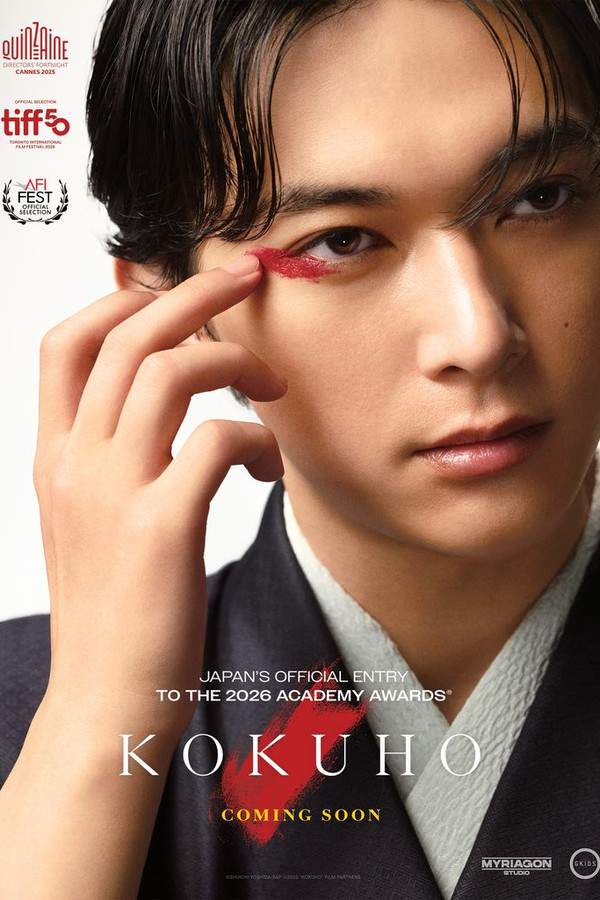
Kokuho
In Nagasaki, 1964, a young boy named Kikuo is taken in by a celebrated Kabuki actor following the death of his yakuza father. He is joined by the actor’s son, Shunsuke, and together they commit to mastering the traditional art of Kabuki. The story follows their journey over decades, from rigorous training to performing on the most prestigious stages. Their shared path is filled with both triumph and turmoil, encompassing scandal, brotherhood, and ultimately, betrayal, as one strives to become a legendary Kabuki master.
Warning: spoilers below!
Haven’t seen Kokuho yet? This summary contains major spoilers. Bookmark the page, watch the movie, and come back for the full breakdown. If you're ready, scroll on and relive the story!
Kokuho (2025) – Full Plot Summary & Ending Explained
Read the complete plot breakdown of Kokuho (2025), including all key story events, major twists, and the ending explained in detail. Discover what really happened—and what it all means.
Hanjiro Hanai II, Ken Watanabe, a renowned kabuki actor, travels to the Tachibana yakuza for a New Year gathering. During the event, Kikuo Tachibana, Ryo Yoshizawa, the son of the group’s leader, performs an excerpt of Barrier Gate with a fellow yakuza youth named Tokuji. Kikuo’s onnagata performance impresses Hanjiro, who asks to speak with him afterward. But a rival yakuza group launches an attack, and Gongōro, Kikuo’s father, dies before their eyes. Kyûsaku Shimada plays Gongōro, a brutal reminder of how fragile loyalties can be in this world.
Grief drives Kikuo toward revenge, his back marked by a tattoo of an eagle owl, a symbol of gratitude and the debt that never truly disappears. Despite Harue’s protests, he vows to avenge his family alongside Tokuji, yet their attempt ends in tragedy and failure.
A year passes, and at the age of 15, Kikuo becomes an apprentice to Hanjiro, a decision that stirs the household. Sachiko, Shinobu Terajima, worries about Kikuo’s outsider status and the hollow weight of bloodline in kabuki. The boy is given the stage name Toichiro and starts training beside Shunsuke, Hanjiro’s son and heir to the Tanba-ya house. The two form a deep, complicated bond—one forged by rivalry as much as brotherhood.
ToNog ers, Hanjiro takes them to a Mangiku performance; Mangiku, a living legend, is an onnagata of extraordinary skill and status. The encounter leaves both Kikuo and Shunsuke inspired, though Mangiku cautions that beauty can become a trap for a performer whose looks already draw notice. At a teahouse, geisha Fujikoma expresses her admiration for Kikuo and hints at a desire to be part of his world.
As talent grows, Hanjiro and Sachiko decide to pair the two young actors as an onnagata duo, the “Tohan” pair, with a debut in a Wisteria Maiden. Umeki from the Mitomo corporation notices their rise and offers opportunities to bring the duo to a wider audience, including a potential staging of Ninin Dojoji at the Osaka Shochikuza Theatre. Takeno, a Mitomo employee, is blunt about the hereditary nature of kabuki, warning that Kikuo’s ascent might end badly—and Kikuo responds with instinctive anger.
The Tohan duo’s debut is a triumph, catapulting them to stardom and turning heads at every turn. Kikuo asks Harue to marry him, but she hesitates, unsure whether the skyrocketing fame can coexist with normal life. As the duo’s popularity swells, a sudden accident interrupts Hanjiro’s career: he’s involved in a serious traffic crash, and though he survives, he’s left unable to lead in the upcoming Love Suicides at Sonezaki.
Against all expectations, Hanjiro names Kikuo as his successor instead of Shunsuke, provoking fierce disapproval from Sachiko. Kikuo fears the moment and the shadow of his lack of kabuki blood, while Shunsuke, who must rely on others to complete makeup, watches with a mix of envy and hurt. Harue offers support, and the pair of them leave the theater together as the performance ends.
Eight years pass. Hanjiro, now nearly blind from diabetes, hopes that Kikuo will inherit the title Hanai Hanjiro III, allowing the Tanba-ya line to endure while settling his master’s debts. Sachiko remains wary, but Kikuo accepts the burden. He visits Fujikoma, with whom he has fathered a daughter named Ayase, and makes a solemn shrine wish to become the best kabuki actor in Japan. Ayase, now part of his life, appears in the shadows of his ambition, a constant reminder of the cost of his path.
At the succession parade, Ayase rushes toward her father, but Kikuo’s duties hold him still as Fujikoma steps in to claim her. The ceremony devolves when Hanjiro vomits blood, and the event ends early as Mangiku watches with a grave, knowing eye. In the years that follow, Kikuo remains unable to secure leading or speaking roles despite formally inheriting the Hanjiro name and shouldering his late master’s debts, while Shunsuke, despite being out of practice, lands starring roles alongside Mangiku. Public opinion turns against Kikuo, his yakuza tattoo and illegitimate daughter becoming public knowledge, casting him as a usurper in the eyes of many.
A romance with Akiko, daughter of a powerful kabuki investor, complicates the already fragile landscape, and when Akiko’s father disapproves, the relationship fractures, driving Akiko to leave her family for Kikuo. The strain drives Kikuo away from Shunsuke and the Kabuki world, even as Shunsuke tries to reconnect and re-enter the scene with his longtime rival.
Four years pass, and Kikuo’s life devolves into banquets and small performances where he is mocked and beaten when his true identity is revealed. He drinks and frets on a rooftop, his spirit fractured as Akiko departs. Mangiku, now retired and aged to 93, invites him for one last chance to return to the stage. After a private performance that rekindles his fire, Kikuo teams with Shunsuke once more as the Han-han duo and mentors Shunsuke’s son, though the boy’s own interests lean toward basketball.
A crisis during Ninin Dojoji forces Shunsuke to fall back and leave Kikuo to carry the show; Shunsuke’s diabetes has worsened, leading to the amputation of his left foot and, later, treatment for the right. Undaunted, they persevere, delivering a performance that is hailed as a triumph in the face of physical pain and fading strength, and Shunsuke’s struggle becomes a quiet, dignified memory in the audience.
Sixteen years after the early triumphs, Shunsuke is posthumously awarded the title Hanai Byakko V, and Kikuo is recognized as a kokuho, preparing to perform Heron Maiden in his honor. In a reflective interview, he is asked what he still seeks, and he admits that he longs for a certain kind of scenery—the same answer he gave after Ninin Dojoji years before. Ayase, revealed as the photographer behind the camera, confesses that she has never seen him as a father figure because of his past, yet she remains drawn to his artistry and the electricity of his stage presence.
Kikuo steps onto the stage for Heron Maiden before a full house, the lights blazing over the audience. As the curtain settles, he looks up at the glittering rigging and envisions the snow falling, a single tear tracing a path down his cheek as he absorbs the beauty of the moment and the culmination of a life devoted to the art he loves.
Last Updated: December 06, 2025 at 16:32

Explore Movie Threads
Discover curated groups of movies connected by mood, themes, and story style. Browse collections built around emotion, atmosphere, and narrative focus to easily find films that match what you feel like watching right now.
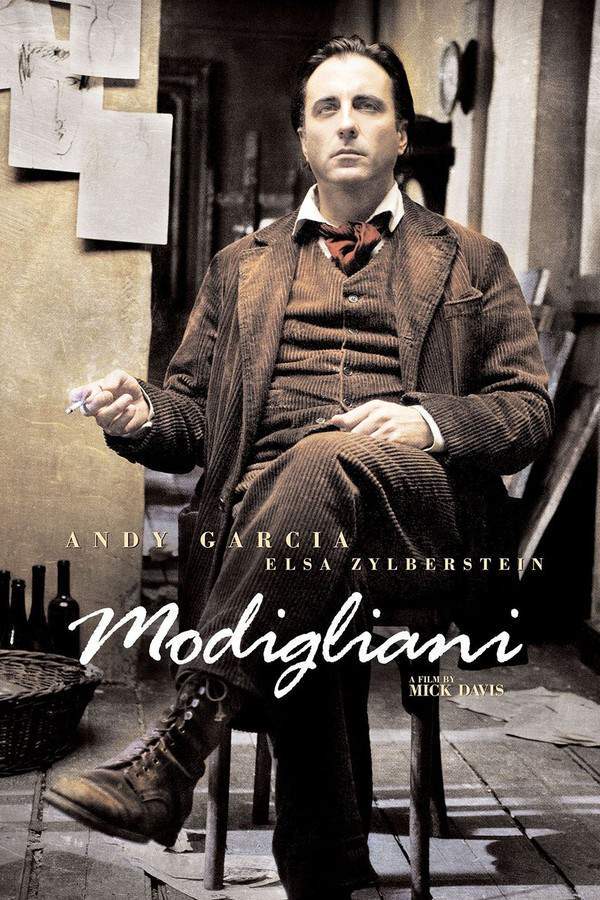
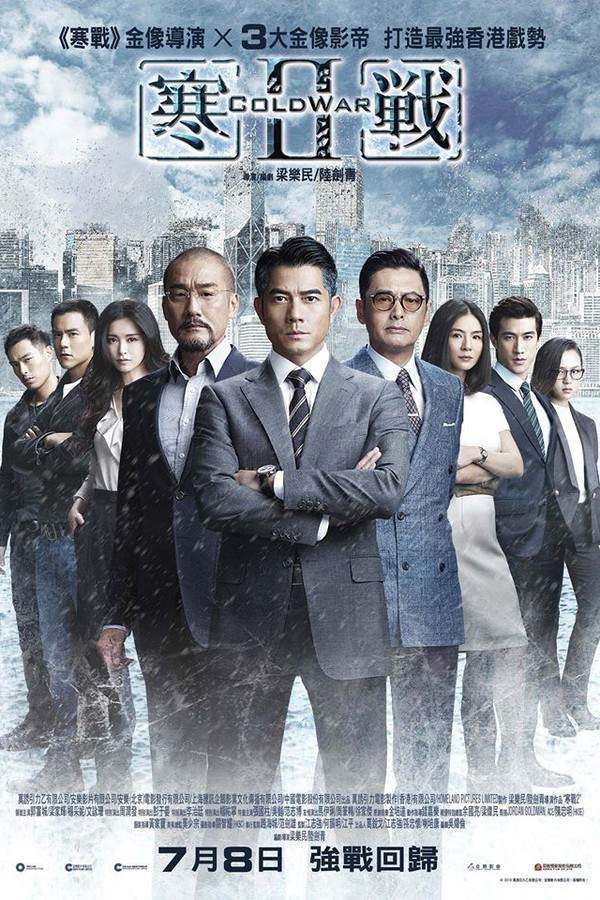
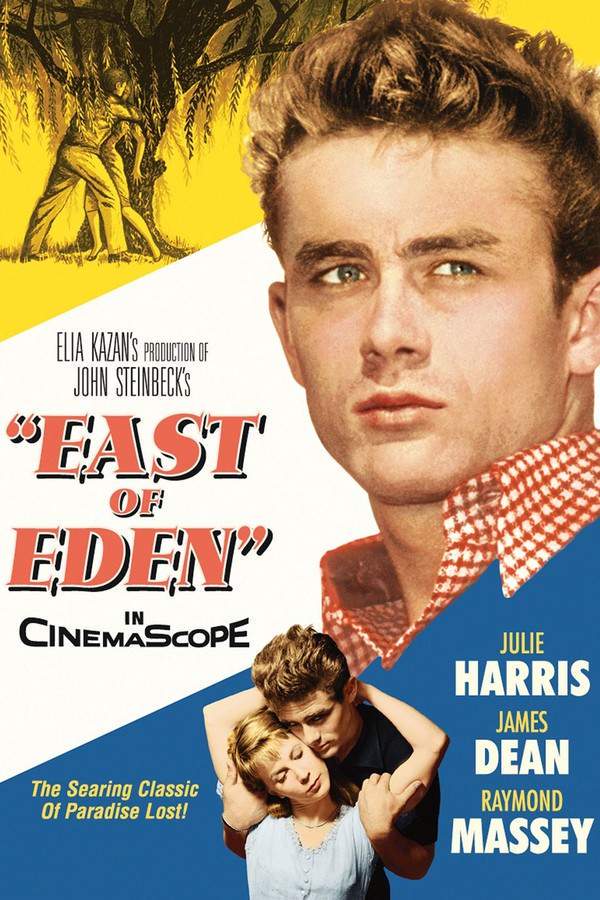
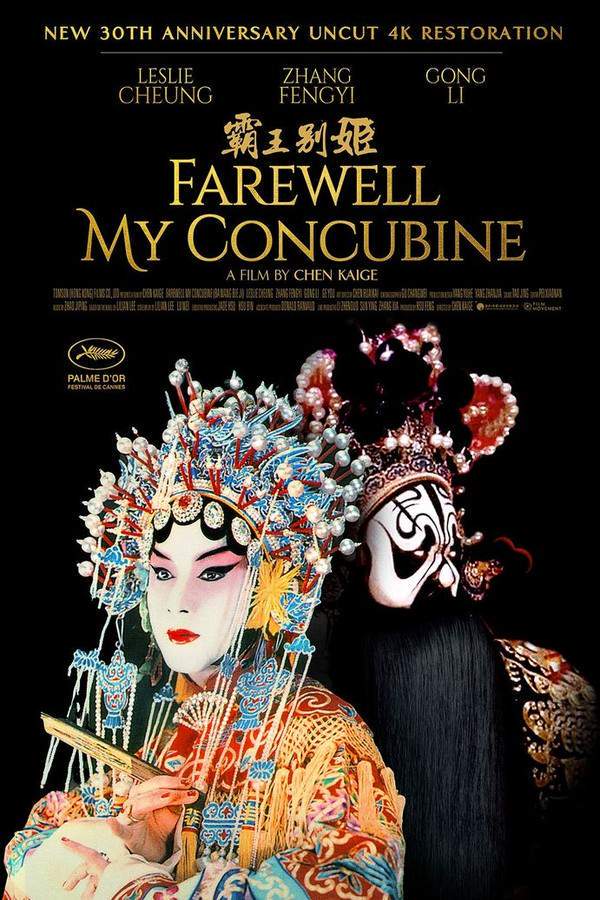
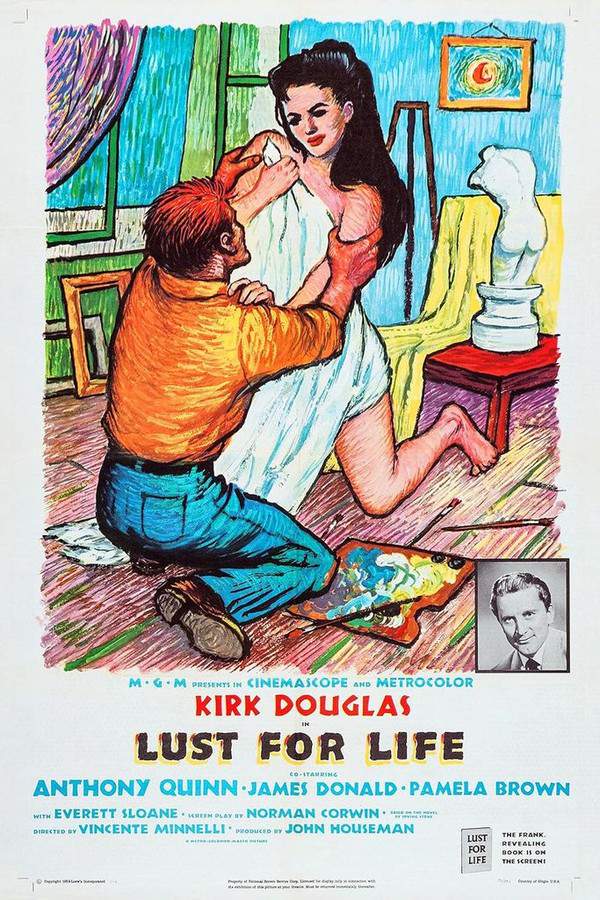
Epic artistic rivalry movies like Kokuho
Epic stories of rivalry and sacrifice in pursuit of artistic perfection.If you liked the intense, lifelong rivalry in Kokuho, explore more movies about artistic dedication and conflict. These films feature characters driven by a passion for their craft, set against a backdrop of personal sacrifice and complex relationships that span decades.


Narrative Summary
These narratives typically unfold over a long timeline, charting the parallel journeys of two or more individuals bound by a shared artistic passion and a fierce, often destructive, rivalry. The conflict fuels their ambition but comes at a great personal cost, testing their loyalties and defining their legacies.
Why These Movies?
Movies in this thread share a focus on the consuming nature of artistic ambition, the complex dynamics of rivalry-fuelled brotherhood, and a melancholic tone resulting from the heavy personal sacrifices made for art. They feature steady pacing to build character depth and high emotional intensity.
Heavy tragic dramas like Kokuho
Solemn dramas where the weight of tradition leads to personal ruin.For viewers who appreciated the heavy emotional weight and tragic arc of Kokuho, this collection features similar dramas about legacy and betrayal. These films deliver a powerful, melancholic experience with complex characters facing impossible choices within rigid worlds.

Broken Embraces
2009
Evening
2007
Moonlight Mile
2002
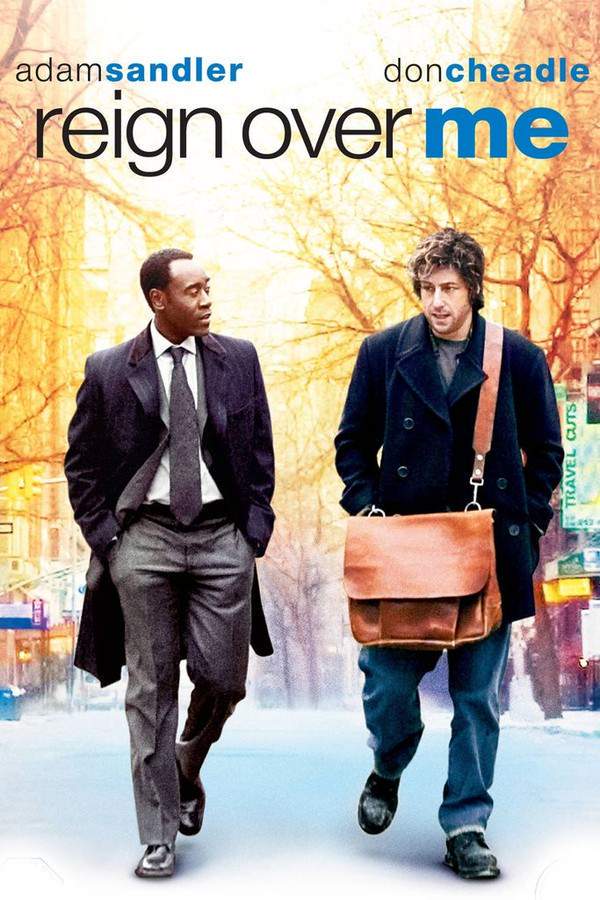
Reign Over Me
2007
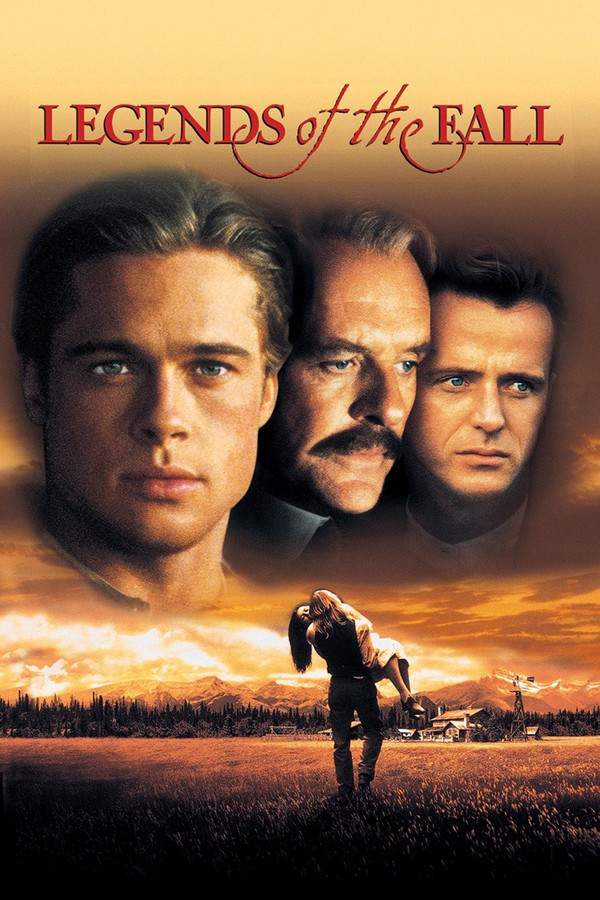
Legends of the Fall
1995

Closing the Ring
2007

Dark Illness
1990

Song of Tibet
2000

No Greater Love
1995

The World Changes
1933

Left Luggage
1998

Wintersleepers
1997

Ten North Frederick
1958
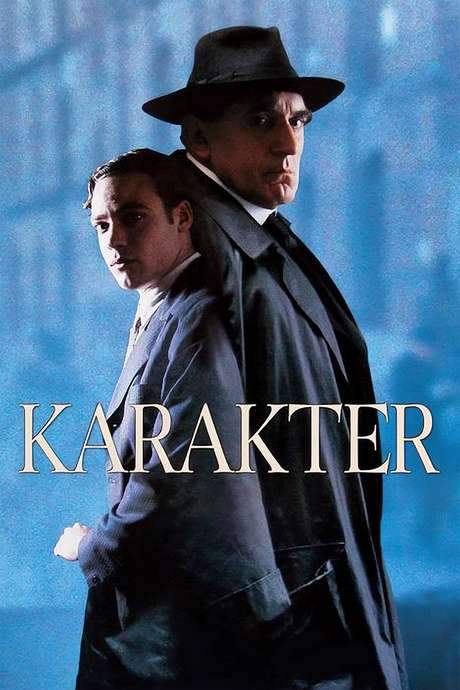
Character
1997

So Well Remembered
1947
Narrative Summary
The narrative pattern follows a protagonist, often an outsider, navigating a rigid, traditional world. The pursuit of a legacy or acceptance within this world creates immense pressure, culminating in a pivotal act of betrayal—either by or against the protagonist—that seals a tragic, bittersweet fate.
Why These Movies?
These films are grouped by their heavy emotional weight, melancholic tone, and complex exploration of how legacy corrupts or destroys. They share a steady, deliberate pace that allows tragedy to unfold organically, resulting in a profoundly moving and bittersweet viewing experience.
Unlock the Full Story of Kokuho
Don't stop at just watching — explore Kokuho in full detail. From the complete plot summary and scene-by-scene timeline to character breakdowns, thematic analysis, and a deep dive into the ending — every page helps you truly understand what Kokuho is all about. Plus, discover what's next after the movie.
Kokuho Timeline
Track the full timeline of Kokuho with every major event arranged chronologically. Perfect for decoding non-linear storytelling, flashbacks, or parallel narratives with a clear scene-by-scene breakdown.

Characters, Settings & Themes in Kokuho
Discover the characters, locations, and core themes that shape Kokuho. Get insights into symbolic elements, setting significance, and deeper narrative meaning — ideal for thematic analysis and movie breakdowns.