Plot Explained Spoilers guaranteed!
Plot Explained

Browse by genre

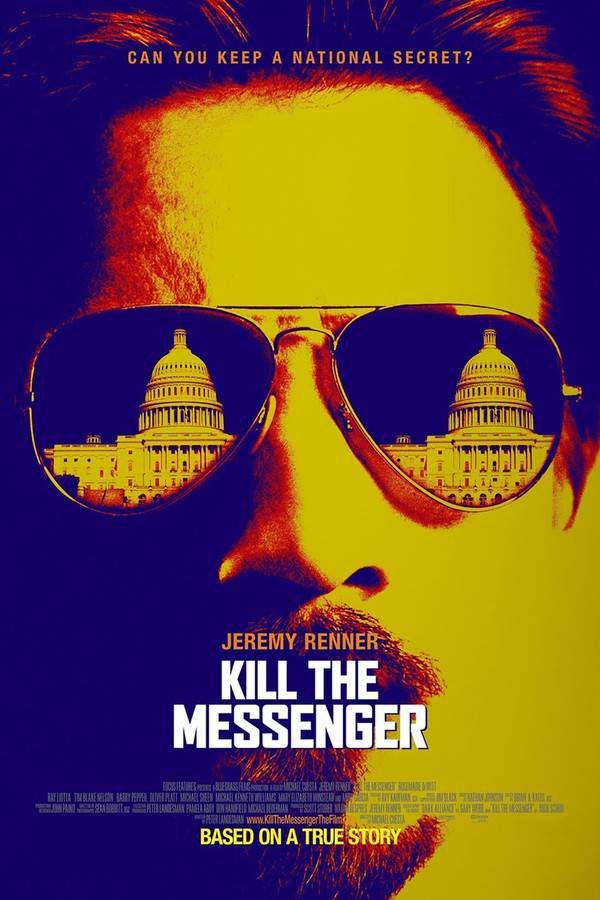
Kill the Messenger (2014) movie poster

Characters & Themes

Kill the Messenger (2014) Characters, Setting & Themes Explained

Release, runtime and language
2014 · 112 min · English
Loading streaming availability…
Directed by
Michael Cuesta

Investigative journalist Gary Webb’s relentless pursuit of a story leads him to uncover a disturbing connection between CIA-backed drug cartels and the crack epidemic’s impact on American communities. Facing intimidation and warnings as he digs deeper, Webb confronts a complex network of deceit and powerful forces determined to silence him. His determination to expose the truth places him in grave danger, forcing him to navigate a treacherous path fraught with risk.

On this page (8)
  1. 1 Where to watch
  2. 2 Characters explained (8)
  3. 3 Where & when it takes place
  4. 4 Themes & meaning (3)
  5. 5 Character & meaning questions
  6. 6 Movie threads
  7. 7 Movies like Kill the Messenger
  8. 8 Every angle
Loading streaming availability…

8 main characters · contains spoilers

Kill the Messenger Characters Explained: Who Is Who

The main characters of Kill the Messenger (2014), heroes and villains: what drives them, how they change over the course of the story and what each of them reveals about the film's bigger ideas.

  • Gary Webb

    A relentless investigative journalist who pursues a controversial story about government complicity in drug trafficking. He chases documents, sworn testimonies, and sources across cities, risking professional jeopardy and personal strain. His stubborn pursuit of truth drives the narrative, even as danger looms.

    • 📰 Journalistic Integrity
    • 🚨 Danger
    • 🧭 Truth-Seeking
  • Coral

    A key source who hands Webb transcripts and documents that challenge official narratives. She becomes a focal point of risk as the line between whistleblower and target blurs. Her cooperation catalyzes the investigation and highlights the personal stakes for those who expose secrets.

    • 🗃️ Evidence
    • 🛡️ Whistleblower
    • 🔎 Investigation
  • Ronny Quail

    A drug dealer outraged by civil asset forfeiture and a symbol of how legal maneuvers intersect with illicit networks. His perspective exposes flaws in enforcement and the incentives behind the drug economy. He acts as a catalyst that pushes the investigation toward higher-level implications.

    • 💊 Drug Trade
    • ⚖️ Injustice
    • 🗝️ Leverage
  • Oscar Danilo Blandón

    A major trafficker whose testimony links covert operations to the drug trade. He shows how informants and political actors may be entwined, offering crucial details about government involvement. His role deepens the conspiracy narrative and broadens Webb's inquiry.

    • 🚬 Cocaine Trade
    • 🧭 Informant
    • 🧪 Covert Ops
  • Norwin Meneses

    Blandón's partner who corroborates key elements of the story. He provides a practical, ground-level view of how drug networks intersect with informant networks. His testimony helps anchor the broader claims of government complicity.

    • 🤝 Partner
    • 🧭 Informant
    • 🧱 Collaboration
  • Fred Weil

    A National Security Council investigator who cautions Webb and embodies the government's cautious posture. He represents the risk journalists face when challenging official narratives. His interactions reveal the tension between pursuing truth and preserving sources.

    • 🏛️ Government
    • ⚠️ Caution
    • 🗣️ Disclosure
  • John Cullen

    A CIA source who offers direct knowledge of the alleged scheme. His presence marks a potential breakthrough, tempered by the danger of exposure. He embodies the precarious balance between insider access and personal risk.

    • 🕵️ CIA
    • 🗺️ Insider Access
    • 🔒 Secrecy
  • Rick Ross

    A prominent cocaine trafficker whose case intersects with Blandón’s network, illustrating the wider flow of drugs into the U.S. His story expands the investigation beyond a single informant to systemic operations. He serves as a counterpoint to official narratives about the drug trade.

    • 💉 Drug Trafficking
    • 🧩 Systemic
    • 🗺️ International

Last updated: October 03, 2025 at 19:48

Was this helpful?

Setting

Where and When Does Kill the Messenger Take Place?

The setting of Kill the Messenger (2014): the year and time period, the places and locations, and how they shape the characters, the mood and the tension of the story.

Time period

1990s

Primarily set in the mid-1990s, the film follows Gary Webb's 1996 exposé into alleged CIA-linked cocaine trafficking to fund the Contras. It situates investigative journalism within a climate of political scandal and media pushback, characteristic of the era. An epilogue extends the timeline to 2004, framing the long aftermath of the revelations.

Location

San Jose, Cupertino, Managua, Washington D.C.

The film shifts between the newsroom in San Jose and the quiet Bay Area bureau in Cupertino, as well as Managua’s prisons where corrupt networks are exposed. Washington, D.C. serves as the nerve center of government and enforcement agencies, while the story's geography underscores the global reach of the alleged covert operations. The settings highlight the tension between local reporting and the corridors of power.

  • 🗺️ Places
  • 📰 Journalism Hubs
  • 🏛️ Political Power

Last updated: October 03, 2025 at 19:48

Was this helpful?

3 major themes

Kill the Messenger Meaning: Themes & Message Explained

What is Kill the Messenger (2014) really about? The emotional, social and philosophical themes the film keeps returning to, its symbolism and the message beneath the surface.

  • Investigative Journalism

    The story centers on the relentless pursuit of truth as Webb chases documents, sworn testimonies, and sources across cities. It highlights the dangers and pressures journalists face when confronting powerful institutions. The film portrays how in-depth investigation can reshape public understanding and provoke institutional scrutiny.

  • Media and Power

    The narrative contrasts Webb's findings with the media establishment's reactions and the government's pushback. It explores how major outlets can be slow to challenge powerful interests, while a regional paper risks greater courage and impact. It asks whether truth-telling justifies professional risk and personal cost.

  • Conspiracy and War on Drugs

    The plot centers on allegations of drug trafficking linked to government actions and funding contras. It examines how illicit profits intersect with politics, raising questions about accountability and the ethics of covert operations. The theme shows the ripple effects of clandestine schemes on everyday communities.

Last updated: October 03, 2025 at 19:48

Was this helpful?

Character & theme questions

Kill the Messenger Characters & Meaning: Your Questions Answered

The questions people ask about Kill the Messenger (2014): who the characters really are, their relationships, what the symbols mean, where it takes place and what the movie is really about. Each answer contains spoilers.

Q1

Where does most of the journalism work take place?

The film centers on Gary Webb's work at newspapers in the Bay Area, specifically showing the newsroom in San Jose and the quieter bureau in Cupertino. These settings represent the underdog regional press taking on powerful national institutions, with the contrast between the two locations highlighting the scale of Webb's investigation.

  • san jose
  • cupertino
  • journalism
  • bay area
  • newspaper office
Q2

What role does Washington D.C. play in the story?

Washington D.C. serves as the nerve center of government and enforcement agencies, representing the corridors of power that Webb is challenging. The city symbolizes the institutional forces arrayed against his investigation and underscores the national scope of the alleged conspiracy.

  • washington dc
  • government
  • cia
  • power
  • capital
Q3

Why does the story include scenes in Managua?

Managua's prisons appear in the film where corrupt networks are exposed, showing how Webb's investigation uncovers international connections. The location illustrates the global reach of the alleged covert operations linking CIA-backed drug cartels to the Contras.

  • managua
  • nicaragua
  • contras
  • international
  • cocaine trafficking
Q4

When is the movie set?

The film is primarily set in the mid-1990s, specifically around Gary Webb's 1996 exposé into alleged CIA-linked cocaine trafficking. An epilogue extends the timeline to 2004, showing the long aftermath of his revelations. The 1990s setting places investigative journalism within a climate of political scandal and media pushback.

  • 1990s
  • 1996
  • 1990s era
  • time period
  • mid 1990s
Q5

What does the film say about investigative journalism?

The story centers on the relentless pursuit of truth as Gary Webb chases documents, sworn testimonies, and sources across multiple cities. It highlights the dangers and pressures journalists face when confronting powerful institutions, showing how in-depth investigation can reshape public understanding and provoke institutional scrutiny.

  • investigative journalism
  • truth
  • reporter
  • investigation
  • documents
Q6

How does the film portray the relationship between media and power?

The narrative contrasts Webb's findings with the media establishment's reactions and the government's pushback. It explores how major outlets can be slow to challenge powerful interests, while a regional paper risks greater courage and impact, asking whether truth-telling justifies professional risk and personal cost.

  • media
  • newspapers
  • power
  • institutions
  • establishment
Q7

What does the film explore about the War on Drugs?

The plot centers on allegations of drug trafficking linked to government actions and funding the Contras. It examines how illicit profits intersect with politics, raising questions about accountability and the ethics of covert operations, while showing the ripple effects of clandestine schemes on everyday communities.

  • war on drugs
  • conspiracy
  • cocaine
  • cia
  • drug trafficking
Q8

Who is Gary Webb in the story?

Gary Webb is the protagonist, a relentless investigative journalist who pursues a controversial story about government complicity in drug trafficking. His stubborn pursuit of truth drives the narrative, even as danger looms, representing the personal cost of challenging powerful institutions.

  • gary webb
  • journalist
  • reporter
  • protagonist
  • investigator
Q9

What is Coral's role in the investigation?

Coral is a key source who provides Webb with transcripts and documents that challenge official narratives. She becomes a focal point of risk as the line between whistleblower and target blurs, and her cooperation catalyzes the investigation while highlighting the personal stakes for those who expose secrets.

  • coral
  • whistleblower
  • source
  • documents
  • transcripts
Q10

Who are Oscar Danilo Blandón and Norwin Meneses?

Oscar Danilo Blandón and Norwin Meneses are major drug traffickers whose testimony links covert operations to the drug trade. Their cooperation provides crucial details about government involvement, showing how informants and political actors may be entwined, which helps anchor the broader claims of conspiracy.

  • blandon
  • meneses
  • trafficker
  • drug dealer
  • informant
Q11

Who are Fred Weil and John Cullen?

Fred Weil is a National Security Council investigator who cautions Webb and embodies the government's cautious posture, representing the risk journalists face. John Cullen is a CIA source who offers direct knowledge of the alleged scheme, embodying the precarious balance between insider access and personal risk.

  • fred weil
  • john cullen
  • cia
  • nsc
  • government source
Q12

What is the overall tone and emotional weight of the film?

The film carries a tense, consistently stressful atmosphere due to constant threats and warnings. It deals with themes of institutional betrayal and the personal destruction of a truth-teller. The emotional weight is heavy, culminating in a tragically pessimistic conclusion that underscores the high cost of journalistic integrity.

  • tone
  • emotion
  • betrayal
  • tragedy
  • ending

Movie threads

More Movies Like Kill the Messenger, by Mood & Story

Curated lists built around what makes Kill the Messenger tick: the same mood, the same kind of story or the same emotional payoff. Each list explains why these movies belong together.

Movies about journalistic integrity like Kill the Messenger

One determined reporter battles powerful institutions to expose the truth. If you liked Kill the Messenger, explore other movies about investigative journalists and truth-seekers facing immense pressure. These films capture the tense, high-stakes world of reporting, where exposing corruption comes with grave personal risks and a heavy emotional toll.

  • urgent
  • tense
  • frustrating
  • somber
  • paranoid
  • determined
  • Tone: tense, urgent, somber
  • Pacing: steady, methodical
Why these movies?

The story pattern: Stories in this thread typically follow a linear investigative arc, where a protagonist uncovers a conspiracy or systemic corruption. The central conflict pits an individual's integrity against the overwhelming power of the institutions they challenge, often leading to a crisis of conscience and profound personal consequences.

Why they belong together: Movies are grouped here because they share a core narrative of investigative pursuit, a tense and urgent tone driven by high stakes, and a thematic focus on truth, power, and the ethical burdens of exposing wrongdoing. They create a similar feel of mounting pressure and moral weight.
Paranoid conspiracy thriller movies like Kill the Messenger

Stories where uncovering a hidden truth reveals a deeply disturbing reality. Find more movies like Kill the Messenger that delve into tense political conspiracies and cover-ups. These thrillers share a steady pacing, high intensity, and a bleak atmosphere, perfect for viewers who enjoy stories about individuals confronting sinister, hidden networks of power.

  • paranoid
  • tense
  • anxious
  • suspenseful
  • disturbing
  • unsettling
  • Tone: tense, paranoid, bleak
  • Pacing: steady, suspenseful
Why these movies?

The story pattern: The narrative pattern involves a protagonist stumbling upon a clue that leads them down a rabbit hole of lies and cover-ups. As they dig deeper, they become increasingly isolated and targeted, leading to a climax that often confirms their worst fears about systemic corruption, typically resulting in a pessimistic or bleak resolution.

Why they belong together: These films are grouped by their shared mood of paranoia and tension, their focus on unraveling a complex web of deceit, and their consistently high-stakes, intense atmosphere. They deliver a similar experience of suspense and mounting frustration as the protagonist fights against an unseen enemy.

If you liked this

Movies Like Kill the Messenger

Similar movies to Kill the Messenger: the same genre, themes or kind of story. Each one comes with its own plot summary, timeline and ending explained.

Browse all movie summaries

Every angle

Kill the Messenger (2014) Explained: Plot, Timeline & Characters

Everything about Kill the Messenger in one place: what happens in the plot summary, the timeline in chronological order, the characters and meaning and a spoiler-free summary. What's After the Movie adds the cast, box office and post-credit scenes.

Coming soon on iOS and Android

The Plot Explained Movie Summary App

Plot summaries, endings explained and timelines on your phone. Catch up on any movie in minutes, save your favorites and never miss a twist again.

Be the first to know when we launch. Your email stays private, always.

Learn more about the app