Plot Explained Spoilers guaranteed!
Plot Explained

Browse by genre

Key to the City (1950) movie poster

Characters & Themes

Key to the City (1950) Characters, Setting & Themes Explained

Release, runtime and language
1950 · 101 mins · English
Directed by
George Sidney
Starring
Jack Elam, Clark Gable, Raymond Burr, Lewis Stone, James Gleason, Loretta Young

At a mayoral convention in San Francisco, ex‑longshoreman Steve Fisk, mayor of Puget City, meets Clarissa Standish, mayor of Winona, Maine. Fisk flaunts his rugged, blue‑collar past while Standish touts her education and dedication to voters. Their opposite natures spark a romance, and the antics land them in trouble at home. by Ron Kerrigan.

On this page (8)
  1. 1 Characters explained (7)
  2. 2 Where & when it takes place
  3. 3 Themes & meaning (4)
  4. 4 Character & meaning questions
  5. 5 Movie threads
  6. 6 Movies like Key to the City
  7. 7 Categories
  8. 8 Every angle

7 main characters · contains spoilers

Key to the City Characters Explained: Who Is Who

The main characters of Key to the City (1950), heroes and villains: what drives them, how they change over the course of the story and what each of them reveals about the film's bigger ideas.

  • Steve Fisk (Clark Gable)

    Steve Fisk is the mayor of Puget City and a former longshoreman. He falls for Clarissa despite social differences and must balance romance with political risk, especially from Les Taggart. He negotiates between personal desire and public duty, aiming to win Clarissa's heart and keep his city from scandal.

    • 💼 Mayor
    • 🛳️ Working-class roots
    • 🗳️ Politician
  • Clarissa Standish (Loretta Young)

    Clarissa Standish is the refined mayor of Wenonah, Maine, who is mistaken for a balloon dancer and drawn to Steve. Her composure is tested by public scrutiny and the romantic situation that unfolds at the convention. She navigates the line between elegance and political exposure, seeking a genuine connection.

    • 💖 Romance
    • 🏛️ Politician
    • 💎 Social class
  • Les Taggart (Raymond Burr)

    Les Taggart is a crooked councilman who would exploit a scandal to undermine Steve Fisk. He embodies opportunism and political pressure, manipulating votes and public perception for personal gain. His schemes threaten both Steve's career and Clarissa's reputation, heightening the comedy and danger.

    • 🕴️ Politician
    • ⚖️ Corruption
    • 🗳️ Power
  • Silas Standish (Lewis Stone)

    Judge Silas Standish is Clarissa's uncle, supportive of her shedding prim exterior and embracing her true self. He represents tradition and authority, but also moral judgment in a world of political maneuvering. His presence anchors the family side of the plot amid public suspense.

    • ⚖️ Judge
    • 👪 Family ties
  • Shelia the 'Atom' Dancer (Marilyn Maxwell)

    Shelia is a glamorous performer who appears at the convention, contributing to the film's light, theatrical mood. Her presence sparks romantic and social misunderstandings that ripple through the story. She embodies the era's fascination with spectacle and celebrity.

    • 🎶 Entertainment
    • 💃 Performer
    • 📺 Media
  • Emmy (Marion Martin)

    Emmy is part of the social orbit around Clarissa and the Mayor's circle, adding to the party atmosphere and gossip that drive the plot. Her interactions touch on status, influence, and the fragile line between public life and private concerns.

    • 🎭 Gossip
    • 💍 Socialite
  • Mayor Billy Butler (Raymond Walburn)

    Mayor Billy Butler is a political figure in the backdrop of the convention, representing the broader role of city leadership. His presence hints at municipal power structures and the environment in which Steve Fisk operates.

    • 🏛️ Mayor
    • 🗳️ Politics

Last updated: February 19, 2026 at 09:42

Was this helpful?

Setting

Where and When Does Key to the City Take Place?

The setting of Key to the City (1950): the year and time period, the places and locations, and how they shape the characters, the mood and the tension of the story.

Time period

1950s

The story unfolds in a mid-20th-century American city where political conventions and media coverage shape public life. The era is defined by visible political maneuvering, cross-country rivalries, and a social code that prizes propriety. The plot's jokes and misunderstandings mirror the era's appetite for light, glossy entertainment. The time period provides a backdrop that makes personal romance a matter of public concern.

Location

San Francisco, Puget City, Wenonah, Maine

San Francisco hosts a high-profile convention where Steve Fisk, the mayor of Puget City, meets Clarissa Standish, the mayor of Wenonah, Maine. The film uses Chinatown streets and public venues as a backdrop for romance intertwined with political scheming. A public arrest and a revealing photograph drive the plot, blurring personal and political lines. The setting highlights how appearances and ambition shape relationships and power in mid-century America.

  • 🏙️ Urban backdrop
  • 🎭 Romantic comedy
  • ⚖️ Political intrigue

Last updated: February 19, 2026 at 09:42

Was this helpful?

4 major themes

Key to the City Meaning: Themes & Message Explained

What is Key to the City (1950) really about? The emotional, social and philosophical themes the film keeps returning to, its symbolism and the message beneath the surface.

  • Romance

    A cross-class romance develops between Steve Fisk, a former longshoreman, and Clarissa Standish, a refined mayor. Their attraction is tested by social expectations and the political stakes of Steve's position. The film uses humor to celebrate romance while highlighting the tension between appearances and sincerity. The mistaken public situations and differing backgrounds complicate their relationship, driving the story.

  • Politics

    Les Taggart, a crooked councilman, embodies political opportunism that seeks to exploit a scandal for personal gain. The plot centers on council votes, power plays, and the risk of damage to Steve's reputation. The 'key to the city' motif becomes a bargaining chip in a contest between integrity and ambition. The film satirizes local politics with rapid-fire schemes and counter-schemes.

  • Public Image

    Public perception is shaped by photographs and media coverage that turn private missteps into headlines. A single image of Clarissa triggers a cascade of reputational risk, showing how media can manipulate perception. Steve must navigate the crisis of publicity to protect his relationship and political standing. The theme underscores the power of optics in politics and romance.

  • Mistaken Identity

    The plot revolves around misunderstandings: Clarissa is mistaken for a balloon dancer, and Steve hurries home for a hastily called vote, triggering comic confusion. The humor arises from disguises, misread signals, and the clash between public duties and private desires. These cases of mistaken identity drive the narrative toward a resolution built on trust rather than appearances.

Last updated: February 19, 2026 at 09:42

Was this helpful?

Character & theme questions

Key to the City Characters & Meaning: Your Questions Answered

The questions people ask about Key to the City (1950): who the characters really are, their relationships, what the symbols mean, where it takes place and what the movie is really about. Each answer contains spoilers.

Q1

Where does Key to the City take place?

The movie is set primarily in San Francisco, where a mayoral convention brings together mayors from different cities. Steve Fisk hails from Puget City, while Clarissa Standish comes from Wenonah, Maine. The convention venues, including Chinatown streets and public locations, serve as the backdrop for their romance and political scheming.

Foreshadowing: The opening convention immediately establishes San Francisco as the central meeting point for these two contrasting mayors.

  • san francisco
  • puget city
  • wenonah
  • maine
  • convention
  • setting
Q2

What time period is Key to the City set in?

The film is set in the 1950s, during the mid-20th century when political conventions and media coverage heavily shaped public life. This era is characterized by visible political maneuvering, cross-country rivalries, and a social code that prizes propriety, making personal romance a matter of public concern.

  • 1950s
  • mid-century
  • time period
  • era
Q3

What are the main themes in Key to the City?

The film explores several interconnected themes: Romance between a blue-collar mayor and a refined mayor, highlighting class differences; Politics involving a crooked councilman who exploits scandal for personal gain; Public Image showing how media and photographs shape perception; and Mistaken Identity through comic misunderstandings that drive the plot.

  • romance
  • politics
  • public image
  • mistaken identity
  • themes
Q4

Who is Steve Fisk in the movie?

Steve Fisk, played by Clark Gable, is the mayor of Puget City and a former longshoreman. He represents a rugged, blue-collar background and falls for Clarissa Standish despite their social differences. Throughout the film, he must balance romance with political risk, particularly from the crooked councilman Les Taggart, while navigating between personal desire and public duty.

Foreshadowing: Steve's blue-collar identity is established from the start, contrasting with Clarissa's refined nature.

  • steve fisk
  • clark gable
  • mayor
  • puget city
  • longshoreman
Q5

Who is Clarissa Standish in Key to the City?

Clarissa Standish, played by Loretta Young, is the refined mayor of Wenonah, Maine. She is mistaken for a balloon dancer at the convention, which triggers a series of misunderstandings. Her composure is tested by public scrutiny as she seeks a genuine connection with Steve while navigating the line between elegance and political exposure.

Foreshadowing: The mistaken identity as a balloon dancer sets up the central misunderstanding of the film.

  • clarissa standish
  • loretta young
  • mayor
  • wenonah
  • maine
Q6

Who is Les Taggart and what is his role?

Les Taggart, played by Raymond Burr, is a crooked councilman who seeks to exploit a scandal to undermine Steve Fisk. He embodies political opportunism, manipulating votes and public perception for personal gain. His schemes threaten both Steve's career and Clarissa's reputation, creating the main conflict that the protagonists must overcome.

Foreshadowing: Taggart's crooked nature is established early as he watches for opportunities to exploit the mayors' romantic entanglement.

  • les taggart
  • raymond burr
  • councilman
  • villain
  • politics
Q7

What does the 'key to the city' motif represent?

The 'key to the city' motif becomes a bargaining chip in a contest between integrity and ambition. It symbolizes civic honor and trust, and in the plot, Steve intends to present it to Clarissa as a gesture of both romantic commitment and political acceptance, resolving the tension between personal desire and public duty.

  • key to the city
  • symbol
  • motif
  • civic honor
Q8

How do class differences affect the romance in Key to the City?

The romance between Steve Fisk, a former longshoreman, and Clarissa Standish, a refined mayor, is complicated by their opposite backgrounds. Steve flaunts his blue-collar past while Clarissa touts her education and dedication to voters. Their attraction is tested by social expectations and political stakes, with the film using humor to highlight the tension between appearances and sincerity.

  • class differences
  • romance
  • social class
  • blue-collar
  • refined
Q9

What role does Chinatown play in Key to the City?

Chinatown streets in San Francisco serve as a key backdrop for the film, contributing to the romantic comedy atmosphere while also providing a setting for the political scheming and misunderstandings. The exotic location contrasts with the formal political convention, adding visual interest and helping blur personal and political lines.

  • chinatown
  • san francisco
  • setting
  • location
Q10

What is the tone and style of Key to the City?

Key to the City has a light, comedic tone driven by a 'comedy of errors' structure. The film features misunderstandings like mistaken arrests and a misplaced balloon dancer, played for gentle laughs rather than serious drama. The pacing moves through a series of comedic set pieces without lingering on any single event, maintaining a steady, straightforward narrative.

  • tone
  • comedy
  • comedy of errors
  • light-hearted
  • pacing

Movie threads

More Movies Like Key to the City, by Mood & Story

Curated lists built around what makes Key to the City tick: the same mood, the same kind of story or the same emotional payoff. Each list explains why these movies belong together.

Charming Clash-of-Cultures Romance movies like Key to the City

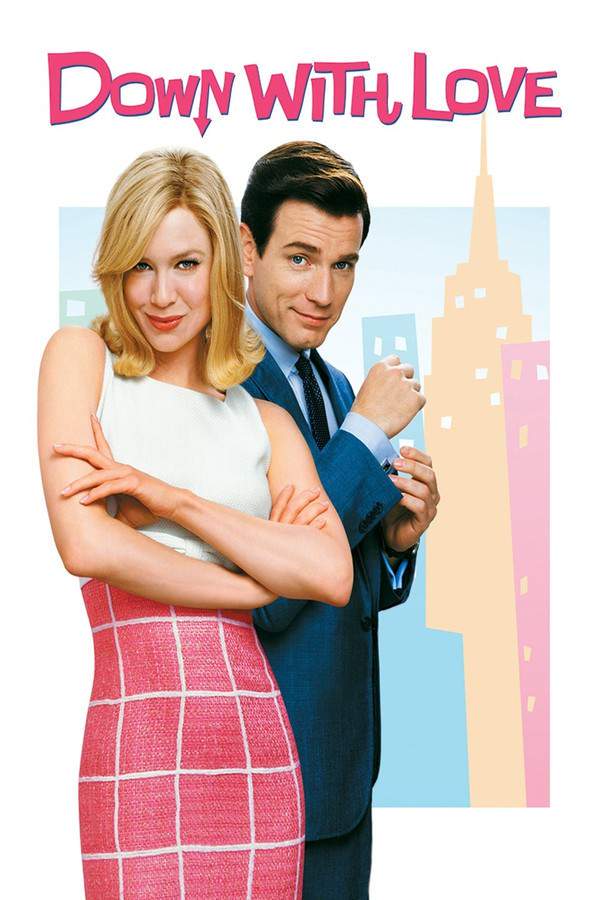
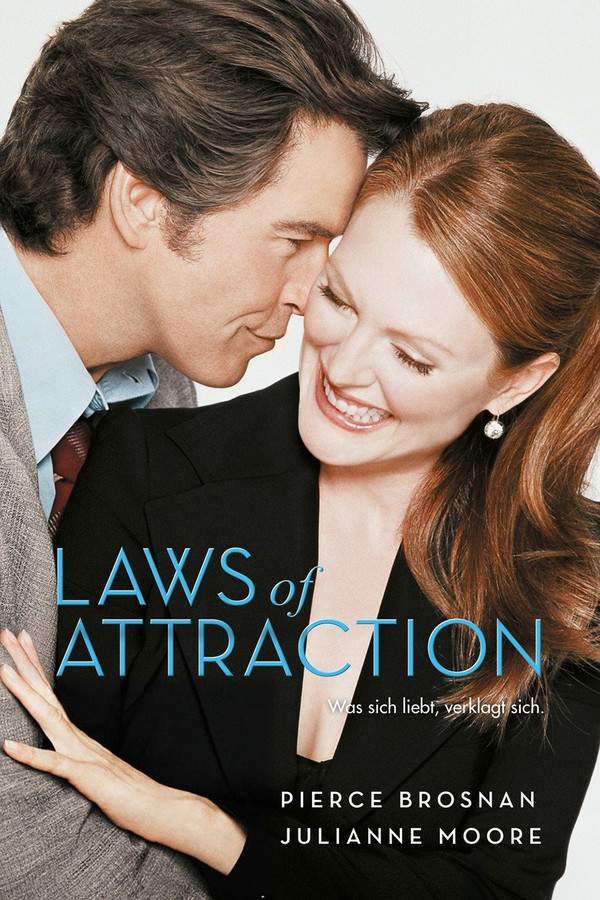
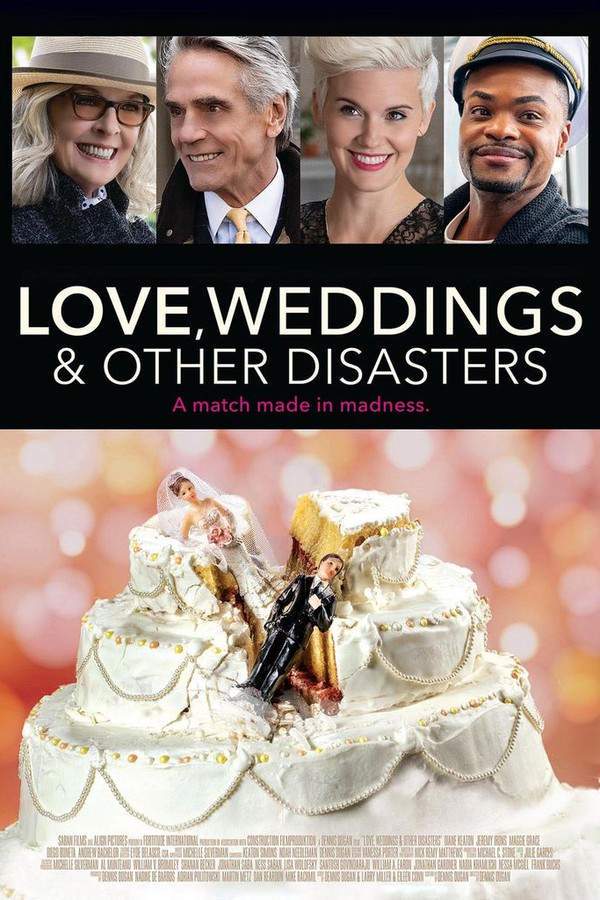
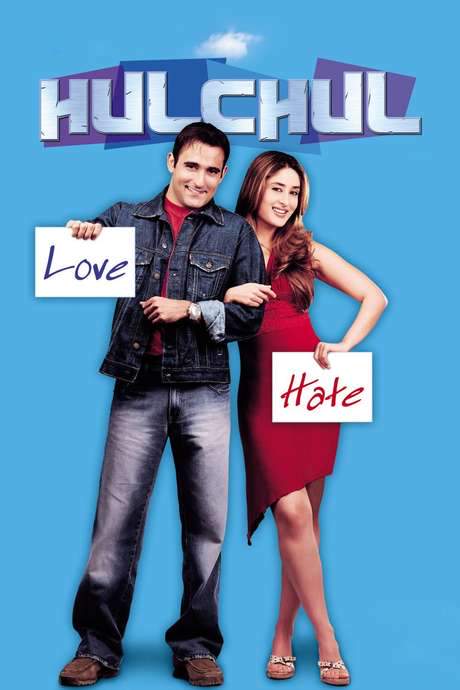
When rigid worlds collide, love blossoms from comedic misunderstandings. If you enjoyed the playful dynamic between the mayors in Key to the City, you'll love these other movies featuring opposites-attract romances built on witty banter and charming cultural clashes.

  • charming
  • witty
  • playful
  • romantic
  • lighthearted
  • whimsical
  • Tone: light, whimsical, playful
  • Pacing: steady, character-driven
Why these movies?

The story pattern: These stories typically follow a linear path where two contrasting characters are forced together, often by circumstance. Their differences lead to a series of humorous misunderstandings and set pieces, ultimately revealing a deeper compatibility that forms the foundation for a blossoming romance.

Why they belong together: Movies are grouped here for their shared focus on the joyful, low-stakes tension that arises from a culture clash romance. They share a light tone, steady pacing, and a consistently optimistic view of how opposites can complement each other.

Gentle Political Comedies similar to Key to the City

Politics as a backdrop for charming characters and lighthearted antics. Fans of Key to the City will enjoy these movies that use politics as a charming backdrop for lighthearted stories about romance and personal antics, rather than heavy-handed political commentary.

  • whimsical
  • charming
  • lighthearted
  • playful
  • optimistic
  • farcical
  • Tone: light, whimsical, charming
  • Pacing: steady
Why these movies?

The story pattern: The narrative pattern involves a protagonist in a political role—like a mayor or small-town official—navigating a personal journey or romantic entanglement that inadvertently causes public, but ultimately harmless, comedic scandals. The political setting amplifies the humor of the personal dilemmas.

Why they belong together: These films are connected by their use of a political setting to create a whimsical, low-stakes atmosphere. They prioritize charming characters and playful situations over complex plots or serious themes, resulting in an consistently optimistic and gentle viewing experience.

If you liked this

Movies Like Key to the City

Similar movies to Key to the City: the same genre, themes or kind of story. Each one comes with its own plot summary, timeline and ending explained.

Browse all movie summaries

Categories

Movie Lists Featuring Key to the City

Key to the City appears in these hand-built movie categories. Each one groups movies by a specific mood, theme or story type, with their plot summaries and endings explained.

View all movie categories

Every angle

Key to the City (1950) Explained: Plot, Timeline & Characters

Everything about Key to the City in one place: what happens in the plot summary, the timeline in chronological order, the characters and meaning and a spoiler-free summary. What's After the Movie adds the cast, box office and post-credit scenes.

Coming soon on iOS and Android

The Plot Explained Movie Summary App

Plot summaries, endings explained and timelines on your phone. Catch up on any movie in minutes, save your favorites and never miss a twist again.

Be the first to know when we launch. Your email stays private, always.

Learn more about the app