
Kasaba
Year: 2016
Runtime: 137 mins
Language: Malayalam
Director: Nithin Renji Panicker
Circle Inspector Rajan Zachariah is assigned to investigate a significant murder case in a village along the Kerala-Karnataka border. As he delves into the investigation, he uncovers complexities and challenges within the close-knit community, forcing him to confront difficult truths and navigate a delicate situation that holds personal importance.
Warning: spoilers below!
Haven’t seen Kasaba yet? This summary contains major spoilers. Bookmark the page, watch the movie, and come back for the full breakdown. If you're ready, scroll on and relive the story!
Kasaba (2016) – Full Plot Summary & Ending Explained
Read the complete plot breakdown of Kasaba (2016), including all key story events, major twists, and the ending explained in detail. Discover what really happened, and what it all means.
CI Rajan Zachariah, Mammootty, is a blunt but principled police officer posted in Palakkad. He moves through his duties with a quiet intensity, rarely pausing to consider others’ opinions, and he lives by a code that often puts him at odds with louder voices around him. He shares a deep, steady bond with IG Chandrasekhar, Siddique, a mentor figure who understands Zachariah’s stubborn integrity and supports his instinct to seek the truth. The two men form a tight partnership built on loyalty and a shared sense of justice, even as they navigate the murky waters of crime and politics on the Kerala–Karnataka border.
When Arjun Chandrasekhar, Shaheen Siddique, and his fiancée are killed in a blast in Kaliyoor, a border town, the official explanation points to Maoist violence. Zachariah and Chandrasekhar refuse to accept the label, sensing there is a deeper plot at work. They head to Kaliyoor to peel back the layers of deception, and Zachariah’s relentless pursuit of the truth soon ties the couple’s deaths to a broader pattern of violence that also claimed the lives of six cops, including CI Raghavan, Biju Pappan. The investigation widens to reveal a web of local power and corruption that centers on Parameshwaran Nambiar, the village head, and Kamala, the formidable woman in charge of the town’s brothel, Varalaxmi Sarathkumar. The stakes rise as the duo realizes the two figures are not merely pawns but key players in a deadly scheme.
The duo’s inquiries push them into the heart of Kaliyoor’s darkest corners. Arjun and his fiancée had witnessed a murder tied to Nambiar, and in the ensuing chaos, Nambiar’s men strike, aiming to silence anyone who might reveal the truth. In the background, the brothel’s operations are overseen by Pavizham, Jennifer Antony, while the caretaker Thankachan, Alencier Ley Lopez, orchestrates the financial side of the grim enterprise. Thankachan’s death becomes a turning point: a letter he leaves behind discloses a painful truth—that Kamala is his daughter, a revelation that shifts the balance of power and personal loyalties in Kaliyoor. The letter’s contents spur Kamala to confront Nambiar, and Zachariah plays a pivotal role as she takes action to avenge the wrongs done to her and the people around her.
In a carefully staged sequence, Kamala confronts Nambiar with Zachariah by her side, and Nambiar’s hold over Kaliyoor begins to fracture. The confrontation leads to Nambiar’s downfall, and Kamala becomes a beacon of resistance against the corruption she once helped sustain. Zachariah steps in with tact and restraint, arresting Kamala for the killings of Raghavan and Nambiar while ensuring the safety and release of the brothel workers. The operation is shut down, and the town’s wounds begin to heal as the people look to rebuild.
As the case closes, Zachariah’s path toward healing runs parallel to a personal transformation. He helps Susan, a sex worker from the brothel, escape the life she had endured and starts a life with her. Susan, Neha Saxena, finds a new sense of belonging and love, and the two decide to return to Kerala together, seeking a quieter, more hopeful future after a long season of violence. The story closes on a note of quiet resolution, with a man of duty choosing to protect the vulnerable and a community learning to move forward from a history of coercion and crime.
-
The film blends hard-edged police work with personal loyalties, showing how ambition, power, and selective justice can grind down ordinary lives, and how steadfast courage and compassionate choices can carve a path toward redemption.
-
Throughout, bold acts of resolve are tempered by the cost of violence, making the moral landscape of the narrative feel lived-in and real.
Last updated: October 09, 2025 at 16:01
Kasaba (2016) Plot Questions Answered – Summary FAQ
Explore frequently asked questions about Kasaba (2016) with spoiler-rich answers covering the full plot summary, major story beats, character motivations, hidden details, and ending meaning. This movie summary FAQ helps explain confusing scenes, plot twists, and narrative decisions in clear, searchable detail.
Why does Rajan Zachariah take Arjun's case personally?
Rajan Zachariah has a personal connection to the case because Arjun Chandrasekhar is the son of IG Chandrasekhar, Zachariah's mentor and close friend. This bond drives Zachariah to reject the official Maoist explanation and pursue the truth himself, even requesting a transfer to Kaliyoor to investigate firsthand.
Earlier scenes establish Zachariah's close relationship with IG Chandrasekhar and his affection for Arjun, making his insistence on investigating deeply personal.
How is Arjun's death connected to CI Raghavan's murder?
During his investigation, Zachariah discovers that Arjun and his fiancée were killed because they had witnessed a murder carried out by village head Parameshwaran Nambiar. This same murder was what CI Raghavan was investigating before he and six other cops were killed, linking both sets of deaths to Nambiar's conspiracy.
The timeline shows Zachariah linking Arjun's death to the broader pattern of police killings that began with Raghavan.
Why were Arjun and his fiancée killed in Kaliyoor?
Arjun and his fiancée witnessed Nambiar commit a murder and fled for help. They entered a police van, with Arjun claiming to be the IG's son. Nambiar then ordered his goons to attack the van, killing Arjun, his fiancée, and six police officers to silence the witnesses.
The investigation reveals that Arjun's death was not a random Maoist attack but a targeted elimination to cover up his witnessed crime.
What is the connection between Kamala and Thankachan?
Thankachan, the caretaker of Kamala's brothel, leaves a letter revealing that Kamala is his daughter. This explains Kamala's deep involvement in the brothel operation and provides her with the motivation to confront Nambiar after Thankachan is murdered under the guise of a Maoist attack.
The revelation reframes Kamala's position in Kaliyoor's power structure and explains her personal stake in the conflict.
Why does Zachariah help Kamala kill Nambiar?
Zachariah helps Kamala confront Nambiar because he recognizes her legitimate grievances, Nambiar murdered her father Thankachan and orchestrated the violence that killed Arjun and the cops. Zachariah allows her to take revenge while ensuring the broader justice is served, though he ultimately arrests her for the killings.
Throughout the investigation, Zachariah shows sympathy for the victims of Nambiar's corruption, setting up his complicity in the final confrontation.
Why does Zachariah arrest Kamala after helping her?
Although Zachariah aids Kamala in confronting Nambiar, he remains a police officer bound by duty. He arrests her for the killings of CI Raghavan and Nambiar while simultaneously rescuing the brothel workers and shutting down the illegal operation, balancing justice with compassion.
This decision reflects Zachariah's consistent struggle between personal loyalties and professional duty throughout the film.
Who is Susan and what happens to her at the end?
Susan is a sex worker from Kamala's brothel whom Zachariah helps escape her life of exploitation. At the film's end, Zachariah chooses to marry her and return to Kerala together, representing his personal redemption and a hopeful new beginning after the season of violence.
Earlier scenes establish Zachariah's compassion for the brothel workers, making his decision to help Susan a natural culmination of his character arc.
Why does Nambiar murder Thankachan?
Nambiar murders Thankachan, the brothel caretaker, during district-level elections to eliminate a potential liability. He stages the murder as a Maoist attack to cover his tracks, demonstrating his ruthless tactics in maintaining power and silencing anyone who might expose his crimes.
Thankachan's death serves as a catalyst that triggers Kamala's transformation from brothel manager to avenger.

Explore Movie Threads
Discover curated groups of movies connected by mood, themes, and story style. Browse collections built around emotion, atmosphere, and narrative focus to easily find films that match what you feel like watching right now.
Redemptive justice stories like Kasaba
A lone officer fights systemic corruption to deliver hard-won justice to a broken community.If you liked the way Kasaba pits a determined inspector against a corrupt village system, you'll find similar satisfaction here. These movies focus on characters fighting for justice in morally compromised worlds, blending tense procedurals with a redemptive, hopeful conclusion.
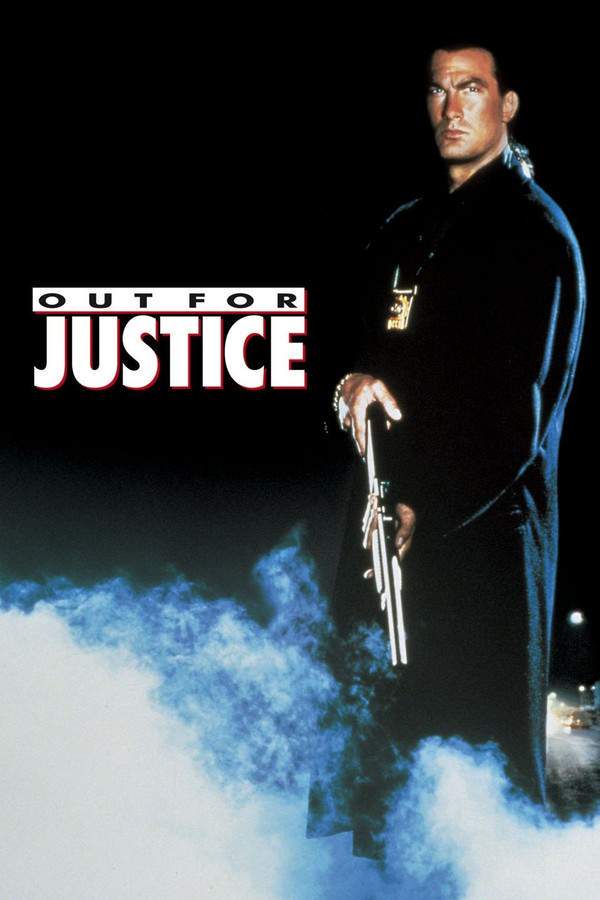
Out for Justice
1991

Ten Hours
2025

Last Looks
2022
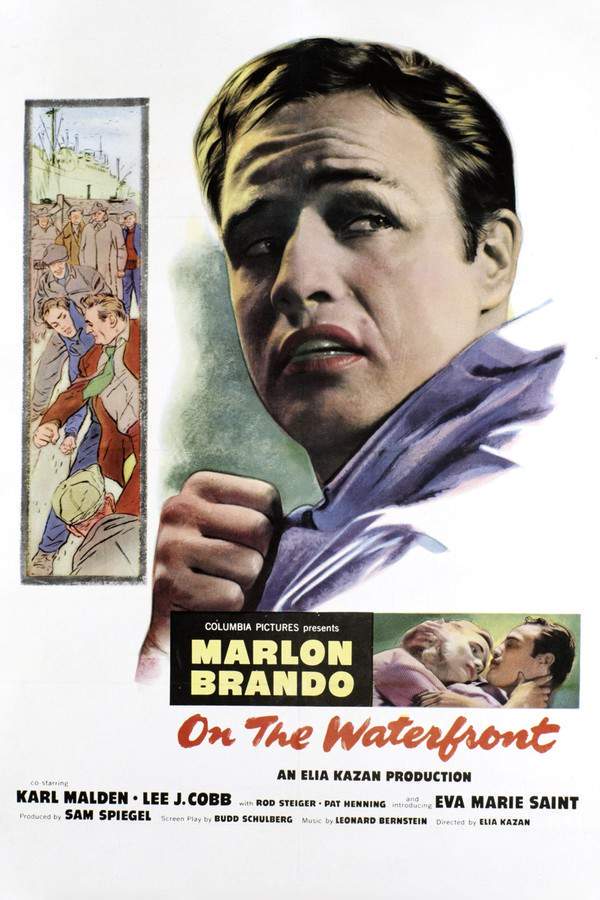
On the Waterfront
1954
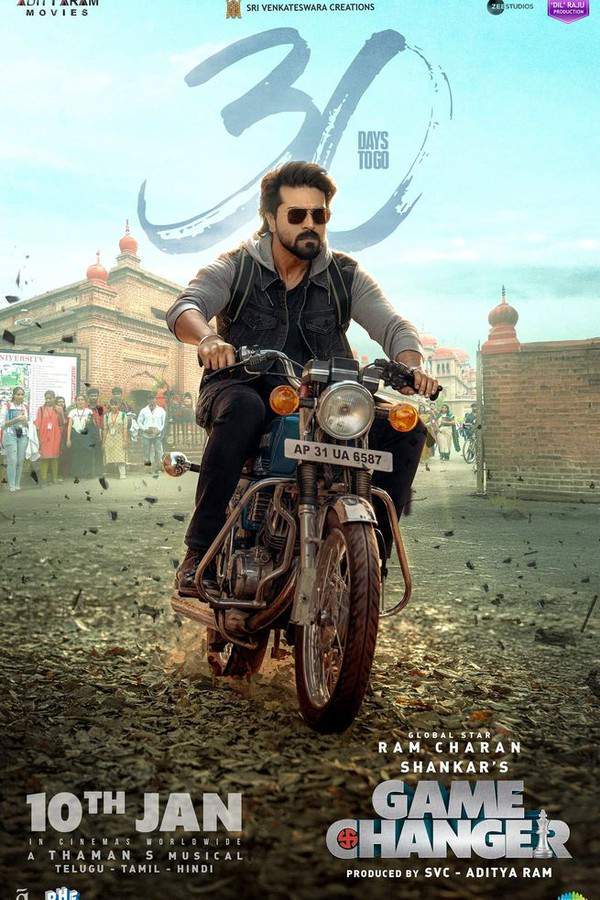
Game Changer
2025

The Accountant 2
2025

South Central
1992

Rumble Through the Dark
2023

Redeeming Love
2022

The Evil That Men Do
1984

Kings Row
1942
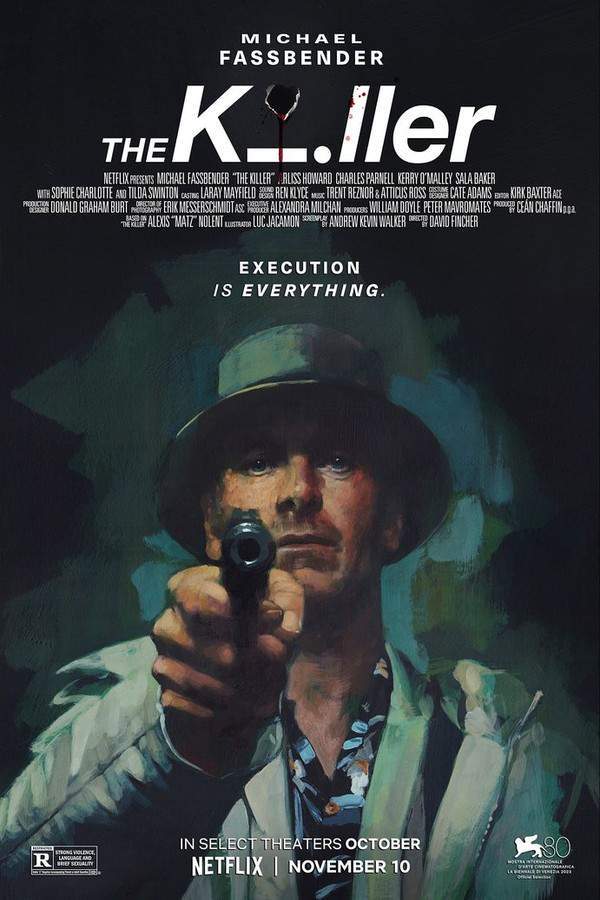
The Killer
2022

Fatal Needles vs. Fatal Fists
1978
Kasaba
2016

Wild Card
2015
Narrative Summary
Stories in this thread often follow a skilled outsider or a principled local who must untangle a web of local corruption, often triggered by a specific crime. The investigation serves as a catalyst, forcing the protagonist to make difficult moral choices and confront powerful enemies. The narrative builds steadily towards a climactic confrontation that, while costly, restores a sense of order and hope to the community.
Why These Movies?
These films are grouped for their shared focus on a morally complex investigation in a claustrophobic, corrupt setting. They balance a dark, tense atmosphere with a fundamentally hopeful character arc, creating a specific emotional rhythm of struggle followed by cathartic, if not perfect, resolution.
Heavy police procedurals like Kasaba
Slow-burning, character-driven crime stories where the investigation carries deep emotional consequences.For viewers who appreciated the methodical, emotionally weighty investigation in Kasaba. These movies are similar in their steady pacing, dark tone, and focus on a detective's personal struggle with the grim realities of crime and corruption they uncover.














Narrative Summary
The narrative pattern involves a detective or inspector being assigned a complex case that exposes the dark underbelly of a community. The investigation unfolds step-by-step, revealing layers of complicity and moral ambiguity. The protagonist's personal convictions are tested, and the line between professional duty and personal investment blurs, creating a heavy emotional journey alongside the procedural plot.
Why These Movies?
This grouping prioritizes a specific mood and pacing: the experience of a tense, methodical investigation that is emotionally draining rather than purely intellectual. The shared elements are a dark, gritty tone, steady pacing, high emotional weight, and a protagonist who is deeply affected by the case.
Unlock the Full Story of Kasaba
Don't stop at just watching - explore Kasaba in full detail. From the complete plot summary and scene-by-scene timeline to character breakdowns, thematic analysis, and a deep dive into the ending - every page helps you truly understand what Kasaba is all about. Plus, discover what's next after the movie.
Kasaba Timeline
Track the full timeline of Kasaba with every major event arranged chronologically. Perfect for decoding non-linear storytelling, flashbacks, or parallel narratives with a clear scene-by-scene breakdown.

Characters, Settings & Themes in Kasaba
Discover the characters, locations, and core themes that shape Kasaba. Get insights into symbolic elements, setting significance, and deeper narrative meaning - ideal for thematic analysis and movie breakdowns.


