Plot Explained Spoilers guaranteed!
Plot Explained

Browse by genre

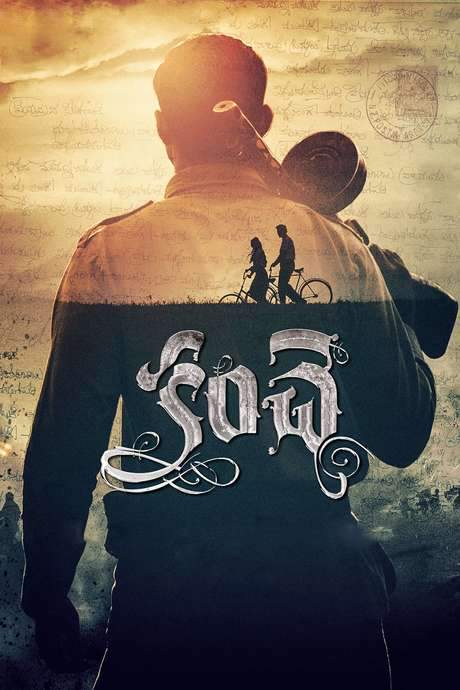
Kanche (2015) movie poster

Timeline

Kanche (2015) Timeline Explained – Every Event in Order

Release, runtime and language
2015 · 119 mins · Telugu
Directed by
Radha Krishna Jagarlamudi
Starring
Nikitin Dheer, Srinivas Avasarala, Satyam Rajesh, Gollapudi Maruti Rao, Ravi Prakash, Posani Krishna Murali

A love story played out against the backdrop of World War II.

On this page (4)
  1. 1 Events in order (13)
  2. 2 Timeline questions answered
  3. 3 Movie threads
  4. 4 Every angle

13 events in order · contains spoilers

Kanche Timeline: Events in Chronological Order

Every key event of Kanche (2015) in order, scene by scene, with when and where it takes place. Use it to untangle flashbacks, time jumps and parallel storylines, to refresh your memory before the sequel or to find the exact scene you are thinking of.

  1. First meeting and common ground

    In 1936, Haribabu and Sitadevi meet at the Madras Cultural Club and discover they are fellow students at the University of Madras. Sitadevi is the princess of the Rachakonda estate, while Haribabu comes from a lower caste and is the grandson of a local barber. Their shared scholarly dreams spark a bond that hints at something more than friendship.

    When
    1936
    Where
    Madras, Madras Presidency
  2. Return to Devarakonda and a growing bond

    As their studies end, Haribabu and Sitadevi return to their native town of Devarakonda. The barrier of caste clashes with their love as they realize they belong to different worlds, yet their bond grows stronger. They begin to plan a future together despite the social obstacles.

    When
    1936
    Where
    Devarakonda
  3. A deadly clash and the fence is erected

    Eeswar and Pedababu learn of the affair and inflame tensions, leading to a violent clash between communities. The fighting leaves hundreds dead and a fence called the Kanche is erected to separate the sides. The tragedy hardens loyalties and divides the town.

    When
    1936
    Where
    Devarakonda estate
  4. Marriage pressure and Haribabu is stabbed

    With pressure from families and the fallout of the violence, Sitadevi is pushed toward an arranged marriage. Haribabu returns from town only to be stabbed, shattering their fragile hope for a quiet life together. The episode foreshadows the doomed path ahead.

    When
    1936
    Where
    Devarakonda
  5. The wedding day and Sitadevi's union

    On the wedding day, Haribabu marries Sitadevi in the presence of Sitadevi's grandmother Mahalakshmamma and then departs. The ceremony binds them briefly amid ongoing social tensions. The moment is heavy with unfulfilled promises.

    When
    1936
    Where
    Devarakonda
  6. Duel ends in Sitadevi's death

    That evening, a duel between Eeswar and Haribabu escalates and ends with Sitadevi's accidental death. The tragedy compounds the family conflict and seals a bitter fate for all involved. Haribabu's pain foreshadows the larger fracture to come.

    When
    1936
    Where
    Devarakonda
  7. World War II reshapes their world

    Years pass into the shadow of World War II. Haribabu rises to the rank of captain while Eeswar advances to colonel, serving as his commanding officer. The brothers-in-arms become rivals and reluctant teammates within the larger empire's military machine.

    When
    Early 1940s
    Where
    India
  8. May 1944: Nazi strike and escape

    During the Italian Campaign, Nazi forces strike and capture Indian troops; Haribabu, Daasu, and three others manage a perilous escape. They hide with an Italian baker and his granddaughter, who helps them survive and reveals the Nazis' plan to kill a little girl connected to a German medic and a Jew. The odds grow ever more desperate.

    When
    May 1944
    Where
    Italy
  9. Locating civilians and freeing the troops

    The group tracks the civilians to safety and locates the captured troops in an old building. They brave dangers to free them and press on toward a riverbank that could serve as their escape route. The mission deepens the bond among the soldiers despite past resentments.

    When
    May 1944
    Where
    Italian countryside
  10. Raid, escape by boat, and Haribabu is wounded

    Haribabu devises a daring plan to outrun the German forces, but Eeswar argues against it, recalling the cycle of bloodshed. The raid on the Nazi tents begins a chaotic escape by boat as the soldiers fight to reach safety. Haribabu is grievously wounded yet continues to fight to ensure the others' escape.

    When
    May 1944
    Where
    Near a German camp, on river escape route
  11. Haribabu dies, remembering Sitadevi

    Haribabu dies with a smile after securing a safer passage for his comrades, and his thoughts linger on the life he shared with Sitadevi. His sacrifice becomes a quiet testament to their love beyond caste and feud. The fallen captain's memory lingers with those left behind.

    When
    May 1944
    Where
    On the escape boat
  12. Reconciliation and memory

    Eeswar returns to the village with Haribabu’s body and reads the letters Haribabu had written to Sitadevi during the war. He realizes that people should not be divided by caste, and his newfound respect marks a personal reconciliation.

    When
    Post-1944
    Where
    Devarakonda village
  13. Fence removed and peace restored

    Haribabu's grandfather Pedababu orders the removal of the fence, and the villagers choose to live in peace once more. They carry forward the memory of Haribabu and Sitadevi beyond the boundaries that once separated them. The era ends with a healing that transcends old enmities.

    When
    Post-1944
    Where
    Devarakonda

Last updated: October 03, 2025 at 06:45

Was this helpful?

Timeline questions answered

Kanche Timeline Explained: Your Questions Answered

When does it happen, and why in that order? The questions people ask about the chronology of Kanche (2015): time jumps, flashbacks, cause and effect between scenes and the correct order of events, each answered with spoilers.

Q1

Why did Eeswar and Pedababu provoke the violent clash between the communities?

Eeswar and Pedababu learned about Haribabu's relationship with Sitadevi, who was a princess from a higher caste. They viewed this relationship as a disgrace to their family honor and deliberately inflamed tensions between the communities, leading to a violent clash that left hundreds dead. This was driven by their rigid adherence to caste boundaries and their determination to prevent a union between someone of Haribabu's lower social status and their family.

Foreshadowing: The warning signs appear early when Haribabu is introduced to Eeswar in Devarakonda, where their "wary friendship" hints at underlying hostility.

  • eeswar
  • pedababu
  • caste
  • community violence
  • haribabu sitadevi relationship
Q2

How did Sitadevi die during the duel between Eeswar and Haribabu?

Sitadevi was caught in the crossfire during the evening duel between Eeswar and Haribabu. The exact circumstances are tragic, she was an innocent bystander to the violence between the two men, and her death was accidental rather than intentional. This devastating moment occurred on what should have been her wedding day, adding another layer of tragedy to the story.

Foreshadowing: Earlier events show mounting pressure on Sitadevi between family obligations and her love for Haribabu, building toward this fatal confrontation.

  • sitadevi death
  • duel
  • accidental death
  • wedding day
  • eeswar haribabu
Q3

Why did Haribabu marry Sitadevi on her wedding day to another person?

Haribabu took the drastic step of marrying Sitadevi on her arranged wedding day because he could not accept her marriage to someone else. Driven by desperation and love, he confronted the situation directly, performing the marriage ceremony in front of Sitadevi's grandmother Mahalakshmamma. This act was both a declaration of his love and a final attempt to claim their relationship before circumstances forced them apart.

Foreshadowing: The mounting pressure toward Sitadevi's arranged marriage and Haribabu's stabbing earlier foreshadow his desperate action.

  • haribabu sitadevi marriage
  • wedding day
  • arranged marriage
  • desperate act
Q4

How did Haribabu and Eeswar end up as captain and colonel in the same unit during WWII?

Years after their personal conflict in Devarakonda, both men joined the British Indian Army. Haribabu rose to the rank of captain, while Eeswar advanced to colonel and became his commanding officer. The war created an unlikely circumstance where former enemies from a village feud found themselves fighting alongside each other in the same military hierarchy, with Eeswar holding formal authority over Haribabu.

Foreshadowing: The timeline transition from 1936 to the early 1940s establishes this shift in their circumstances.

  • world war 2
  • indian army
  • captain haribabu
  • colonel eeswar
  • british raj
Q5

Why did Eeswar still harbor resentment toward Haribabu during the war?

Despite years passing and fighting together in WWII, Eeswar's old resentment from the village conflict persisted. He still viewed Haribabu through the lens of their past feud, which included Haribabu's relationship with Sitadevi, the violence that erupted, and the community divisions. When Haribabu proposed a daring plan during the mission, Eeswar argued against it, still carrying the bitterness from their shared history.

Foreshadowing: Their "wary friendship" from the beginning hints at unresolved tensions that would resurface.

  • eeswar resentment
  • old feud
  • village conflict
  • war mission disagreement
Q6

What changed in Eeswar after reading Haribabu's letters to Sitadevi?

Reading the letters Haribabu had written to Sitadevi during the war transformed Eeswar's perspective. Through these letters, he came to understand the depth of Haribabu's love, his pain, and his capacity for forgiveness. This realization led Eeswar to finally accept that people should not be divided by caste, a complete reversal of the beliefs that had driven his earlier actions. His newfound respect marked a genuine personal reconciliation.

Foreshadowing: Haribabu's words during the war mission, reminding Eeswar that WWII began because of racism, planted early seeds of this change.

  • eeswar reconciliation
  • letters to sitadevi
  • caste acceptance
  • forgiveness
Q7

Why did Pedababu decide to remove the Kanche fence at the end?

Pedababu ordered the removal of the Kanche fence as a final act of reconciliation and healing. After witnessing Eeswar's transformation upon reading Haribabu's letters and seeing the villagers choose peace, Pedababu recognized that the fence symbolized the hatred and division that had caused so much death. Removing it represented the community's decision to move beyond caste barriers and honor Haribabu and Sitadevi's memory by living together in peace.

Foreshadowing: The fence was erected after hundreds died in the violent clash, its removal marks the full circle of that tragedy.

  • kanche fence
  • pedababu
  • peace reconciliation
  • village healing
  • casteless society
Q8

What was the significance of Haribabu's final smile as he died?

Haribabu died with a smile because his final thoughts were of the life he shared with Sitadevi. Though his death was tragic, he found peace knowing he had finally overcome the cycle of hatred that had plagued his village. His sacrifice ensured his comrades' escape, and he died content having redeemed the violence and loss of his past through selfless service.

Foreshadowing: His earlier reminder to Eeswar that they did not want to repeat the village bloodshed shows his commitment to breaking the cycle.

  • haribabu death
  • sacrifice
  • smile
  • love memory
  • sitadevi
Q9

How did the WWII mission mirror the village conflict in Devarakonda?

The WWII mission paralleled the village conflict through the theme of unnecessary division and bloodshed. Just as caste divisions had caused violence in Devarakonda, the Nazis' racist ideology was driving their brutal actions in Italy. Haribabu explicitly referenced this connection, telling Eeswar that WWII began because of racism, he refused to let that same hatred repeat in their village or in war. Both stories explored how prejudice destroys lives.

Foreshadowing: Haribabu's dialogue directly connects the two storylines, making the thematic parallel explicit.

  • world war 2
  • caste prejudice
  • racism
  • nazi ideology
  • village conflict parallel
Q10

Why did Haribabu choose to stay behind and fight instead of escaping with the others?

Haribabu stayed behind to divert the German army's attention, ensuring his comrades could reach safety on the boat. Knowing he was grievously wounded, he chose to sacrifice himself so that others might live. This act of selflessness represented his complete transformation from a man consumed by revenge in his youth to a soldier who valued others' lives above his own.

Foreshadowing: Earlier in the war escape, the soldiers had vowed to rescue all captured troops together, establishing the theme of collective sacrifice.

  • haribabu sacrifice
  • captain
  • wounded
  • boat escape
  • german army

Movie threads

More Movies Like Kanche, by Mood & Story

Curated lists built around what makes Kanche tick: the same mood, the same kind of story or the same emotional payoff. Each list explains why these movies belong together.

Epic forbidden romance movies like Kanche

Passionate romances that defy societal rules amidst major historical events. If you loved the passionate, high-stakes romance in Kanche, this list features movies with similar stories of love defying society and history. Discover other dramatic tales where personal relationships are tested against the backdrop of war, social change, and overwhelming adversity.

  • romantic
  • tragic
  • hopeful
  • tense
  • epic
  • grieving
  • Tone: romantic, tragic, hopeful
  • Pacing: steady, epic
Why these movies?

The story pattern: These narratives typically follow a couple whose love is forbidden by social norms—be it caste, class, or wartime allegiances. Their personal journey intertwines with a major historical event, which amplifies the stakes and external conflicts. The plot often involves sacrifice, separation, and a struggle to hold onto love in the face of overwhelming opposition.

Why they belong together: Movies are grouped here for their shared focus on an intense, socially forbidden romance set within a grand historical context. They share a heavy emotional weight, high intensity from both personal and historical conflict, and a tone that balances romantic passion with the grim realities of their setting.

Movies about healing after tragedy like Kanche

Stories where profound personal loss eventually leads to hard-worn societal or personal healing. Fans of Kanche's poignant ending will appreciate these films that explore similar themes of reconciliation and hope emerging from devastation. Find movies that, like Kanche, deal with heavy themes of loss and grief but ultimately offer a bittersweet sense of healing and societal progress.

  • grieving
  • reflective
  • melancholic
  • hopeful
  • redemptive
  • somber
  • Tone: bittersweet, reflective, melancholic
  • Pacing: steady, reflective
Why these movies?

The story pattern: The narrative pattern involves characters enduring severe trauma, violence, or loss, often on both a personal and community level. The central journey is one of grieving and confrontation with the past. The culmination is not a purely happy ending, but a somber, earned sense of reconciliation, where characters or communities find a way to heal and move forward, carrying the scars but not being defined solely by them.

Why they belong together: These films are connected by their core emotional arc: moving from deep sadness and conflict toward a complex, bittersweet resolution. They share a heavy emotional weight, a steady pacing that allows for reflection, and a tone that honestly portrays grief while leaving room for a guarded, realistic hope.

Every angle

Kanche (2015) Explained: Plot, Timeline & Characters

Everything about Kanche in one place: what happens in the plot summary, the timeline in chronological order, the characters and meaning and a spoiler-free summary. What's After the Movie adds the cast, box office and post-credit scenes.

Coming soon on iOS and Android

The Plot Explained Movie Summary App

Plot summaries, endings explained and timelines on your phone. Catch up on any movie in minutes, save your favorites and never miss a twist again.

Be the first to know when we launch. Your email stays private, always.

Learn more about the app