
Justice League: Gods and Monsters

In an alternate universe, a sinister plot unfolds as the iconic DC Trinity—Superman, Batman, and Wonder Woman—find themselves framed for an embassy bombing. Hunted by the government, these powerful figures must fight to clear their names and uncover the truth behind the attack. This dark and twisted reality pits heroes against the very system they once protected.
Where to Watch Justice League: Gods and Monsters?
Find where to stream, rent, or buy Justice League: Gods and Monsters (2015) in the US with current JustWatch availability, up-to-date pricing, and platform listings for subscription, rental, and digital purchase options.








Warning: spoilers below!
Haven’t seen Justice League: Gods and Monsters yet? This summary contains major spoilers. Bookmark the page, watch the movie, and come back for the full breakdown. If you're ready, scroll on and relive the story!
Timeline & Setting – Justice League: Gods and Monsters (2015)
Explore the full timeline and setting of Justice League: Gods and Monsters (2015). Follow every major event in chronological order and see how the environment shapes the story, characters, and dramatic tension.
Last updated: October 03, 2025 at 06:17
Main Characters – Justice League: Gods and Monsters (2015)
Meet the key characters of Justice League: Gods and Monsters (2015), with detailed profiles, motivations, and roles in the plot. Understand their emotional journeys and what they reveal about the film’s deeper themes.
Last updated: October 03, 2025 at 06:17
Major Themes – Justice League: Gods and Monsters (2015)
Explore the central themes of Justice League: Gods and Monsters (2015), from psychological, social, and emotional dimensions to philosophical messages. Understand what the film is really saying beneath the surface.
Last updated: October 03, 2025 at 06:17
Justice League: Gods and Monsters (2015) Character & Theme Questions Answered – Info FAQ
Browse frequently asked questions about Justice League: Gods and Monsters (2015) focused on characters, relationships, themes, symbols, setting, and story context. This movie info FAQ gives spoiler-aware explanations for character arcs, world details, and thematic interpretation so readers can better understand what the film is really about.
Where is the Tower of the Justice League located and what role does it play?
The Tower of the Justice League serves as the high-tech command center from which Superman, Batman, and Wonder Woman coordinate their operations. It functions as the heroes' base of operations and strategic headquarters, from which Batman particularly manages defenses and monitors threats. The Tower represents their authority and centralized power in a world that increasingly questions their methods.
What makes this universe different from the main DC Universe?
This is an alternate universe where the Justice League operates as a more brutal, feared organization. The Trinity, Superman, Batman, and Wonder Woman, are framed for a terrorist embassy bombing, forcing them to fight the very system they once protected. The world is darker and more paranoid, with public trust in heroes already wavering before the framing occurs.
Who is Superman in this universe and how does his identity differ?
In this universe, Superman goes by Hernan Guerra and is portrayed by Benjamin Bratt. He is an autonomous, brutal force who believes order justifies harsh tactics. Notably, he speaks openly about not fully understanding his Krypton heritage, adding a vulnerable dimension to his immense power. His Krypton origins still exist but remain a confusing part of his self-conception.
What is Batman's role in the Justice League?
Batman, using the alias Kirk Langstrom and voiced by Michael C. Hall, serves as the strategic mind of the League. Unlike traditional portrayals, he operates primarily from within the Tower, coordinating defenses and managing outcomes. He activates the team's forcefield to shield them from threats and remains constantly wary of internal dangers, embodying careful planning and protective vigilance.
Who is Wonder Woman in this version and what defines her character?
Wonder Woman goes by Bekka in this universe, voiced by Tamara Taylor. She is a core member who fights alongside the others and embodies both strength and resolve. Bekka faces personal and collective challenges, including emotional entanglements and the costs of vigilantism. Her arc emphasizes loyalty and the search for past truths, with her departure at the end highlighting the cost of identity in a world demanding allegiance.
What role does Lois Lane play in the story?
Lois Lane, voiced by Paget Brewster, serves as a sharp journalist who documents the controversy surrounding the League. She becomes a key voice for truth, helping the public reassess the heroes' power and motives. Throughout the narrative, she stands as a moral compass amid the political and scientific intrigue that surrounds the framing of the Trinity.
How does the film explore power and responsibility?
The film examines how the League's brutal methods test the boundaries between protection and oppression. Public figures like President Waller push for oversight, highlighting the tension between security and civil liberties. The story invites viewers to consider whether strong authority can be justified by its aims, as public trust wavers and the heroes' true motives become a matter of interpretation.
What is the manipulation theme about in the film?
Dr. Will Magnus's plan uses nanites to link minds, turning fear into a hive of conformity. The film reveals a massacre of scientists, exposing a traitor within the scientific community. Lex Luthor's Project Fair Play further complicates loyalties and shows how political agendas infiltrate science. The climax demonstrates how manipulation can masquerade as guardianship.
How does identity factor into the story?
Superman's reluctance to reveal his Krypton heritage shows the weight of origin on self-conception. The revelation of his roots nudges him toward a more nuanced approach to leadership. Bekka's departure hints at the cost of identity in a world demanding allegiance. The film emphasizes that who you are fundamentally shapes how you lead and make decisions.
What is the significance of Lex Luthor's satellite?
A satellite orbiting the Moon, tied to Lex Luthor's resources, frames the political chessboard of the story. It hints at covert operations and represents the intersection of corporate power, scientific advancement, and political manipulation. The satellite underscores the film's themes of hidden control and the ways technology can be weaponized for mind control purposes.
Who is Tina/Platinum and what is her significance?
Tina, also known as Platinum and voiced by Grey DeLisle, is a liquid-metal transformation capable ally who becomes central to the villain's scheme. She clashes with Batman during the conflict and her ultimate fate reveals the human cost of the Hive Mind plot. Her powers highlight the precarious line between ally and threat, as she becomes a weapon used against the League.
Who is Dr. Will Magnus and what is his role in the conspiracy?
Dr. Will Magnus, voiced by C. Thomas Howell, is a leading scientist whose work helped bring Batman (Kirk Langstrom) to life. However, he becomes the mastermind behind the conspiracy and the internal betrayal. Magnus navigates a dangerous path between scientific curiosity and moral consequence, orchestrating the massacre of scientists and the nanite hive mind plot.
What is the tone and outcome of the film's ending?
The ending is bittersweet: the immediate threat is neutralized and the League is cleared of the bombing charges, but it comes at the cost of internal change with Bekka leaving the team. The world is left with 'newly earned skepticism,' signaling a victory that is qualified and uncertain rather than wholly triumphant. The film maintains its dark, heavy emotional weight through this conclusion.

Explore Movie Threads
Discover curated groups of movies connected by mood, themes, and story style. Browse collections built around emotion, atmosphere, and narrative focus to easily find films that match what you feel like watching right now.
Grim Alternate Universe Thrillers like Justice League: Gods and Monsters
Stories where familiar heroes or worlds are twisted by a darker reality.Discover movies like Justice League: Gods and Monsters, featuring dark reimaginings of familiar worlds. These similar stories delve into alternate realities where heroes are morally gray, conspiracies run deep, and the action is intense. If you liked the twisted take on the Justice League, you'll find more grim and thrilling parallel worlds here.
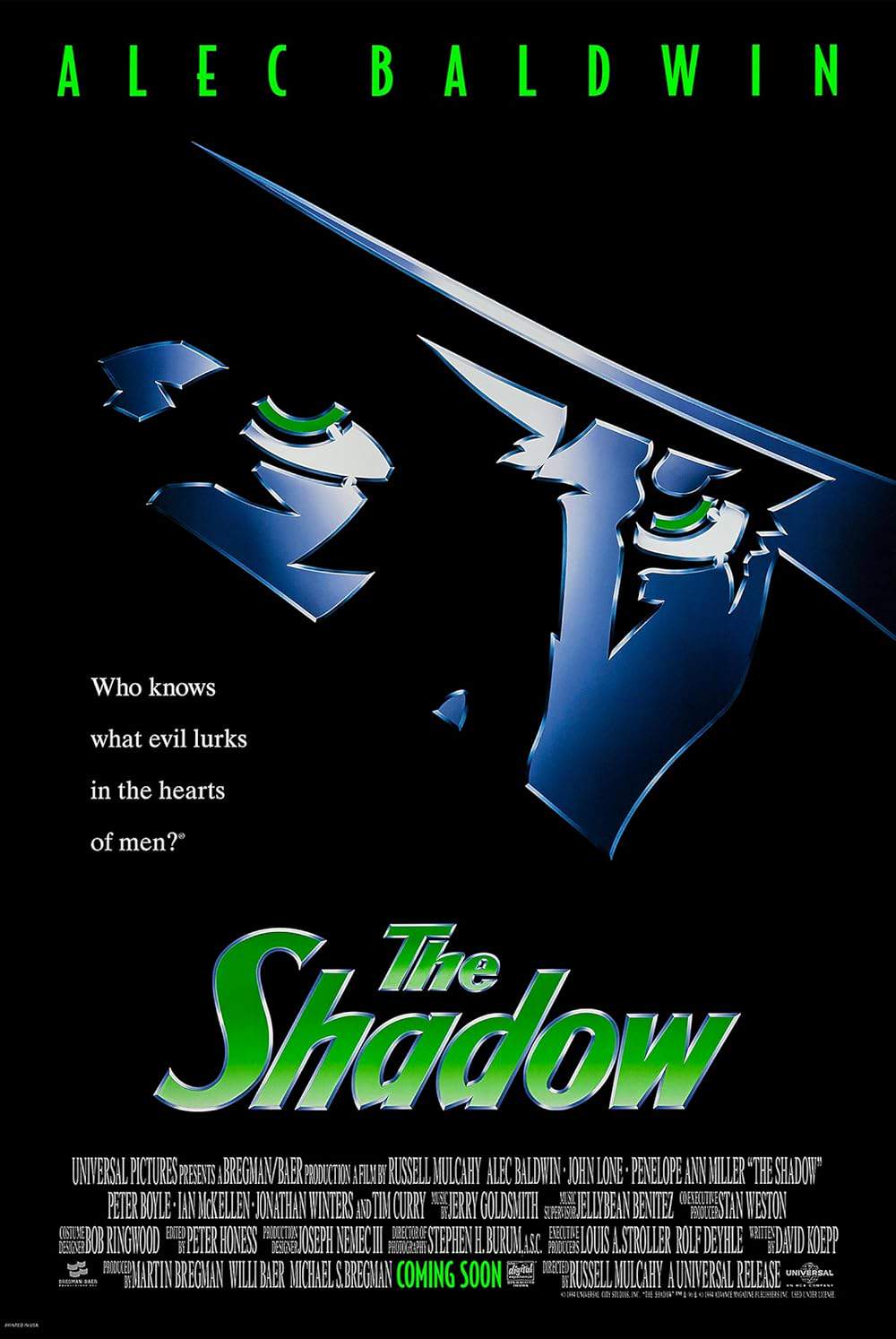
The Shadow
1994
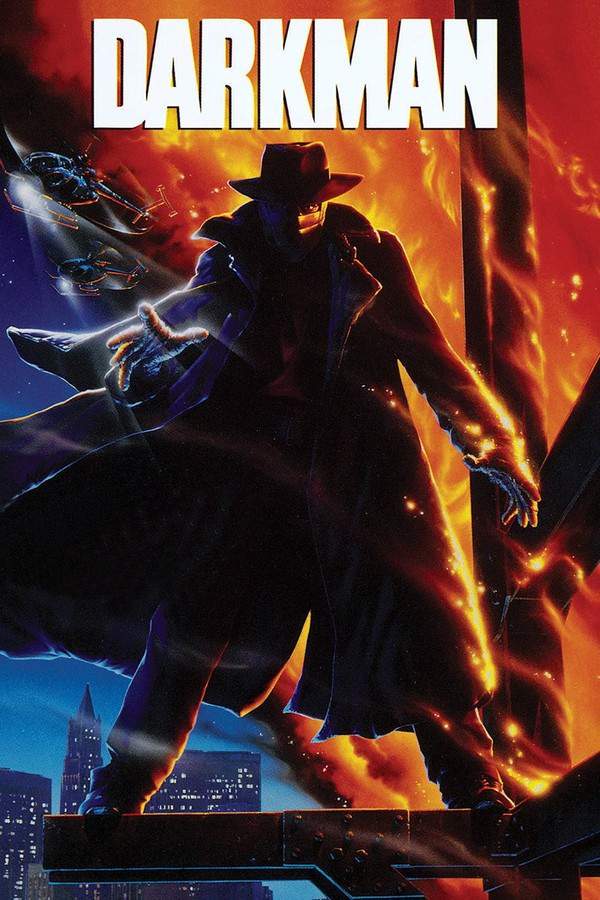
Darkman
1990
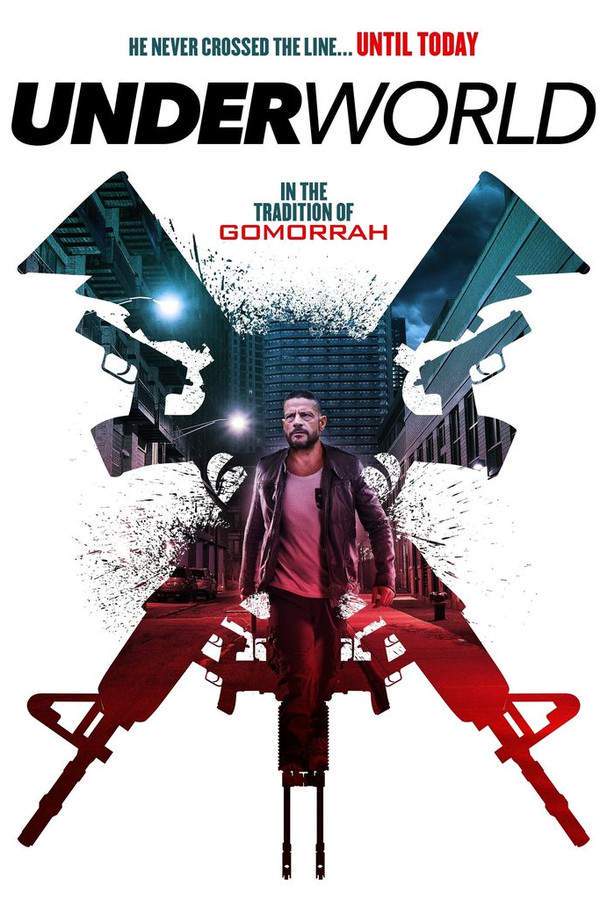
Underworld
2003
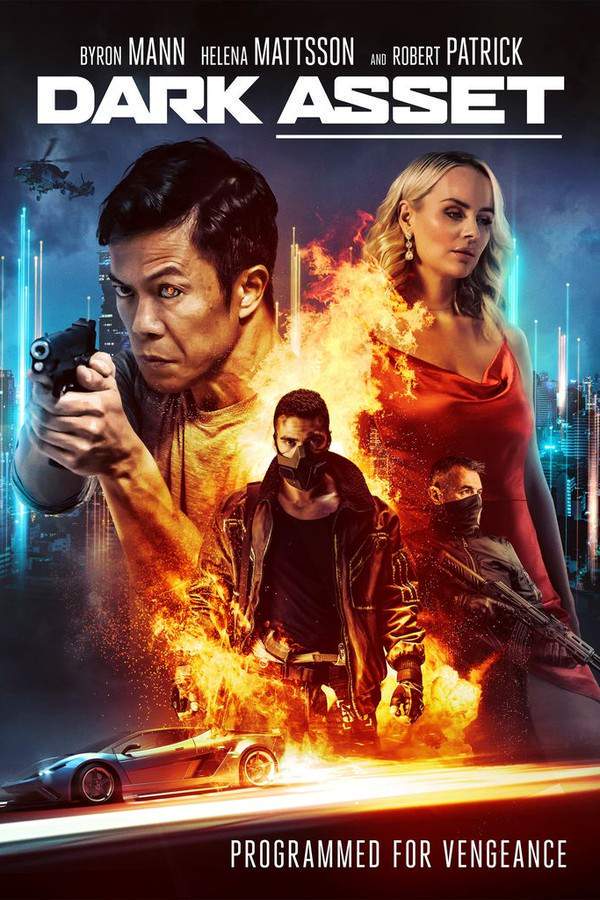
Dark Asset
2023
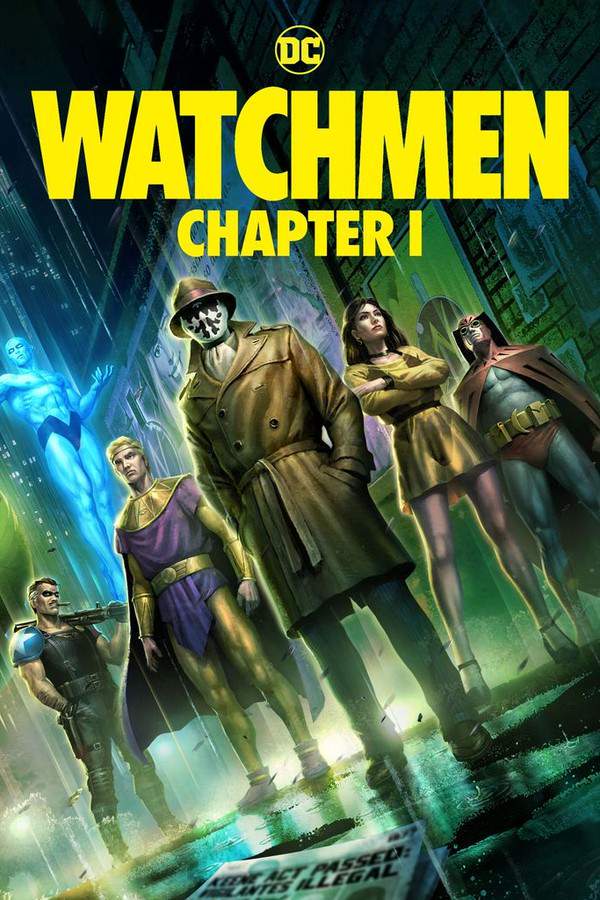
Watchmen: Chapter I
2024
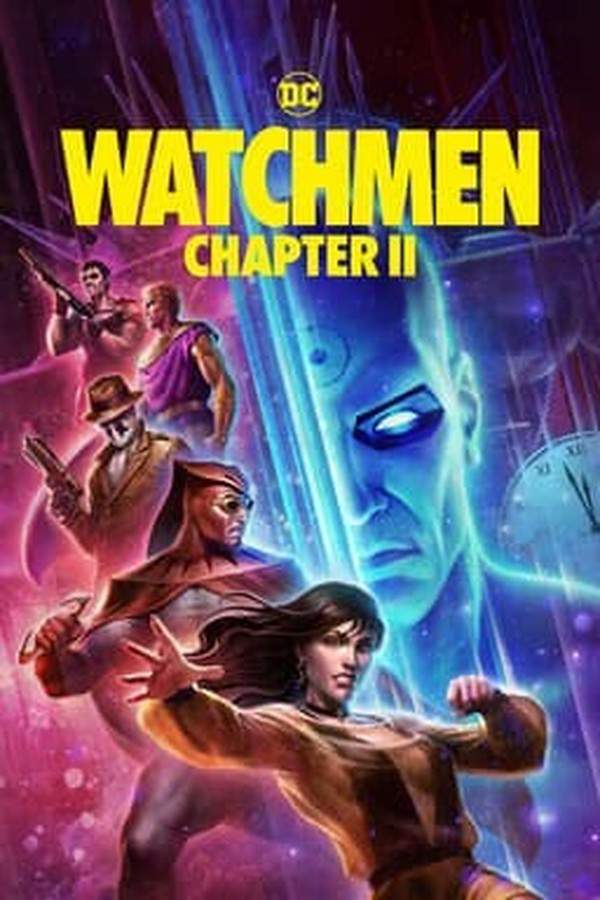
Watchmen: Chapter II
2024

All Superheroes Must Die
2011

Absolute Justice
2014

Avengers Grimm
2015
Justice League: Gods and Monsters
2015

Justice League Dark: Apokolips War
2020

DC Showcase: The Phantom Stranger
2020

Batman: Soul of the Dragon
2021

Darkman II: The Return of Durant
1995

Justice League: Warworld
2023
Narrative Summary
These narratives typically begin by establishing a familiar concept, only to swiftly subvert it with a darker, more cynical version of events. The plot often involves a central conspiracy or crime that the protagonists must unravel while being hunted or distrusted by the very society they inhabit, leading to a climax that questions the nature of power and justice.
Why These Movies?
Movies are grouped here based on their shared premise of a bleak alternate universe, a tone of moral ambiguity, and a focus on high-intensity action driven by political conspiracy. They create a coherent experience for viewers seeking twisted versions of iconic stories.
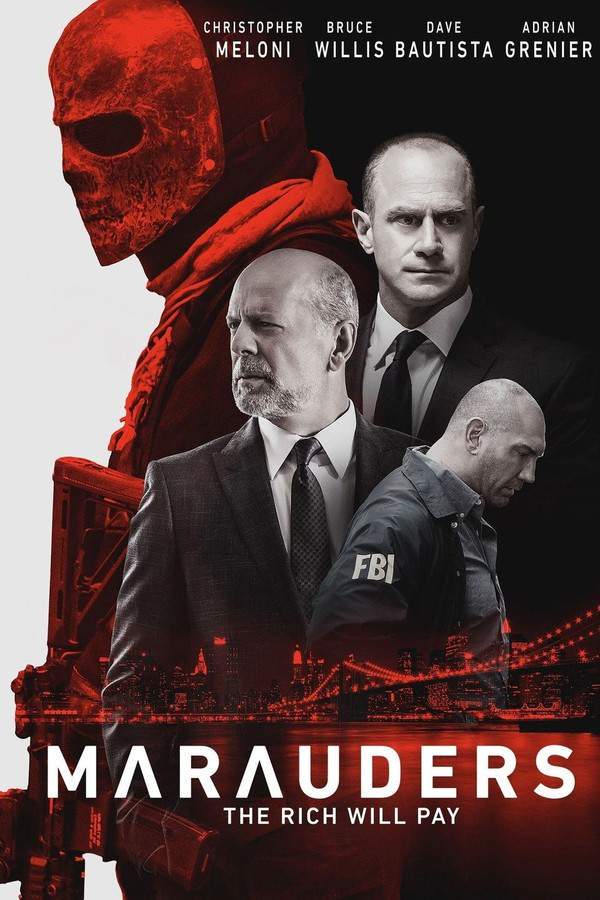
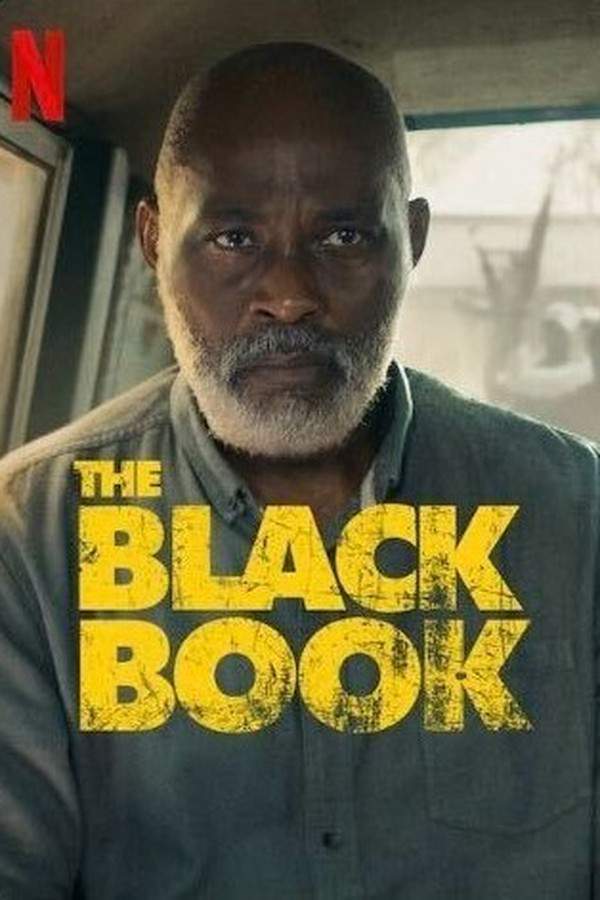
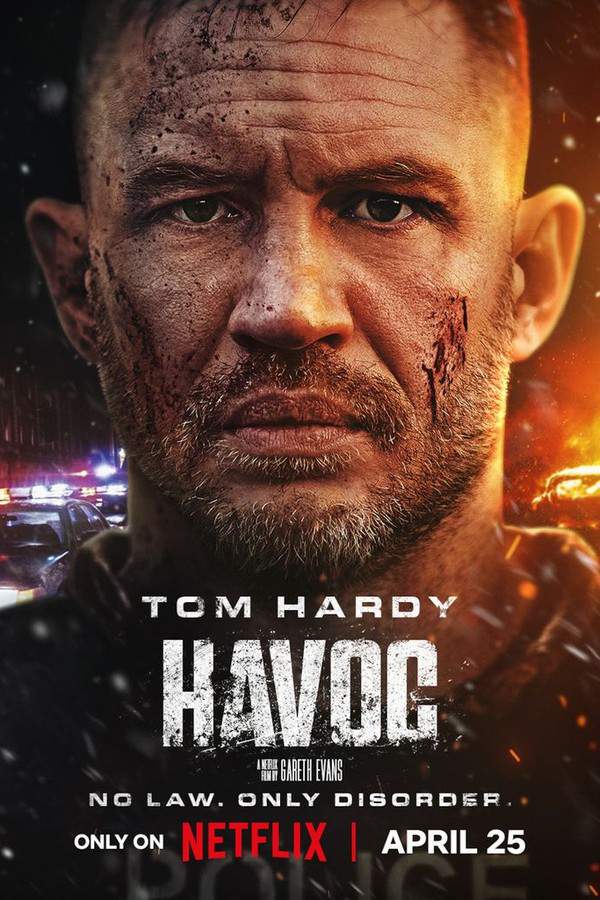
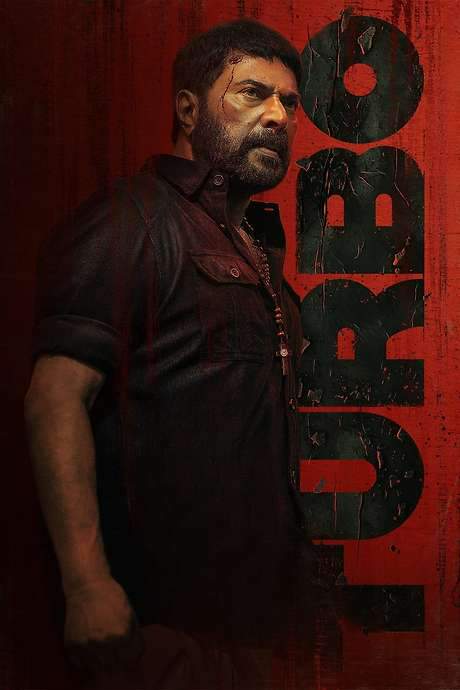
Framed and Hunted Conspiracy Thrillers like Justice League: Gods and Monsters
Powerful figures must clear their names while uncovering a sinister plot.If you enjoyed Justice League: Gods and Monsters, explore more movies where heroes are framed for a crime and must fight to uncover the truth. These similar thrillers feature high-stakes chases, complex conspiracies, and a tone of government distrust. Find your next watch among these stories of powerful figures fighting against the system.
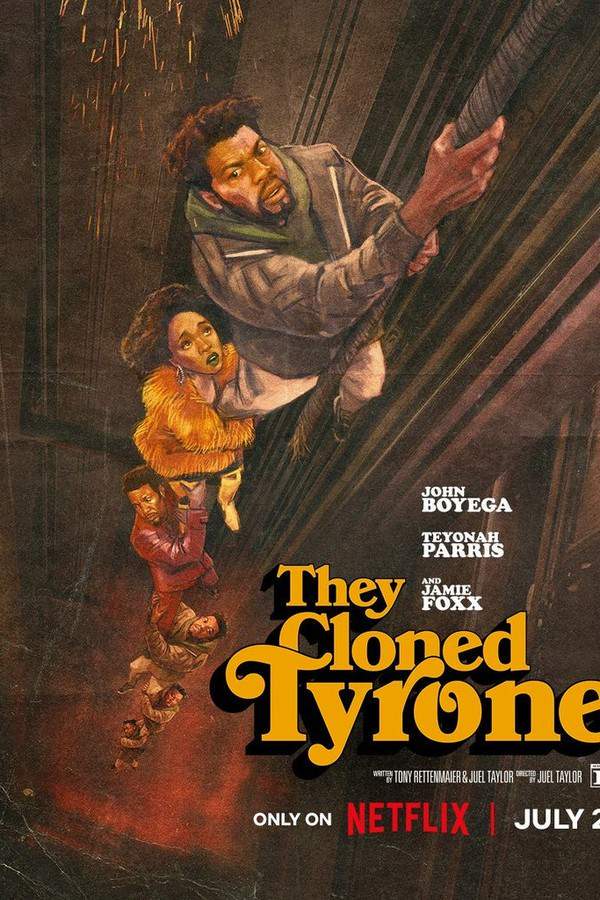
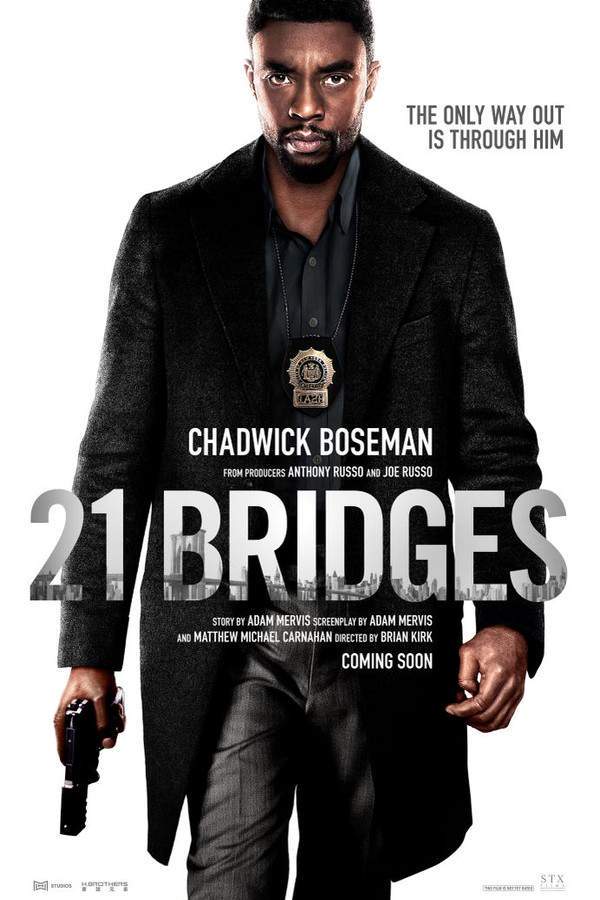

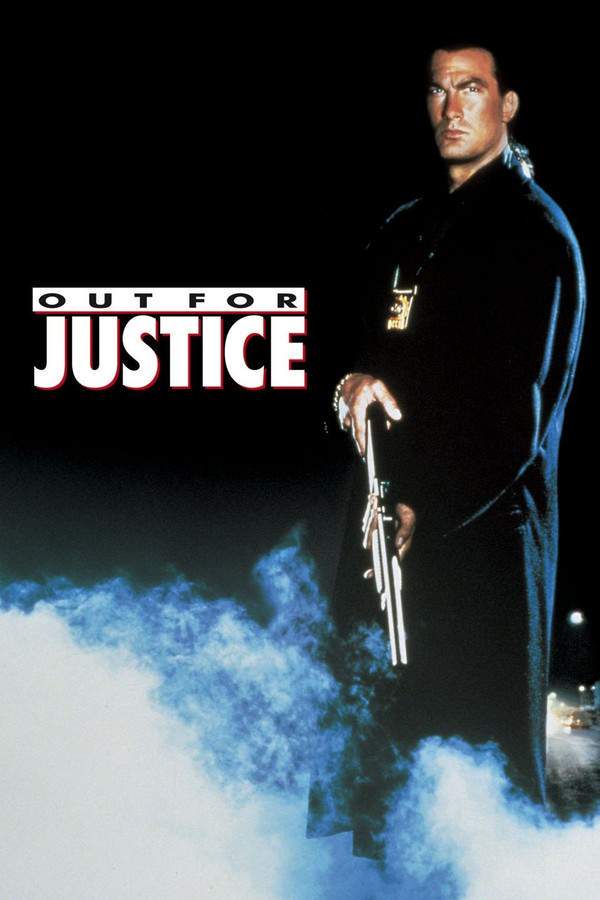




Narrative Summary
The narrative follows a clear pattern: an inciting incident falsely implicates the hero, turning public and institutional forces against them. This forces the protagonist into a fugitive state, leading a personal investigation that reveals layers of deception, culminating in a confrontation that often leaves societal trust fractured.
Why These Movies?
These films are united by the core plot device of the protagonist being framed, which drives a fast-paced narrative of pursuit and discovery. The shared mood is one of suspense, paranoia, and a heavy emotional weight stemming from betrayal and the fight for vindication.
Unlock the Full Story of Justice League: Gods and Monsters
Don't stop at just watching - explore Justice League: Gods and Monsters in full detail. From the complete plot summary and scene-by-scene timeline to character breakdowns, thematic analysis, and a deep dive into the ending - every page helps you truly understand what Justice League: Gods and Monsters is all about. Plus, discover what's next after the movie.
Justice League: Gods and Monsters Summary
Read a complete plot summary of Justice League: Gods and Monsters, including all key story points, character arcs, and turning points. This in-depth recap is ideal for understanding the narrative structure or reviewing what happened in the movie.

Justice League: Gods and Monsters Timeline
Track the full timeline of Justice League: Gods and Monsters with every major event arranged chronologically. Perfect for decoding non-linear storytelling, flashbacks, or parallel narratives with a clear scene-by-scene breakdown.


