On August 19, 1966, protestors burn their Beatles records and paraphernalia after John Lennon declares that The Beatles are more popular than Jesus. When a firecracker is hurled onto the stage, the group makes the difficult choice to stop touring, marking a turning point in how they present themselves to the world.
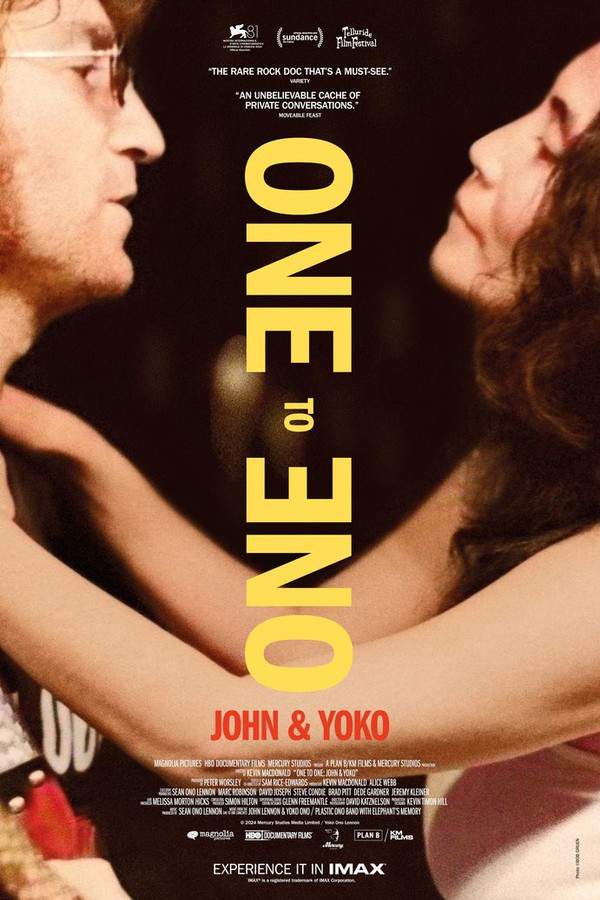
John meets Yoko Ono, who is married and has a daughter, and he brings her into the studio, which sows friction with the other members of the band. The band’s manager, Brian Epstein, dies of an accidental overdose of sleeping pills, intensifying the sense that the group’s internal balance is shifting. John also begins to develop a crush on Yoko, a feeling that will arc through the years with both collaboration and conflict.
In 1968, The Beatles and their partners travel to India for transcendental meditation with the Maharishi Mahesh Yogi. Upon returning, John invites Yoko to his house while their partners are away, and the two begin recording songs together, their relationship growing as they consummate it at dawn. They stage art exhibitions and plant acorns for peace, turning their romance into a public statement as their music evolves. John is arrested for possession of hashish, and Paul McCartney bails him out. Yoko miscarries John’s baby, a devastating setback that underscores the toll their union takes on their families. John, Yoko, Kyoko, and Julian are later hurt in a car accident, a moment that further entwines the couple’s fate with the broader story of the band. Paul McCartney marries Linda Eastman, and John marries Yoko in Gibraltar, with John starting to work more closely with Yoko’s Plastic Ono Band.
John and Yoko stage their famous Bed-Ins for Peace in Amsterdam and Montreal, drawing wide attention to their relationship and to their joint antiwar message. Meanwhile, Paul signs with his father-in-law Lee Eastman as manager, while [John Lennon], George Harrison, and Ringo Starr sign with Allen Klein, a shift that reshapes the band’s business dynamics and public perception. Yoko experiences another miscarriage, compounding the couple’s personal upheavals during this era. In 1970, The Beatles disband, and Yoko is widely blamed by the public for the breakup—an unfair burden that lingers in memory and history.
A year later, Yoko’s ex-husband Tony Cox refuses to let Yoko see their daughter Kyoko, breaching a joint custody arrangement. Yoko seizes Kyoko during a trip to Mallorca, Spain, and is charged with kidnapping in a dramatic custody battle. In 1971, John and Yoko emigrate to New York, where he records his acclaimed solo album Imagine. They are threatened with deportation, spied on, and their house is bugged, all of which fuels the sense of living under scrutiny.
Tony is jailed for denying access to Kyoko, and Yoko obtains full custody of Kyoko but does not always know where she is. The strain of public life intersects with personal decisions, and political tensions in the United States—such as Nixon’s 1972 re-election—fuel rocky moments: John drinks, has an affair, and Yoko expresses that she still loves him but that they need time apart. John travels to Los Angeles and begins an affair with May Pang.
Around this period, John and Harry Nilsson are seen together, and the two are tossed out of the Troubadour nightclub for drunkenly heckling The Smothers Brothers, highlighting both their talent and their trouble with the spotlight. In 1974, with Nixon’s resignation looming, Elton John collaborates on Lennon's song Whatever Gets You Through the Night for his Walls and Bridges album, and there’s a deal on the table for a Madison Square Garden performance if the single hits #1. When it does, Lennon joins Elton’s MSG concert in November and sings the track with him, a moment that reinforces their musical bond even as personal tensions simmer.
Afterward, John encounters Yoko backstage, and Elton reveals that he had known she was in the audience, a revelation that underscores the intertwined paths of fame and friendship. John and Yoko reunite, and on October 9, 1975, John’s 35th birthday, Yoko gives birth by Caesarean section to their son Sean. John learns that the deportation order against him has been overturned, a turning point that allows him to contemplate a future in which he might balance family life with his public persona.
John decides to retire from full-time touring to focus on raising Sean for the first five years of his life, while Yoko runs a business. Three years later, Julian visits John and shares a jam session with him and young Sean, a quiet reminder of the family’s continuing musical thread. Kyoko hopes to visit for Christmas, but it cannot happen, leaving Yoko with a quiet sadness that lingers in memory.
In 1980, John reflects on the wave of new-wave music and begins writing again for a new album. John and Yoko record Double Fantasy, followed by Milk and Honey. On December 8, after a recording session, John suggests they go on tour when the album is released, but Yoko prefers a quiet evening, and John chooses to go home to see Sean. When they arrive, John hears his name called and turns to see a man pointing a gun at him, a moment that ends his life.
Onscreen text later reads, "John Lennon died on December 8, 1980." The closing imagery contrasts the public figure with the intimate life he shared with Yoko Ono, culminating in a credits sequence that features the era’s cast and collaborators.