Year: 1969
Runtime: 24 mins
Language: English
School is out, and Charlie Brown, Linus, Schroeder and Pig Pen plan a quiet summer of comics, TV, ball games and classical music. Lucy surprises them by enrolling the gang in a camp. The girls are excited; the boys, feeling “drafted,” dully board the bus. At camp Charlie becomes captain of the boys’ side. The girls dominate the swim race, and the boys scrape a single run in softball, with the other contests similarly one‑sided. Later the boys gather around a campfire, lamenting their miserable day.
Warning: spoilers below!
Haven’t seen It Was a Short Summer, Charlie Brown yet? This summary contains major spoilers. Bookmark the page, watch the movie, and come back for the full breakdown. If you're ready, scroll on and relive the story!
Read the complete plot breakdown of It Was a Short Summer, Charlie Brown (1969), including all key story events, major twists, and the ending explained in detail. Discover what really happened, and what it all means.
As summer vacation kicks off, characters like Charlie Brown, Linus, Schroeder, and Pig-Pen are packed with excitement, eager to spend their days indulging in comic books, television, baseball, and classical music. Their plans are simple and carefree, reflecting classic childhood joys. However, their enthusiasm is quickly dashed when Lucy informs them that they have all been enrolled in summer camp. While the girls, including Lucy, Frieda, and Sally Brown, display eager anticipation for the adventure ahead, the boys, which include Charlie Brown, Linus, Schroeder, and Pig-Pen, are clearly less enthusiastic. They show their dismay by jostling one another as they line up to board the bus, contrasting sharply with the orderly and eager girls who stand in a neat line.
Upon arriving at camp, Charlie Brown is appointed as the captain of the boys' team, setting the stage for a series of friendly but competitive events. The campsport competitions begin with a swimming race, where the girls outpace the boys decisively, claiming an obvious victory. This is followed by a softball game in which the boys are thoroughly beaten, managing to score only a single run against the girls. As the competitions continue, the results remain quite one-sided, and the boys find themselves increasingly dispirited by their lack of success and mounting losses. Their morale takes a further hit as they realize how outmatched they are in these early contests.
In a moment that sparks some inspiration, Charlie Brown and Shermy watch Snoopy—the beloved dog character—engaged in an arm-wrestling match with the boys. Witnessing Snoopy's display of strength and determination motivates them to plan a comeback. They organize an arm-wrestling contest, with Snoopy—the "Masked Marvel"—representing the boys. Determined to prepare, Snoopy undergoes an intense training regimen, consuming a nasty-tasting camp meal, performing various exercises, and drinking a vile yet nutritious concoction. His efforts culminate in a dramatic match against Lucy, who takes on the role of the opponent.
The face-off between Snoopy and Lucy is tense and grueling, with both showing signs of fatigue as they sweat and struggle through the contest. The climax of the match features Snoopy kissing Lucy, which enables him to pin her hand and seemingly win. However, Lucy claims the kiss was a foul, and she declares herself the winner, leaving Snoopy momentarily disappointed but proud of his effort. The contest exemplifies the playful rivalry and camaraderie that runs through the camp activities.
As the new school year begins, Charlie Brown faces typical challenges of school life. He is required to write an essay on the first day, but after being caught playing hangman with Linus in class, his performance suffers. While Linus earns an A for his essay, Charlie Brown receives a modest C−. The difference sparks a bit of philosophical humor from Linus, who remarks, "Oh, well, it was a short summer, Charlie Brown," encapsulating the fleeting nature of their carefree days. Charlie Brown responds with a mix of resignation and humor, saying, "And it looks like it's going to be a long winter," highlighting the timeless theme of life's inevitable ups and downs.
Overall, this story captures the innocent fun, rivalry, and gentle humor that define childhood experiences, set against the backdrop of summer adventures and the transition back into school life. It emphasizes friendship, perseverance in the face of setbacks, and finding joy in simple challenges—values that resonate across generations.
Last updated: August 19, 2025 at 05:13
Explore frequently asked questions about It Was a Short Summer, Charlie Brown (1969) with spoiler-rich answers covering the full plot summary, major story beats, character motivations, hidden details, and ending meaning. This movie summary FAQ helps explain confusing scenes, plot twists, and narrative decisions in clear, searchable detail.
Lucy enrolled all the children in summer camp without consulting the boys first. The summary indicates she surprised them with this decision, bringing excitement to the girls but dismay to the boys. The motivation isn't explicitly explained in the story, Lucy simply announces they've all been enrolled, and the boys reluctantly go along with it.
Earlier, the boys had made elaborate plans for a lazy summer of comics and TV, making Lucy's surprise announcement even more disappointing.
The boys lost consistently because they were unenthusiastic and underprepared. Upon arriving at camp, the boys are noted as 'noticeably less enthusiastic' compared to the girls, who showed 'eager anticipation.' In the swimming race, the girls dominated decisively. In softball, the boys managed only a single run. Their lack of motivation and competitive spirit directly contributed to their losses.
The boys' reluctance when boarding the bus, jostling each other in contrast to the orderly girls, hinted at their disengaged attitude.
Snoopy used a clever trick to defeat Lucy. During the grueling arm-wrestling match, Snoopy kissed Lucy on the cheek. This unexpected move caused Lucy to flinch and relax her grip, allowing Snoopy to pin her hand down and seemingly win the match. The kiss was a playful distraction that exploited Lucy's surprise.
Earlier, Charlie Brown and Shermy watched Snoopy's strength in arm-wrestling matches with the boys, inspiring them to organize this contest.
Lucy claimed the kiss was a foul move, declaring herself the winner despite Snoopy pinning her hand. This reflects Lucy's competitive nature and her tendency to change the rules when she loses. The story presents this as a playful dispute rather than a serious controversy, with Snoopy feeling 'momentarily disappointed but proud of his effort.'
Linus's remark encapsulates the feeling that summer vacation flew by quickly. After spending time at camp and returning to school, the boys look back and realize their carefree summer seemed brief. It's a philosophical moment about how pleasant times pass swiftly, delivered with the gentle wisdom characteristic of Linus.
Charlie Brown received a C- because he was caught playing hangman with Linus in class instead of focusing on his assignment. On the first day of the new school year, the children were given an essay to write, but Charlie Brown and Linus were distracted by playing games. While Linus managed to earn an A despite the interruption, Charlie Brown's grade suffered from his lack of concentration.
The transition from the carefree summer back to school structure presented challenges for Charlie Brown, who struggled to readjust to academic responsibilities.
Snoopy kissed Lucy as a strategic move to win the arm-wrestling contest. The kiss surprised Lucy, causing her to flinch and relax her grip momentarily. This allowed Snoopy to push down her hand and pin it, securing what appeared to be victory. It was an unconventional but effective tactic that showcased Snoopy's creativity and determination to help the boys win.
Snoopy underwent intense training, eating nasty camp food, exercising, and drinking a vile concoction, showing his serious commitment to winning.
The boys were desperate for a victory after losing every previous competition, swimming, softball, and other contests, to the girls. Their morale was critically low, and they needed something to boost their spirits. When they saw Snoopy's strength in arm-wrestling matches with the boys, Charlie Brown and Shermy organized a formal contest, hoping Snoopy could represent them and finally win.
The boys' mounting losses left them 'increasingly dispirited,' creating the need for a comeback story.
Charlie Brown was appointed as captain simply because he was the natural leader figure among the boys in this story. The summary notes that upon arriving at camp, 'Charlie Brown is appointed as the captain of the boys' team,' setting the stage for the competitive events. As the main protagonist of the Peanuts franchise, Charlie Brown naturally took on this leadership role despite his typical lack of athletic success.
Charlie Brown's response to Linus reflects his characteristic pessimism and worry about the future. While Linus accepts that summer passed quickly, Charlie Brown anticipates difficulty ahead. The 'long winter' represents the challenges and hardships he expects to face, continuing the theme of his eternal optimism about bad outcomes. It's a classic Charlie Brown moment, finding something to worry about even in a simple observation.
The boys disliked camp because it interrupted their planned lazy summer. They had looked forward to spending vacation reading comic books, watching television, playing baseball, and listening to classical music, activities they considered ideal. Instead, they were forced into competitive camp activities where they consistently lost to the girls, leading to frustration and low morale.
The story opens with the boys' enthusiastic summer plans, making the abrupt change to camp feel like a punishment.
Discover curated groups of movies connected by mood, themes, and story style. Browse collections built around emotion, atmosphere, and narrative focus to easily find films that match what you feel like watching right now.
Stories capturing the simple joys and small sorrows of classic childhood summers.If you liked the innocent, nostalgic charm of It Was a Short Summer, Charlie Brown, you'll enjoy these movies. They capture the simple joys and gentle melancholy of childhood summers, filled with playful adventures and bittersweet reflections on growing up.
Stories in this thread follow a simple, episodic structure, often centered around a summer break or holiday. The narrative revolves around small-scale adventures, friendly rivalries, and learning gentle life lessons, culminating in a reflective ending that acknowledges the passage of time.
These movies are grouped by their shared ability to transport the viewer back to a simpler time. They share a light emotional weight, a whimsical or innocent tone, and a focus on the universal experiences of childhood that create a cozy, nostalgic feeling.
Whimsical animated stories where the biggest problems are solved with friendship and humor.Fans of the gentle humor and friendly competition in It Was a Short Summer, Charlie Brown will love these similar animated movies. Discover other family-friendly stories with straightforward plots, lovable characters, and a focus on simple, heartfelt adventures.
The plot is typically straightforward, focusing on a singular event or goal—like a summer camp or a friendly contest. Conflict arises from friendly rivalry or minor misunderstandings, which are resolved through teamwork and good humor, leaving characters with a sense of camaraderie.
These films share a specific combination of animation, light tone, and low-intensity narratives. They create a cohesive vibe of warmth and innocence, making them perfect for viewers seeking comforting stories without heavy drama or complex plots.
Don't stop at just watching - explore It Was a Short Summer, Charlie Brown in full detail. From the complete plot summary and scene-by-scene timeline to character breakdowns, thematic analysis, and a deep dive into the ending - every page helps you truly understand what It Was a Short Summer, Charlie Brown is all about. Plus, discover what's next after the movie.
Track the full timeline of It Was a Short Summer, Charlie Brown with every major event arranged chronologically. Perfect for decoding non-linear storytelling, flashbacks, or parallel narratives with a clear scene-by-scene breakdown.
Discover the characters, locations, and core themes that shape It Was a Short Summer, Charlie Brown. Get insights into symbolic elements, setting significance, and deeper narrative meaning - ideal for thematic analysis and movie breakdowns.
Discover movies like It Was a Short Summer, Charlie Brown that share similar genres, themes, and storytelling elements. Whether you’re drawn to the atmosphere, character arcs, or plot structure, these curated recommendations will help you explore more films you’ll love.
It Was a Short Summer, Charlie Brown (1969) Scene-by-Scene Movie Timeline
It Was a Short Summer, Charlie Brown (1969) Movie Characters, Themes & Settings
It Was a Short Summer, Charlie Brown (1969) Spoiler-Free Summary & Key Flow
Movies Like It Was a Short Summer, Charlie Brown – Similar Titles You’ll Enjoy
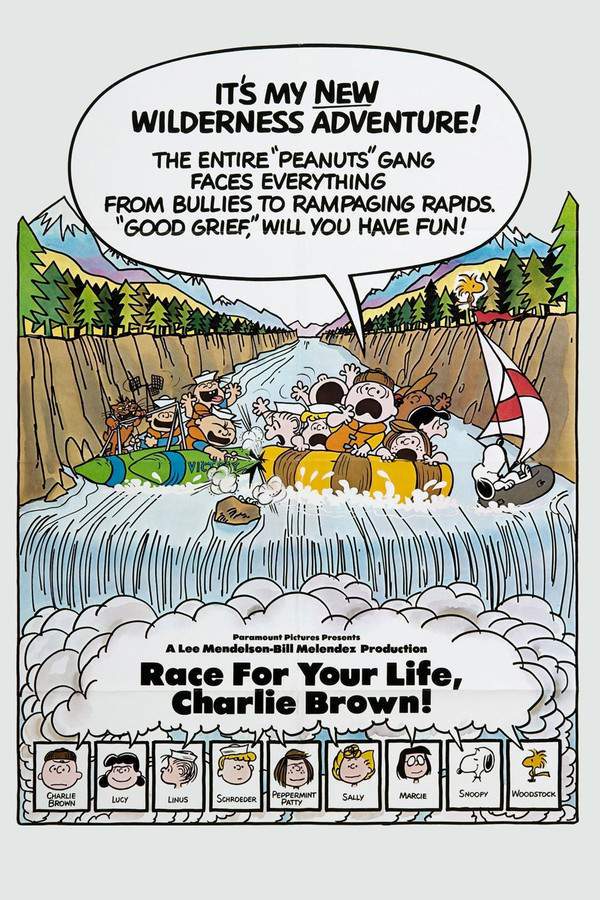
Race for Your Life, Charlie Brown (1977) Movie Recap & Themes
It’s the Pied Piper, Charlie Brown (2000) Movie Recap & Themes
It’s Magic, Charlie Brown (1981) Movie Recap & Themes
You’re a Good Man, Charlie Brown (1985) Story Summary & Characters
A Charlie Brown Celebration (1982) Movie Recap & Themes
This Is America, Charlie Brown (1000) Detailed Story Recap
Is This Goodbye, Charlie Brown? (1983) Spoiler-Packed Plot Recap
It’s an Adventure, Charlie Brown (1983) Detailed Story Recap
It’s an Adventure, Charlie Brown (1983) Full Movie Breakdown
He’s Your Dog, Charlie Brown (1968) Spoiler-Packed Plot Recap
A Charlie Brown Christmas (1965) Plot Summary & Ending Explained
Charlie Brown’s All-Stars! (1966) Spoiler-Packed Plot Recap
It’s Arbor Day, Charlie Brown (1976) Spoiler-Packed Plot Recap
A Boy Named Charlie Brown (1969) Full Summary & Key Details
You’re in Love, Charlie Brown (1967) Film Overview & Timeline