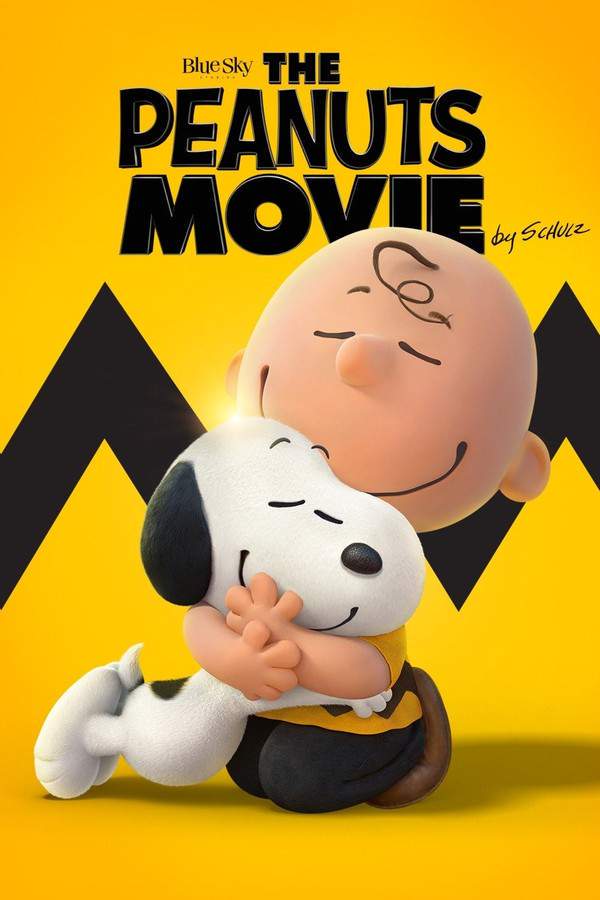
Year: 1969
Runtime: 86 mins
Language: English
Charlie Brown and the Peanuts gang finally make their big‑screen debut. He can’t fly a kite, constantly loses at baseball and endures Lucy’s constant teasing that projects his insecurities onto a movie screen. Ignoring the girls’ taunts, he bravely enters the class spelling bee, surprises everyone and clinches the victory to his delight.
Find where to stream, rent, or buy A Boy Named Charlie Brown (1969) in the US with current JustWatch availability, up-to-date pricing, and platform listings for subscription, rental, and digital purchase options.
Warning: spoilers below!
Haven’t seen A Boy Named Charlie Brown yet? This summary contains major spoilers. Bookmark the page, watch the movie, and come back for the full breakdown. If you're ready, scroll on and relive the story!
Read the complete plot breakdown of A Boy Named Charlie Brown (1969), including all key story events, major twists, and the ending explained in detail. Discover what really happened, and what it all means.
After a crushing defeat in the season’s opening league game, Charlie Brown sinks into despondency, convinced that success will forever elude him. On his way to school, Lucy Van Pelt ridicules him, poking fun at the idea that he could amount to anything in a spelling bee. Yet Linus Van Pelt remains the steady voice of optimism, insisting he give the contest a try despite the taunts from Violet and Patty. The moment carries a quiet, stubborn energy as a simple dare becomes a turning point for a boy who measures every small effort against a mountain of self-doubt.
Summoning his courage, Charlie Brown enters the spelling bee and, to the astonishment of everyone, edges out his classmates. In a joyful moment of teamwork, he and Linus reinforce their learning with a mnemonic, singing the rule I Before E as Snoopy provides musical accompaniment on a Jew’s harp. The classroom becomes a sanctuary of focus and support, and the crowd outside the room feels a shared heartbeat as he finds his footing under mounting pressure. The tense spell with the word perceive tests his nerves, but a timely cue from Snoopy’s tune helps him steady himself and push through to a win that sparks a chorus of quiet pride among his friends.
Lucy, now adopting the role of self-appointed agent for Charlie Brown, announces that his victory qualifies him for the National Spelling Bee in New York City, reigniting his old insecurities just as the stakes soar. As he boards a bus for the national competition, Linus lends him his cherished security blanket for luck—a gesture that reveals how deeply these small comforts anchor their friendship. The farewell scene among the kids is a mix of encouragement and nervous anticipation, a rare moment where the usual ridicule is tempered by genuine warmth for a boy who has finally tasted a taste of triumph.
The journey to New York intensifies the emotional stakes. Linus realizes that the blanket’s absence leaves Charlie Brown unsettled, and a determined search ensues as they head to a hotel where Charlie Brown rests, exhausted from relentless study. The two search frantically, and when Linus returns, he discovers—to his dismay—that Charlie Brown, unaware of the blanket’s importance, has turned the blanket into a makeshift shoe-shining cloth. The mix of disappointment and comic irony underscores how a simple object has become a touchstone for a boy’s sense of security and belonging.
The day of the National Spelling Bee arrives, with Linus and Snoopy in the audience while the rest of the class watches from home. One contestant after another falls away until only Charlie Brown and one other remain. He finds a surprising well of confidence, spelling several words correctly and once again buoying the nerves of his friends. Yet tragedy strikes in a cruel twist of fate when he misspells “beagle” as B–E–A–G–E–L, a reminder of his close connection to Snoopy and the very thing he could not quite master under pressure. Lucy shuts off the television in frustration, a sign of the sting of failure cutting through the celebration.
Returning home as the national runner-up, Charlie Brown is crushed and retreats into his room for the day. Linus visits and reminds him that the rest of the world has moved forward—the other kids have even won their first baseball game—an observation that lands with quiet truth. Rather than accepting despair, Charlie Brown lets Linus’s sober perspective sink in and decides to step back into the world, dressing and stepping outside. As normalcy returns, he quietly ambles toward Lucy, who is preparing to kick the football. He makes to take his usual shot, but she instinctively pulls it away yet again, this time with a gentler edge. Rather than scolding him, she greets him with a familiar warmth, a subtle acknowledgment of his resilience and the shared routine that keeps them all connected.
Last updated: October 09, 2025 at 11:01
Explore frequently asked questions about A Boy Named Charlie Brown (1969) with spoiler-rich answers covering the full plot summary, major story beats, character motivations, hidden details, and ending meaning. This movie summary FAQ helps explain confusing scenes, plot twists, and narrative decisions in clear, searchable detail.
Charlie Brown decides to enter the spelling bee after Linus encourages him to try, despite Lucy mocking him about the idea. The motivation comes from a quiet, stubborn energy, a dare that represents a turning point for a boy who measures every small effort against a mountain of self-doubt. It's a moment where he chooses to confront his fears rather than let the taunts define him.
Earlier, Lucy ridicules him on his way to school about the spelling bee, planting the seed of the challenge.
Charlie Brown wins by practicing with Linus using a mnemonic technique, repeating the rule 'I Before E', while Snoopy provides musical accompaniment on a Jew's harp. This quirky study session builds his confidence. During the actual competition, he draws on this preparation and manages to spell difficult words correctly, including the tricky word 'perceive,' with a timely cue from Snoopy's tune helping him steady his nerves.
The mnemonic practice scene establishes the 'I Before E' rule as crucial to his preparation.
Linus lends Charlie Brown his cherished security blanket as a gesture of good luck before the National Spelling Bee. The act reveals how deeply the small comforts of friendship matter to Linus, and it underscores Charlie Brown's vulnerability and need for emotional support. The blanket represents trust and the bond between the two friends, Linus is willing to part with something deeply personal to help Charlie Brown succeed.
The blanket's significance is established earlier as Linus's most prized possession.
When Linus travels to New York to retrieve his blanket, he discovers that Charlie Brown, unaware of its importance, has used it as a makeshift shoe-shining cloth. Linus is horrified that the blanket's significance has been lost in the rush of competition preparation. The moment highlights how the pressure of the national competition has created emotional distance between the friends and the unintended consequences of well-intentioned gestures.
Linus's decision to lend the blanket sets up the ironic misunderstanding.
Charlie Brown misspells 'beagle' as B-E-A-G-E-L at the National Spelling Bee, a cruel irony given that his best friend Snoopy is a beagle. The mistake appears to stem from the pressure of the moment combined with his deep connection to Snoopy, the very thing he could not quite master under pressure. This near-miss costs him the championship and adds a layer of poignant symbolism to his loss.
Snoopy has been his companion throughout the journey, providing musical cues and moral support.
When Linus tells Charlie Brown that the world has moved on, he means that life continues regardless of his loss. The other kids have already won their first baseball game, and the grief Charlie Brown feels is personal rather than shared. Linus delivers this blunt truth not to be cruel, but to help Charlie Brown recognize that his setback doesn't define reality for everyone else, it only defines his own perspective.
Earlier, Lucy shuts off the TV in frustration when Charlie Brown loses, showing others' quick dismissal.
Lucy pulls the football away at the end in the familiar tradition established throughout the Peanuts series, she has always yanked the ball away at the last moment whenever Charlie Brown attempts to kick it. However, this time there's a subtle difference: she greets him with a familiar warmth rather than scolding him. The gesture remains the same, but the tone hints at acknowledgment of his resilience and the shared routine that keeps their friendship intact despite her usual teasing.
Lucy's football trick has been a recurring motif throughout the Peanuts franchise.
Charlie Brown becomes the national runner-up because he misspells 'beagle' as B-E-A-G-E-L in the final round of the National Spelling Bee. Before that moment, he had been performing exceptionally well, spelling several words correctly and briefly gaining the lead. The mistake on a word connected to Snoopy, the character closest to his heart, makes his loss particularly poignant and thematically resonant.
His strong performance throughout the competition builds hope before the final blow.
Snoopy helps Charlie Brown during the spelling bee in two key ways: first, by providing musical accompaniment on a Jew's harp during the mnemonic practice sessions with Linus, and second, by offering a timely tune during the school championship that helps steady Charlie Brown's nerves when he faces the difficult word 'perceive.' His presence serves as a calming anchor during moments of pressure.
Snoopy's musical role during practice directly translates to competition support.
Lucy takes on the role of self-appointed agent for Charlie Brown after his school victory, announcing that his win qualifies him for the National Spelling Bee in New York City. This shifts her dynamic with Charlie Brown from teaser to manager, though her announcement simultaneously reignites his old insecurities about high expectations. The change shows Lucy's capacity for support beneath her usual teasing nature.
Lucy's earlier mockery transforms into involvement after Charlie Brown's unexpected success.
Discover curated groups of movies connected by mood, themes, and story style. Browse collections built around emotion, atmosphere, and narrative focus to easily find films that match what you feel like watching right now.
Quiet stories about kids navigating insecurity and finding small moments of courage.If you liked the gentle portrayal of Charlie Brown's insecurities, you'll enjoy these movies. This collection features similar stories about children facing everyday challenges, finding small bits of courage, and navigating friendships. They share a light emotional weight and a bittersweet, hopeful tone.
Narratives in this thread typically follow a linear, straightforward path centered on a child's emotional arc. The central conflict is often internal—a struggle with inadequacy or fear—manifesting in external events like competitions or social challenges. The journey involves small triumphs and setbacks, leading to an ending that acknowledges growth while accepting life's gentle imperfections.
These films are grouped together because they share a specific, gentle mood. They capture the world from a child's perspective, treating their anxieties with respect and warmth. The tone is consistently bittersweet or hopeful, the pacing is steady, and the emotional impact is light, making them comforting and relatable viewings.
Animated stories that balance heartwarming moments with a touch of poignant realism.Fans of A Boy Named Charlie Brown often seek other animated films with a similar bittersweet tone. This list features movies that mix gentle humor and heartwarming moments with a poignant, realistic edge. They are perfect for viewers who appreciate animation that acknowledges life's quieter, more complex emotions.
The narrative pattern involves characters striving for success or acceptance, experiencing a brief victory or moment of joy, but ultimately facing a setback or returning to a nuanced normalcy. The emotional journey is central, emphasizing character depth over complex plotting. The endings provide comfort and closure but avoid simplistic, happily-ever-after resolutions.
These movies are united by a distinct tonal blend. The primary connector is the bittersweet emotional core, often supported by a steady pace and low-to-medium intensity. They use the animation medium not just for escapism but to tenderly explore relatable human feelings like insecurity and resilience, creating a uniquely comforting experience.
Don't stop at just watching - explore A Boy Named Charlie Brown in full detail. From the complete plot summary and scene-by-scene timeline to character breakdowns, thematic analysis, and a deep dive into the ending - every page helps you truly understand what A Boy Named Charlie Brown is all about. Plus, discover what's next after the movie.
Track the full timeline of A Boy Named Charlie Brown with every major event arranged chronologically. Perfect for decoding non-linear storytelling, flashbacks, or parallel narratives with a clear scene-by-scene breakdown.
Discover the characters, locations, and core themes that shape A Boy Named Charlie Brown. Get insights into symbolic elements, setting significance, and deeper narrative meaning - ideal for thematic analysis and movie breakdowns.
Discover movies like A Boy Named Charlie Brown that share similar genres, themes, and storytelling elements. Whether you’re drawn to the atmosphere, character arcs, or plot structure, these curated recommendations will help you explore more films you’ll love.
A Boy Named Charlie Brown (1969) Scene-by-Scene Movie Timeline
A Boy Named Charlie Brown (1969) Movie Characters, Themes & Settings
A Boy Named Charlie Brown (1969) Spoiler-Free Summary & Key Flow
Movies Like A Boy Named Charlie Brown – Similar Titles You’ll Enjoy
The Peanuts Movie (2015) Ending Explained & Film Insights
Charlie Brown’s Christmas Tales (2002) Full Movie Breakdown
A Charlie Brown Valentine (2002) Full Movie Breakdown
You’re a Good Man, Charlie Brown (1985) Complete Plot Breakdown
Happy New Year, Charlie Brown (1986) Complete Plot Breakdown
A Charlie Brown Celebration (1982) Plot Summary & Ending Explained
This Is America, Charlie Brown (1000) Full Movie Breakdown
It’s an Adventure, Charlie Brown (1983) Story Summary & Characters
He’s Your Dog, Charlie Brown (1968) Complete Plot Breakdown
A Charlie Brown Christmas (1965) Story Summary & Characters
Play It Again, Charlie Brown (1971) Full Movie Breakdown
Charlie Brown’s All-Stars! (1966) Full Summary & Key Details
You’re in Love, Charlie Brown (1967) Ending Explained & Film Insights
It’s Christmastime Again, Charlie Brown (1992) Spoiler-Packed Plot Recap
You’re in the Super Bowl, Charlie Brown! (1994) Story Summary & Characters