Plot Explained Spoilers guaranteed!
Plot Explained

Browse by genre

Illustrious Corpses (1976) movie poster

Timeline

Illustrious Corpses (1976) Timeline Explained – Every Event in Order

Release, runtime and language
1976 · 121 mins · Italian
Directed by
Francesco Rosi
Starring
Fernando Rey, Marcel Bozzuffi, Charles Vanel, Luigi Pistilli, Renato Salvatori, Max von Sydow

A detective is assigned to investigate the mysterious murders of some Supreme Court judges.

On this page (5)
  1. 1 Events in order (14)
  2. 2 Timeline questions answered
  3. 3 Movie threads
  4. 4 Movies like Illustrious Corpses
  5. 5 Every angle

14 events in order · contains spoilers

Illustrious Corpses Timeline: Events in Chronological Order

Every key event of Illustrious Corpses (1976) in order, scene by scene, with when and where it takes place. Use it to untangle flashbacks, time jumps and parallel storylines, to refresh your memory before the sequel or to find the exact scene you are thinking of.

  1. Vargas murdered in Palermo amid protests

    The film opens with the murder of Investigating Judge Vargas in Palermo, as demonstrations flare around a climate of political tension. The city is polarized between the Left and the Christian Democratic government, creating a charged backdrop for the investigation. Inspector Rogas is promptly assigned to the case and begins to gather initial clues.

    When
    Opening
    Where
    Palermo
  2. Rogas takes charge and probes initial clues

    Inspector Rogas is tasked with solving Vargas's murder and begins his initial probe. As he starts, two more judges are killed, heightening the sense of a broader conspiracy. The cases suggest corruption and influence at the highest levels.

    When
    Early investigation
    Where
    Palermo Police HQ
  3. Pattern of murders linked by shared work on cases

    The victims had all worked together on several cases, signaling a pattern rather than isolated crimes. Rogas begins to suspect institutional corruption and political interference. The investigation tightens around the judiciary and government ties.

    Where
    Palermo
  4. Uncovered corruption and official warning

    Rogas uncovers evidence of corruption surrounding three government officials tied to the murders. His superiors counsel him not to chase gossip and to focus on a so-called 'crazy lunatic' instead. The pressure shows how politics can steer a murder investigation.

    When
    Mid-early
    Where
    Police HQ
  5. Cres identified as a suspect; disappears and erases his image

    Rogas identifies Cres, a pharmacist previously convicted of poisoning his wife, as the likely suspect. Cres vanishes and all photographs of him are cut from public records, signaling a deliberate effort to erase him. The search for Cres intensifies as the truth remains elusive.

    When
    Mid
    Where
    Cres's house
  6. A fourth judge is killed; Rogas meets Cusan

    A fourth investigating judge is murdered, increasing the danger surrounding the case. Rogas runs into Cusan, a schoolmate who writes for a far-left newspaper and respects Rogas's commitment to investigation. The personal and political lines blur as tensions rise.

    When
    Mid
    Where
    Street near crime scene
  7. Fifth murder outside Justice Building; conflicting testimonies

    A fifth murder occurs in front of the Justice Building. The policeman and a prostitute give conflicting narratives about two young revolutionaries and a car fleeing the scene, suggesting manipulation and the masking of motives. The case grows more contentious and murky.

    When
    Mid
    Where
    Justice Building, Palermo
  8. Rogas demoted to the political division

    Rogas is demoted and reassigned to help pin the crimes on revolutionary Leftist groups. This shift illustrates how investigations are increasingly filtered through political agendas rather than evidence alone. Rogas braces for a tougher, more constrained pursuit of truth.

    When
    Mid-late
    Where
    Police HQ
  9. Warning to Riches; philosophy of justice discussed

    Rogas seeks out Riches, the President of the Supreme Court, to warn him that he might be targeted next. Riches offers a stark philosophy of justice, claiming the court is incapable of error by definition. The exchange foreshadows how legal structures can be used to shield political power.

    When
    Mid-late
    Where
    Supreme Court building
  10. Pattos party gathering; Cres spotted

    At a party hosted by Pattos, Rogas sees Cres but the suspect vanishes again. The gathering involves high-ranking government and Left figures, underscoring the collision of politics and justice. Cres's presence hints at deeper links between the murders and political maneuvering.

    When
    Mid-late
    Where
    Pattos's building
  11. Bugging the Chief of Police; recording reveals pressure

    Rogas arranges to bug the Chief of Police's office to uncover hidden influences. A subsequent recording reveals officials telling the anonymous listener to 'take it easy on the judges' while Rogas's investigation continues. The conspiracy extends into the very heart of law enforcement.

    When
    Mid-late
    Where
    Chief of Police's office
  12. Cres's role and Amar's planned contact

    Rogas theorizes Cres carried out the early murders to justify a crackdown on leftist groups. He arranges a contact with Amar, the Communist Party's Secretary-General, and Cusan proposes the plan; Riches secretly records the conversation. The stage is set for a pivotal intersection of justice, politics, and propaganda.

    When
    Late
    Where
    Rogas's location / museum
  13. Riches is shot after overhearing the conversation

    Riches, who overheard the Amar–Rogas–Cusan conversation, is shot like the other judges. The assassination underscores the reach of the conspiracy and the peril facing those who pursue truth. The legal establishment is enveloped in fear and silence.

    When
    Late
    Where
    Supreme Court area
  14. Amar and Rogas killed; official version and ending

    Rogas and Amar are killed during a museum meeting, marking a dramatic culmination of the plot. The Chief of Police later issues a statement blaming Amar's death on a mentally unstable Rogas and claims Rogas himself committed suicide. In the final scene, Cusan discusses with the Communist Party vice-secretary, who says the party will accept the government's version to avoid open conflict, declaring that truth is not always revolutionary.

    When
    Ending
    Where
    Museum / Police HQ

Last updated: October 09, 2025 at 10:51

Was this helpful?

Timeline questions answered

Illustrious Corpses Timeline Explained: Your Questions Answered

When does it happen, and why in that order? The questions people ask about the chronology of Illustrious Corpses (1976): time jumps, flashbacks, cause and effect between scenes and the correct order of events, each answered with spoilers.

Q1

Why were the judges murdered in the film?

The judge murders were part of a calculated political conspiracy. Rogas discovers that the early killings were designed to create justification for a crackdown on leftist groups. The police and political establishment wanted to pin the murders on revolutionary leftists to strengthen their political position, rather than investigating the actual truth behind the crimes.

Foreshadowing: Earlier in the investigation, Rogas's superiors urge him to abandon rumors and chase a 'crazy lunatic' instead of following the corruption trail.

  • judge murders
  • conspiracy
  • political motive
  • leftists
  • frame-up
Q2

Why was Inspector Rogas demoted?

Rogas was demoted and reassigned to the political division because he was getting too close to uncovering the truth. His superiors wanted him to help pin the murders on revolutionary leftist groups rather than continue investigating the actual conspiracy involving judges and government officials. The demotion was a deliberate attempt to shut down his investigation.

Foreshadowing: The pressure on Rogas intensifies after he discovers the wiretap recording of officials telling someone to 'take it easy on the judges.'

  • Rogas demotion
  • political pressure
  • investigation shut down
  • leftist frame-up
Q3

Who was Cres and why was he framed?

Cres was a pharmacist who had been wrongfully convicted of poisoning his wife. Rogas identifies him as the likely suspect in the judge murders, believing Cres was framed by the same judicial system that wrongfully convicted him. Cres vanished completely, and his photographs were deliberately defaced with faces cut out, suggesting someone powerful was erasing his existence.

Foreshadowing: The three murdered judges had all collaborated on cases, including Cres's wrongful conviction.

  • Cres
  • pharmacist
  • wrongful conviction
  • framed
  • disappeared
Q4

How did Amar and Rogas die at the museum?

Rogas met Amar, the Communist Party's Secretary-General, in a museum to expose the political manipulation behind the killings. During this meeting, both men were killed in a sudden, brutal confrontation. The Chief of Police then issued a statement blaming Amar's death on a mentally unstable Rogas and claiming Rogas committed suicide afterward, completely falsifying the official narrative.

Foreshadowing: Riches had been listening in on Rogas's conversation with Cusan about contacting Amar, and that conversation would have fatal consequences.

  • Amar death
  • Rogas death
  • museum
  • police cover-up
  • official narrative
Q5

Why was Rogas warned that his phone was tapped?

Rogas discovers his own phone line has been tapped, confirming that someone high in the police or government is monitoring his investigation. This discovery forces him to become more careful about whom he trusts and how he communicates, pushing him to arrange covert meetings with allies like Cusan and Amar outside official channels.

Foreshadowing: Earlier, Rogas had a colleague wiretap the Chief of Police's office, revealing the instruction to 'take it easy on the judges.'

  • phone tap
  • surveillance
  • Rogas
  • investigation
  • conspiracy
Q6

Who was Riches and what happened to him?

Riches was the President of the Supreme Court and the highest judicial figure in the city. Rogas warned him that he might be next in the killers' crosshairs. Riches believed the court was incapable of error by definition, reflecting the arrogance of judicial power. He was later shot after secretly overhearing the conversation between Rogas, Cusan, and Amar about exposing the conspiracy.

Foreshadowing: Riches told Rogas about his philosophy of justice, claiming the court cannot err, foreshadowing his own downfall.

  • Riches
  • Supreme Court President
  • judge killed
  • judicial corruption
Q7

Why do the eyewitness testimonies about the fifth murder conflict?

After the fifth murder outside the Justice Building, a policeman and a prostitute both claim to have seen two young revolutionaries flee the scene and a car speeding away. However, their testimonies diverge on the car's direction. This contradiction suggests the testimonies were manipulated or coached to support the narrative that leftist revolutionaries were responsible, when in fact the killings were orchestrated by powerful political interests.

Foreshadowing: The conflicting testimonies occur as Rogas is being pushed to pin the murders on leftist groups.

  • eyewitness
  • conflicting testimony
  • fifth murder
  • manipulation
  • Justice Building
Q8

What does the ending quote 'truth is not always revolutionary' mean?

In the final scene, Cusan presses the Communist Party's vice-secretary about whether the party will expose the government's lies. The vice-secretary replies that the party will accept the government's version to avoid open conflict, stating 'truth is not always revolutionary.' This means that sometimes the political cost of revealing truth outweighs the benefit, power structures may suppress uncomfortable facts to maintain stability, even when the truth would serve a revolutionary cause.

Foreshadowing: The entire film builds toward this theme: Rogas sacrifices his life pursuing truth, only for it to be buried for political convenience.

  • truth
  • revolutionary
  • ending
  • politics
  • power
  • sacrifice
Q9

Why did the three murdered judges all work together on previous cases?

The three murdered judges, Vargas first, then two others, had all collaborated on several cases in the past. This connection suggests the killings were not random but targeted, related to specific decisions they made together. Their combined history points to a motive beyond simple murder: eliminating judges who had made rulings or decisions that someone powerful wanted buried or reversed.

Foreshadowing: This pattern is what first leads Rogas to suspect a conspiracy rather than isolated crimes.

  • judges
  • collaboration
  • cases
  • conspiracy
  • motive
Q10

What did the wiretap recording reveal about the Chief of Police?

Rogas arranged to bug the Chief of Police's office, and the recording captured a chilling instruction to 'take it easy on the judges.' This revealed that someone at the highest levels of law enforcement was directly influencing the investigation, telling operatives to go easy on the very judges being murdered. This confirmed Rogas's suspicion that the conspiracy extended into the heart of the police force itself.

Foreshadowing: The recording came after Rogas's superiors warned him not to chase gossip about corruption.

  • wiretap
  • Chief of Police
  • recording
  • corruption
  • judges
Q11

What was the political tension in Palermo during the film?

Palermo was gripped by intense political conflict between the Left and the Christian Democratic government. The city experienced demonstrations, strikes, and street clashes. This polarized atmosphere provided the backdrop for the judge murders, as both sides sought to use the killings to their political advantage, the government to discredit leftists, and the Left to expose government corruption.

Foreshadowing: The opening scene establishes this tension through protests and demonstrations occurring simultaneously with Judge Vargas's murder.

  • Palermo
  • political tension
  • Left
  • Christian Democrats
  • protests
  • strikes
Q12

Why did Rogas attend Pattos's party and what did he discover?

At a party in a courthouse salon, Rogas observed the intertwined world of power: the Minister of Justice mingling with prominent Left figures and the editor of a revolutionary newspaper that Cusan edited. He also spotted Cres, the missing pharmacist, but Cres vanished again before Rogas could confront him. The party revealed the complex, often collusive relationship between government officials and political opponents, all while a larger conspiracy unfolded.

Foreshadowing: Earlier, Rogas had identified Cres as the likely suspect in the murders.

  • Pattos party
  • Cres spotted
  • Minister of Justice
  • political maneuvering
Q13

How was Riches killed after overhearing the conversation?

Riches, the Supreme Court President, secretly listened in on the conversation between Rogas, Cusan, and Amar about exposing the manipulation behind the killings. After overhearing this plot to reveal the truth, Riches was shot, like the other judges. His assassination demonstrated that the conspiracy had reach into the highest levels of the judiciary and would eliminate anyone who threaten to expose the truth.

Foreshadowing: Rogas had warned Riches that he might be next in the killers' crosshairs.

  • Riches killed
  • overheard conversation
  • assassination
  • conspiracy

Movie threads

More Movies Like Illustrious Corpses, by Mood & Story

Curated lists built around what makes Illustrious Corpses tick: the same mood, the same kind of story or the same emotional payoff. Each list explains why these movies belong together.

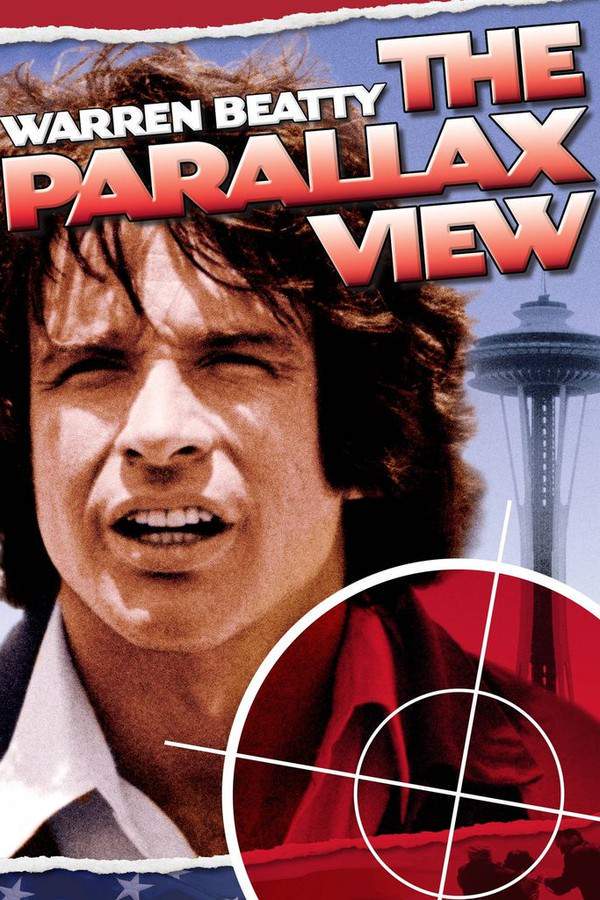
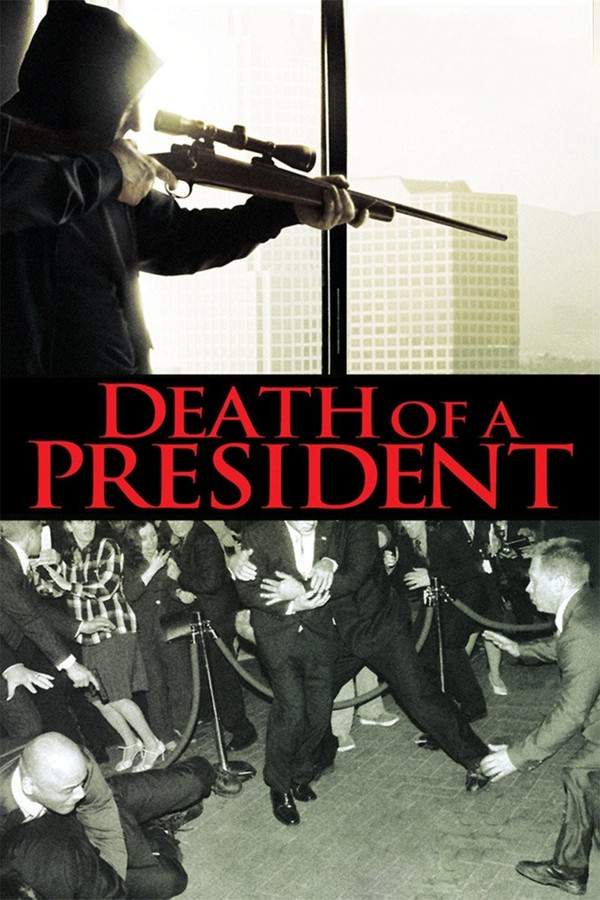
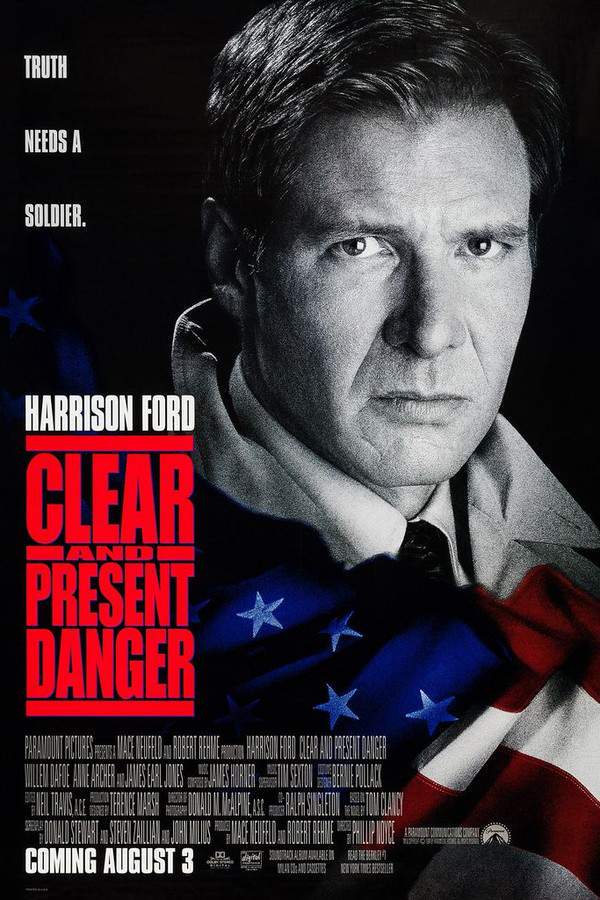
Movies where investigators are crushed by conspiracy like Illustrious Corpses

A lone protagonist's search for truth is systematically dismantled by a powerful system. If you liked the tense, oppressive feel of Illustrious Corpses, this list features similar thrillers and dramas. Discover movies like Illustrious Corpses where a lone protagonist's investigation leads them into a web of power they cannot untangle, resulting in a bleak and emotionally heavy viewing experience.

  • paranoid
  • oppressive
  • claustrophobic
  • somber
  • conspiratorial
  • anxious
  • Tone: tense, bleak, paranoid
  • Pacing: steady, methodical
Why these movies?

The story pattern: Stories in this thread follow a protagonist, often a detective, journalist, or official, who begins a methodical investigation. As they get closer to the truth, they encounter increasing resistance from a monolithic, corrupt system that isolates and neutralizes them. The narrative arc is typically one of gradual disillusionment and defeat, rather than triumph.

Why they belong together: These films are grouped together because they share a core narrative of a futile quest against overwhelming power. They create a cohesive experience through their tense tone, bleak endings, and the heavy emotional weight of watching a character's integrity be systematically destroyed by an unassailable system.

Paranoid political thrillers with a tense mood like Illustrious Corpses

Stories where the institutions of power are the source of claustrophobic dread. Fans of the gloomy, anxious atmosphere of Illustrious Corpses will find more tense thrillers here. Explore movies like Illustrious Corpses that delve into deep state conspiracies, political corruption, and bureaucratic manipulation, creating a deeply unsettling and claustrophobic vibe where no one can be trusted.

  • paranoid
  • conspiratorial
  • claustrophobic
  • anxious
  • oppressive
  • gloomy
  • Tone: tense, gloomy, anxious
  • Pacing: steady, deliberate
Why these movies?

The story pattern: The narrative pattern involves an ordinary person or official stumbling upon evidence of systemic corruption. As they dig deeper, they find that the very structures meant to protect society are actively working against them. The plot unfolds through a series of reveals that heighten the protagonist's (and viewer's) paranoia, often culminating in a stark lesson about the nature of power.

Why they belong together: These movies are united by their core vibe: a pervasive sense of paranoia and institutional distrust. They share a tense, gloomy tone, a steady pacing that builds dread, and a focus on themes like surveillance, assassination, and the sacrifice of truth for political stability, resulting in a coherently anxious viewing experience.

If you liked this

Movies Like Illustrious Corpses

Similar movies to Illustrious Corpses: the same genre, themes or kind of story. Each one comes with its own plot summary, timeline and ending explained.

Browse all movie summaries

Every angle

Illustrious Corpses (1976) Explained: Plot, Timeline & Characters

Everything about Illustrious Corpses in one place: what happens in the plot summary, the timeline in chronological order, the characters and meaning and a spoiler-free summary. What's After the Movie adds the cast, box office and post-credit scenes.

Coming soon on iOS and Android

The Plot Explained Movie Summary App

Plot summaries, endings explained and timelines on your phone. Catch up on any movie in minutes, save your favorites and never miss a twist again.

Be the first to know when we launch. Your email stays private, always.

Learn more about the app