If You Were Young: Rage

If You Were Young: Rage

Year: 1970

Runtime: 89 mins

Language: Japanese

Director: Kinji Fukasaku

Drama

If You Were Young: Rage examines the underside of post‑war Japan’s boom, following three aimless youths who band together to save for a dump‑truck and become independent contractors. Their dream unravels as one lands in jail, another faces police brutality, and the third starts a family. Director Kinji Fukasaku blends French New Wave’s freewheeling energy with the detached cool of American noir, creating an early‑career masterpiece about ambition and hardship.

Warning: spoilers below!

Haven’t seen If You Were Young: Rage yet? This summary contains major spoilers. Bookmark the page, watch the movie, and come back for the full breakdown. If you're ready, scroll on and relive the story!

Timeline & Setting – If You Were Young: Rage (1970)

Explore the full timeline and setting of If You Were Young: Rage (1970). Follow every major event in chronological order and see how the environment shapes the story, characters, and dramatic tension.

Time period

Location

Japan, industrial city

Set in a Japanese industrial town, the story centers on a factory, a men's dormitory, and a later rough coastal area where a dump truck route operates. It portrays the daily grind of workers facing layoffs, debt, and the lure of small, risky independence. The landscape shifts from factory floors to the road and, finally, to a seaside wreck, underscoring the limits of their ambitions.

🏭 Industrial 🚢 Coastal 🏙️ Urban

Last updated: October 05, 2025 at 08:40

Was this helpful?

Main Characters – If You Were Young: Rage (1970)

Meet the key characters of If You Were Young: Rage (1970), with detailed profiles, motivations, and roles in the plot. Understand their emotional journeys and what they reveal about the film’s deeper themes.

Asao Suzuki (Gin Maeda)

A long-time factory worker who spearheads the plan to buy their own truck with his friend. He embodies practical determination and stubborn persistence, yet his choices are repeatedly tested by debt, obligation to friends, and the relentless pressures of their environment. His arc moves from optimism about independence to imprisonment, reflecting the harsh costs of their dreams.

💪 Determined 🚚 Ambitious 🧭 Pragmatic 🏚️ Strained

Kikuo Higuchi (Tetsuo Ishidate)

Asao’s long-time friend who helps organize the plan to purchase Independence No. 1. He is loyal and cautious, often acting as a stabilizing influence in the group. His decisions reflect a balance between friendship and personal risk, and he ultimately seeks a fresh start after the wreck.

🤝 Loyal 🧭 Cautious 🧱 Strained

Ryuji Kitano (Toru Minegishi)

The son of pioneer farmers who embodies courage and a willingness to fight for others. He fights for his friends and stands up to authority, but his bravery ends in tragedy when he is beaten to death by police. His memory anchors the group’s resolve and sense of loss.

🥊 Athletic 🕊️ Tragic 🛡️ Brave

Kiyoshi Yabe

A friend from the past whose life intersects with the group’s plans. He escapes from prison, sustains injuries, and reveals a fear of the sea, suggesting desire for a new start despite a troubled history.

🌊 Fear of the sea 🗡️ Violent past

Ichiro

A factory worker’s son whose irresponsible behavior includes taking money and causing strain within the group. His actions contribute to the mounting tensions and challenges faced by the friends.

💸 Irresponsible 🔗 Strained

Yukiko

A key female presence connected to the men’s world—she appears in the shadow of the group’s struggles and supports the emotional weight of events, including interactions surrounding the prison escape and wreck.

💬 Complex relationships 💔 Complicated loyalty

Last updated: October 05, 2025 at 08:40

Was this helpful?

Major Themes – If You Were Young: Rage (1970)

Explore the central themes of If You Were Young: Rage (1970), from psychological, social, and emotional dimensions to philosophical messages. Understand what the film is really saying beneath the surface.

🤝 Solidarity

A core driver of the story is the bond among Asao, Kikuo, and their friends as they pool savings to buy their own dump truck. The film highlights how collective effort and mutual support help people navigate precarious labor. Their camaraderie is tested by debt, strikes, and harsh realities, but their willingness to stand together remains a central thread. The eventual unraveling shows both the strength and fragility of solidarity.

🚚 Independence

The dream of owning a truck becomes a symbolic pursuit of autonomy from low-wage work and factory control. Asao and Kikuo commit their earnings to purchase and maintain the vehicle, symbolizing hope and self-reliance. The plan drives much of the narrative, fueling risks and tough decisions. Yet independence is portrayed as fragile, easily compromised by external pressures and misfortune.

⚖️ Conflict

The story pits the workers against factory owners, management, and the broader systemic pressures of labor relations. Strikes, violence, and the label of 'strikebreaker' reflect the harsh consequences of choosing survival over conformity. Police intervention and the brutal consequences of dissent underscore the cost of resistance. The clash between labor and authority drives the tragedy that unfolds.

🕊️ Loss

The pursuit of pride and protection for friends ends in tragedy. Ryuji is beaten to death by the police after intervening in violence, and Kiyoshi dies in a wreck while fleeing consequences. The film closes on the wreckage and the quiet aftermath, emphasizing how ambition and loyalty can lead to irreversible loss. These moments linger as a meditation on the cost of striving for a better life.

Last updated: October 05, 2025 at 08:40

Was this helpful?

If You Were Young: Rage (1970) Character & Theme Questions Answered – Info FAQ

Browse frequently asked questions about If You Were Young: Rage (1970) focused on characters, relationships, themes, symbols, setting, and story context. This movie info FAQ gives spoiler-aware explanations for character arcs, world details, and thematic interpretation so readers can better understand what the film is really about.

Q1

Where does this movie take place?

A.

The story is set in a Japanese industrial town, centered around a factory, a men's dormitory, and later a rough coastal area where a dump truck route operates. The setting moves from factory floors to the open road and finally to a seaside wreck, emphasizing the limits of the characters' ambitions.

japanese industrial townfactory settingcoastal areadump truck route
Q2

What does the industrial setting represent?

A.

The industrial environment reflects the precarious nature of post-war labor in Japan. Factory floors, dormitories, and roads symbolizing the daily grind of workers facing layoffs, debt, and the lure of small, risky independence. The bleak landscape underscores the economic pressures and limited opportunities available to the characters.

industrial japanfactory workerspost-war laboreconomic pressure
Q3

What does the solidarity theme mean in this movie?

A.

Solidarity represents the bond between Asao, Kikuo, and their friends as they pool savings to buy their own dump truck. The film shows how collective effort and mutual help navigate precarious labor conditions. Their camaraderie is tested by debt, strikes, and harsh realities, but their willingness to stand together remains central, even as it unravels revealing both strength and fragility.

friendshipcollective actionmutual supportcamaraderie
Q4

What does owning a truck symbolize for the characters?

A.

The truck represents autonomy from low-wage factory work and control. Asao and Kikuo commit their earnings to purchasing and maintaining it, symbolizing hope and self-reliance. This pursuit drives much of the narrative, fueling risks and tough decisions. However, independence is portrayed as fragile, easily compromised by external pressures and misfortune.

dump truckautonomyself-reliancefreedom from factory
Q5

What is the conflict about in this movie?

A.

The story portrays workers against factory owners, management, and broader systemic labor pressures. Strikes, violence, and being labeled a 'strikebreaker' reflect harsh consequences of choosing survival over conformity. Police intervention and brutal consequences of dissent underscore the cost of resistance. The clash between labor and authority drives the tragedy.

labor conflictfactory ownersstrikespolice brutality
Q6

What happens to the main characters?

A.

The pursuit of pride and protection for friends ends in tragedy. Ryuji is beaten to death by police after intervening in violence, and Kiyoshi dies in a wreck while fleeing consequences. The film closes on the wreckage and quiet aftermath, showing how ambition and loyalty can lead to irreversible loss.

ryuji deathkiyoshi deathpolice violencetragic ending
Q7

Who are the key characters in this movie?

A.

The key characters include Asao Suzuki, who spearheads the plan to buy a truck; Kikuo Higuchi, his loyal friend who helps organize the purchase; Ryuji Kitano, a courageous fighter for his friends; Kiyoshi Yabe, who escapes from prison; and Yukiko, a key female presence supporting the emotional weight of events.

asao suzukikikuo higuchiryuji kitanokiyoshi yabeyukiko
Q8

What is Asao Suzuki's role in the story?

A.

Asao Suzuki is a long-time factory worker who leads the plan to buy their own dump truck with his friend. He embodies practical determination and stubborn persistence. His choices are repeatedly tested by debt, obligation to friends, and environmental pressures. His arc moves from optimism about independence to imprisonment, reflecting the harsh costs of their dreams.

asao suzukifactory workertruck ownerdetermination
Q9

Who is Ryuji Kitano and what happens to him?

A.

Ryuji Kitano is the son of pioneer farmers who embodies courage and a willingness to fight for others. He stands up for his friends and confronts authority, but his bravery ends in tragedy when he is beaten to death by police. His memory anchors the group's resolve and sense of loss.

ryuji kitanocouragepolice beatingdeath
Q10

What is the tone of this movie?

A.

The film has a consistently dark tone reflecting serious themes of systemic failure and personal tragedy. Despite the French New Wave's freewheeling energy and American noir's detached cool, the dominant mood is stressful and draining due to relentless hardships. The ending carries a bittersweet quality with Kikuo's potential for a new start.

dark tonetragicbittersweetemotional weight
Q11

How would you describe the film's style?

A.

Director Kinji Fukasaku blends French New Wave's freewheeling energy with the detached cool of American noir. The narrative is methodical, chronicling the downward spiral from hopeful ambition to tragic dissolution without prolonged pauses. It creates an early-career masterpiece about ambition and hardship through intersecting character fates and flashbacks.

kinji fukasakufrench new waveamerican noirdirector style
Mobile App Preview

Coming soon on iOS and Android

The Plot Explained Mobile App

From blockbusters to hidden gems - dive into movie stories anytime, anywhere. Save your favorites, discover plots faster, and never miss a twist again.

Sign up to be the first to know when we launch. Your email stays private, always.

Explore Movie Threads

Discover curated groups of movies connected by mood, themes, and story style. Browse collections built around emotion, atmosphere, and narrative focus to easily find films that match what you feel like watching right now.

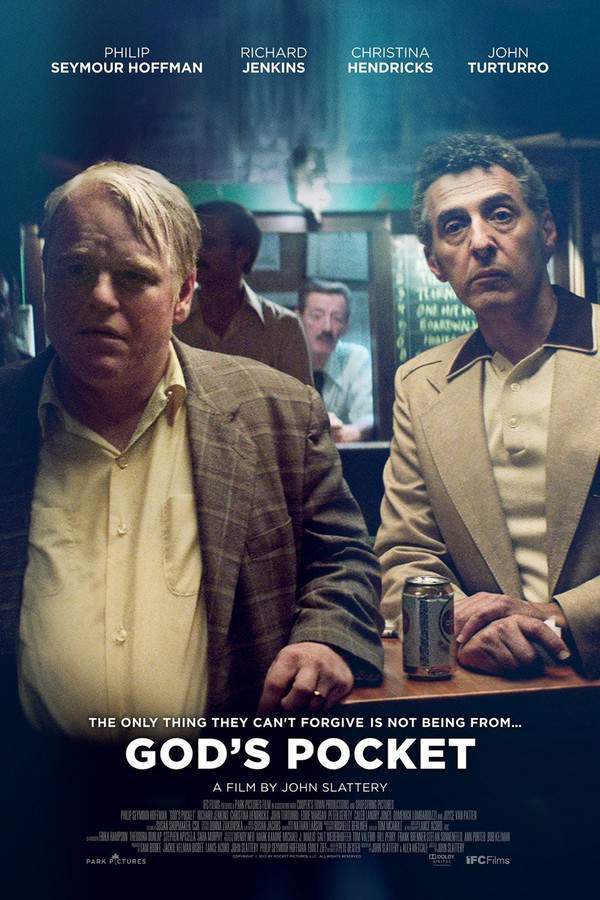
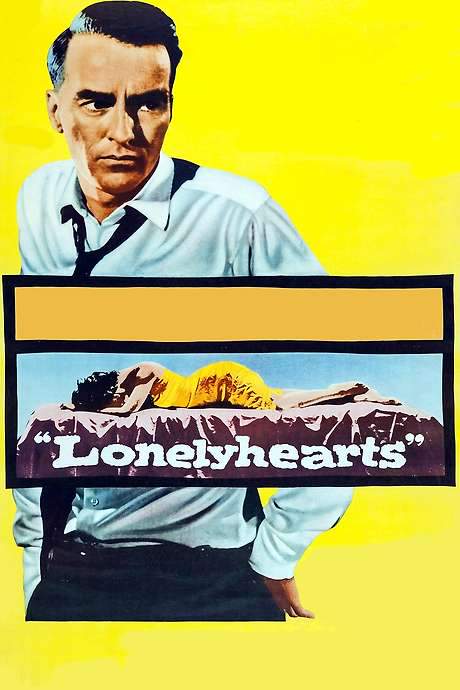
Bleak Social Realism Movies like If You Were Young: Rage

Stories where youthful ambition is methodically dismantled by harsh economic realities.If you liked the gritty portrayal of economic hardship in If You Were Young: Rage, explore these other movies. This list features similar stories about working-class struggles, broken dreams, and the heavy emotional toll of fighting against a rigged system.

grittydesperatemelancholicoppressivesorrowfulangrysocial commentary

Narrative Summary

The narrative typically follows a small group or an individual as they embark on a plan for financial independence or escape. The story methodically chronicles the accumulation of setbacks—be it unemployment, institutional injustice, or personal tragedy—leading to a dissolution of their initial optimism and a descent into despair or bitter resignation.

Why These Movies?

These films are grouped by their shared commitment to social realism, a dark and heavy tone, and a steady pacing that allows the viewer to feel the relentless pressure of circumstance. They share a core thematic focus on the conflict between personal ambition and systemic obstacles.

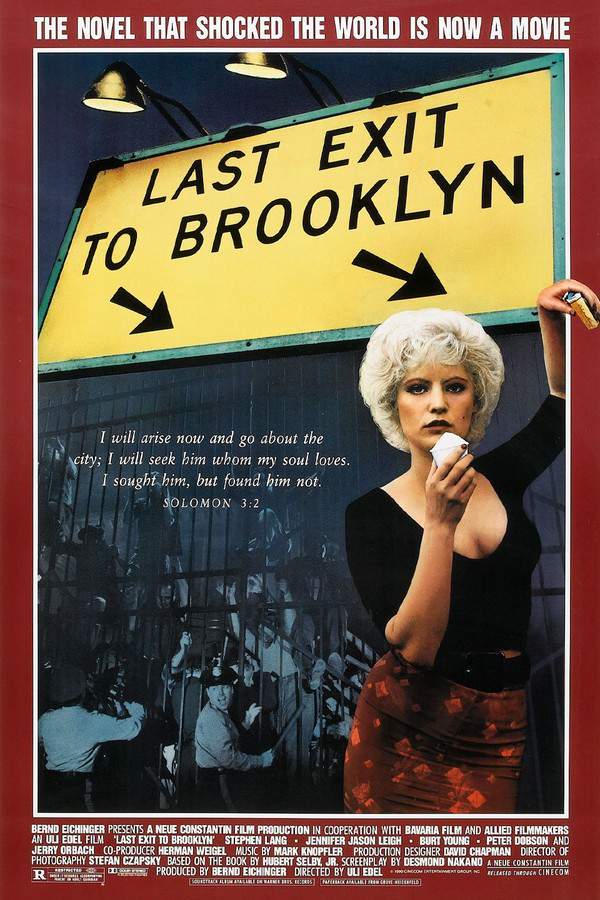
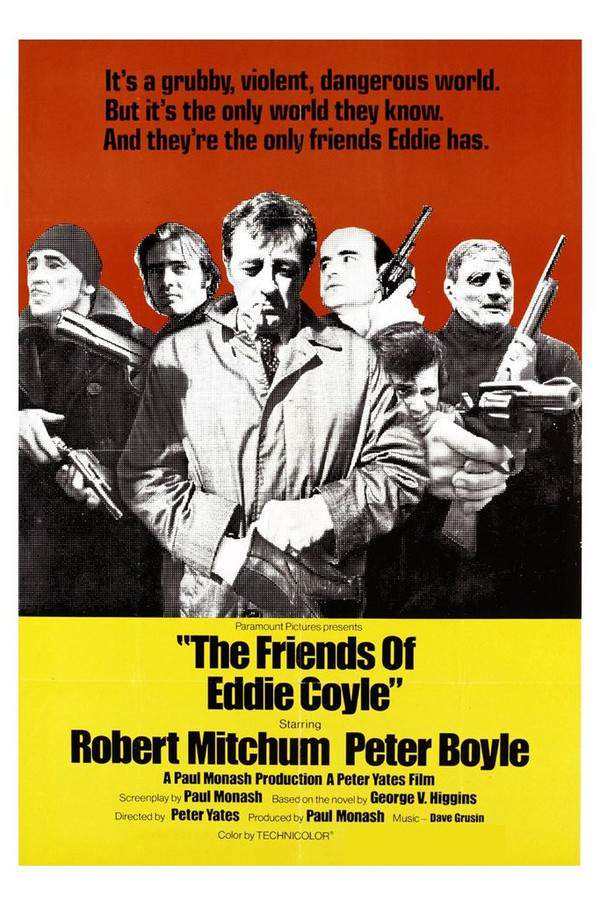
Intense Male Friendship Dramas like If You Were Young: Rage

Films about loyal friendships tested by violence, crime, and overwhelming pressure.For viewers who appreciated the intense dynamic between the three friends in If You Were Young: Rage, this list collects similar movies. Discover other powerful dramas about male camaraderie tested by police brutality, crime, and tragic circumstances.

tensegrittydesperateloyaltybetrayaltragiccrimebrotherhood

Narrative Summary

The plot often revolves around a central goal or scheme that binds the friends together. As external pressures mount—through encounters with law enforcement, rival gangs, or tragic accidents—the unity of the group fractures. The narrative explores themes of loyalty, betrayal, and the ultimate cost of sticking together in a hostile world.

Why These Movies?

These movies are united by their focus on the intense emotional core of friendship within a high-stakes, gritty environment. They share a high intensity level, a dark tone, and a heavy emotional weight derived from watching bonds unravel under duress.

Unlock the Full Story of If You Were Young: Rage

Don't stop at just watching - explore If You Were Young: Rage in full detail. From the complete plot summary and scene-by-scene timeline to character breakdowns, thematic analysis, and a deep dive into the ending - every page helps you truly understand what If You Were Young: Rage is all about. Plus, discover what's next after the movie.

If You Were Young: Rage Summary

Read a complete plot summary of If You Were Young: Rage, including all key story points, character arcs, and turning points. This in-depth recap is ideal for understanding the narrative structure or reviewing what happened in the movie.

If You Were Young: Rage Summary

If You Were Young: Rage Timeline

Track the full timeline of If You Were Young: Rage with every major event arranged chronologically. Perfect for decoding non-linear storytelling, flashbacks, or parallel narratives with a clear scene-by-scene breakdown.

If You Were Young: Rage Timeline

If You Were Young: Rage Spoiler-Free Summary

Get a quick, spoiler-free overview of If You Were Young: Rage that covers the main plot points and key details without revealing any major twists or spoilers. Perfect for those who want to know what to expect before diving in.

If You Were Young: Rage Spoiler-Free Summary

More About If You Were Young: Rage

Visit What's After the Movie to explore more about If You Were Young: Rage: box office results, cast and crew info, production details, post-credit scenes, and external links - all in one place for movie fans and researchers.

More About If You Were Young: Rage

Similar Movies to If You Were Young: Rage

Discover movies like If You Were Young: Rage that share similar genres, themes, and storytelling elements. Whether you’re drawn to the atmosphere, character arcs, or plot structure, these curated recommendations will help you explore more films you’ll love.