Year: 1931
Runtime: 72 mins
Language: Hungarian
Director: Steve Sekely
An evergreen Hungarian comedy follows a newly wealthy, clueless transport magnate who tries to adopt a refined lifestyle for his humble origins. His plans collapse when his wife hires the sharp‑tongued butler Hyppolit, turning their world upside‑down. The film remains one of Hungary’s most beloved classics, regularly screened and widely enjoyed.
Warning: spoilers below!
Haven’t seen Hyppolit, the Butler yet? This summary contains major spoilers. Bookmark the page, watch the movie, and come back for the full breakdown. If you're ready, scroll on and relive the story!
Read the complete plot breakdown of Hyppolit, the Butler (1931), including all key story events, major twists, and the ending explained in detail. Discover what really happened, and what it all means.
Schneider Mátyás is a typical parvenu, a once modest transportation entrepreneur who has climbed to wealth almost overnight. His sudden riches push him into a world of luxury and appearances, a world his wife, Schneider felesége, desperately wants to inhabit. She dreams of a refined, aristocratic lifestyle that looks the part, even if the roots of their upbringing remain far behind them.
Enter Hyppolit, a highly educated former servant who has spent 27 years in the household of a late count and even traveled the world with that family. His arrival turns their home life upside down, because his discipline and cosmopolitan manners impose a new set of rules on the Schneiders. To fit into this new social script, Schneider Mátyás must shave off his moustache, slip into a dinner suit, and sample French dishes instead of his beloved onions and roasted goose. The atmosphere at home shifts as Hyppolit’s influence grows, and the wife finds herself pushed toward healthier routines and a more measured, if somewhat meagre, diet.
Meanwhile, the Schneiders’ daughter, Terka, played by Éva Fenyvessy, begins to fall for their charming manager, the former driver István Benedek, who is secretly an engineer with a college diploma. Terka’s feelings bring a fresh current of romance into a house already bubbling with social ambitions. István Benedek, portrayed by Pál Jávor, hides this professional depth beneath a handsome exterior, which complicates Terka’s pursuit and the family’s plans.
For their part, the mother would rather see Makáts, a good-natured but not particularly bright suitor, win Terka’s heart. Makáts’s uncle, a city councillor, could potentially smooth over any obstacles and help secure a lucrative contract that would cement the Schneiders’ status. Makáts is portrayed by Gyula Gózon, and his connection to the uncle—assumed to be a path to influence—frames a subplot about power and permission within the city’s circles. To underscore the political edge of the family’s ambitions, the cast includes figures like the Member of the Supreme Council, hinting at the broader social machinery at work behind their personal dramas.
Things begin to spiral when Hyppolit’s practical suggestions lead [Schneider Mátyás] to pursue a relationship with Mimi, a singer and dancer at a sleazy night club. Mimi, played by Mici Erdélyi, becomes a flashpoint in the Schneiders’ carefully curated image. When Schneider fails to show up for a date with Mimi, she storms into the Schneiders’ villa during a dinner party that is already stacked with important guests, including Makáts’s influential uncle. The intrusion creates a public, messy scandal within a household that is trying to project control and poise.
This pivot in events also strains the younger generation. Terka is navigating her own path, determined to win the man she truly desires, while the adults scramble to maintain appearances in a situation that rapidly escalates beyond their expectations. The dinner party, the clash of social classes, and the conflicting desires of each character expose the fragility of a life built on appearances rather than genuine connection.
Throughout the film, the clash between old-world refinement and new wealth unfolds with humor and wit. The household dynamics—between the parvenu Schneider and his worldly wife, between a disciplined, cosmopolitan butler and a wealth-obsessed family, and between the young lovers caught between duty and desire—are painted with a light touch that never loses sight of its core motives. The narrative threads intertwine: the allure of social mobility, the dangers of pretension, the friction between love and convenience, and the unpredictable consequences when carefully laid plans meet unanticipated reality.
As the story progresses, the characters’ ambitions collide with the realities of their environment. The contrast between the Schneiders’ desire to belong to a world of polish and the raw honesty of Mimi’s night-club life creates a dynamic stage for misunderstandings, social scrutiny, and comic misadventures. The film’s humor emerges from the juxtaposition of earnest longing with outward polish, and from the way each character negotiates their place within a society that rewards appearances as much as achievements.
In the end, the tale remains a lively exploration of class, aspiration, and the pursuit of affection in a setting where every gesture is weighed for status. It is a story of transformation—of a man and a family learning to adapt to a world that values image as much as substance—told with warmth, satire, and a touch of romance.
Last updated: February 20, 2026 at 12:28
Explore frequently asked questions about Hyppolit, the Butler (1931) with spoiler-rich answers covering the full plot summary, major story beats, character motivations, hidden details, and ending meaning. This movie summary FAQ helps explain confusing scenes, plot twists, and narrative decisions in clear, searchable detail.
Hyppolit, despite being hired to refine the family, deliberately sabotages Schneider by suggesting he pursue Mimi, a singer at a sleazy nightclub. This appears to be Hyppolit's form of revenge or social commentary, using his authority to expose the absurdity of the Schneiders' pretensions. By encouraging Schneider to chase a woman far below their desired social standing, Hyppolit creates the very scandal that undermines their aspirations, revealing the hypocrisy of their social climbing.
Mimi crashes the dinner party after Schneider fails to show up for their scheduled date. Furious at being stood up, she storms into the villa demanding answers. Her timing is deliberate, she arrives during an important dinner attended by Makáts's influential uncle, creating maximum embarrassment for the family and exposing their fragile social pretense to all their guests.
Earlier, Schneider misses his date with Mimi, which directly triggers her angry intrusion.
Schneider's wife prefers Makáts because his uncle is a city councillor who could secure lucrative contracts and help cement the family's social position. The marriage is viewed as a business opportunity rather than a matter of the heart, István may be charming but offers no political connections, whereas Makáts represents practical advancement in their social climbing ambitions.
Hyppolit insists that Schneider shave his mustache as part of his transformation into an aristocratic gentleman. The mustache represents his humble origins and lack of refinement. Hyppolit also puts him in a dinner suit and teaches him to eat French cuisine instead of his beloved onions and roasted goose, each change designed to erase his working-class identity and project sophistication.
The moment Hyppolit arrives, he begins imposing new rules on the household.
Hyppolit spent 27 years serving a late count and traveled the world with that aristocratic family. This experience makes him uniquely qualified to tutor the Schneiders in refined living, but also gives him a condescending attitude toward their newly rich status. He knows exactly what aristocratic society expects, and uses this knowledge both to help and to mock their aspirations.
István Benedek works as the Schneiders' manager but is secretly a qualified engineer with a college diploma. He conceals this professional background, possibly because he wants Terka to love him for who he is rather than for potential social advancement his engineering career might bring, or because he prefers to remain in the background while pursuing their relationship on genuine terms.
Hyppolit completely transforms the household routines. He enforces strict discipline, introduces cosmopolitan manners, and puts the entire family on a demanding schedule. Schneider must wear formal clothes and eat French food. His wife undergoes grueling gymnastics and a strict diet. The home shifts from comfort to performance, with every detail curated for aristocratic appearance.
The scandal at the dinner party, when Mimi bursts in and exposes Schneider's infidelity to important guests including Makáts's uncle, destroys the Schneiders' carefully constructed image. The public humiliation forces them to confront the gap between their pretensions and reality. This marks the turning point where their world turns upside down and they must reassess their values and priorities.
The film follows a classic farce structure with a happy ending. Terka actively pursues her preferred suitor István, ultimately winning him over despite her mother's objections. The family's social ambitions collide with reality, and they learn to balance aspiration with authenticity. The comedy resolves through the younger generation finding genuine connection rather than transactional relationships.
Discover curated groups of movies connected by mood, themes, and story style. Browse collections built around emotion, atmosphere, and narrative focus to easily find films that match what you feel like watching right now.
Satirical comedies where social pretensions collide with chaotic reality.Find more movies like Hyppolit, the Butler featuring chaotic comedies about social climbing. These films blend satire with domestic farce, where characters' attempts at refinement are hilariously undermined, leading to lighthearted and amusing conclusions.
The narrative follows a classic farce structure: a status-obsessed character or family is introduced, a disruptive force (like a sharp-tongued butler) enters their world, and a series of comedic escalations ensue, challenging their newfound social standing and leading to a humorous resolution that often reaffirms the value of authenticity.
Movies in this thread are grouped by their shared focus on the absurdities of class aspiration, a steady pace of escalating comedic situations, and a light, satirical tone that pokes fun at social pretensions without cruelty, resulting in a consistently breezy and upbeat viewing experience.
Upbeat and playful stories where humor stems from gentle chaos and charm.Discover lighthearted comedies similar to Hyppolit, the Butler. If you enjoyed its whimsical charm and upbeat feel, this thread gathers movies with a gentle comedic tone, steady pacing, and happy endings that provide a delightful and effortless escape.
Stories in this thread follow a straightforward path where initial discomfort or social awkwardness is navigated through a series of charming and amusing events. The focus is on character-driven humor and light romance, building towards a satisfying and unambiguously happy conclusion that resolves all minor tensions.
These films share a specific vibe: an overwhelmingly light tone, low emotional intensity, and a steady, character-driven pace. The primary goal is to entertain through whimsical situations and comical characters, resulting in a consistently upbeat and cheerful mood from start to finish.
Don't stop at just watching - explore Hyppolit, the Butler in full detail. From the complete plot summary and scene-by-scene timeline to character breakdowns, thematic analysis, and a deep dive into the ending - every page helps you truly understand what Hyppolit, the Butler is all about. Plus, discover what's next after the movie.
Track the full timeline of Hyppolit, the Butler with every major event arranged chronologically. Perfect for decoding non-linear storytelling, flashbacks, or parallel narratives with a clear scene-by-scene breakdown.
Discover the characters, locations, and core themes that shape Hyppolit, the Butler. Get insights into symbolic elements, setting significance, and deeper narrative meaning - ideal for thematic analysis and movie breakdowns.
Discover movies like Hyppolit, the Butler that share similar genres, themes, and storytelling elements. Whether you’re drawn to the atmosphere, character arcs, or plot structure, these curated recommendations will help you explore more films you’ll love.
Hyppolit, the Butler (1931) Scene-by-Scene Movie Timeline
Hyppolit, the Butler (1931) Movie Characters, Themes & Settings
Hyppolit, the Butler (1931) Spoiler-Free Summary & Key Flow
Movies Like Hyppolit, the Butler – Similar Titles You’ll Enjoy
Csudafilm (2005) Complete Plot Breakdown
Sweet Troubles (1984) Full Summary & Key Details
Lily in Love (1984) Story Summary & Characters
Behold Homolka (1970) Full Summary & Key Details
A Houseful of Bliss (1960) Complete Plot Breakdown
The Dream Car (1934) Detailed Story Recap
Hoi Polloi (1935) Full Movie Breakdown
Made in Hungaria (2009) Detailed Story Recap
The Poacher’s Foster Daughter or Noble Millionaire (1949) Detailed Story Recap
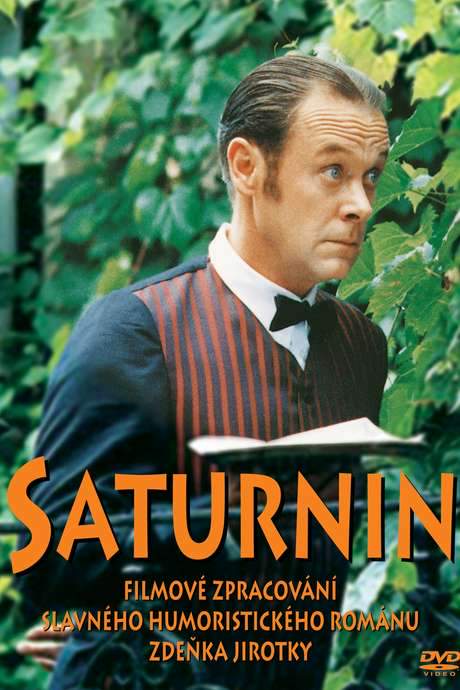
Saturnin (1994) Story Summary & Characters
The Borrowed Castle (1937) Film Overview & Timeline
Lovagias ügy (1937) Film Overview & Timeline
I Often Think of Piroschka (1955) Detailed Story Recap
Ladies in Love (1936) Spoiler-Packed Plot Recap
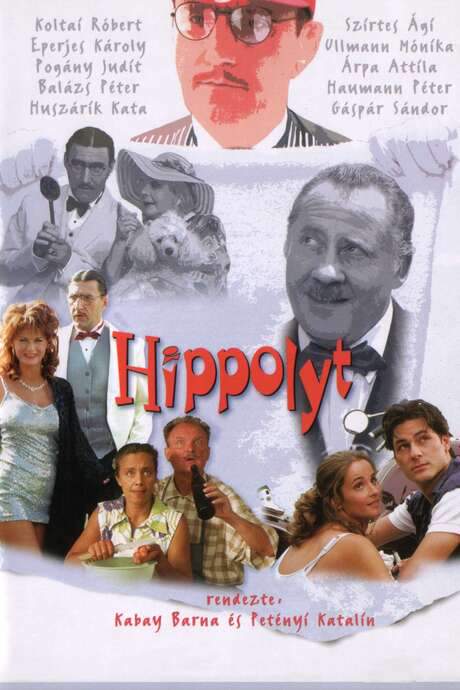
Hippolyt (1999) Story Summary & Characters