Plot Explained Spoilers guaranteed!
Plot Explained

Browse by genre

Human Desire (1954) movie poster

Spoiler-Free Summary

Human Desire (1954) Spoiler-Free Summary – What It's About

Release, runtime and language
1954 · 91 mins · English
Directed by
Fritz Lang
Starring
Edgar Buchanan, Broderick Crawford, Gloria Grahame, Carl Lee, Glenn Ford, Dan Seymour

A stark, unflinching portrait of ordinary life, the film follows a Korean War veteran who returns to his work as a railroad engineer. He becomes entangled in a bitter affair with a coworker’s wife, a liaison that spirals into murder. The gritty drama was preserved in 1997 by the Academy Film Archive with Sony Pictures Entertainment.

On this page (6)
  1. 1 What it is about
  2. 2 Is it worth watching?
  3. 3 After you watch
  4. 4 Movie threads
  5. 5 Movies like Human Desire
  6. 6 Every angle

Spoiler-free summary · safe to read

What Is Human Desire About? (No Spoilers)

The plot of Human Desire (1954) without spoilers: what it is about, who it follows and where it takes place, told without the twists or the ending. Enough to decide whether it is your next watch, not enough to ruin it.

In a mid‑century Midwestern town where the steady rhythm of steam and steel dictates daily life, a solitary railroad line threads through neighborhoods, factories, and open plains. The film opens on the hushed clang of couplings and the distant whistle of a passing train, establishing a world that feels both timeless and haunted by the lingering after‑effects of a recent war. The atmosphere is unvarnished, the landscape rendered in muted tones that echo the quiet desperation of ordinary people trying to rebuild their lives.

Jeff Warren returns home after serving in Korea, stepping back into the cabin of a sleek streamliner as a veteran engineer. His hands, seasoned by combat and now steady on the throttle, convey a blend of competence and restrained yearning. He shares the rail yard with Alec Simmons, a longtime friend and fellow worker whose home once offered Jeff a roof, and whose teenage daughter, Ellen Simmons, watches Jeff with a mix of admiration and quiet longing. The camaraderie among the crew is palpable, underscoring a fragile sense of community that the railroad itself helps to sustain.

Amid the hum of the tracks, Vicki Buckley—the wife of the hard‑drinking yard supervisor Carl Buckley—drifts into Jeff’s orbit, their connection sparking a forbidden intimacy that threatens to unravel the delicate balance of the workplace. Their interactions are charged with a gritty realism, hinting at the emotional turbulence that can erupt beneath the surface of routine labor. The film lets the audience feel the magnetic pull between desire and duty, without spelling out the consequences that may follow.

Rendered with stark, unflinching realism, the drama leans into a muted palette of blues and grays, letting the clatter of wheels and the sigh of pistons become a character in their own right. It invites viewers to linger on moments of quiet longing, the weight of unspoken promises, and the ever‑present tension between personal yearning and the relentless march of the train that carries everyone forward.

Last updated: December 05, 2025 at 09:33

Was this helpful?

What to expect

Is Human Desire Worth Watching? What It Feels Like

Is it dark, sad, slow, intense or confusing? The mood of Human Desire (1954) in a few tags, without a word about how it ends. Each tag opens a list of movies that feel the same.

After you watch

Seen Human Desire? Now Read the Spoilers

Once you have watched Human Desire (1954), come back for the full story: the plot summary with spoilers, the timeline in chronological order, the characters and meaning.

Movie threads

More Movies Like Human Desire, by Mood & Story

Curated lists built around what makes Human Desire tick: the same mood, the same kind of story or the same emotional payoff. Each list explains why these movies belong together.

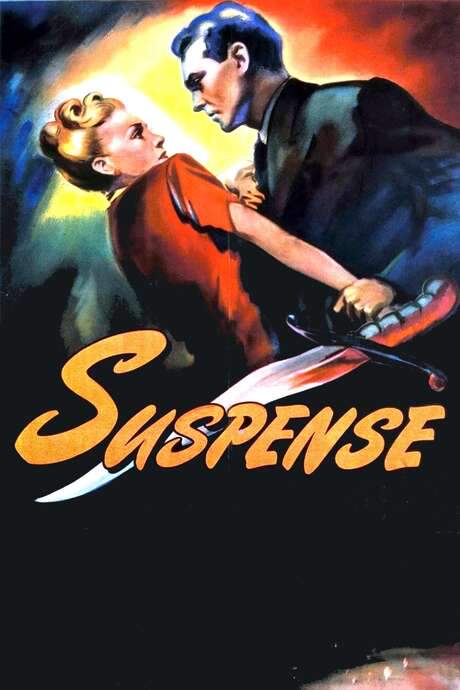
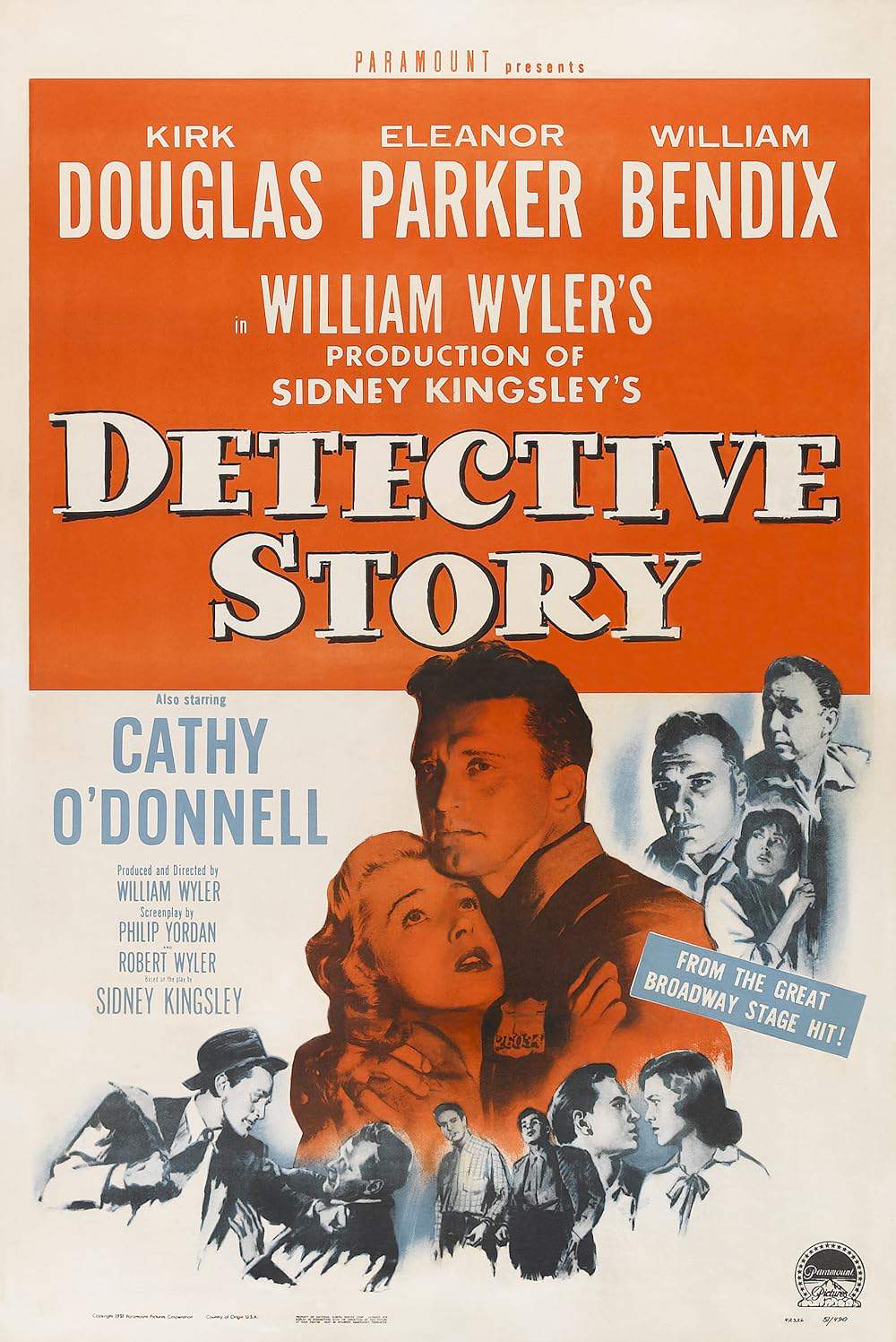
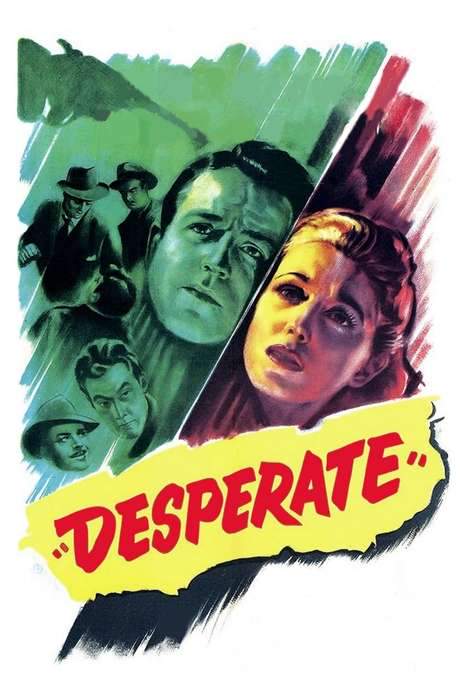
Noir-Spiral Descent Movies like Human Desire

Where a single bad decision drags ordinary characters into a vortex of crime and moral ruin. If you liked the fatalistic crime spiral in Human Desire, you'll find more movies like it here. These films feature ordinary people whose lives are destroyed by a single violent act, leading to a tense and psychologically draining journey towards a bleak or bittersweet conclusion.

  • fatalistic
  • tense
  • anxious
  • claustrophobic
  • bleak
  • morally complex
  • Tone: dark, fatalistic, tense
  • Pacing: steady, methodical escalation
Why these movies?

The story pattern: The narrative typically begins with a seemingly stable, if flawed, protagonist. A catalyst—often lust, greed, or desperation—triggers a criminal act, usually murder. The plot then focuses less on the whodunit and more on the corrosive aftermath: the psychological strain of guilt, the fear of discovery, and the manipulation between accomplices, culminating in a tragic resolution.

Why they belong together: These movies are grouped by their shared focus on the 'crime and punishment' arc within a domestic or interpersonal context. They excel at creating a claustrophobic, anxious mood where characters are trapped by their own actions, emphasizing moral decay and the heavy emotional weight of fatalistic consequences.
Claustrophobic Workplace Thrillers similar to Human Desire

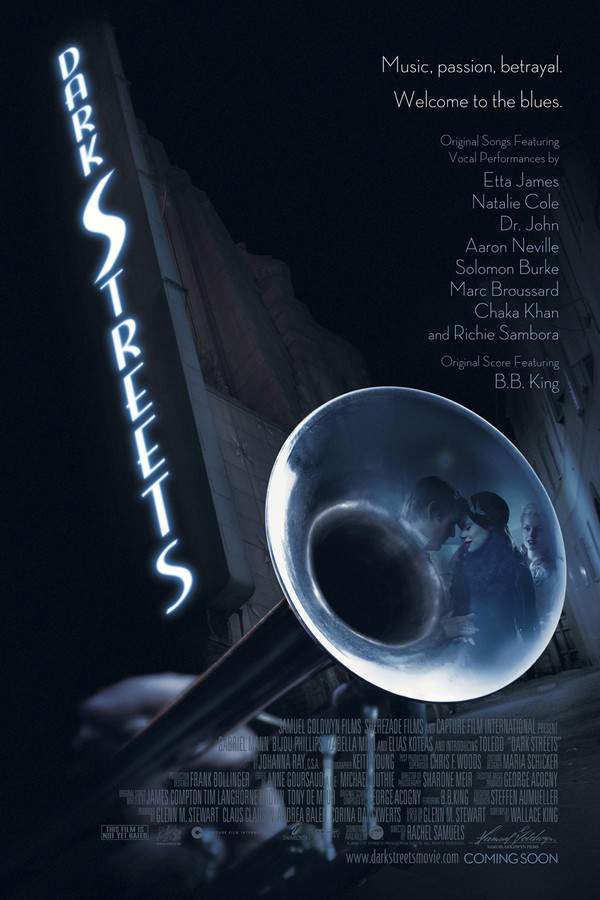
Tense dramas where a confined professional setting becomes a pressure cooker for illicit passion and crime. Discover movies with a similar gritty, industrial vibe to Human Desire. These stories use a specific workplace as a crucible for tension, where affairs, betrayals, and crimes unfold within the claustrophobic confines of a job, amplifying the drama and moral dilemmas.

  • gritty
  • oppressive
  • tense
  • claustrophobic
  • anxious
  • industrial
  • Tone: gritty, oppressive, tense
  • Pacing: steady, deliberate
Why these movies?

The story pattern: The narrative leverages the unique rules, hierarchies, and physical spaces of a workplace to heighten drama. Romance or conflict that begins on the job quickly escalates, with the professional environment providing both the opportunity for illicit acts and the constant threat of exposure from colleagues, creating a sustained, oppressive tension.

Why they belong together: These films are connected by their use of a distinct, often blue-collar, professional world as a key narrative element. The shared mood is gritty, oppressive, and tense, with the setting acting as a character itself, enforcing a feeling of no escape and making every interaction feel charged and dangerous.

If you liked this

Movies Like Human Desire

Similar movies to Human Desire: the same genre, themes or kind of story. Each one comes with its own plot summary, timeline and ending explained.

Browse all movie summaries

Every angle

Human Desire (1954) Explained: Plot, Timeline & Characters

Everything about Human Desire in one place: what happens in the plot summary, the timeline in chronological order, the characters and meaning and a spoiler-free summary. What's After the Movie adds the cast, box office and post-credit scenes.

Coming soon on iOS and Android

The Plot Explained Movie Summary App

Plot summaries, endings explained and timelines on your phone. Catch up on any movie in minutes, save your favorites and never miss a twist again.

Be the first to know when we launch. Your email stays private, always.

Learn more about the app