Plot Explained Spoilers guaranteed!
Plot Explained

Browse by genre

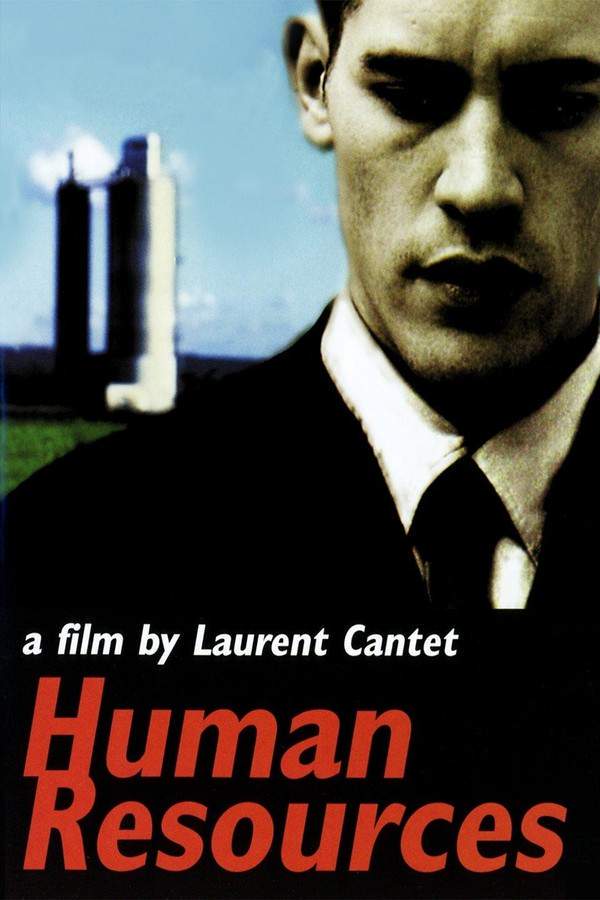
Human Resources (2000) movie poster

Timeline

Human Resources (2000) Timeline Explained – Every Event in Order

Release, runtime and language
2000 · 100 min · French
Loading streaming availability…
Directed by
Laurent Cantet

Set against the backdrop of Parisian factories facing closure, a young business student, Frank, finds himself at odds with his father. As corporate restructuring leads to job losses and the dismantling of long-held traditions, a deep generational conflict arises. Frank must navigate the complexities of the changing workplace and understand the difficult choices made by his family and colleagues in a time of significant upheaval.

On this page (6)
  1. 1 Where to watch
  2. 2 Events in order (13)
  3. 3 Timeline questions answered
  4. 4 Movie threads
  5. 5 Movies like Human Resources
  6. 6 Every angle
Loading streaming availability…

13 events in order · contains spoilers

Human Resources Timeline: Events in Chronological Order

Every key event of Human Resources (2000) in order, scene by scene, with when and where it takes place. Use it to untangle flashbacks, time jumps and parallel storylines, to refresh your memory before the sequel or to find the exact scene you are thinking of.

  1. Franck Returns Home

    Franck, a promising young man, arrives back in the picturesque town of Gaillon in Normandy. He is eager to start his trainee managerial internship in the Human Resources department of the local factory.

    Where
    Gaillon, Normandy
  2. Welcoming Celebrations

    Upon his return, Franck is celebrated by friends and family for successfully breaking through societal barriers to become a 'white-collar' worker. This initial success brings joy and pride to his loved ones, highlighting the significance of his achievement.

  3. Rivalry Brews

    As Franck begins his internship, jealousy and rivalry start to fester among his peers and within his family. Despite outward appearances, the competitive nature of the workplace complicates Franck's experience as he navigates this new environment.

  4. Friendship with Alain

    Franck establishes a strong friendship with Alain, a young worker whom his father has mentored. This bond serves as a stark contrast to the guarded mentorship Franck receives from his supervisor, adding complexity to his journey in the workplace.

  5. Contrasting Mentorship

    The mentorship dynamics in Franck's life highlight the differences between blue-collar and white-collar environments. This contrast further complicates his understanding of his own identity and his father's legacy.

  6. Uncovering the Truth

    Franck discovers a shocking truth about his boss's intentions regarding the proposed 35-hour workweek. He learns that his field study is being manipulated to justify layoffs that threaten to dismiss workers, including his own father.

  7. Confronting Management

    Armed with this knowledge, Franck engages in intense confrontations with management. His desire to protect the workers escalates tensions and exposes the deep rifts within the factory's hierarchy.

  8. Workers Unite

    The workers at the factory band together in response to the looming threat of layoffs. This solidarity serves to strengthen their resolve and highlight the dangers of exploitation within the industrial sector.

  9. Strain with Father

    As tensions rise, Franck's relationship with his father becomes increasingly strained. The conflict over the layoffs forces them to confront their differing perspectives on work and identity, leading to emotional confrontations.

  10. The Emotional Climax

    In a powerful and emotional climax, Franck confronts his father about the legacy of shame linked to their blue-collar background. This confrontation forces both men to face their identities and the societal pressures they have felt.

  11. Facing Consequences

    The confrontation brings to the forefront the consequences of their actions and choices regarding their identities. Franck and his father must reconcile their feelings about family, success, and societal expectations.

  12. Legacy Realizations

    Franck comes to a deeper understanding of his father's struggles and the sacrifices made in a blue-collar life. This realization aids in mending their fractured relationship, highlighting the importance of understanding one’s roots.

  13. The Future Ahead

    As the story concludes, Franck and his father reflect on the paths ahead of them, grappling with the choices they have made. The experience serves as a transformative moment, shaping their future interactions and perspectives.

Last updated: November 15, 2024 at 16:31

Was this helpful?

Timeline questions answered

Human Resources Timeline Explained: Your Questions Answered

When does it happen, and why in that order? The questions people ask about the chronology of Human Resources (2000): time jumps, flashbacks, cause and effect between scenes and the correct order of events, each answered with spoilers.

Q1

Why does Franck take the HR internship at his father's factory?

Franck takes the trainee managerial position in HR because he has successfully ascended to become a 'white-collar' worker, which is celebrated by his friends and family as breaking through societal barriers. This represents a significant achievement in his small town of Gaillon, where factory work defines most people's careers. However, this decision puts him in the difficult position of being on the opposite side of the management from his father, creating the central conflict of the film.

Foreshadowing: Earlier celebrations of Franck's 'white-collar' status foreshadow the tension that arises when he discovers his position may be used against the workers.

  • franck
  • hrm internship
  • factory
  • white collar
  • career
Q2

What does Franck discover about the layoffs?

Franck discovers that his boss is planning to exploit his field study on the proposed 35-hour workweek to justify dismissing workers, including his own father. The study was meant to examine how reduced working hours might be implemented, but management twisted the data to argue that cutting workers is more cost-effective than adapting to the new workweek policy.

Foreshadowing: The earlier mention of rivalry brewing among peers hints at the cutthroat nature of the workplace that allows such exploitation.

  • layoffs
  • 35 hour workweek
  • study
  • management
  • exploitation
Q3

Why is Franck's friendship with Alain significant?

Franck's friendship with Alain represents a bridge between the blue-collar and white-collar worlds. Alain is a young worker whom Franck's father has mentored on the factory floor, making this connection deeply personal. While Franck receives guarded mentorship from his supervisor Chambon in the HR department, his friendship with Alain keeps him connected to the workers' perspective and ultimately influences his decision to oppose management.

Foreshadowing: The contrast between Alain's mentorship (warm, from his father) and Chambon's mentorship (guarded, from management) sets up Franck's internal conflict.

  • alain
  • mentorship
  • father
  • blue collar
  • workers
Q4

Why does Franck confront his father about shame?

In the emotional climax, Franck confronts his father accusing him of instilling a legacy of shame associated with their blue-collar background. This confrontation stems from years of complicated feelings about class, success, and identity. Franck has internalized societal pressures that view factory work as inferior, and he projects this onto his father during a moment of extreme stress from the layoffs and his own compromised position in HR.

Foreshadowing: The festering jealousy and rivalry among family and peers throughout the film plant seeds for this painful accusation.

  • father
  • shame
  • blue collar
  • confrontation
  • legacy
Q5

What triggers the final father-son confrontation?

The confrontation is triggered by multiple converging factors: Franck's discovery that his own work is being used to justify firing his father and colleagues, the escalating tensions between workers and management, and the accumulation of unspoken feelings about class and identity. When Franck accuses his father of creating shame around blue-collar work, both men are forced to confront the reality of their strained relationship and the societal pressures they have both felt.

Foreshadowing: The timeline shows a steady build of strain with father throughout the escalating conflict, making the climax feel inevitable.

  • confrontation
  • father
  • emotional climax
  • layoffs
  • tension
Q6

Why do workers unite against management?

Workers unite because the proposed layoffs threaten their livelihoods and the community itself. The factory faces closure, and corporate restructuring aims to cut costs by dismissing employees, including long-tenured workers like Franck's father. The discovery that Franck's field study is being manipulated to justify these layoffs galvanizes the workers to organize and resist, highlighting the power dynamics between labor and ownership.

Foreshadowing: The earlier rivalry among peers transforms into solidarity when the common threat of unemployment emerges.

  • workers
  • management
  • layoffs
  • solidarity
  • factory closure
Q7

What is the 35-hour workweek study in the movie?

The 35-hour workweek study is Franck's field research project examining how a proposed reduction in working hours could be implemented at the factory. Management seizes on this study to argue that reducing hours would be too costly, using it as justification for layoffs instead of genuinely exploring work hour reductions. This represents how corporate interests can twist academic or analytical work to serve their own profit-driven agenda.

Foreshadowing: Franck's initial enthusiasm about his important research project contrasts sharply with the betrayal he feels upon discovering its misuse.

  • 35 hour workweek
  • study
  • layoffs
  • corporate restructuring
Q8

How does Franck's position in HR create conflict with his father?

Franck's position in HR places him in the uncomfortable role of being part of the management structure that controls the workers' futures, including his father's. His father has worked on the shop floor for thirty years, and Franck's new 'white-collar' status creates a class divide within their own family. This creates tension as Franck navigates between his loyalty to family and his role in a system that threatens his father's job.

Foreshadowing: The initial celebrations of Franck's success contain the seeds of future conflict, as his achievement inadvertently creates distance from his father's world.

  • franck
  • hr
  • father
  • conflict
  • class divide
  • white collar
Q9

Why is Franck's father portrayed as reserved and anxious?

Franck's father is described as reserved and anxious, likely reflecting the psychological toll of thirty years of factory labor under uncertain economic conditions. His anxiety foreshadows the precariousness of blue-collar employment and explains why he has passed down a complicated relationship with work identity to Franck. The father's reserved nature also contributes to the communication gap between father and son that culminates in their confrontation.

Foreshadowing: The father's anxiety is a subtle early indicator of the instability facing longtime workers in the changing industrial landscape.

  • father
  • anxiety
  • factory worker
  • legacy
  • communication
Q10

Does Franck's father lose his job?

The summary indicates that the boss intends to dismiss workers including Franck's father as part of the layoffs justified by the manipulated 35-hour workweek study. While the exact outcome is not fully detailed in the summary, the threat of unemployment looms over the father and represents the central trauma the family faces. The story focuses more on the confrontation and reconciliation between father and son rather than the specific job outcome.

Foreshadowing: The timeline's progression toward 'Facing Consequences' suggests the family must deal with real impacts of the restructuring.

  • father
  • job loss
  • layoffs
  • unemployment
  • factory

Movie threads

More Movies Like Human Resources, by Mood & Story

Curated lists built around what makes Human Resources tick: the same mood, the same kind of story or the same emotional payoff. Each list explains why these movies belong together.

Social realism movies like Human Resources

Realistic stories where corporate decisions shatter lives and families. Explore movies like Human Resources that use a steady, realistic pace to examine the human cost of corporate restructuring and labor conflicts. These dramas are tense, melancholic, and heavy, focusing on the intersection of personal lives and socio-economic forces.

  • tense
  • melancholic
  • oppressive
  • thoughtful
  • dramatic
  • realistic
  • Tone: bleak, tense, melancholic
  • Pacing: steady, deliberate
Why these movies?

The story pattern: Narratives in this thread typically follow characters caught between management and labor, often involving a personal awakening to systemic injustice. The central conflict escalates steadily through meetings, negotiations, and personal confrontations, leading to a climax that is more about emotional and moral reckoning than physical action.

Why they belong together: These movies are grouped by their shared commitment to social realism, a steady pacing that builds dread, and a heavy emotional tone centered on class struggle and familial conflict. They offer a similar viewing experience of thoughtful, oppressive drama.

Father-son conflict dramas like Human Resources

Stories where a son's principles painfully clash with his father's legacy. If you liked the painful generational conflict in Human Resources, discover other movies about sons grappling with their fathers' choices. These dramas are tense, confrontational, and end on a bittersweet note of hard-won truth.

  • confrontational
  • anxious
  • dramatic
  • thoughtful
  • emotional
  • family drama
  • Tone: confrontational, anxious, bittersweet
  • Pacing: steady, character-driven
Why these movies?

The story pattern: The narrative pattern involves a younger character, often a son, who initially admires or follows the father's path, only to discover its moral compromises. This leads to an inevitable and deeply personal confrontation. The ending is typically bittersweet, offering a form of emotional clarity or personal growth but at the expense of the former relationship.

Why they belong together: Movies in this thread share a core narrative of a son challenging his father's worldview, driven by heavy themes like betrayal and personal sacrifice. They create a similar mood of anxious confrontation and deliver a similarly complex, bittersweet emotional payoff.

If you liked this

Movies Like Human Resources

Similar movies to Human Resources: the same genre, themes or kind of story. Each one comes with its own plot summary, timeline and ending explained.

Browse all movie summaries

Every angle

Human Resources (2000) Explained: Plot, Timeline & Characters

Everything about Human Resources in one place: what happens in the plot summary, the timeline in chronological order, the characters and meaning and a spoiler-free summary. What's After the Movie adds the cast, box office and post-credit scenes.

Coming soon on iOS and Android

The Plot Explained Movie Summary App

Plot summaries, endings explained and timelines on your phone. Catch up on any movie in minutes, save your favorites and never miss a twist again.

Be the first to know when we launch. Your email stays private, always.

Learn more about the app