












Plot Explained Spoilers guaranteed!
Plot Explained

Browse by genre

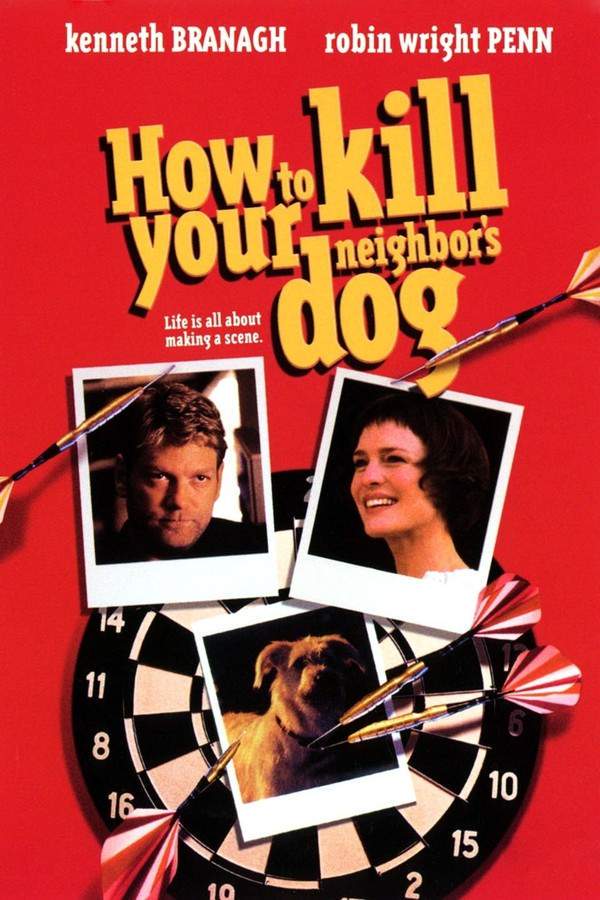
How to Kill Your Neighbor's Dog (2002) movie poster

Timeline

How to Kill Your Neighbor's Dog (2002) Timeline Explained – Every Event in Order

Release, runtime and language
2002 · 107 min · English
JustWatch #21,786 1
Directed by
Michael Kalesniko
Starring
Robin Wright

A struggling playwright finds his already chaotic life further complicated by a controlling mother-in-law, an overzealous fan, and an annoying neighborhood dog. Amidst the turmoil, he unexpectedly forms a friendship with his neighbor’s young daughter, Amy. Her creativity and innocence offer him inspiration, helping him overcome writer's block and face an uncertain future.

On this page (7)
  1. 1 Where to watch
  2. 2 Events in order (13)
  3. 3 Timeline questions answered
  4. 4 Movie threads
  5. 5 Movies like How to Kill Your Neighbor's Dog
  6. 6 Categories
  7. 7 Every angle

Where to watch

Where to Watch How to Kill Your Neighbor's Dog (2002)

Where can you watch How to Kill Your Neighbor's Dog? Stream, rent or buy it in the US, including on Amazon Prime Video, Fawesome and Hoopla: current JustWatch availability with up-to-date prices.

Streaming availability powered by JustWatch

13 events in order · contains spoilers

How to Kill Your Neighbor's Dog Timeline: Events in Chronological Order

Every key event of How to Kill Your Neighbor's Dog (2002) in order, scene by scene, with when and where it takes place. Use it to untangle flashbacks, time jumps and parallel storylines, to refresh your memory before the sequel or to find the exact scene you are thinking of.

  1. Slump and burnout

    Peter McGowan is a once-celebrated playwright living in Los Angeles who now finds himself creatively barren and emotionally frayed. He has spent ten years in a career slump, with his latest works flopping both critically and commercially. He battles chronic insomnia, smokes heavily, and feels impotent to boot.

    Where
    Los Angeles, California
  2. Director's chaotic push

    His latest play is directed by the flamboyant Brian Sellars, whose enthusiasm borders on chaotic. Sellars's obsession with one of the lead actresses undermines Peter's control over the production. The project wobbles between rehabilitation and collapse as tensions mount on set.

    Where
    Rehearsal room, Los Angeles
  3. Marriage and the baby longing

    Melanie longs for a baby, a wish that highlights the growing rift in their relationship. Peter's inability to conceive fuels his self-doubt and distances him from his wife. The quiet conflict intensifies as they navigate commitment and hope.

    Where
    Home, Los Angeles
  4. Noise and insomnia sharpen the edge

    A relentlessly barking dog moved in by new neighbors becomes a new irritant that gnaws at Peter's already fragile sleep. He ends up taking long, aimless night walks through the city to escape the noise. The disturbances deepen his sense of disconnection from the world.

    When
    Night
    Where
    Los Angeles neighborhood
  5. Meeting a doppelganger on the streets

    During one such night walk, Peter encounters a strange man who appears to be his doppelganger, also calling himself Peter McGowan. The man is eccentric and unstable, yet Peter feels drawn to this odd, unsettling friendship. The encounter unsettles Peter and hints at an unsettling parallel inside his own life.

    When
    Night
    Where
    LA streets
  6. Bond with Amy Walsh

    Peter forms an unlikely bond with Amy Walsh, the lonely young daughter of his new neighbors who has mild cerebral palsy. At first he resents the disruption Amy brings, but their conversations reveal a simple honesty and resilience that begin to draw him out of his cynicism. Their growing connection offers him a real emotional lifeline.

    When
    Evening
    Where
    Amy's home, Los Angeles
  7. Amy inspires the writer in him

    Peter uses the details of his conversations with Amy to inform a difficult child character in his script, trying to inject realism into his block. Melanie starts treating Amy as if she were their own daughter, strengthening the sense of family. The trio's time together deepens, while Amy's mother, Trina, begins to feel neglected.

    Where
    Peter's home, Los Angeles
  8. Controversy over a disability character

    Peter proposes including a character with cerebral palsy in the new play to bring realism. The idea is poorly received by the director and others, who accuse Peter of exploitation and insensitivity. The conflict underscores how fragile his creative redemption has become.

    Where
    Rehearsal room, Los Angeles
  9. Trina's distance and the babysitter plan

    In response, Trina distances Amy from Peter and Melanie and hires a new babysitter. Amy rejects the change and demands that the babysitter contact Peter and Melanie, underscoring the depth of the connection they've formed. The family dynamic becomes more complicated and strained.

    Where
    Trina's home, Los Angeles
  10. Public pressure and a televised mockery

    Peter endures a televised interview where a talk-show host mocks his string of failures. The hostile spotlight amplifies his anxiety and self-doubt, pushing him toward a deeper sense of desperation. The scrutiny threatens to derail any progress he has made.

    When
    Daytime
    Where
    Television studio, LA
  11. Dance rehearsal and a painful call-out

    Melanie and Amy organize a small dance recital that Amy performs in front of her mother. Amy does well, but she stumbles twice, and Trina embarrasses her by stopping the music. Peter becomes furious with Trina, feeling that she is the real barrier to Amy's happiness and potential.

    When
    Evening
    Where
    Dance studio and living room, Los Angeles
  12. Noisy dog tragedy and a troubling arrest

    The noisy dog is mysteriously shot, and the neighbors immediately suspect Peter. The investigation leads to Peter's doppelganger being found with a rifle and arrested, seemingly confirming suspicion over the crime. The event shakes Peter and forces him to confront his own bitterness and misanthropy.

    When
    Night
    Where
    LA neighborhood
  13. Amy's departure and a quiet rebirth

    Amy's mother decides to move away, ending the fragile circle of connection that had given Peter and Melanie renewed empathy. Amy's tearful farewell underlines the loss, but it also catalyzes a renewed commitment to their own relationship. Peter and Melanie resume trying to conceive, carrying forward a fragile hope born from an unlikely friendship.

    Where
    LA neighborhood

Last updated: October 14, 2025 at 04:08

Was this helpful?

Timeline questions answered

How to Kill Your Neighbor's Dog Timeline Explained: Your Questions Answered

When does it happen, and why in that order? The questions people ask about the chronology of How to Kill Your Neighbor's Dog (2002): time jumps, flashbacks, cause and effect between scenes and the correct order of events, each answered with spoilers.

Q1

Why can't Peter and Melanie have a baby?

Peter suffers from impotence, which stems from his general state of depression and low self-worth following years of creative failure. This physical limitation creates tension between him and Melanie, who desperately wants to start a family.

Foreshadowing: Early scenes establish Peter's insomnia and heavy smoking as signs of his overall psychological and physical decline.

  • impotence
  • infertility
  • melanie
  • baby
  • want
  • baby
  • conceive
  • marriage
Q2

Why does Peter base a character in his play on Amy?

Peter uses his conversations with Amy and her mannerisms to create a more authentic child character in his script. He believes her honesty and resilience will bring realism to the role. However, his collaborators accuse him of exploitation, arguing that he is using a disabled child's personal details for artistic gain.

Foreshadowing: Their early interactions show Amy demonstrating the very qualities, courage and determination, that Peter finds inspiring.

  • play
  • amy
  • character
  • cerebral palsy
  • script
  • writer
  • inspiration
Q3

Who shoots the neighbor's dog?

The actual shooter is never definitively shown, but Peter's doppelganger is found with a rifle and arrested for the crime. While he may be the perpetrator, the film leaves ambiguity about whether he acted alone or if his actions reflect Peter's subconscious desires.

Foreshadowing: The doppelganger represents Peter's bitterness and misanthropy throughout the film, making him a logical mirror for this violent act.

  • dog
  • shoot
  • arrest
  • rifle
  • doppelganger
  • neighbor
Q4

What happens to Amy at the end of the movie?

Amy and her mother Trina move away after the dog shooting incident. Amy tearfully says goodbye to Peter and Melanie, marking the end of their unconventional family dynamic. Her departure, while painful, leaves Peter and Melanie with a renewed sense of hope and commitment to each other.

Foreshadowing: Tension between Trina and Peter escalates throughout the film, particularly after Peter accuses Trina of hindering Amy's happiness.

  • amy
  • move away
  • farewell
  • trina
  • departure
  • goodbye
Q5

Why does Trina stop the music during Amy's dance recital?

Trina stops the music because Amy stumbles twice during her performance, and Trina reacts with embarrassment in front of Peter and Melanie. Her frustration stems from her protective instincts but manifests as public criticism, which Peter sees as harmful to Amy's confidence and potential.

Foreshadowing: Earlier scenes show Trina gradually distancing Amy from Peter and Melanie, indicating her growing discomfort with their influence.

  • trina
  • amy
  • dance
  • recital
  • music
  • stumble
  • embarrassment
Q6

What is the purpose of Peter's doppelganger in the story?

The doppelganger serves as a dark mirror for Peter, representing his suppressed bitterness, misanthropy, and potential for violence. Through this unsettling friendship, Peter confronts the corrosive aspects of himself that he has repressed. The doppelganger's arrest for shooting the dog forces Peter to reckon with how his negativity could manifest in destructive ways.

Foreshadowing: The encounter occurs during Peter's nightly wanderings, which are driven by insomnia and existential despair.

  • doppelganger
  • mirror
  • bitterness
  • misanthropy
  • psychological
  • identity
Q7

Why does Amy reject the new babysitter?

Amy resists the babysitter because she wants to maintain her connection with Peter and Melanie. She insists that the babysitter contact them, demonstrating how deeply she values the relationship she has built with them. This act underscores the genuine emotional bond that formed despite the unconventional nature of their friendship.

Foreshadowing: Amy and Peter have developed a relationship based on mutual respect and honesty, making her prefer their company to a stranger's.

  • amy
  • babysitter
  • reject
  • trina
  • connection
  • relationship
Q8

Why does Peter confront Trina about being a barrier to Amy's happiness?

Peter accuses Trina of being the main obstacle to Amy's happiness after witnessing Trina publicly humiliate Amy by stopping her dance recital. Peter has grown deeply protective of Amy and believes Trina's overprotective and embarrassed reactions stunt Amy's growth and confidence.

Foreshadowing: The confrontation occurs at a moment of heightened emotion during the recital, where Peter's frustration reaches its peak.

  • peter
  • trina
  • accusation
  • confrontation
  • amy
  • happiness
  • obstacle
Q9

How does Amy help Peter overcome his writer's block?

Amy helps Peter by providing genuine emotional inspiration through her uncomplicated honesty and resilience. Her presence and conversations pull Peter out of his cynicism and remind him of authentic human connection. He channels these feelings into his writing, finding new depth and authenticity for his struggling play.

Foreshadowing: Their bond develops gradually, with Peter initially resenting Amy's disruption before recognizing her positive influence.

  • amy
  • writer's block
  • inspiration
  • creativity
  • play
  • creative
  • renewal
Q10

Why does the televised talk show mockery affect Peter so deeply?

The talk show appearance where a host mocks Peter's string of failures deeply wounds his fragile ego because it publicly confirms his worst fears about irrelevance and artistic failure. The humiliation happens at a vulnerable moment when he is already struggling with self-doubt, amplifying his desperation and threatening the progress he has made through his relationship with Amy.

Foreshadowing: Earlier scenes establish Peter's sensitivity to criticism and his declining confidence in his creative abilities.

  • talk show
  • mockery
  • television
  • humiliation
  • failure
  • ego
  • self-doubt
Q11

Does Peter actually kill the neighbor's dog?

Peter does not directly kill the dog. While neighbors suspect him due to his vocal complaints about the animal, the evidence points to his doppelganger, who is arrested with a rifle. However, the film suggests Peter's subconscious bitterness about the dog reflects his overall misanthropy, making the act symbolically connected to his character arc.

Foreshadowing: Peter's repeated complaints about the dog and his growing resentment establish motive, though the doppelganger angle complicates direct attribution.

  • dog
  • kill
  • shoot
  • murder
  • suspicion
  • arrest
  • doppelganger

Movie threads

More Movies Like How to Kill Your Neighbor's Dog, by Mood & Story

Curated lists built around what makes How to Kill Your Neighbor's Dog tick: the same mood, the same kind of story or the same emotional payoff. Each list explains why these movies belong together.

Movies about creative despair like How to Kill Your Neighbor's Dog

Characters facing artistic block find renewal through unlikely connections. Explore movies like 'How to Kill Your Neighbor's Dog' where characters battle writer's block and midlife crisis. These similar dramedies and drama films feature disillusioned artists finding inspiration through unconventional friendships, leading to bittersweet and hopeful redemption arcs.

  • introspective
  • melancholic
  • hopeful
  • tender
  • quirky
  • anxious
  • Tone: bittersweet, melancholic, hopeful
  • Pacing: steady, character-driven
Why these movies?

The story pattern: These narratives follow a specific arc: a protagonist is mired in professional and personal failure, often marked by cynicism and isolation. The plot introduces an unconventional relationship or event that challenges their worldview. This catalyst doesn't solve everything magically but provides a new perspective, leading to a bittersweet yet hopeful resolution where creativity and purpose begin to re-emerge.

Why they belong together: Movies in this thread share a core focus on the psychology of creation and failure. They balance melancholy with tender moments, exploring how inspiration can come from the most unforeseen places. The tone is consistently introspective and bittersweet, with a steady pacing that allows for character depth over plot-heavy action.


Movies about cynical adults and kids like How to Kill Your Neighbor's Dog

Grumpy, isolated adults find their walls broken down by a candid child. Discover films like 'How to Kill Your Neighbor's Dog' that feature a bond between a jaded adult and an insightful child. If you enjoyed the dynamic between Peter and Amy, you'll find similar stories of unconventional friendships that challenge cynicism and inspire personal change.

  • tender
  • bittersweet
  • quirky
  • hopeful
  • introspective
  • heartwarming
  • Tone: bittersweet, tender, quirky
  • Pacing: steady, conversational
Why these movies?

The story pattern: The pattern involves a protagonist who is emotionally closed off, often due to past disappointments or a general misanthropy. A child, unaffected by adult complexities, enters their life through circumstance. The relationship develops awkwardly, built on small interactions that slowly chip away at the adult's defenses. The climax involves a choice: embrace connection or retreat into solitude, typically resulting in a bittersweet but growth-oriented ending.

Why they belong together: These films are grouped by their central character dynamic and the specific emotional journey it enables. They share a bittersweet tone, balancing the protagonist's initial bitterness with the child's innocent perspective. The pacing is steady, focusing on character development over fast-paced plots, and the emotional weight is medium, dealing with real sadness but concluding with a sense of earned hope.

If you liked this

Movies Like How to Kill Your Neighbor's Dog

Similar movies to How to Kill Your Neighbor's Dog: the same genre, themes or kind of story. Each one comes with its own plot summary, timeline and ending explained.

Browse all movie summaries

Categories

Movie Lists Featuring How to Kill Your Neighbor's Dog

How to Kill Your Neighbor's Dog appears in these hand-built movie categories. Each one groups movies by a specific mood, theme or story type, with their plot summaries and endings explained.

View all movie categories

Every angle

How to Kill Your Neighbor's Dog (2002) Explained: Plot, Timeline & Characters

Everything about How to Kill Your Neighbor's Dog in one place: what happens in the plot summary, the timeline in chronological order, the characters and meaning and a spoiler-free summary. What's After the Movie adds the cast, box office and post-credit scenes.

Coming soon on iOS and Android

The Plot Explained Movie Summary App

Plot summaries, endings explained and timelines on your phone. Catch up on any movie in minutes, save your favorites and never miss a twist again.

Be the first to know when we launch. Your email stays private, always.

Learn more about the app