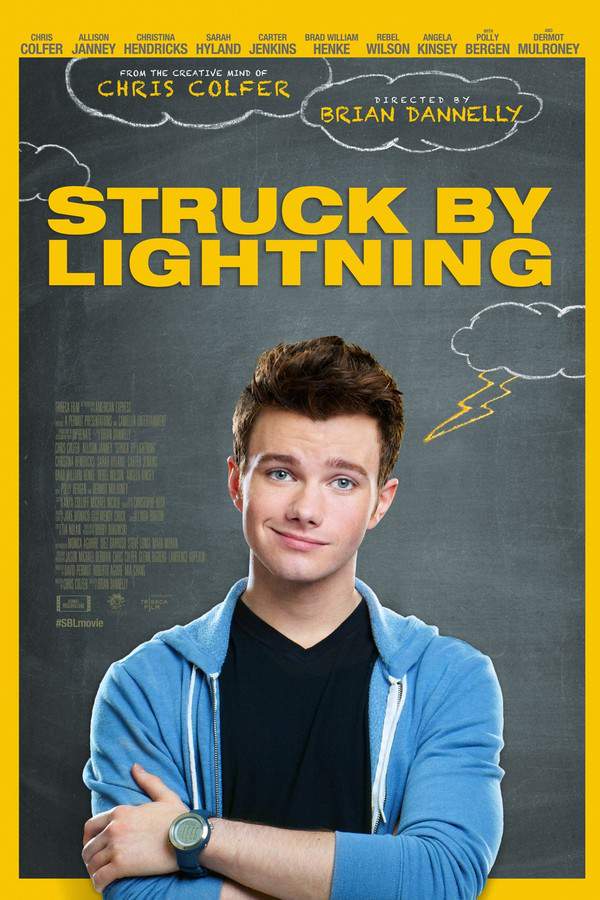
Struck by Lightning
Year: 2013
Runtime: 90 min
Language: English
Director: Brian Dannelly
Carson Phillips, a high school senior, has a meticulously crafted plan for his future, but his life is tragically cut short when he's struck by lightning. Through a series of flashbacks, we learn about his relationships with his parents, his complicated feelings for a girl, and the realization that his carefully constructed image wasn't entirely genuine. The film explores themes of family, regret, and the importance of living in the present, revealing a surprising amount of humor amidst the poignant circumstances.
Warning: spoilers below!
Haven’t seen Struck by Lightning yet? This summary contains major spoilers. Bookmark the page, watch the movie, and come back for the full breakdown. If you're ready, scroll on and relive the story!
Struck by Lightning (2013) – Full Plot Summary & Ending Explained
Read the complete plot breakdown of Struck by Lightning (2013), including all key story events, major twists, and the ending explained in detail. Discover what really happened—and what it all means.
Carson Phillips, a high school senior, is struck dead by lightning, and the film unfolds as a reflective flashback to his last months, a time when he chased a dream of attending Northwestern University to become an editor for The New Yorker, a dream that remains tantalizingly out of reach as life threads pull him in conflicting directions.
In the writers’ world of the school, Malerie Baggs seeks Carson’s guidance about her writing, and he offers a simple but provocative idea: ideas have to find you. This moment anchors the film’s meditation on creativity, risk, and the pressure to perform in a social environment that both props up and punishes its members. Carson’s presence is felt at a student council meeting presided over by head cheerleader Claire Matthews, where his blunt truths make others wince, and where the crowd’s indifference underscores how easily truth can be brushed aside in a crowded hallway of judgments.
At home, the ordinary becomes complicated. Sheryl, Carson’s mother, picks up prescriptions and chats with the pharmacist April Adams, a pregnant woman who will soon be linked to the family in new, unsettled ways. Carson also visits his grandmother, whose battle with Alzheimer’s adds a quiet, aching layer to the narrative about memory and loss. The night closes with a sharp discovery: Carson, while working late on the school paper, witnesses Nicholas Forbes, a wealthy student, kissing Scott Thomas, the drama club president. Nicholas pleads to keep the moment secret, and Carson agrees only if they contribute to the paper through graduation, turning secrets into leverage and art into a form of resistance.
The film intensifies as Neal, Carson’s father, and April confront legal realities, with April learning that Neal is still legally married and has another child. The revelation sows more questions about loyalty, responsibility, and the costs of keeping appearances intact. To boost his Northwestern bid, Carson persuades the school to allow the creation of a literary magazine. He secures permission from the principal and announces an open call for submissions, only to find the box empty of any real content. Malerie suspects a deeper web of secrets within the student body and worries about the consequences of exposing them.
As the plot thickens, Sheryl confronts April about the unborn child, and April discovers Carson’s name on an antidepressant prescription, a moment that makes the personal stakes feel even more intimate. The writer’s club float becomes a casualty of the homecoming parade when the cheerleaders seize their designated car, leaving Carson and Malerie humiliated. In response, the two embark on a risky tactic: they coerce peers into writing for the magazine, expanding the circle to include school paper members, the yearbook president, and even a faux foreign exchange student, Emilio, transforming private secrets into material for publication.
A tense meeting with the other students and Coach Walker leads Carson to push for broader participation, insisting that everyone offer something to safeguard their secrets. He has Claire and Coach Walker coax each contributor—cheerleaders and football players alike—into sharing something, making the magazine seem more exciting to the student body while also raising the stakes for those involved.
Over a dinner with Neal and April, Carson’s outburst-like moment reveals fissures in family life—past choices, forgiveness, and the fragile trust that binds them. A subsequent assembly at the school leads to a harsh consequence: Carson’s outcry against a clothing logo ban triggers the withdrawal of off-campus privileges for students, a punitive decision that further complicates his already fragile social standing.
In a later, more intimate confrontation, Sheryl tells April about sacrificing everything for Neal in the past, admitting that she, too, was left with nothing. She confesses that she once had a child to hold onto him, but it did not change the outcome. Carson completes the literary magazine, yet the dream slips away: although Northwestern accepts him, he never confirms his admission, and he loses the slot in a way that mirrors the broader theme of unfulfilled promises. In a painful confession, Sheryl reveals she threw away the acceptance letter to protect him from disappointment, a decision that underscores the film’s recurring tension between protection and suffocation.
As the unread magazines are packed away, Malerie explains her habit of filming everything: she believes the present moment is the most important one, not the past. When she asks whether they are friends, Carson affirms that they are best friends, hinting at a bond that transcends the turmoil around them. Carson then writes his own story, a meta-reflection on how he managed to coax others into writing for the magazine and how his actions, however imperfect, helped others find their voices. With a quiet, almost ceremonial acceptance of his fate, he steps outside as thunder rumbles, signaling the storm that has always loomed over him.
The tragedy arrives with the slow revelation that Carson’s body is not found for three days. At the funeral, a wide spectrum of the school community— from those who admired him to those who despised him—recognizes that his life left a real impression. In the wake of his death, Malerie takes over as president of the writers’ club, continuing the work they started together, while Sheryl visits her mother in assisted care, the film closing on a note of unresolved family histories and the enduring impact of one student’s stubborn insistence on telling the truth.
Last Updated: October 09, 2025 at 16:17

Explore Movie Threads
Discover curated groups of movies connected by mood, themes, and story style. Browse collections built around emotion, atmosphere, and narrative focus to easily find films that match what you feel like watching right now.
Movies about lives revisited after a tragedy like Struck by Lightning
Stories that reflect on a life through the lens of its untimely end.If you liked the reflective, bittersweet tone of Struck by Lightning, you'll find similar movies here. These films explore a character's life and legacy after a sudden death, using memory and flashbacks to tell stories about unfulfilled potential, family secrets, and the bittersweet nature of looking back.
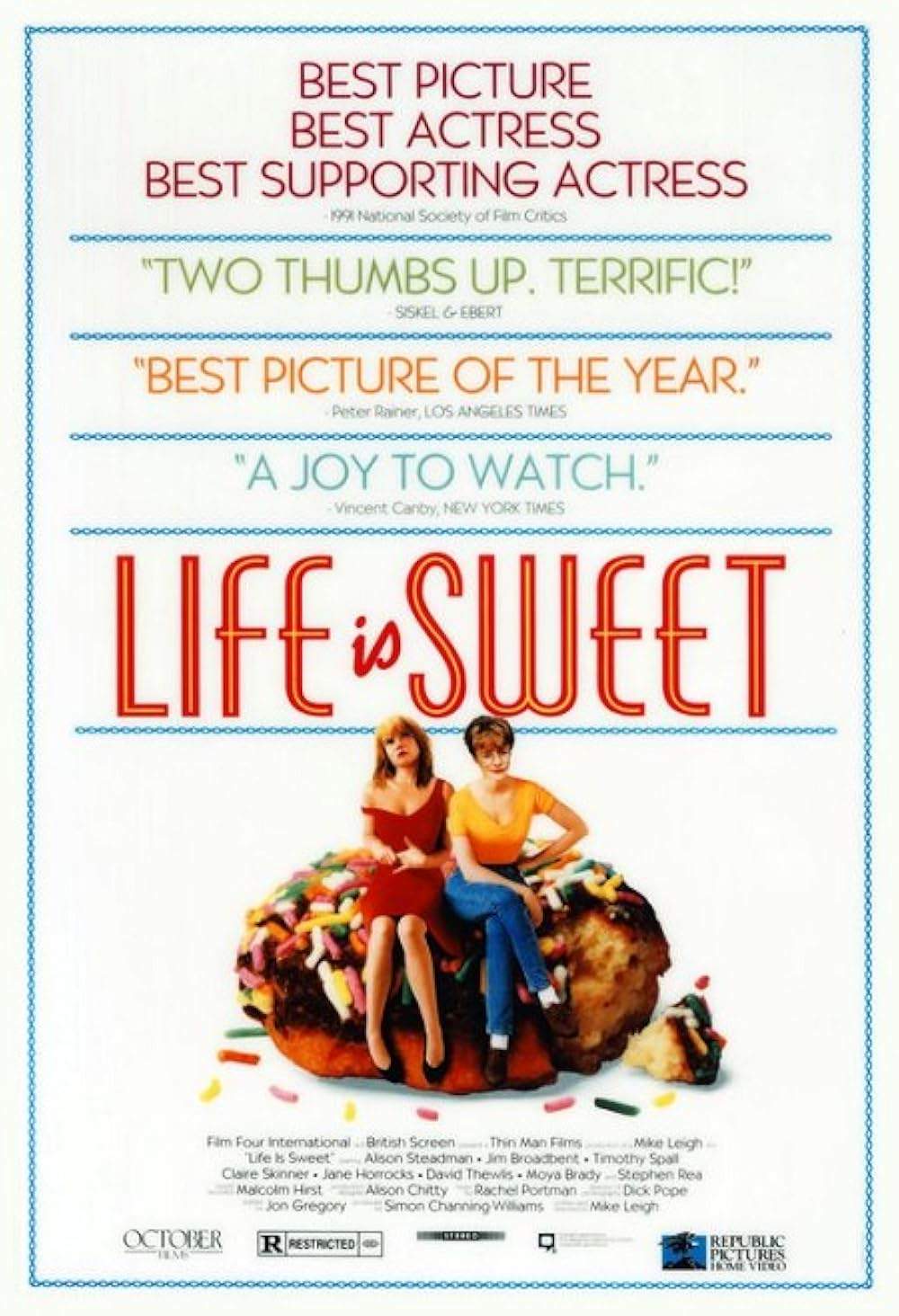
Life Is Sweet
1991
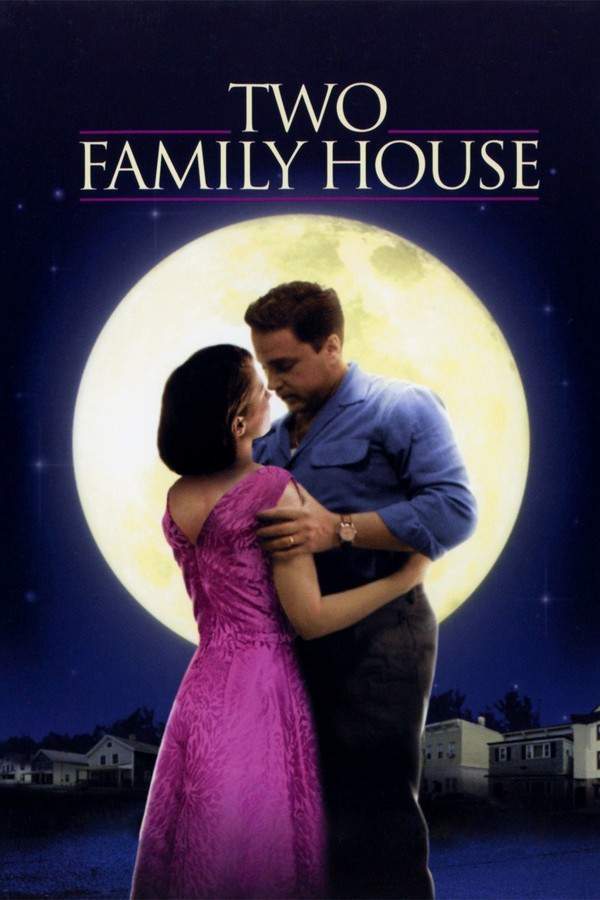
Two Family House
2000

Lucky Them
2014
Struck by Lightning
2013
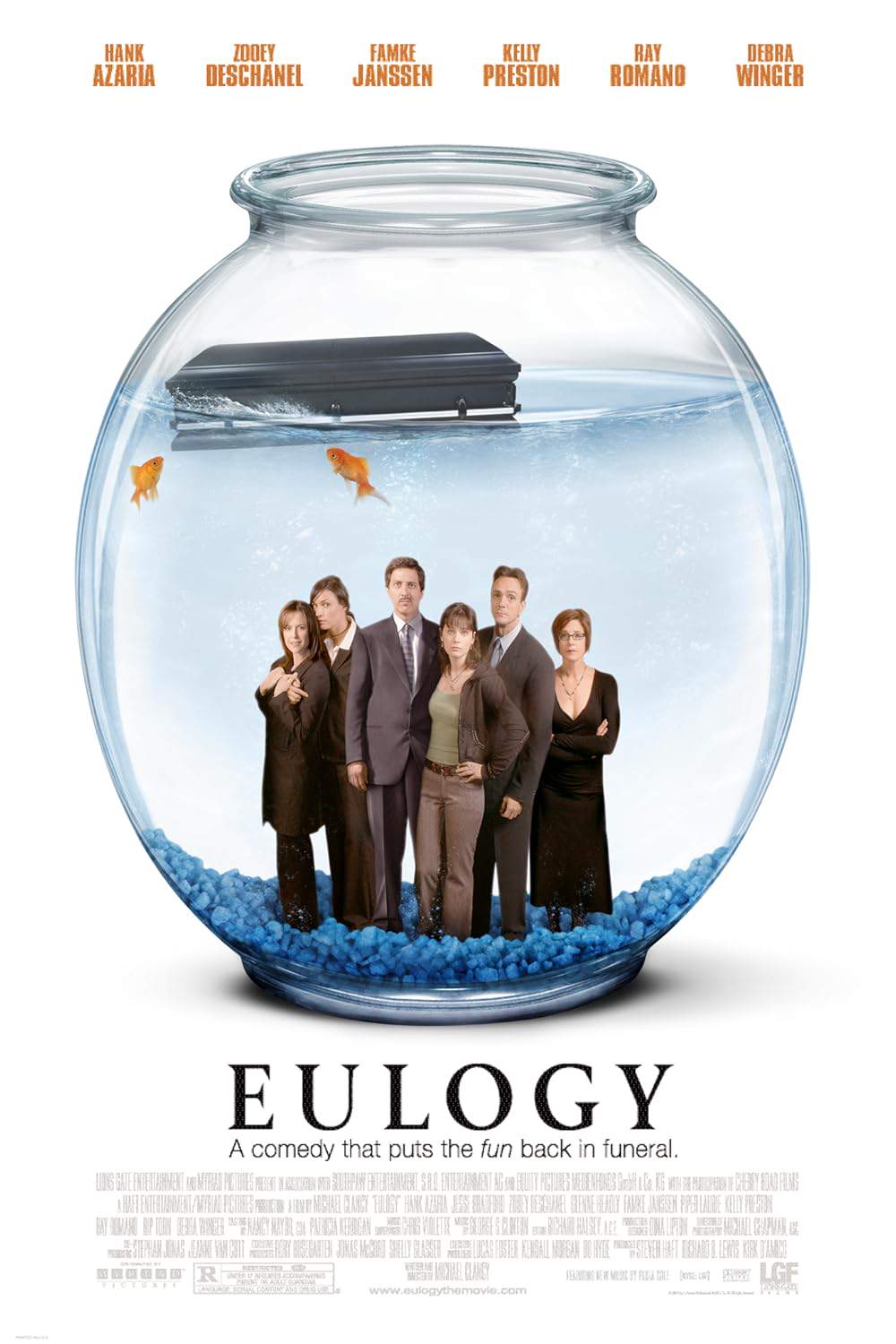
Eulogy
2004
Twice in a Lifetime
1985

Long Life, Happiness and Prosperity
2002

Four Shades of Brown
2004

Look for the Silver Lining
1949

Life Begins at Eight-Thirty
1942

Turn Back the Clock
1933

My Life So Far
1999

The Lifeguards
2024

Bright Leaf
1950
Regretting You
2025
Narrative Summary
These narratives often begin with or revolve around a character's death, using a non-linear structure to explore their past. The journey involves uncovering hidden truths, examining the gap between aspiration and reality, and ultimately leading to a reassessment of the character's life by both the audience and the people they left behind.
Why These Movies?
Movies are grouped here for their shared focus on posthumous reflection, a bittersweet emotional tone that balances wit with sorrow, and a narrative structure that prioritizes character revelation over plot-driven action. They create a specific, contemplative mood centered on mortality and memory.
Movies with witty, ambitious teen protagonists like in Struck by Lightning
About overly-ambitious, cynical teens navigating dysfunctional worlds.Fans of Carson Phillips's cynical charm in Struck by Lightning will enjoy these films. They feature similarly sharp, creative teen leads navigating high school life and family dysfunction with dark humor and big ambitions, often leading to bittersweet revelations about themselves and the world.

New Waterford Girl
2000
Big Time Adolescence
2020

Wonder Boys
2000
American Teen
2008

The Edge of Seventeen
2016
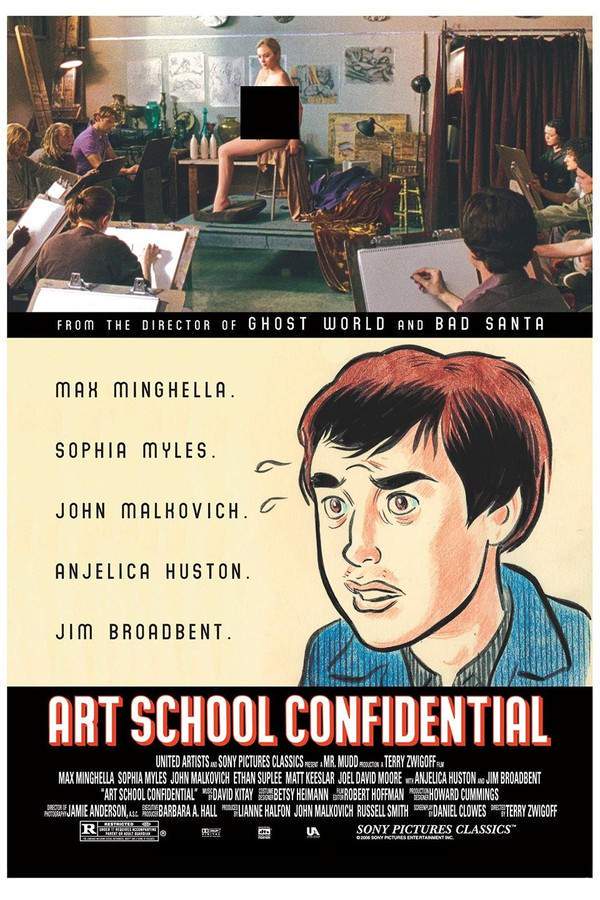
Art School Confidential
2006

Honor Society
2022
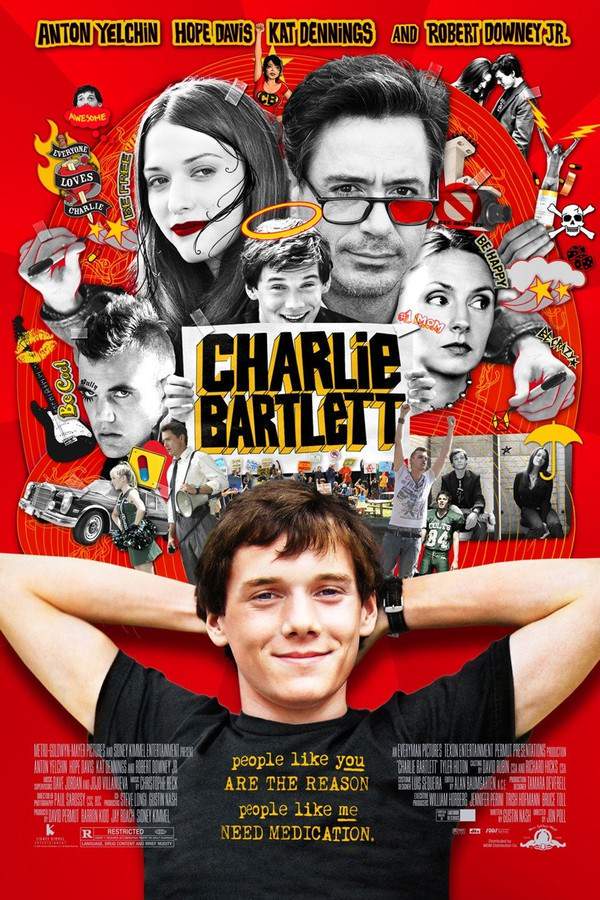
Charlie Bartlett
2008
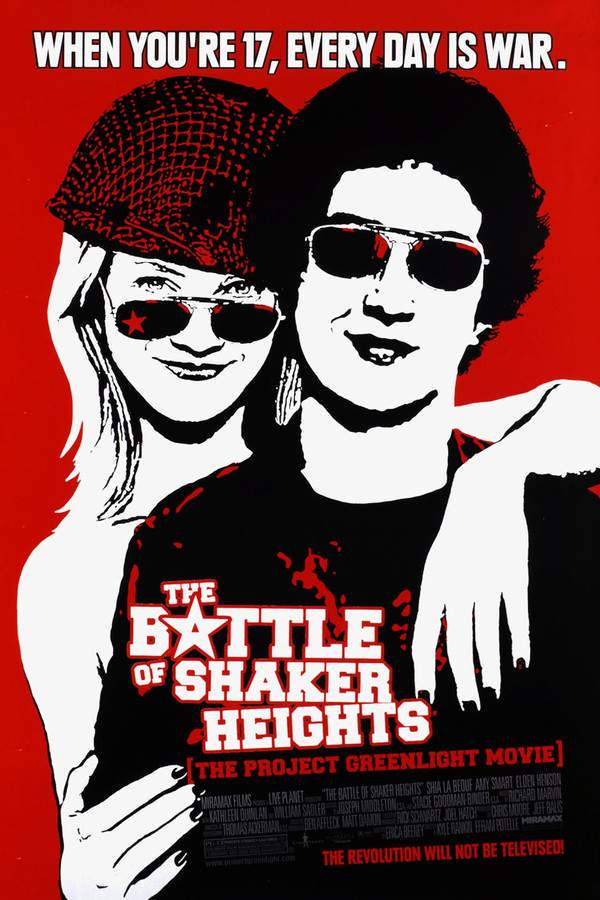
The Battle of Shaker Heights
2003

Reckless
1984
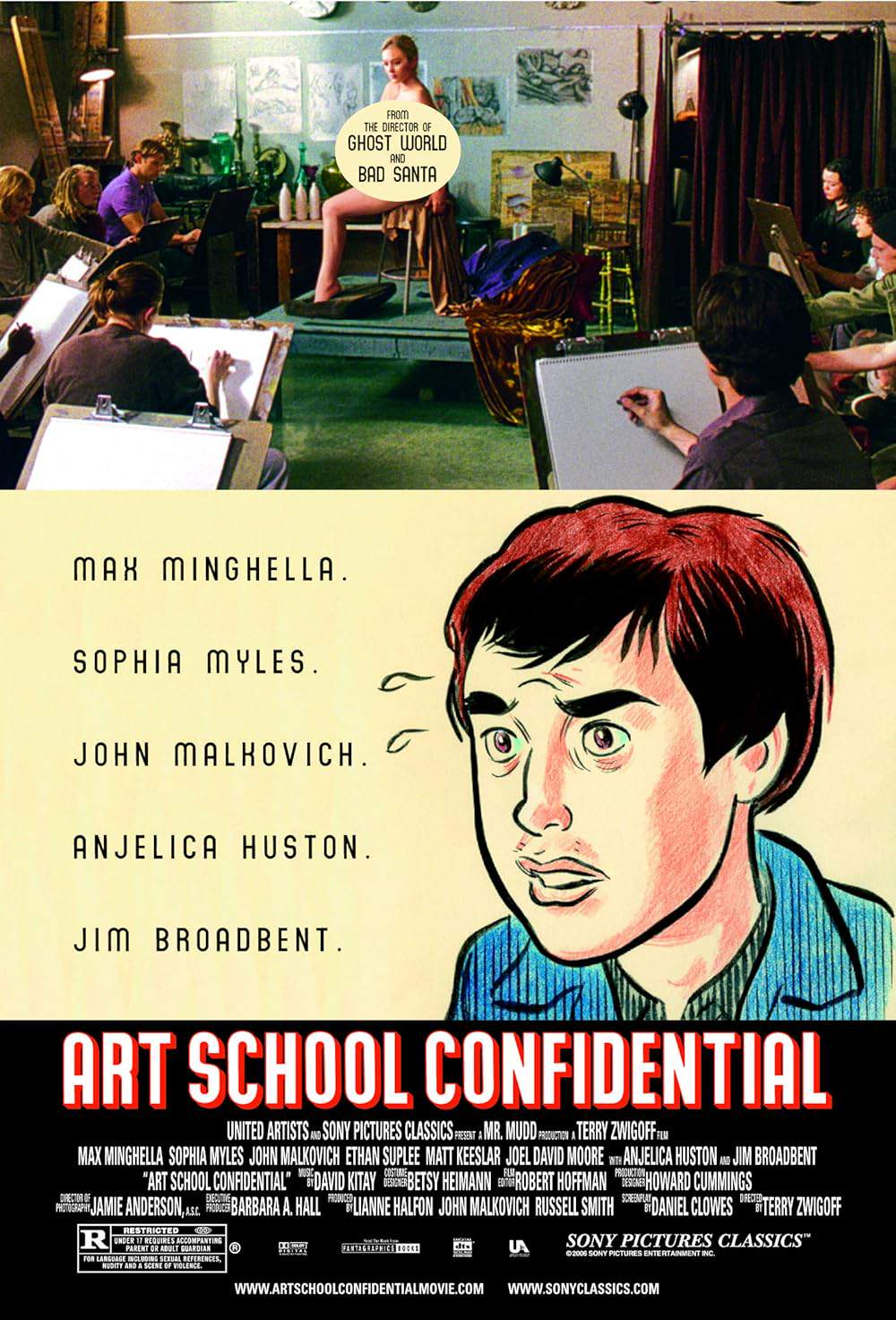
Film School Confidential
2006
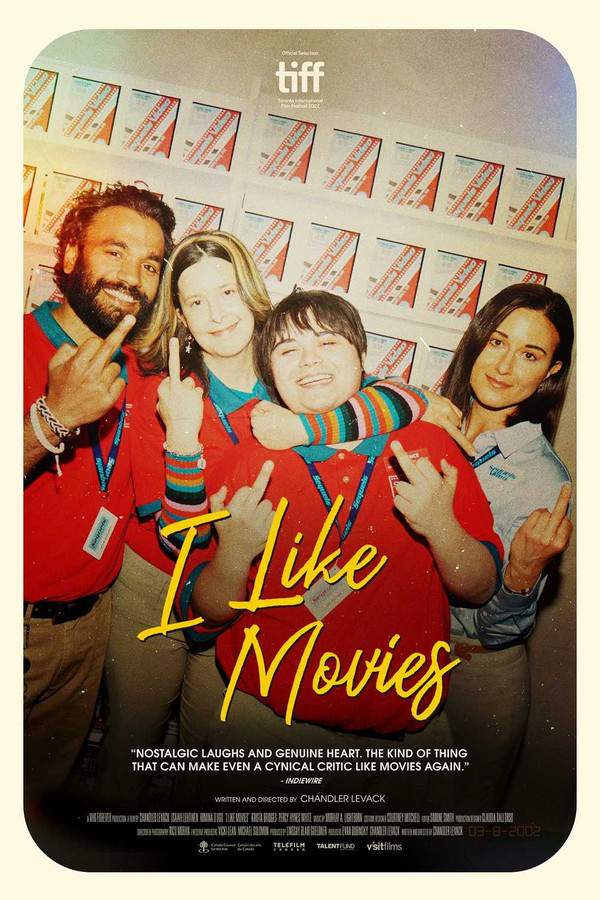
I Like Movies
2024

Purely Belter
2000

School of Life
2004

Never Going Back
2020
Narrative Summary
The narrative follows a highly intelligent but socially isolated teenager who has grand plans for the future. Their journey involves clashing with the mundane reality of high school and a troubled home life, leading to schemes that provide dark comedy while also forcing a confrontation with their own vulnerabilities and the complexity of human relationships.
Why These Movies?
These films share a specific character archetype—the precocious, cynical teen—and a tonal blend of dark humor and genuine heartache. The pacing is steady, focusing on character development and the ironic gap between a character's intellectual confidence and their emotional naivete.
Unlock the Full Story of Struck by Lightning
Don't stop at just watching — explore Struck by Lightning in full detail. From the complete plot summary and scene-by-scene timeline to character breakdowns, thematic analysis, and a deep dive into the ending — every page helps you truly understand what Struck by Lightning is all about. Plus, discover what's next after the movie.
Struck by Lightning Timeline
Track the full timeline of Struck by Lightning with every major event arranged chronologically. Perfect for decoding non-linear storytelling, flashbacks, or parallel narratives with a clear scene-by-scene breakdown.

Characters, Settings & Themes in Struck by Lightning
Discover the characters, locations, and core themes that shape Struck by Lightning. Get insights into symbolic elements, setting significance, and deeper narrative meaning — ideal for thematic analysis and movie breakdowns.