Year: 1989
Runtime: 95 mins
Language: English
The career where two heads are better than one. Pressure from his boss and a skin-cream client produces a talking boil on a British adman’s neck.
Find where to stream, rent, or buy How to Get Ahead in Advertising (1989) in the US with current JustWatch availability, up-to-date pricing, and platform listings for subscription, rental, and digital purchase options.
Warning: spoilers below!
Haven’t seen How to Get Ahead in Advertising yet? This summary contains major spoilers. Bookmark the page, watch the movie, and come back for the full breakdown. If you're ready, scroll on and relive the story!
Trace every key event in How to Get Ahead in Advertising (1989) with our detailed, chronological timeline. Perfect for unpacking nonlinear stories, spotting hidden connections, and understanding how each scene builds toward the film’s climax. Whether you're revisiting or decoding for the first time, this timeline gives you the full picture.
Last updated: March 05, 2026 at 18:39
Find frequently asked questions about the How to Get Ahead in Advertising (1989) timeline, including chronological order, nonlinear jumps, cause-and-effect links, and scene sequence clarifications. This timeline FAQ helps explain when key events happen, how moments connect, and why the story unfolds in that specific order.
The boil manifests as a physical representation of Bagley's psychological split. After his nervous breakdown triggered by guilt over advertising ethics, his conscience takes literal form as the cynical boil that mocks the very profession he once embraced. The talking boil acts as a surreal embodiment of his inner conflict between ambition and morality.
Bagley's crisis of conscience begins during the pimple-cream ad shoot, hinting at the skin-related transformation to come.
Just before the operation, the boil on Bagley's right shoulder grows into a full replica of his head, complete with a moustache. The surgeons, unaware of the identity switch, remove what they believe is just an overgrown boil. Meanwhile, Bagley's original head remains attached to his body but appears as a boil on his left shoulder, creating a grotesque three-person situation.
The film establishes early on that the boil has its own personality and voice, suggesting it can become more than just a skin growth.
Bagley's original head is mistaken for a boil by the medical team and gets lanced during the procedure. It survives though, persisting as a visible boil on Bagley's left shoulder while the boil-headed replica becomes his main identity. The original head remains conscious but ignored, a surreal reminder of his former self.
The film sets up the confusion between the boil and Bagley's head when the boil first appears with its own distinct voice and personality.
Julia cannot tolerate the ruthless, cold persona that replaces her husband. The boil-headed Bagley brings a chilling efficiency to his work and personal interactions, abandoning the warmth and ethics his original self possessed. This transformation represents the complete corruption of the man she married, prompting her to choose self-preservation over watching her spouse become a stranger.
Julia's supportive nature is established early, making her eventual departure more impactful as evidence of how fundamentally Bagley has changed.
The boil represents the parasitic nature of advertising consuming Bagley's identity. It embodies his suppressed cynicism about the industry, his guilt over manipulative work, and his split self - the ethical man versus the opportunistic advertiser. The boil feeds on his ambition while mocking the very commerce that created it.
The boil appears right after Bagley's ethical crisis, directly linking his professional conscience to the physical manifestation.
Bagley does not die. He survives the surreal transformation and returns to advertising with renewed, ruthless success. The boil-headed persona withers but refuses to completely die, symbolizing how the corruption becomes permanent. Bagley lives on as a successful but morally hollow figure, alone without his wife.
The boil's survival is established when it grows a new head rather than being destroyed by the surgery.
The boil-headed persona embodies the cutthroat mentality that dominates advertising - willing to do whatever it takes to win campaigns without ethical hesitation. This ruthless edge allows Bagley to climb the career ladder faster than his conscience-plagued original self ever could,讽刺的是 representing everything he once opposed.
The boil initially mocks Bagley's ethical concerns, suggesting the cynical approach is more effective in their industry.
The boil head is technically the boil itself - it grows into a replica of Bagley's head with a moustache rather than being Bagley's actual head. However, it becomes Bagley's dominant identity after surgery. The original Bagley head exists as a small boil on his left shoulder, creating a surreal three-way identity where the parasitic boil has successfully replaced the host.
The boil is established as a separate entity with its own voice and personality from the start.
The film presents advertising as a corrupting force that demands people sacrifice their ethics for success. Bagley's transformation into a boil-headed powerhouse shows how the industry rewards ruthless manipulation and punishes conscience. The surreal body horror literalizes how commercial work can consume one's humanity, with the boil representing the parasitic relationship between advertiser and consumer.
The boil's cynical commentary on ad campaigns directly critiques the manipulative tactics Bagley once used.
The boil does not fully die. While it withers as Bagley returns to work, it refuses to disappear completely, remaining as a persistent presence on his shoulder. This suggests the corruption is now inseparable from Bagley's identity - he cannot return to his former self even if he wanted to.
The boil's resilience is shown when it grows a new head despite the surgery attempt.
Discover curated groups of movies connected by mood, themes, and story style. Browse collections built around emotion, atmosphere, and narrative focus to easily find films that match what you feel like watching right now.
Biting critiques of capitalism that descend into feverish surrealism.If you enjoyed the biting satire and surreal horror of How to Get Ahead in Advertising, explore more films that skewer corporate culture with dark humor and psychological unease. These movies feature characters unraveling under the pressures of capitalism.
These stories often follow a professional's moral or psychological crisis, where the pressures of their career manifest in bizarre, surreal, or fantastical ways, leading to a darkly comedic critique of their world.
They are grouped together because they share a cynical, satirical tone, a fast-paced descent into madness, and a blend of comedy with unsettling, often body-related horror that reflects internal turmoil.

Stories where a character's mind and body rebel, blurring the line of self.Fans of How to Get Ahead in Advertising's portrayal of a man consumed by his own creation will find similar themes in these films about psychological collapse and identity horror. Discover stories where internal conflict becomes terrifyingly external.
The narrative centers on a single character's rapid psychological unraveling, often represented through a physical metaphor like a boil or doppelgänger, leading to a bleak conclusion where their original self is lost.
They share a focus on a heavy emotional journey, high-tension pacing, and a bleak ending rooted in the loss of self. The core connection is the theme of possession or transformation driven by internal conflict.
Don't stop at just watching - explore How to Get Ahead in Advertising in full detail. From the complete plot summary and scene-by-scene timeline to character breakdowns, thematic analysis, and a deep dive into the ending - every page helps you truly understand what How to Get Ahead in Advertising is all about. Plus, discover what's next after the movie.
Read a complete plot summary of How to Get Ahead in Advertising, including all key story points, character arcs, and turning points. This in-depth recap is ideal for understanding the narrative structure or reviewing what happened in the movie.
Discover the characters, locations, and core themes that shape How to Get Ahead in Advertising. Get insights into symbolic elements, setting significance, and deeper narrative meaning - ideal for thematic analysis and movie breakdowns.
Discover movies like How to Get Ahead in Advertising that share similar genres, themes, and storytelling elements. Whether you’re drawn to the atmosphere, character arcs, or plot structure, these curated recommendations will help you explore more films you’ll love.
How to Get Ahead in Advertising (1989) Plot Summary & Movie Recap
How to Get Ahead in Advertising (1989) Scene-by-Scene Movie Timeline
How to Get Ahead in Advertising (1989) Spoiler-Free Summary & Key Flow
Movies Like How to Get Ahead in Advertising – Similar Titles You’ll Enjoy
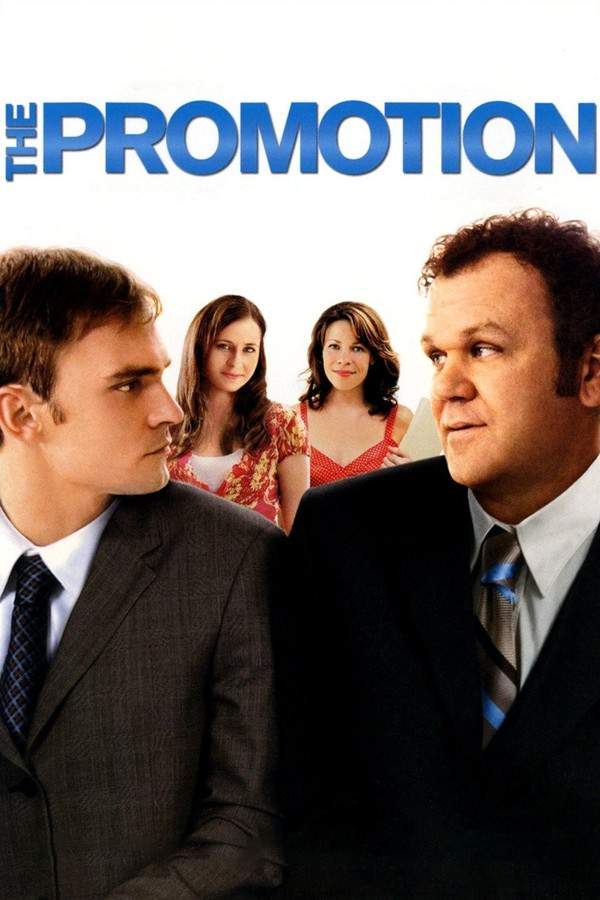
The Promotion (2008) Spoiler-Packed Plot Recap
Crazy People (1990) Complete Plot Breakdown
Good Advice (2001) Story Summary & Characters
Advertising Rules! (2001) Detailed Story Recap
Beer (1985) Full Summary & Key Details
The Tall Guy (1989) Spoiler-Packed Plot Recap
How to Get Ahead in Advertising (1989) Ending Explained & Film Insights
There’s a Girl in My Soup (1970) Film Overview & Timeline
Every Home Should Have One (1970) Film Overview & Timeline
Three and Out (2008) Film Overview & Timeline
Nothing Funny (1995) Ending Explained & Film Insights
Putney Swope (1969) Full Summary & Key Details
Corporate Affairs (2008) Story Summary & Characters
It Pays to Advertise (1931) Movie Recap & Themes
What Just Happened (2008) Film Overview & Timeline