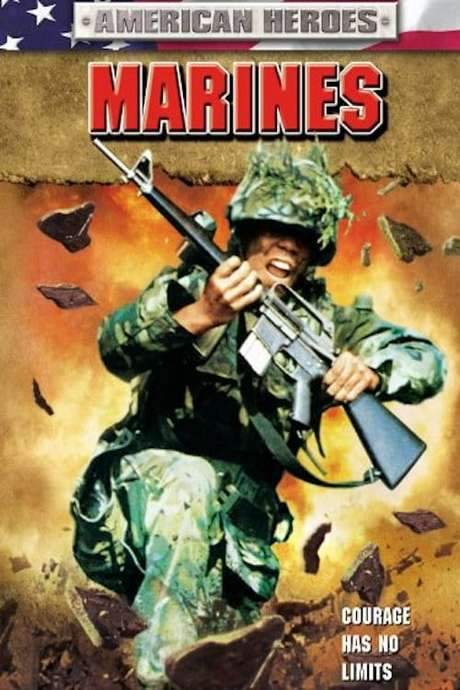
After Slip Mahoney is drafted into the Marines, the rest of the gang volunteers so they can stay close and support him, turning their camaraderie into a shared mission. The trouble begins with Sach Jones, a spirited and impulsive member who first lands in hot water by impersonating a doctor, then finds himself in even more trouble while on KP duty when he accidentally creates a bouillon capable of melting any known metal. His actions soon pull him into the orbit of higher authority, and he is summoned to the colonel’s office to account for his missteps. The stern encounter reveals a surprising connection: the colonel had fought alongside Sach’s father, Horace Debussy Sr., during World War I, and the elder Debussy’s service earns Sach a sort of reluctant respect and a sense of belonging within the ranks.
The gang’s leadership style under Sach is energetic and sometimes exasperating; he drives his men with constant drills, sharp whistles, and a fast pace that keeps everyone on their toes. On a march, they come across a soldier left for dead along the road, a gruesome reminder of the stakes they face. Slip, ever the resourceful coordinator, tracks a clue—a playing card found beside the fallen marine—to Jolly Joe Johnson’s gambling house, a casino where luck apparently tilts against them. They pay the place a visit, suspecting foul play as the odds consistently turn against the Marines, and the atmosphere tightens with equal parts bravado and suspicion.
Back at the base, the plotting to rebuke Sach intensifies. The plan involves slipping what they believe to be an inert training bomb into his bed—an attempt to provoke punishment and push Sach back down the ranks. The moment escalates when MPs arrive with Captain Miller, who, in a firm exchange, scolds Sach for failing to recognize a dud and then discards the bomb out the barracks window, where it explodes with unexpected consequences. The incident earns Sach a medal for heroism and lightens his path with a promotion to staff sergeant, followed by another step up to tech sergeant for his leadership during a field exercise.
As time passes, the crew’s exploits at the gambling house resume, this time under the cover of night. They are discovered by Jolly Joe and his gang, triggering a brisk confrontation that is interrupted by two Marine intelligence officers who arrive to take the criminals into custody. The tension surrounding Sach’s career resurfaces when he is accused of wrongs involving a girl in the barracks, and he is stripped of his promotions in the wake of organizational changes—new leadership takes hold, including a fresh colonel who clashes with a soldier known as “Wildcat” Terry Mahoney. The dynamic shifts once again when Slip, posing as a relative to gain influence, is promoted and, true to form, uses the moment to teach Sach a hard lesson. He drags him through a long drill, only to reveal—much to Sach’s chagrin—that he has no real idea who this “Wildcat” Mahoney is, underscoring the playful rivalry and the rough-and-tumble camaraderie that bind the group together.
Throughout these events, the Marine environment is portrayed with a light, brisk humor that sits alongside moments of danger and discipline. The sequence of promotions, rescues, and punishments creates a rhythm that alternates between competition and loyalty, with the gang’s bond remaining the central through-line. The film blends farce with military life, using the characters’ ups and downs to explore themes of belonging, merit, and the unpredictability of life in uniform, all while keeping the tone accessible and entertaining for audiences who enjoy a fast-paced, ensemble-driven adventure.