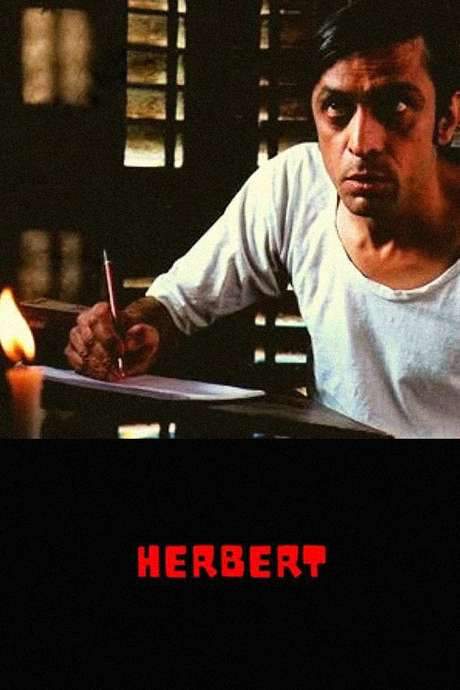
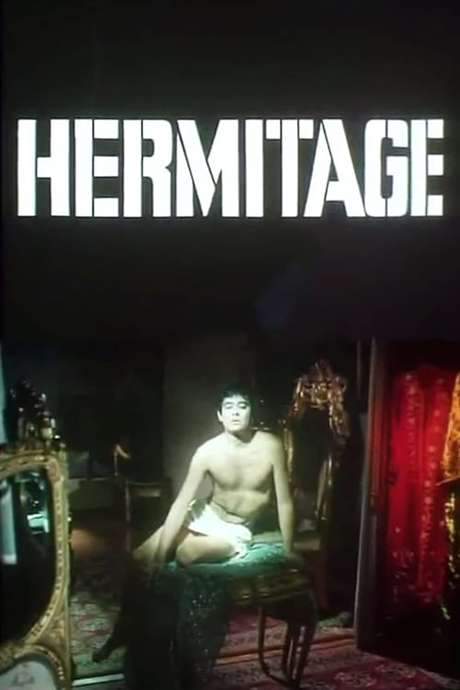
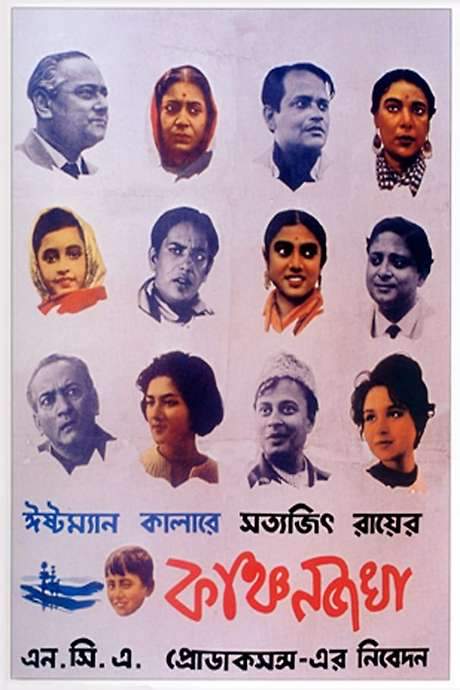
Herbert Sarkar is introduced as a forty-year-old crank and a self-proclaimed mystic who claims he can speak with the dead to earn his living. After a night of heavy drinking with friends, he slits his wrists and dies. The very next day, the police shift their attention to him as a posthumous bomber, and the story unfolds through a non-linear, dreamlike structure that blends magical realism with a fragmented life story. Through these shifting perspectives, we witness the peculiar, sometimes comic, sometimes tragic rhythm of his existence.
Herbert is depicted as the son of a wealthy Bengali film director. His family includes his simple-minded mother, his director father, and the extended clan of his uncle, aunt, and their two sons, Dhanna and Krishna. Tragedy strikes early when his father dies during a birthday celebration on a shoot with his mistress, Miss Lily, and his mother dies soon after from an accidental electrocution. With the house and wealth eventually controlled by his uncle’s family, Herbert becomes the errand boy and a recurring butt of jokes from neighbors for his eccentricities. His world is complicated by family dynamics: his cousin Dhanna uses him to cheat on exams, while Krishna, the elder cousin, grows fond of Herbert and his son Binu, and exposes them to revolutionary ideas and cinema.
Krishna exposes Herbert and Binu to the world beyond their home, introducing them to Lenin, Mao, Stalin, Ho Chi Minh, and the cinematic portrayals of revolution. He later secures a professorship and moves away, leaving behind a copy of Ten Days That Shook the World and a set of books for Herbert to explore. A new family then moves into the neighborhood, and Herbert befriends Banalata (often called Buki in the tale); the two develop feelings for each other, but Buki’s life is disrupted when her father is transferred and she must move again. During this period, Herbert discovers a trunk full of occult books and a human skull in the house, and he begins to immerse himself in occult subjects, deepening his fascination with the unseen.
Time progresses to the 1970s, when Binu returns to Kolkata with his father to study at Presidency College. Binu joins the Naxalite movement against the Congress government, living a perilous life hiding from the police as the crackdown on rebels intensifies. One night, a visit from Binu ends with Herbert urging his friend to stay the night, but Binu departs and is shot by a police informer. On his deathbed, Binu reveals the diary’s location—hidden behind a Kali idol in the prayer room—and Herbert claims to have received this information in a dream, convincing others that he can communicate with the dead. This marks a turning point as Herbert becomes a local sensation, launching a thriving enterprise called Dialogues with the Dead and earning both money and respect for the first time in his life.
Yet success is fragile. The International Rationalist Society arrives, declaring Herbert a fraud and threatening legal action unless he closes shop. They confront him, and the scene signals the film’s framing—an investigative arc that hints at the very first moments of the movie. The authorities struggle to uncover any clear motive behind the earlier blast, leaving the case shrouded in mystery and suspicion.
In the film’s revelation, it is uncovered that Binu, during a late-night visit, had stashed hand grenades smuggled from Albania inside Herbert’s sleeping mattress. Binu planned to return to remove them, but he is shot before he can. After Herbert’s death, Dhanna arranges to cremate the mattress with the body, and the grenades ignite inside the cremation chamber, causing a deadly explosion that consumes bystanders and cements Herbert’s posthumous bomber status. The narrative closes on this tragic, ironic note, weaving together memory, guilt, and the unforeseen consequences of a life entangled with death and belief.