Plot Explained Spoilers guaranteed!
Plot Explained

Browse by genre

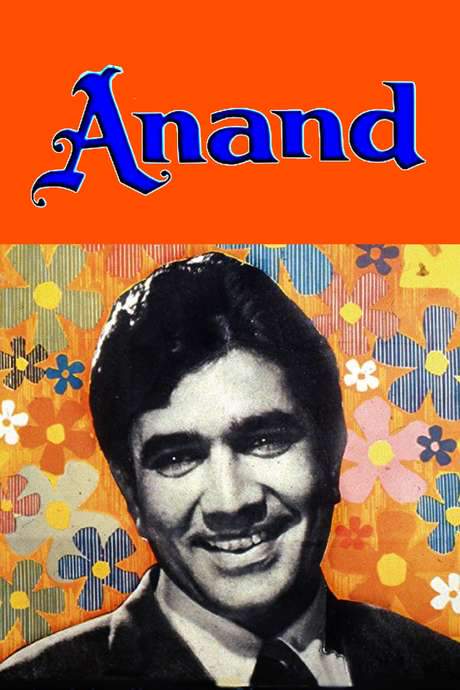
Anand (1971) movie poster

Plot Summary

Anand (1971) Plot Summary Explained

Release, runtime and language
1971 · 122 mins · Hindi
Loading streaming availability…
Directed by
Hrishikesh Mukherjee
Starring
Amitabh Bachchan, Seema Deo, Ramesh Deo, Dara Singh, Rajesh Khanna, Johnny Walker

Dr. Bhaskar Bannerjee, a compassionate physician haunted by the daily poverty and suffering of his patients, treats Anand, a cancer patient who learns his death is imminent. Determined to make the most of his remaining days, Anand resolves to live fully, seeking joy and meaning in every moment, while Dr. Bannerjee strives to bring comfort amid the bleak circumstances.

On this page (6)
  1. 1 Where to watch
  2. 2 What happens: full plot
  3. 3 Plot questions answered
  4. 4 Movie threads
  5. 5 Movies like Anand
  6. 6 Every angle
Loading streaming availability…

Full plot summary · contains spoilers

What Happens in Anand: Full Plot Summary

The whole story of Anand (1971) explained, from the opening scene to the final frame: every key event, every twist and what it all adds up to. Read it as a quick recap before the sequel, to check a scene you missed, or to finally understand what really happened.

At an award ceremony in Mumbai for his first book, Anand, Dr. Bhaskar Banerjee is asked to speak about the book. He explains that the work is drawn from his diary excerpts about meeting Anand and recounts that experience to the audience, offering a window into a life defined by compassion and struggle.

Bhaskar, an oncologist, dedicates his practice to treating the poor free of charge, yet he feels the weight of a world where not every ailment can be cured. This sense of limitation leaves him frequently disheartened as he confronts suffering, illness, and poverty that surround him. He remains steadfast in his belief that true care should not be reserved for the wealthy, even as he grapples with the gaps between idealism and reality.

His friend, Dr. Prakash Kulkarni, chooses a different path. While Bhaskar gives freely to the poor, Kulkarni tends to the needs of the rich, monetizing those services in a way that funds his efforts to help others. The two doctors represent contrasting approaches to healing and generosity, each driven by a personal code.

One day, Kulkarni introduces Bhaskar to Anand, who battles lymphosarcoma of the intestine, a rare and aggressive cancer. Despite knowing his prognosis—six months or less—Anand wears a bright, buoyant demeanor. His cheerfulness and vitality have a soothing effect on Bhaskar, whose own gravity and seriousness begin to soften in Anand’s presence. Anand possesses a remarkable gift: he attracts people and makes friends easily, leaving a lasting impression on everyone he meets.

In one memorable encounter, Anand befriends Isa Bhai, a theater actor. The two men form a genuine and heartwarming bond, sharing moments of humor, warmth, and mutual support that lighten the weight of Anand’s illness. This friendship underscores Anand’s ability to connect deeply with others, even as his own body weakens.

As Anand’s condition worsens, he rejects the idea of spending his remaining days confined to a hospital bed. He roams freely, choosing to live fully and to help those around him. During this time, he discovers that Bhaskar harbors strong feelings for Renu, whom Bhaskar had previously treated for pneumonia. Anand helps Bhaskar find the courage to express his love and even persuades Renu's mother to bless their marriage, nudging Bhaskar toward a future he once thought impossible.

Anand also reveals a past love from Delhi—a girl who is now married to someone else because of his illness. On the day she married, Anand traveled from Delhi to Mumbai to begin letting go, preserving a memory by placing a flower in his book. As his illness deepens, Anand becomes more housebound, yet he continues to influence those around him through small acts of care and shared moments.

There is a quiet, poignant ritual as Anand records Bhaskar reciting a poem and, in a moment of intimacy, delivering a line himself, both of them laughing together on tape. As his breaths grow fainter, friends gather, hoping for a final word from him. When Bhaskar is momentarily away to fetch medicines, Anand’s voice—captured on the tape—becomes a chorus of farewell. The room fills with emotion as the recording plays, and the friends weep together. In a final, symbolic image, a pair of balloons drifts upward into the sky, signaling Anand’s departure from the world and the lingering echoes of a life that refused to surrender to despair.

Last updated: October 07, 2025 at 09:41

Was this helpful?

Plot questions answered

Anand Plot Explained: Your Questions Answered

The questions people ask most about Anand (1971): what happens in the confusing scenes, why the characters do what they do, the twists, hidden details and what the ending means. Each answer contains spoilers.

Q1

Why is Anand so cheerful despite knowing he has terminal cancer?

Anand chooses to embrace life fully after learning his prognosis of six months or less. Rather than succumbed to despair, he decides to find joy and meaning in every moment. His cheerful demeanor isn't denial but a conscious decision to live positively for whatever time remains, and this outlook profoundly influences everyone around him, especially Dr. Bhaskar.

Foreshadowing: From the moment Anand enters the hospital, his sunny disposition immediately contrasts with the grim atmosphere of a cancer ward.

  • Anand
  • terminal cancer
  • positive attitude
  • living with cancer
  • cheerful demeanor
Q2

Why does Dr. Bhaskar refuse to treat wealthy patients with imaginary illnesses?

Dr. Bhaskar believes true medical care should not be reserved for the wealthy. He is haunted by the suffering he sees daily among poor patients and refuses to pander to rich patients who have imaginary ailments. This ethical stance creates tension but also defines his character as a doctor who prioritizes genuine need over financial gain.

Foreshadowing: This principle is established early when Bhaskar is depicted working at a clinic dedicated to treating the poor for free.

  • Dr. Bhaskar
  • wealthy patients
  • medical ethics
  • free treatment
  • oncologist
Q3

How does Anand help Dr. Bhaskar pursue his relationship with Renu?

Anand discovers that Bhaskar harbors strong feelings for Renu, a patient Bhaskar had previously treated for pneumonia. Using his gift for bringing people together, Anand encourages Bhaskar to express his love and convinces Renu's mother to bless their marriage, helping Bhaskar find happiness he thought was impossible.

Foreshadowing: Anand's ability to read people and sense their true feelings becomes evident early in his friendship with Bhaskar.

  • Anand
  • Renu
  • Dr. Bhaskar
  • love story
  • marriage
  • help
Q4

What is the significance of Anand's past love from Delhi?

Anand reveals he had a love in Delhi who married someone else because of his illness. On the day she married, he traveled from Delhi to Mumbai to begin letting go of that chapter. He preserves a flower in his book as a memorial to that lost love, showing the personal heartbreak behind his cheerful exterior.

Foreshadowing: This backstory explains why Anand is so determined to live fully and help others find happiness.

  • Delhi
  • lost love
  • past relationship
  • flower
  • memory
Q5

Why does Anand refuse to stay in the hospital as his condition worsens?

Anand rejects the idea of spending his remaining days confined to a hospital bed. Instead, he chooses to roam freely through the city, living fully and helping others. This decision reflects his philosophy of embracing life rather than passively waiting for death.

Foreshadowing: This choice is consistent with Anand's character from the moment he is introduced, always moving, always connecting with people.

  • hospital
  • confinement
  • freedom
  • living fully
  • choices
Q6

What is the significance of the tape recording at the end of the film?

In his final days, Anand records Bhaskar reciting a poem and captures a moment of shared laughter between them. When Bhaskar briefly leaves to fetch medicines, Anand dies. The tape then plays automatically, delivering Anand's voice as an unexpected farewell to his grieving friends, becoming a poignant final message from beyond.

Foreshadowing: This quiet recording session is set up as an intimate moment between the two, foreshadowing its emotional payoff at the climax.

  • tape recording
  • farewell
  • final message
  • poem
  • Bhaskar
Q7

What role does Anand's friendship with Isa Bhai play in the story?

Anand befriends Isa Bhai, a theater actor, forming a heartwarming bond that demonstrates Anand's remarkable ability to attract people and make lasting connections. Their friendship adds warmth and levity to the film, showcasing Anand's infectious charm beyond his relationship with Dr. Bhaskar.

Foreshadowing: This friendship occurs early in the story, establishing Anand's character as someone who brings joy to everyone he meets.

  • Isa Bhai
  • theater actor
  • friendship
  • connection
  • Mumbai
Q8

How do Dr. Kulkarni and Dr. Bhaskar represent different approaches to medicine?

Dr. Kulkarni treats imaginary illnesses of wealthy patients and uses that money to fund care for the poor, creating a practical system. Dr. Bhaskar, by contrast, treats only the poor for free and refuses to engage with wealthy patients at all. Their contrast represents two different philosophies of healing and generosity, one pragmatic, one idealistic.

Foreshadowing: Kulkarni introduces Anand to Bhaskar, setting the main relationship of the film in motion.

  • Dr. Kulkarni
  • Dr. Bhaskar
  • contrast
  • medicine
  • philosophy
  • wealthy patients
  • poor patients
Q9

Why does Dr. Bhaskar leave Anand alone to get medicines at the end?

As Anand's condition deteriorates, Bhaskar leaves briefly to fetch medicines. When he returns minutes later, Anand has already died. This tragic timing means Bhaskar misses his final moment with Anand, making the subsequent tape playback even more emotionally powerful as it becomes Anand's posthumous farewell.

Foreshadowing: The film builds tension as Anand's breathing grows weaker, making Bhaskar's absence feel like a pivotal narrative choice.

  • death
  • medicines
  • final moments
  • Bhaskar
  • absence
  • tragedy
Q10

What is the meaning behind the balloons floating away at the end?

After Anand's death, a pair of balloons drift upward into the sky, serving as a symbolic farewell. The image represents Anand's spirit being released from his failing body, and the uplifting visual reinforces the film's theme that life, even when ending, can be beautiful and affirming rather than merely tragic.

Foreshadowing: The balloons appear immediately after the mourning scene, transitioning from grief to a sense of release and peace.

  • balloons
  • ending
  • symbolism
  • farewell
  • spirit
  • release
Q11

How does Anand transform Dr. Bhaskar throughout the story?

When Anand enters Bhaskar's life, Bhaskar is a serious, disillusioned doctor haunted by the limits of medicine and suffering around him. Anand's infectious joy and zest for life gradually soften Bhaskar's gravity. Through helping Bhaskar find love with Renu and teaching him to find meaning in small moments, Anand fundamentally changes Bhaskar's outlook on life.

Foreshadowing: The film's narrative arc centers on this transformation, beginning with Bhaskar's melancholy and culminating in his ability to share Anand's recorded laughter.

  • transformation
  • Dr. Bhaskar
  • change
  • growth
  • outlook
  • Anand's influence

Movie threads

More Movies Like Anand, by Mood & Story

Curated lists built around what makes Anand tick: the same mood, the same kind of story or the same emotional payoff. Each list explains why these movies belong together.

Life-affirming stories about terminal illness like Anand

Stories that find profound meaning and celebration even when confronted with terminal illness. If you were moved by Anand's celebration of life, explore more movies like it. This collection features powerful dramas where characters facing a terminal diagnosis choose to live with infectious joy, leaving a lasting impact on those around them. These films blend heartbreak with hope in a deeply bittersweet way.

  • bittersweet
  • heartwarming
  • uplifting
  • melancholic
  • hopeful
  • reflective
  • Tone: bittersweet, hopeful, heartwarming
  • Pacing: steady, character-driven
Why these movies?

The story pattern: Stories in this thread typically revolve around a character who receives a terminal diagnosis. Instead of succumbing to despair, they embark on a journey to make their remaining time meaningful, often transforming the lives of the more serious or cynical people they meet. The narrative arc focuses on the contrast between impending loss and the vibrant joy found in the present moment.

Why they belong together: These films are grouped together because they share a unique and powerful emotional mix: the heavy weight of grief and loss is consistently balanced by an uplifting, life-affirming core. They offer a similar bittersweet tone, steady pacing for emotional reflection, and a focus on the profound impact of choosing joy over despair.

Movies about transformative friendships like in Anand

A transformative bond where one person's outlook irrevocably alters another's. Fans of the heartfelt bond between Anand and Dr. Bhaskar will love these movies. Discover similar stories about friendships that change a person's life forever. These films focus on deep, character-driven connections where an optimistic or free-spirited individual helps a more reserved person find new meaning and joy.

  • heartwarming
  • bittersweet
  • reflective
  • nostalgic
  • tender
  • hopeful
  • Tone: bittersweet, reflective, tender
  • Pacing: steady, relationship-driven
Why these movies?

The story pattern: The narrative pattern involves two contrasting characters—often one cynical, serious, or withdrawn, and the other optimistic, vivacious, or unconventional—forming a deep bond. Through their friendship, the more reserved character undergoes a significant emotional arc, learning to embrace life, connect with others, or see the world in a new, more hopeful light, often after the friendship ends or is threatened.

Why they belong together: These movies are united by their focus on the power of human connection to instigate profound personal change. They share a steady, character-focused pacing that allows the relationship to develop authentically, a bittersweet emotional core, and a heavy emotional weight stemming from the transformative—and sometimes temporary—nature of the bond.

If you liked this

Movies Like Anand

Similar movies to Anand: the same genre, themes or kind of story. Each one comes with its own plot summary, timeline and ending explained.

Browse all movie summaries

Every angle

Anand (1971) Explained: Plot, Timeline & Characters

Everything about Anand in one place: what happens in the plot summary, the timeline in chronological order, the characters and meaning and a spoiler-free summary. What's After the Movie adds the cast, box office and post-credit scenes.

Coming soon on iOS and Android

The Plot Explained Movie Summary App

Plot summaries, endings explained and timelines on your phone. Catch up on any movie in minutes, save your favorites and never miss a twist again.

Be the first to know when we launch. Your email stays private, always.

Learn more about the app