
Hemel

Divided into chapters, the film first follows Hemel’s numerous sexual conquests, then shifts tone to examine her complicated bond with her father, Gijs. The dapper auctioneer has dated a string of younger women since Hemel’s mother died. When Gijs begins seeing the charming Sophie, Hemel for the first time feels her special relationship with him is threatened.
Where to Watch Hemel?
Find where to stream, rent, or buy Hemel (2012) in the US with current JustWatch availability, up-to-date pricing, and platform listings for subscription, rental, and digital purchase options.


Streaming availability powered by 
Warning: spoilers below!
Haven’t seen Hemel yet? This summary contains major spoilers. Bookmark the page, watch the movie, and come back for the full breakdown. If you're ready, scroll on and relive the story!
Hemel (2012) – Full Plot Summary & Ending Explained
Read the complete plot breakdown of Hemel (2012), including all key story events, major twists, and the ending explained in detail. Discover what really happened, and what it all means.
Hemel, Hannah Hoekstra, is a young Dutch woman in her mid-twenties who moves through life with a restless appetite for new experiences, often turning to one-night stands with strangers. She shares a notably close, almost defiant bond with her father, Hans Dagelet Gijs, a man who carries the weight of his own emotional history. When Hemel joins him for a dinner party, the atmosphere turns awkward as she witnesses his breakup with his girlfriend, Emma, Eva Duijvestein just before the guests arrive. The moment casts a shadow over the table and sets the tone for a day-to-day life that feels uneasy yet candidly intimate.
In the bathroom after the party, Hemel speaks frankly to Emma about the fleeting nature of relationships, a conversation that cuts to the heart of Hemel’s philosophy: relationships last as long as they last. Emma, Eva Duijvestein argues that Hemel maybe takes more than she gives, a critique that echoes through Hemel’s subsequent actions. The tension between what Hemel desires and what those around her are willing to offer becomes a through-line, guiding choices that feel impulsive yet emotionally charged.
A few nights later, Hemel’s restless streak leads her to a new encounter with a stranger named Jimmy, Ali Ben Horsting. What begins as a casual hook-up quickly turns violent when Jimmy strangles and then rapes her, an act that shatters the veneer of casual sexual daring and leaves Hemel grappling with fear, anger, and a raw sense of violation.
Hemel’s path then takes her to Teun’s birthday party, where she directly challenges Teun’s Christian girlfriend, Annabella, Elske Rotteveel. Hemel argues that suppressing one’s desires in favor of marital virtue is a waste, pressing Annabella to confront the future she may be choosing by restraint rather than passion. The confrontation underscores Hemel’s belief in a more expansive, if precarious, approach to love and loyalty.
Parallel to Hemel’s personal escapades, her father Gijs navigates a complicated triangle of affection and sexuality with Sophie, Rifka Lodeizen, a skilled auctioneer who becomes central in his life. Gijs gifts Sophie a ring inscribed with the phrase “You make me human.” He invites Sophie to join Hemel on her birthday, but before that moment, he confesses that Hemel was almost an accident and that her mother took her own life, a revelation that unsettles Hemel and tests her sense of belonging in her father’s world. Hemel’s reaction is a mix of hostility toward Sophie and a fierce, protective longing for her father’s attention.
The two of them attend an opera together, a scene that briefly binds them in a shared, moving moment as they hold hands before drifting apart. Outside, the smoke of a cigarette marks a fragile, intimate pause between them, a moment that hints at how close they are and how far apart they might remain.
Hemel then embarks on an affair with Douwe, Mark Rietman the husband of one of Gijs’s colleagues, Brechtje. She is surprised to learn that Douwe has had only a few sexual partners, and he confesses that she is the only woman he has ever cheated with because he has never felt that betraying the intimacy with his wife was worth it. Hemel is charmed by him, yet unsettled when he makes clear that their relationship will never last, a reality that clashes with her desire for something lasting and undeniable.
A holiday to Sevilla, Spain, followed, with Gijs and Hemel continuing to test the boundaries of their mutual honesty. They share a bathroom and move around each other with a surprising ease, even naked, challenging Hemel’s sense of propriety and desire. Gijs explains that Sophie will be living in his house, which deepens Hemel’s insecurity, and when Hemel asks why he loves Sophie, he answers that he has nothing to hide from her. Hemel, in turn, defines love as knowing the same things about the other person, a philosophy that increasingly collides with the complexities of their lives. The trip leads Hemel to a stark moment of gaze and fear as she tearfully admits that she once watched a man commit suicide by jumping from a building. That night, Gijs wakes her and carries her to the toilet to urinate, helping her with a difficult, intimate moment, even pulling down her underwear. The next morning, Hemel stands at the edge of a rooftop, peering into the void before she finally leaves, a visual echo of her internal push-pull between safety and risk.
Back home in the Netherlands, Hemel stands in the rain outside Douwe’s house, watching for his return. When he leaves, she knocks on the door, only to be answered by Brechtje, Barbara Sarafian, who reveals Douwe isn’t home. Brechtje’s quiet, empathetic response—drying Hemel’s tears and offering a hug—becomes a surprising moment of tenderness in a life otherwise dominated by volatile emotions and ambiguous loyalties. Across the film, Hemel’s encounters with love, power, and vulnerability reveal a young woman who tests the boundaries of affection and ownership, while Gijs’s quiet, almost clinical openness about his desires and his past invites Hemel to question what it means to truly know someone—and to know oneself.
Last updated: October 09, 2025 at 16:10
Hemel (2012) Plot Questions Answered – Summary FAQ
Explore frequently asked questions about Hemel (2012) with spoiler-rich answers covering the full plot summary, major story beats, character motivations, hidden details, and ending meaning. This movie summary FAQ helps explain confusing scenes, plot twists, and narrative decisions in clear, searchable detail.
Why does Hemel sleep with so many strangers?
Hemel's pattern of one-night stands reflects her philosophy that relationships last only as long as they do. After witnessing her father's string of brief relationships and experiencing the trauma of sexual assault, she uses casual encounters as a way to feel alive and in control, though this approach ultimately leaves her emotionally empty.
Earlier scenes show Hemel telling Emma that relationships are fleeting, establishing her defensive stance against commitment.
Why does Hemel attack Annabella's beliefs at Teun's party?
After being assaulted by Jimmy, Hemel lashes out at Annabella as a way to externalize her own anger and confusion. By attacking Annabella's choice to suppress her desires for Christian virtue, Hemel is really questioning whether restraint leads to happiness or just longer-lasting pain.
The assault scene immediately precedes this confrontation, showing Hemel channeling her trauma into confrontational energy.
Why does Jimmy assault Hemel after they leave together?
The assault appears to be a random act of violence that shatters Hemel's belief that she can control her sexual encounters. What starts as a consensual hookup turns violent with no clear warning, demonstrating that Hemel's carefree approach to strangers carries real danger she hadn't acknowledged.
The dinner party scene shows Gijs breaking up with Emma just before guests arrive, establishing a pattern of relationships ending abruptly.
Why does Gijs carry Hemel to the toilet in Sevilla?
During a vulnerable moment in Sevilla, Gijs wakes the intoxicated Hemel and physically assists her to the toilet, even pulling down her underwear. This invasive act blurs father-daughter boundaries and reveals how their relationship has become codependent, with Gijs exercising a strange form of control under the guise of care.
Earlier scenes show their comfortable nudity around each other in the shared bathroom, foreshadowing this boundary-crossing moment.
Why does Hemel reveal she watched a man jump to his death?
In a tearful confession in Sevilla, Hemel tells Gijs she witnessed a man commit suicide by jumping from a building. This trauma explains her fascination with danger and her existential fear of loss. By telling her father, she seeks connection through shared darkness, testing whether he can handle her deepest secrets.
The scene foreshadows Hemel standing at the building's edge the next morning, suggesting she relates to the suicidal man.
Why does Gijs tell Sophie that Hemel was an accident and her mother killed herself?
Gijs reveals to Sophie that Hemel was nearly an accident and that Hemel's mother committed suicide. This confession is meant to prepare Sophie for the complexity of entering their lives, but it also marks Sophie's introduction to the family's troubled history, establishing the emotional weight Hemel carries.
The revelation directly precedes Sophie's introduction to Hemel on her birthday, setting up conflict between the two women.
What does the ring inscription mean?
Gijs gives Sophie a ring inscribed with "You make me human," suggesting Sophie has awakened emotional depth in him that he hasn't felt since losing his wife. The phrase reveals Gijs's emotional vulnerability and indicates he sees his relationship with Sophie as transformative rather than merely physical.
This gift occurs before Sophie meets Hemel, foreshadowing the rivalry that will develop between them for Gijs's attention.
What does Hemel's moment at the building edge mean?
The morning after her suicide confession, Hemel stands at the edge of a rooftop looking down before walking away. This visual echo of the suicide she witnessed suggests she is grappling with her own mortality and attraction to dangerous situations, but chooses to step back from the brink.
This directly follows her confession about witnessing a man's suicide, creating a haunting parallel.
Why does Douwe say Hemel is the only woman he ever cheated with?
Douwe reveals he has had few sexual partners and that Hemel is the only woman he has cheated on his wife with, explaining that he never felt any other affair was worth betraying the intimacy with Brechtje. This unexpected honesty both charms and unsettles Hemel, as it suggests genuine emotional connection rather than pure lust.
Douwe's confession foreshadows the eventual end of their affair when he tells her it will never last.
Why does Brechtje comfort Hemel at the door?
When Hemel arrives at Douwe's house in the rain, Brechtje answers and finds Hemel crying. Rather than reacting with anger, Brechtje dries her tears and offers a hug. This surprising tenderness shows Brechtje's empathy, providing a brief moment of genuine connection that contrasts with Hemel's otherwise volatile relationships.
This moment comes after Hemel's affair with Douwe has been established, making Brechtje's kindness even more striking.
Why does Hemel resent Sophie entering her father's life?
Hemel becomes hostile toward Sophie because she perceives Sophie's relationship with Gijs as threatening her own special bond with him. When Gijs explains he has "nothing to hide" from Sophie, it triggers Hemel's insecurity about being replaced. Her definition of love as "knowing the same things about the other person" reveals her fear of being eclipsed by Sophie's intimacy with her father.
The dinner party scene shows Hemel witnessing Gijs's breakup with Emma, establishing her pattern of guarding her father's attention.
What does Hemel's ending signify?
The film ends with Hemel seeking connection but finding only brief tenderness from Brechtje after her affair with Douwe collapses. Her unresolved search for meaningful intimacy, combined with her witnessed trauma and complicated bond with Gijs, leaves her in emotional limbo rather than providing closure.
This ending reflects the film's steady progression through Hemel's failed attempts to find lasting connection through physical intimacy.

Explore Movie Threads
Discover curated groups of movies connected by mood, themes, and story style. Browse collections built around emotion, atmosphere, and narrative focus to easily find films that match what you feel like watching right now.
Movies about complex father-daughter relationships like Hemel
Stories exploring the intense, messy, and psychologically intricate ties between fathers and daughters.If you were captivated by the intricate and intense bond between Hemel and Gijs, explore these films. This thread gathers movies like Hemel that focus on psychologically complex, raw, and emotionally heavy portrayals of father-daughter dynamics, often touching on themes of loss and codependency.

In the Name of My Daughter
2015

Daddy’s Girl
1996

Mildred Pierce
1000

World’s Greatest Dad
2023

Moment of Truth: Why My Daughter?
1993

Stillwater
2021

Where Love Has Gone
1964
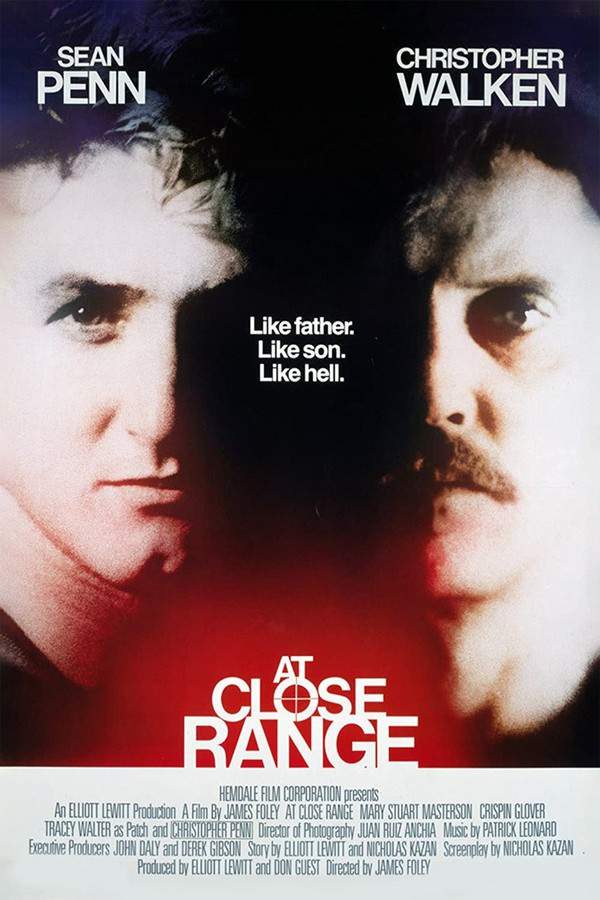
At Close Range
1986

My Dear Son
1989

Dark Water
2005

All Fall Down
1962

Graduation
2017

Hardcore
1979

Family of Strangers
1993

Fierce People
2007
Narrative Summary
Narratives in this thread often center on a daughter's coming-of-age or personal crisis, which is intrinsically linked to her relationship with a charismatic, flawed, or emotionally absent father. The central conflict arises from this complicated bond, forcing characters to confront grief, identity, and the legacy of their family.
Why These Movies?
Movies are grouped here for their unflinching focus on the psychological complexity of father-daughter relationships. They share a raw, intimate mood, heavy emotional weight, and a character-driven approach that prioritizes emotional truth over simple resolutions.
Movies about sexual exploration and trauma like Hemel
Character studies where exploration of sexuality collides with profound personal violation.For viewers who appreciated Hemel's raw depiction of a woman's sexual journey and its intersection with trauma. This collection features similar movies like Hemel that explore themes of sexual liberation, emotional complexity, and the aftermath of profound violation with a dark, intense tone.
The Light of the Moon
2017

Suspicious River
2000

She's Lost Control
2015

Women Talking Dirty
1999

Girls on Film
2023

The Naked Eye
1998

Diary of a Nymphomaniac
2008

Nymphomaniac: Volume I
2014

Wild Orchid II: Two Shades of Blue
1991

The Goddess of 1967
2000

Good Luck, Miss Wyckoff
1979

A Dangerous Woman
1993

Beauty
2011
Hemel
2012

Fat Girls
2007
Narrative Summary
The narrative pattern involves a protagonist actively engaging in casual or numerous sexual encounters, often as a coping mechanism or search for meaning. This pattern is irrevocably shattered by an act of trauma (such as assault), leading to a dramatic shift in tone and a deep exploration of the psychological aftermath, grief, and existential crisis.
Why These Movies?
These films are connected by their unflinching focus on the intersection of sexuality and trauma. They share a raw, unsettling mood, high emotional intensity, dark tone, and a narrative arc that explores the complicated motivations behind sexual behavior and the devastating impact of violation.
Unlock the Full Story of Hemel
Don't stop at just watching - explore Hemel in full detail. From the complete plot summary and scene-by-scene timeline to character breakdowns, thematic analysis, and a deep dive into the ending - every page helps you truly understand what Hemel is all about. Plus, discover what's next after the movie.
Hemel Timeline
Track the full timeline of Hemel with every major event arranged chronologically. Perfect for decoding non-linear storytelling, flashbacks, or parallel narratives with a clear scene-by-scene breakdown.

Characters, Settings & Themes in Hemel
Discover the characters, locations, and core themes that shape Hemel. Get insights into symbolic elements, setting significance, and deeper narrative meaning - ideal for thematic analysis and movie breakdowns.


